Published: September 26, 2026 | Author: Karl Huang
Most travelers come to Xinjiang for the lakes and the snow peaks, but the detail that stayed with me the longest was a face cut into a slab of grey rock, standing alone in a wind-bent field of grass north of Altay City. These are the Xinjiang stone men, grassland figures left by nomads roughly three thousand years ago, and they are one of the least crowded, most thought-provoking things you can go looking for in the north of the region.
I first saw one on a cold October morning, and I have been trying to read them properly ever since. This guide pulls together what I learned on three separate trips, what the museums in Altay and Qinghe actually keep on display, and how you can stand in front of one yourself without joining a coach tour.
Quick Reference
| What they are | Carved stone human figures erected in front of ancient grassland tombs |
|---|---|
| Oldest examples | Bronze Age, about 3,000 years ago (Chemurchek culture) |
| Main region | Altay Prefecture: Altay City, Qinghe, Fuyun, Burqin, Habahe |
| How many | 282 recorded across Xinjiang; 128 of them in Altay |
| Best base | Altay City, with the Altay Museum as the obvious first stop |
| Best season | June to September for access; museum any time |
What the Stone Men Actually Are
When our group pulled off the road near Chemurchek, about forty minutes southwest of Altay City, I expected a monument. What we found was quieter: a rounded stone, hip-high, with a blunt human face and a thin line for a moustache, turned toward the rising sun. A local caretaker told us it had stood there longer than any building in the county. That scale of time is the part you cannot get from a photo.
The figures are not random sculpture. They were raised in front of burials, usually facing east. Archaeologists read them as a kind of standing memorial, a way for a pastoral people with no written language to mark who was buried and, perhaps, to ask the dead to keep watching over the living. The earliest ones are blocky and almost abstract. Later ones, made a millennium and a half after, show belt buckles, weapons, and the straight posture of a mounted warrior.
Where to Find Them: The Altai Heartland
If you only have time for one stop, make it the Altay Museum (Altay Prefecture Cultural and Archaeological Institute) in Altay City. Its ground floor holds the Kayinar No. 2 cemetery stone man, the so-called treasure of the house: a stout, round-faced figure from the Bronze Age that was pulled from a kurgan in 1965. Seeing the original up close, with the chisel marks still visible, reframes everything you later find in the fields.
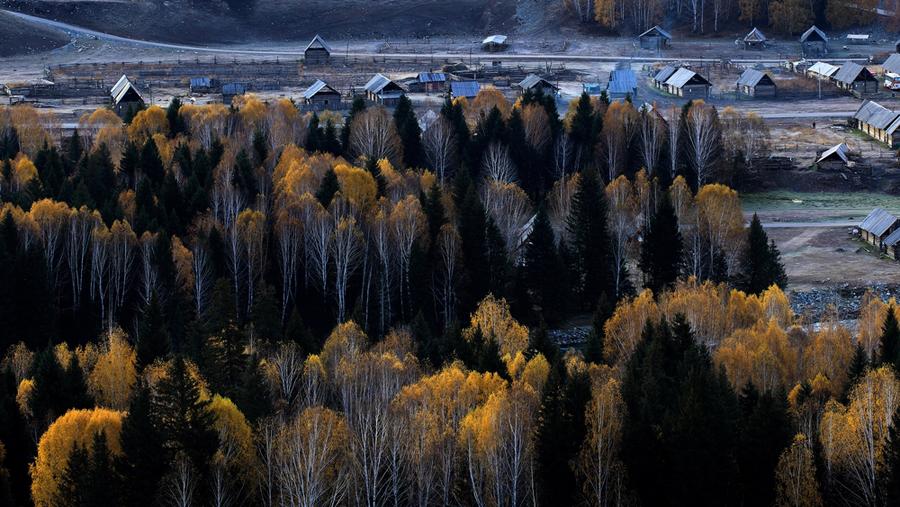
Beyond the museum, the real hunting is outside town. Qinghe County, northeast of Altay, is the single richest area and also home to the Sandao Haizi (Three Lakes) complex, where stone figures stand near deer stones and enormous stone cairns. Fuyun County, south toward Koktokay, has its own scattered figures, and Burqin and Habahe to the northwest each turn up a few. None are signposted like a normal attraction; you often need a local driver who knows the spot. The same Altay range that holds Kanas Lake is where these figures live, so it is easy to pair the two on one northern loop.
Reading the Faces: Bronze Age vs Turkic
The single most useful thing I learned was that the figures fall into two very different moods. The older, Bronze Age pieces from the Chemurchek culture are round, calm, and a little featureless. Researchers describe them as “idols”, images of ancestors or respected elders meant for worship rather than likeness. They have arched brows, round eyes, a straight nose, and sometimes a row of marks on the cheeks.
The later figures, dated to the Sui and Tang periods, are something else entirely. These are “portraits”. They show a specific man: a warrior in a robe with a belt, sometimes holding a cup, often with a clearly carved moustache and a confident, almost official stance. Scholars link them to the Turkic khaganate and read them as memorials to the deceased himself. Once you know the difference, you start seeing it everywhere, and the grassland stops looking empty.
Getting to the Stone Fields
Altay City has a small airport with flights from Urumqi, and the drive up from the capital by road is a long but straightforward two days. Inside Altay Prefecture, distances are large and public transport to the rural sites is thin, so most visitors rent a car or hire a driver for two or three days. The museum is walkable from the city centre. For the out-of-town figures, plan on a 4×4 or at least a vehicle with clearance, and treat any “ten minutes away” estimate from a local as optimistic. Our Xinjiang transportation guide covers the road and flight basics in more detail.
Best Time to Go
The figures themselves do not mind the cold, but you will. Snow can close the minor roads from late October, and the grassland sites are at their most readable in summer, when the grass is high and the light is long. I would aim for June through September. The museums, of course, are open year round and air-conditioned, which makes them a sensible plan B during a rainy spell. For a full month-by-month breakdown, see our best time to visit Xinjiang page.
Where to Sleep
Altay City has the usual range of Chinese mid-range hotels, clean and cheap, and that is where I would base myself. Staying in town lets you hit the museum on day one and still be out at a site by mid-morning the next day. Qinghe has fewer options but a couple of acceptable county hotels if you want to be closer to Sandao Haizi. Book ahead in July and August, when domestic travel peaks. Our Xinjiang accommodation guide runs through the booking habits that actually work up here.
What to Eat on the Way
The Altay table is heavy on mutton, dairy, and bread, much of it from Kazakh households. Look for finger lamb (手抓肉), fresh curds, and the flat rounds of naan pulled hot from a roadside oven. In Altay City I ate a bowl of milk tea and a plate of fried dough that cost less than a coffee back home and kept me full until dinner. Carry cash for the small places; the rural spots do not always take a foreign card.
Practical Tips Before You Drive Out
A few things I wish I had known. Bring a wide lens and a polariser; the figures are grey on grey and the contrast is brutal at noon. Ask before climbing on or touching anything, and never try to “help” a fallen stone back upright. Download offline maps, because signal drops the moment you leave the highway. A Xinjiang photography guide I wrote covers the light and timing that suit this kind of open-country subject. And tell someone your route, since you may not pass another car for an hour.
A Three-Day Sample Itinerary
Day 1: Fly or drive into Altay City, drop bags, and spend the afternoon in the Altay Museum. Eat mutton and naan within walking distance of the hotel.
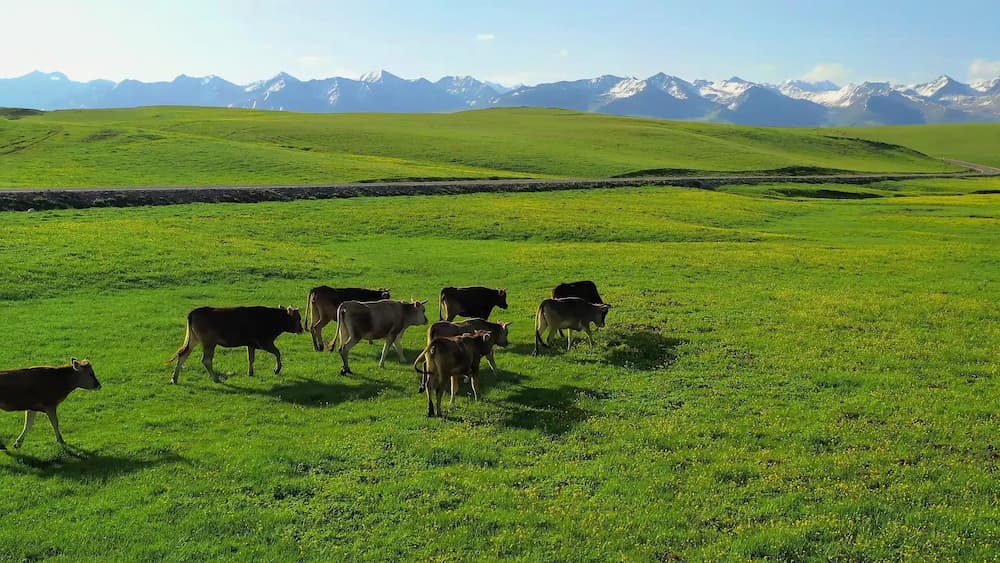
Day 2: Hire a driver for Chemurchek and the nearby grassland fields southwest of the city. Pack water and lunch; there is nothing out there. Back to the city for a second museum pass if light failed you on day one.
Day 3: Drive northeast toward Qinghe and Sandao Haizi if the roads are open, or loop back via Burqin and Habahe for their scattered figures. Fly out from Altay in the evening.
Frequently Asked Questions
Are the stone men original or replicas? The figures in the Altay Museum are original. The ones still standing in the fields are also original, but many have been moved a short distance for protection, so ask the museum staff which sites hold in-situ pieces.
Can I visit without a guide? The museum, yes. The rural sites, only with a local driver who knows the exact spots, since they are not marked.
Is it worth the trip if I am not into archaeology? If you like open grassland, long light, and the strange feeling of standing where nomads stood three thousand years ago, yes. If you need polished attractions, pair it with Kanas nearby.
How old are they really? The oldest dated examples are about 3,000 years old, from the Bronze Age Chemurchek culture. The later warrior figures belong to the Sui-Tang period, roughly 1,400 years ago.
A Note on Accuracy
Dates and counts in this article follow the Altay Museum’s published descriptions and the third national cultural relics survey. Archaeological opinion on the exact meaning of individual figures changes as new digs are published, so treat the readings here as a traveler’s introduction, not a scholarly last word. Check the museum’s current displays when you arrive, because loans and rearrangements happen.
About the Author
Karl Huang is a travel writer who has spent several seasons driving the back roads of northern Xinjiang. He focuses on the places that do not show up on the standard lake-and-mountain circuit, and he prefers a quiet kurgan to a crowded viewpoint. He writes for Xinjiang Attractions and has contributed to the site’s guides on transport, seasonal travel, and photography.