Published: 19 October 2026 | Author: Karl Huang, Xinjiang Attractions
People ask me the same question every year: “When should I actually go to Xinjiang?” After four trips between 2021 and 2025 — the Ili grasslands in May, the Duku Highway the week it opened in June, Kanas in early October, and a quiet January loop through the south — the honest answer I give is “it depends entirely on where you’re headed.” Xinjiang covers one-sixth of China’s landmass, and the weather in the capital Urumqi has almost nothing to do with the weather in Kashgar, roughly 1,500 km southwest. The north and the south keep completely different calendars. This guide is the version I wish someone had handed me before my first flight in.
Quick reference: Xinjiang by month
| Month | Best for | Crowds | Watch out for |
|---|---|---|---|
| January–February | Snow scenery, ski resorts, low prices | Very low | Closed mountain passes, −25°C in the north |
| March | Early thaw, few tourists | Low | Muddy roads, some attractions still closed |
| April–May | Ili apricot blossoms, Turpan warmth | Low–medium | Sandstorms in the south, variable northern weather |
| June | Duku Highway opens, grasslands turn green | Medium | Start of peak; book transport early |
| July–August | All routes open, festivals, long days | High | Crowds at Kanas, hot in the Tarim Basin |
| September | Kanas and Hemu golden larch, harvest | Medium–high | Best all-round window |
| October | Populus forests, crisp air, fewer crowds | Medium | Duku may close mid-to-late month after first snow |
| November–December | Off-season prices, winter sports | Very low | Many northern sights close; plan the south instead |
The one thing that changes everything: north vs south
Before you pick a month, pick a region. The north — Urumqi, the Ili Valley, Altai, the Tian Shan — is cool, green and snow-dependent. The south — the Tarim Basin, Kashgar, Hotan, Turpan — is arid desert with brutal summer heat and sharp winter cold but far fewer weather closures. On my 2024 trip I stood in 34°C in Turpan while friends in the Tian Shan were scraping frost off the car at 2,400 m. Same week, same province.
Spring (April–May): blossoms and empty roads
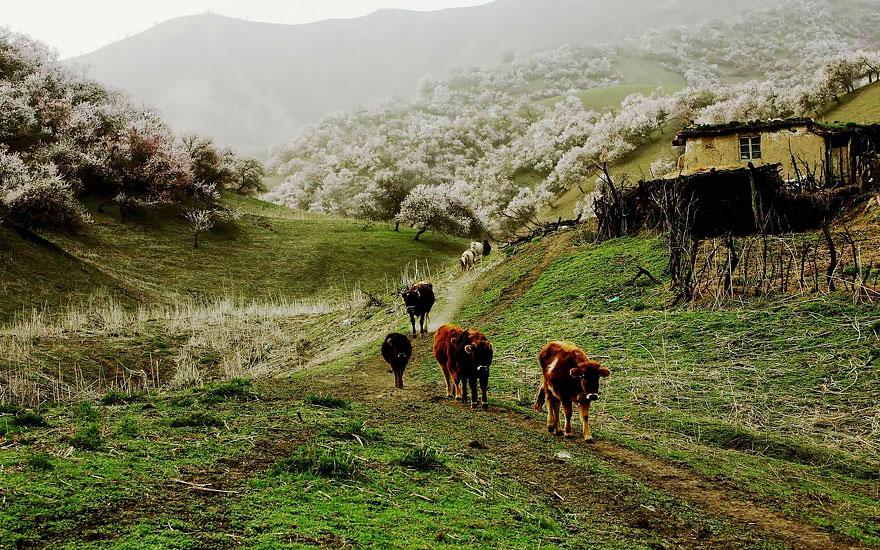
I drove into the Ili Valley in late April 2023 and caught the apricot blossoms in the villages around Tokkuztara and Gongliu a full week before the tour buses arrived. The orchards were loud with bees and the villagers still did a double-take at a foreign face. This is my favourite window for photography and calm, and it’s also when the south celebrates Nowruz (the Persian New Year, around 21 March), with horse games and bazaars in Kashgar and Hotan. The catch is weather: a warm week can flip to a snow squall in the mountains, and the Duku Highway is still closed (it normally opens around 1 June). In Turpan and the south, spring already means 25–30°C — pleasant, and a good time to walk the Jiaohe and Gaochang ruins without the August furnace.
Summer (June–August): everything opens
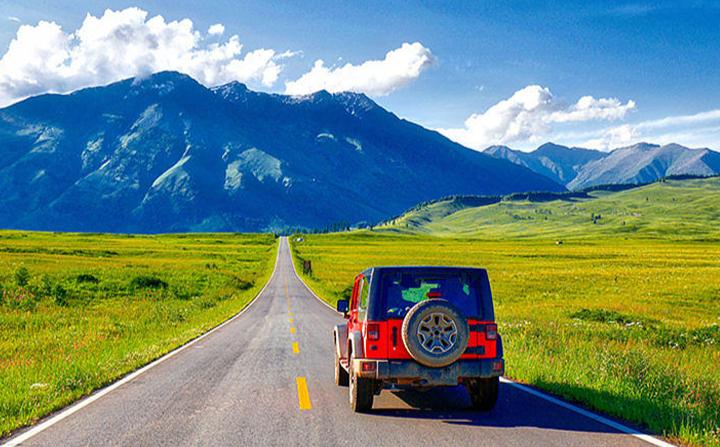
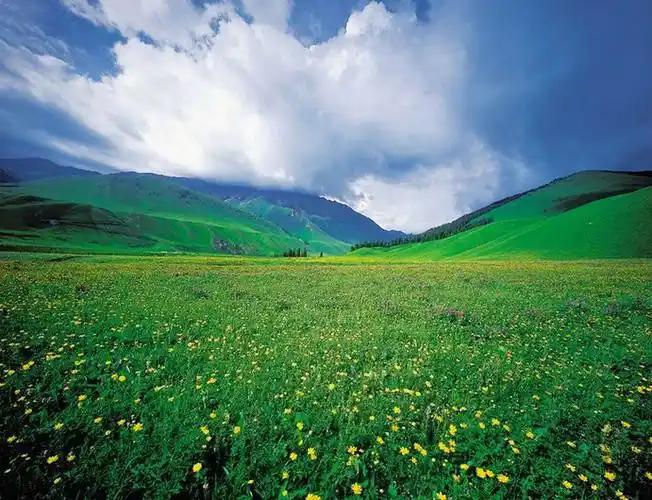
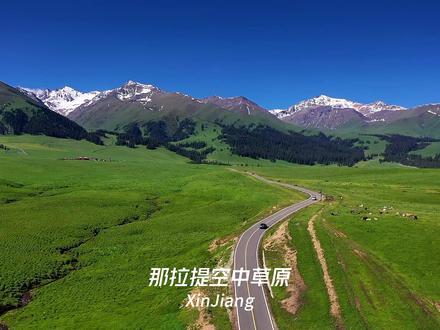
Summer is when Xinjiang is fully accessible. The high-speed rail runs comfortably, the grasslands are at their greenest, and the Duku Highway — the spectacular road linking Urumqi’s north and south — opens for the season. I drove the Duku in late June 2024 and stopped maybe twenty times: snow walls at the 3,000 m passes, then red rock canyons, then a Kazakh yurt settlement within an hour. The grasslands of Nalati are absurdly photogenic now. The downside is crowds and price. Kanas and Hemu book out weeks ahead in July–August, and the Tarim Basin (Kashgar, Hotan) sits at 35–40°C. If you come in summer, reserve accommodation and Kanas shuttle tickets before you fly, and start sightseeing at 07:00 to beat both heat and tour groups.
Autumn (September–October): the sweet spot
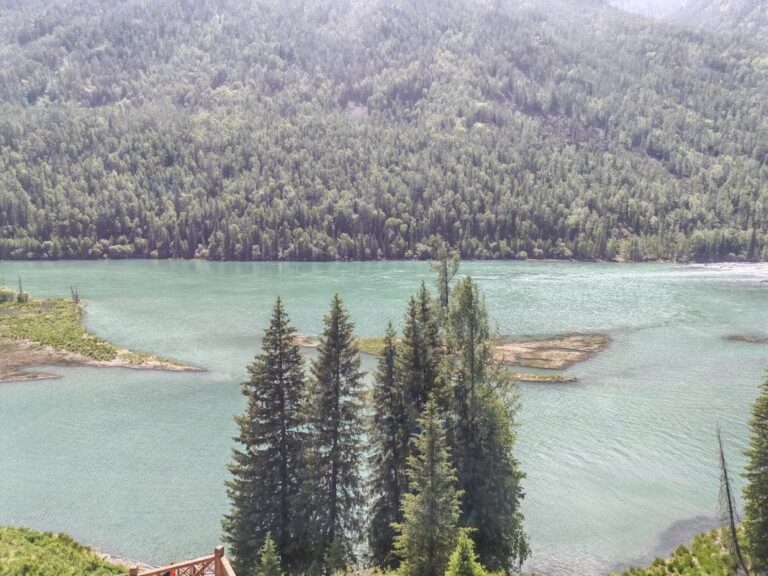
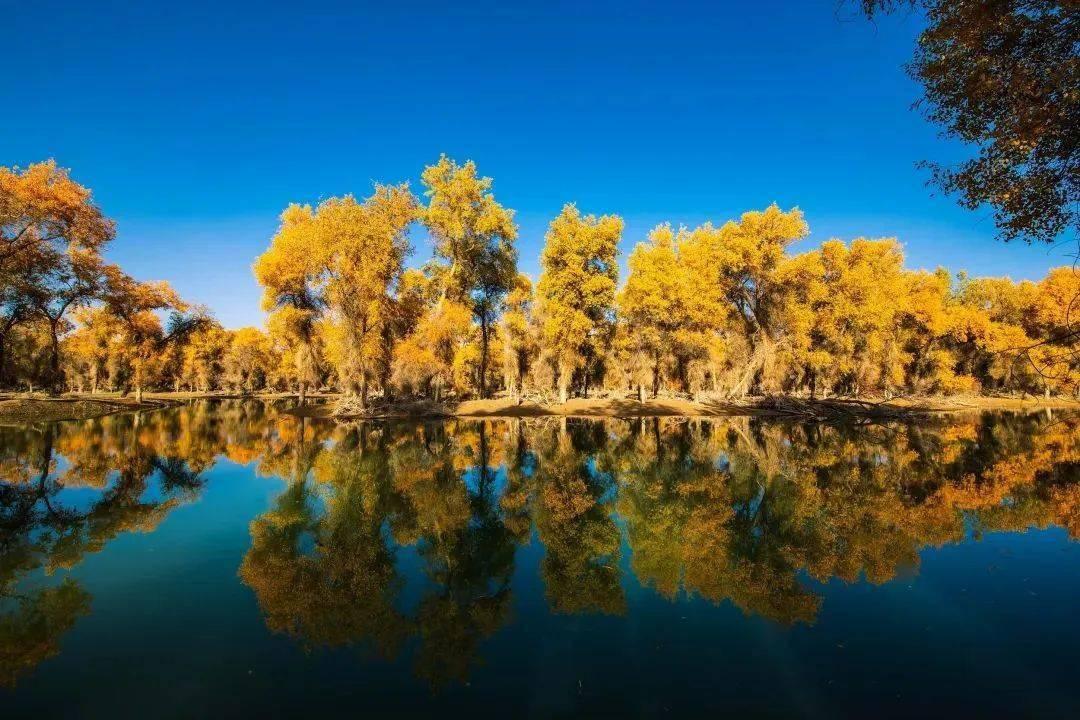
If I could only recommend one window, it would be early October. The larch forests around Kanas and Sayram Lake turn gold, the air is crisp, the summer crowds have gone home, and the light is genuinely unfair for photography. I spent three mornings at Hemu’s wooden village in October 2022 watching smoke rise over a golden valley — no filter needed. Turpan’s grape harvest (September) and the Tarim poplar festival (around mid-October) are bonus reasons to come. Plan around the Duku closure: after the first snow, often mid-to-late October, the high passes shut, so finish any north–south driving early in the month.
Winter (November–March): snow, solitude, savings
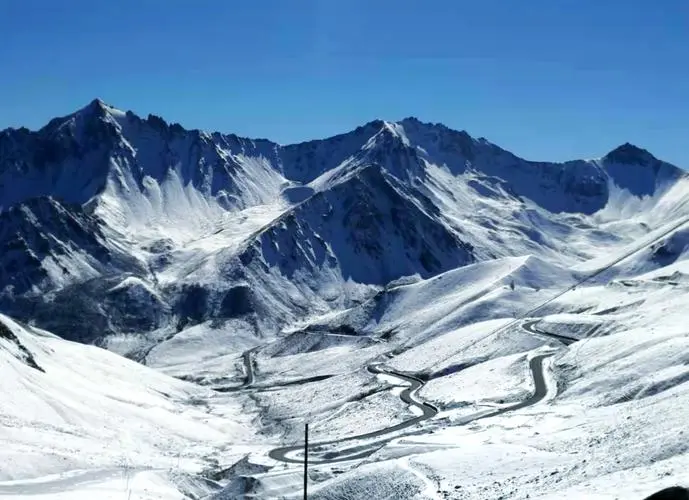
Most travellers skip winter, which is exactly why I like it. Hotel prices drop by half, there are no queues, and the snow-covered Tian Shan is beautiful. Altay (Jiangjunshan) and Urumqi have real ski resorts, and Hemu in January looks like a Christmas card. The trade-off is real: many northern attractions close, mountain passes are unsafe, and you should concentrate on the south (Kashgar, Hotan) or the ski areas. I did a January loop in 2025 and needed serious cold-weather planning — minus 25°C in Altay is no joke, and diesel cars need the right fuel.
Why there’s no single best month
I get pushback when I say “September” — a photographer wants October gold, a festival chaser wants March, a skier wants January. The truth is the region is big enough that two travellers in the same month can have opposite experiences depending on the valley they pick. The calendar above is a planning tool, not a verdict; use it to match a region to a window, then let the rest fall into place.
How many days each region needs
- Urumqi + Tianchi: 2 days.
- Turpan: 1–2 days.
- Ili Valley (Nalati, Sayram): 2–3 days.
- Kanas / Altai: 2–3 days (plus flights).
- Kashgar + Pamirs: 4–5 days, best May–October.
- Full north loop: 7 days; full region sweep: 14–21 days.
Regional differences you must respect
- Altitude: Parts of the Tian Shan and Pamirs sit above 3,000 m. If you’re heading to Tashkurgan or the Kunjerab Pass, spend a night in Kashgar to acclimatise first.
- North vs south packing: The north is cool and green; the south is dry desert with extreme heat and cold. Pack for both if you’re crossing regions.
- The wind: The Dabancheng corridor and Alashankou are among the windiest places in China — bring a real jacket even in summer, or you’ll be the person clinging to a lamppost at the Tianchi cable car.
Festivals worth timing your trip around
| When | Festival / event | Where |
|---|---|---|
| Late March | Nowruz (Persian New Year) | Kashgar, Hotan |
| April–May | Apricot blossom season | Ili Valley |
| June | Duku Highway opening | Tian Shan |
| June–August | Nadam games, horse races | Grasslands ( Ili, Bayinbuluk) |
| September | Grape harvest | Turpan |
| Mid-October | Poplar (Populus) festival | Tarim Basin |
| January | Ice and snow festival | Urumqi, Altay |
My practical packing list by season
Regardless of month, Xinjiang’s daylight runs 14–16 hours in summer and the UV is strong at altitude. I always carry: a windproof shell, a sun hat, high-SPF sunscreen, lip balm, and a power bank (long drives between charges). In spring and autumn add layers you can shed; in winter add insulated boots, gloves and a proper down jacket; in summer add more water than you think you need and something long-sleeved for mosques and the Pamirs.
Common timing mistakes I’ve made or seen
- Booking Kanas for late October and finding the shuttle stopped after snow — go by mid-month.
- Assuming the whole region is open in April; the Duku and many passes are still closed.
- Underestimating the south’s summer heat and running out of water in the Tarim.
- Skipping a buffer day — northern weather and holiday crowds have derailed my plans more than once.
Connectivity, cash and permits
Signal drops in the mountains and on the Pamirs, so download offline maps before you leave each city. Carry cash (¥200–300) for rural stands and yurt camps — some take only paper. Foreign visitors need a Chinese visa and must register each stay; the border areas near Kashgar need no special permit for the city itself, but Tashkurgan does, so treat that as a separate southern trip.
Temperature reality by city
For planning, July highs run roughly: Urumqi 29°C, Turpan 40°C, Kashgar 32°C, Altay 24°C. January lows: Urumqi −15°C, Altay −25°C, Kashgar −10°C. Almost everywhere swings 15°C between afternoon and night, so layers beat a single heavy coat.
When I’d avoid coming
Skip the Lunar New Year week (dates move, usually January–February) if you want quiet — transport sells out and some services close, yet the weather is brutal. Avoid the Duku Highway’s first two weekends after opening if you hate traffic; locals flood it. And don’t attempt the northern scenic sites in deep winter unless you specifically want the snow-sports version.
If you have 10–14 days instead of 7
Add Kashgar and the Pamir Highway (4–5 days, May–October) after the north loop, or extend Ili with Tangbula grassland and Bayinbuluk. The loop above is the skeleton; the south is the sequel. I’d rather you do the north well than rush both.
Questions travellers ask about timing
Is October too late to visit Xinjiang?
No — early October is arguably the best time for Kanas, Hemu and the poplar forests. Just finish high-mountain driving before mid-month, when passes can close after the first snow.
Can I visit Xinjiang in winter?
Yes, and it’s cheap and crowd-free. Focus on Kashgar, Hotan and Urumqi’s ski areas; expect northern scenic sites to be closed.
When do the grasslands turn green?
The Ili and Nalati grasslands are green from late May through August; by late September they’re golden rather than green.
What month has the fewest tourists?
November through February, except around the Lunar New Year holiday. You’ll often have whole viewpoints to yourself.
Disclaimer
This guide reflects personal travel between 2021 and 2025 and general climate patterns. Weather, road openings (especially the Duku Highway) and attraction schedules change year to year — always confirm current conditions with official sources before you book. We are an independent travel-information publisher, not a government body or tour operator.
About the author
Karl Huang is the founder of Xinjiang Attractions and has travelled the region four times across all four seasons. He writes practical, first-hand guides for independent foreign visitors and verifies every fact against official sources before publishing.