Published: July 27, 2026 | Author: Adrian Teo | Reading time: about 9 minutes
My wife Hui Min and I have been to Xinjiang twice, and the two trips could not have felt more different. The first, in October 2024, landed square on National Day Golden Week because that was the only leave I could get from my logistics job in Singapore. The second, in early September 2025, was planned specifically to dodge the crowds we had suffered through the year before. This guide to Xinjiang public holidays and their effect on travel is the article I wish someone had handed me before trip number one. Every queue time, price jump, and empty road below comes from our own bookings and our own mistakes.
Quick reference: Xinjiang public holidays at a glance
| Holiday | 2026 dates (approx.) | Crowd impact in Xinjiang |
|---|---|---|
| Chinese New Year | Feb 17, ~8 days off | Low for scenery, high for flights out of Urumqi |
| Qingming Festival | Early April, 3 days | Mild; apricot blossom areas in Ili get busy |
| Labour Day (May Day) | May 1 to 5 | Heavy at Sayram Lake, Turpan, and Urumqi sights |
| Dragon Boat Festival | Mid June, 3 days | Moderate; start of the summer ramp-up |
| Summer school holidays | July 1 to Aug 31 | The real peak season, two full months |
| Mid-Autumn Festival | Late September | Moderate, often merges into Golden Week |
| National Day Golden Week | Oct 1 to 7 | Extreme at Kanas and Hemu, hotel prices triple |
| Corban Festival (Eid al-Adha) | Regional, dates shift yearly | Xinjiang-specific days off; lively bazaars, some shops closed |
One thing most China travel calendars miss: Xinjiang grants extra regional holidays for Corban Festival and Roza Festival that the rest of the country does not observe. Banks and government offices close, bazaars fill with local families, and a few small restaurants shut for a day or two. We cover what actually happens during these celebrations in our Xinjiang festivals calendar.
What Golden Week actually did to our first trip
On October 2, 2024, we arrived at the Jiadengyu gate of Kanas at 8:40 in the morning. The shuttle bus queue took us one hour and fifty minutes. Hui Min timed it on her phone because neither of us could quite believe it. Entry tickets had sold out online two days earlier for October 3 and 4, so the only reason we got in at all was that I had booked through the official WeChat mini-program five days ahead, on advice from a colleague in Shanghai.
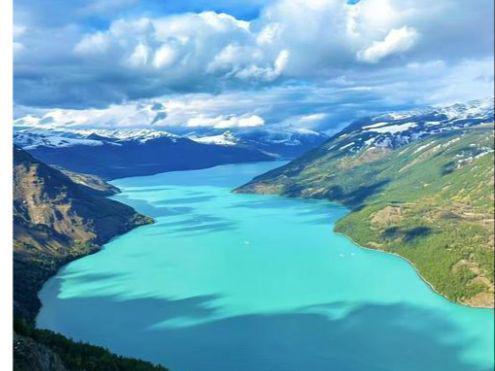
The lake itself was worth it. The birch forest had turned gold and the viewing platforms above the bends of the river were as good as every photo suggests. But the guesthouse in Burqin that charged us 780 RMB per night was listed at 260 RMB when I checked the same property in September 2025. Dinner queues in Jiadengyu village ran 40 minutes. A driver we spoke to said he had quoted 3,800 RMB for a three-day charter that week; his normal September rate was 2,200.
Here is the part that surprised me as someone who plans freight schedules for a living: the congestion is extremely concentrated. Kanas, Hemu, and the Sayram Lake ring road absorb most of the holiday traffic. On October 5 we gave up on Hemu, drove south instead, and had the Wucaitan colored beach at Burqin nearly to ourselves at sunset. The crowds follow a short list of famous names. Step one entry off that list and Golden Week Xinjiang feels almost normal.
How holidays hit transportation
Flights into Urumqi from eastern China roughly double in the three days before each Golden Week. In 2024 we paid SGD 720 each for Singapore to Urumqi via Chongqing; friends who booked the same routing ten days later paid the equivalent of SGD 1,150. Trains are worse in a different way. Tickets on 12306 open 15 days before departure, and for October 1 they were gone within the first morning. If you are choosing between rail and air for holiday dates, our Xinjiang train vs flight comparison goes into booking tactics in detail.
Car rental counters in Urumqi ran out of automatic-transmission vehicles by September 28 that year. The counter agent told us the entire fleet was reserved for the week. Charter drivers remain findable during holidays, but expect quotes 50 to 80 percent above normal and confirm the price in writing over WeChat before you commit.
The September 1 switch: our second trip
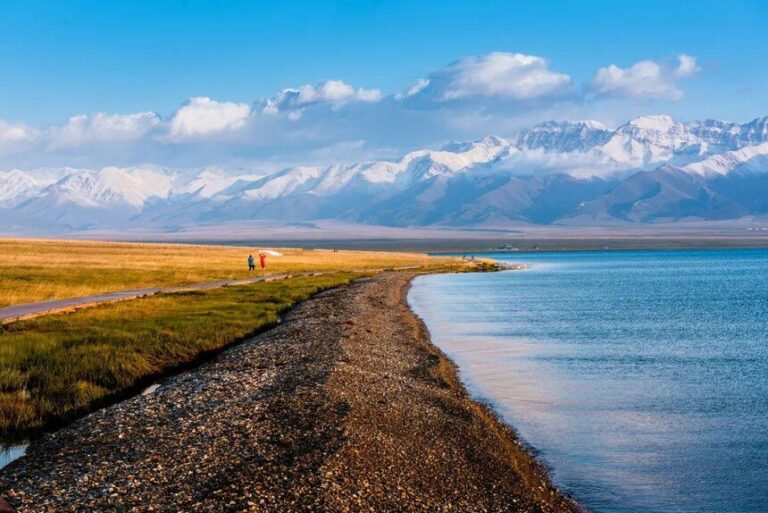
Chinese schools reopen on September 1, and the change is abrupt. We landed in Urumqi on September 3, 2025, and the difference from our October trip was almost comical. Same airport, no queue at the taxi rank. Sayram Lake, which a May Day visitor we met had described as a slow-moving ring of cars, was quiet enough that we stopped at five different pullouts along the lakeshore road and were alone at three of them.

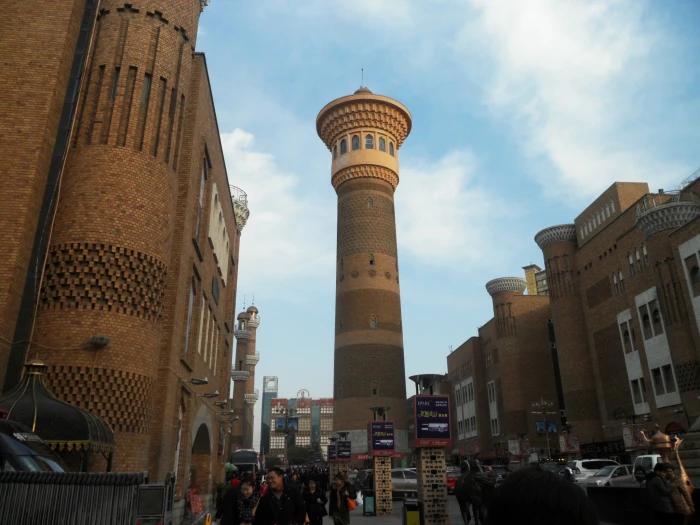
Hotel data from our own bookings tells the story. The same Burqin guesthouse: 780 RMB on October 3, 2024, and 260 RMB on September 6, 2025. A four-star hotel near the Urumqi Grand Bazaar: 520 RMB in early August according to the app, 310 RMB when we stayed on September 4. Restaurant owners had time to chat. Our driver, a Kazakh man named Erbol, said the first ten days of September are his favorite working window of the year: summer prices gone, roads clear, weather still warm, larch trees just starting to turn at higher elevations.
Best time to visit if you can choose
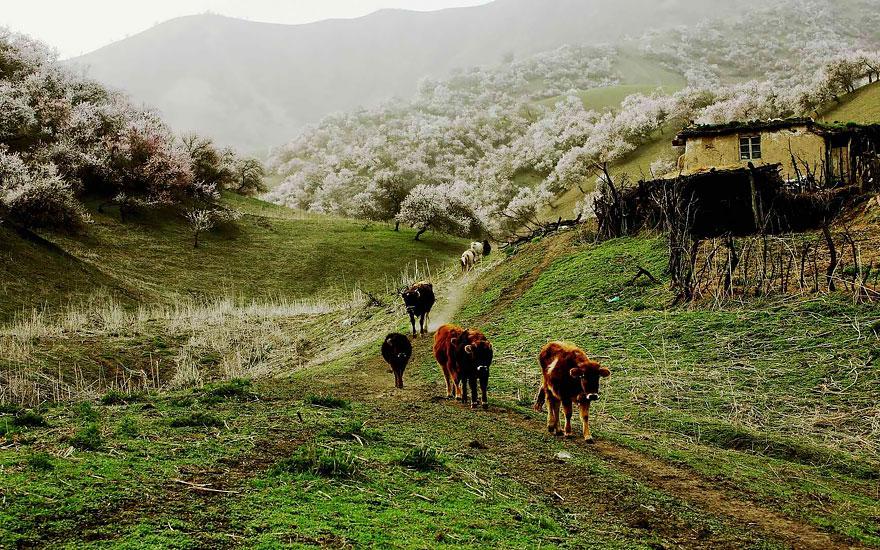
Based on both trips and a lot of conversations with drivers and guesthouse owners, my ranking for crowd-averse travelers goes like this. First choice: September 1 to 20, after schools reopen and before Mid-Autumn. Second: late May to mid June, after May Day and before summer holidays, when the Ili valley grasslands are at their greenest. Third: mid April in the south, for apricot blossoms around Ili and warm days in Turpan before the serious heat.
If your dates are locked to a Chinese public holiday, do not cancel the trip. Golden Week at Kanas was crowded but still one of the better travel days of my life. Just budget more, book two to four weeks earlier than feels necessary, and build your route around second-tier sights during the peak days. Winter, for what it is worth, is the emptiest season of all, and the frozen scenery around Hemu and Altay has its own case to make if you can handle minus twenty.
Where to stay during peak periods
Book accommodation before flights during any Golden Week. Rooms inside scenic areas like Hemu village are capacity-limited and disappear first. Our approach on trip two: reserve refundable rooms the moment dates firm up, then rebook if prices drop. In Burqin and Jiadengyu, guesthouses quoted us three different prices for the same room depending on the night of the week during holiday season, so always confirm the total for your exact dates rather than the per-night figure on the listing. Urumqi is the exception; the city has enough hotel stock that even during Golden Week we found decent options under 400 RMB two days out.
Eating during holidays
Holiday crowds change restaurant logistics more than menus. In Jiadengyu we learned to eat dinner at 6 pm, before tour groups returned from the lake, and the 40-minute queue became no queue. During Corban Festival, some family-run Uyghur restaurants close so owners can celebrate, but bazaar food streets get livelier, not quieter, and holiday lamb dishes appear that you will not see other weeks. Big-city spots around the Urumqi Grand Bazaar stay open throughout every holiday. Prices did not visibly change during either of our trips; food is the one budget line the holidays leave alone, as our Xinjiang travel cost breakdown shows in detail.
Practical tips from two very different trips
- The State Council publishes the following year’s official holiday schedule in November. Check the exact dates before booking, because make-up working days shift the calendar in odd ways.
- Buy scenic area tickets through official WeChat mini-programs three to five days ahead during any holiday. Kanas, Tianchi, and Hemu all cap daily entries.
- Hotel prices drop the evening a Golden Week ends. If your schedule can start on October 8 instead of October 5, you save roughly 40 percent on everything.
- Traffic on the Sayram Lake ring road and the road into Kanas peaks between 10 am and 2 pm. Enter at 8 am and you will beat most of it, since tour buses run late-morning schedules.
- Download offline maps and translation tools before you go; holiday crowds slow mobile networks near big gates. We tested the useful ones in our Xinjiang travel apps guide.
- Corban and Roza dates follow the Islamic calendar and move about 11 days earlier each year. Ask your hotel which local businesses will close.
A sample holiday-season plan that worked
If you are stuck with Golden Week dates, this is the route I would repeat. Day 1: land in Urumqi, Grand Bazaar in the evening, crowds thick but moving. Day 2: drive to Burqin with a stop at Wucaitan for sunset, both manageable. Day 3: Kanas at gate opening, 8 am sharp, out by 4 pm. Day 4: skip Hemu, visit the quieter Keketuohai area instead. Day 5: return via Fuyun. Days 6 and 7: Turpan, which absorbs crowds far better than the northern lakes because its sights are spread across a wide oasis. For a compressed version of this idea, see our Xinjiang 5-day itinerary.
Frequently asked questions
What are the main public holidays that affect Xinjiang travel?
Chinese New Year, Qingming, May Day, Dragon Boat, Mid-Autumn, and National Day Golden Week, plus the two-month summer school break. Xinjiang additionally observes regional days off for Corban and Roza festivals.
Is National Day Golden Week a bad time to visit Xinjiang?
It is the most crowded and expensive week of the year at Kanas and Hemu, but autumn colors peak at exactly that time. With advance tickets, early starts, and flexibility on secondary sights, it is workable. We did it and would grudgingly do it again.
When is Xinjiang’s real peak season?
July and August, during the national school holidays. This two-month stretch brings more total visitors than any single Golden Week, with the Ili valley and northern lakes busiest.
Do prices really change that much during holidays?
Our own bookings showed hotel rates roughly tripling in Burqin during Golden Week compared to early September, charter drivers quoting 50 to 80 percent more, and flights nearly doubling. Food prices stayed flat.
What is the quietest time that still has good weather?
September 1 to 20. Schools have reopened, summer prices collapse, days remain warm, and the first autumn color appears at higher elevations.
Disclaimer
This article reflects our personal trips in October 2024 and September 2025, plus 2026 holiday dates as announced at the time of writing. China’s official holiday calendar is confirmed each November by the State Council, and scenic area policies, prices, and capacity limits change. Verify current dates and booking rules through official channels before you travel.
About the author: Adrian Teo is a logistics planner based in Singapore who applies far too much supply-chain thinking to his holidays. He and his wife Hui Min have traveled through northern and eastern Xinjiang across two trips in different seasons, paying their own way throughout. No sponsorships, no press rates; every price quoted comes from their own receipts.