Published: July 27, 2026 | Author: Marianne Vos, independent travel writer (Utrecht, Netherlands)
Most people who ask me about a Xinjiang 21 day itinerary assume three weeks is overkill. It is not. My husband Theo and I spent 21 days here in September and October 2025, and we still skipped places we wanted to see. This region is roughly the size of Iran, so distances swallow days you did not budget for. What follows is the actual loop we drove and flew, with the mistakes and the small wins, so you can plan a trip that feels full rather than rushed. We paid for everything ourselves and accept no sponsorship.
Why three weeks makes sense for a Xinjiang 21 day itinerary
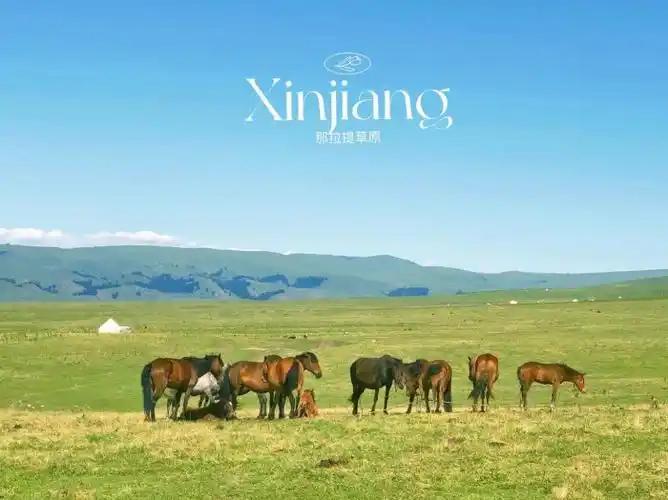
A shorter trip forces a choice between the green north and the desert south. With 21 days you do not have to choose. Our route ran clockwise: Urumqi as the arrival hub, up to the Altai and Kanas in the far north, back down through the Ili Valley grasslands, over to Turpan in the east, then a long push south along the Tarim rim to Kashgar and the Pamir, before flying home. If you only have a week or ten days, be honest with yourself and read our 5-day highlights itinerary or the 10-day north and south loop instead. Cramming this full loop into less time turns a holiday into a bus marathon.
Quick reference table
| Detail | What to expect |
|---|---|
| Trip length | 21 days (18 nights on the road, 2 travel buffer days) |
| Best months | Late May to mid-June, or September to mid-October |
| Distance covered | Roughly 4,500 to 5,000 km including one long flight leg |
| Getting around | Hired car with driver in the north, flights for long jumps, shared taxis in the south |
| Rough budget (two people) | About 26,000 to 34,000 RMB excluding international flights |
| Permits | None extra for the standard route; carry your passport everywhere |
What the three weeks actually felt like
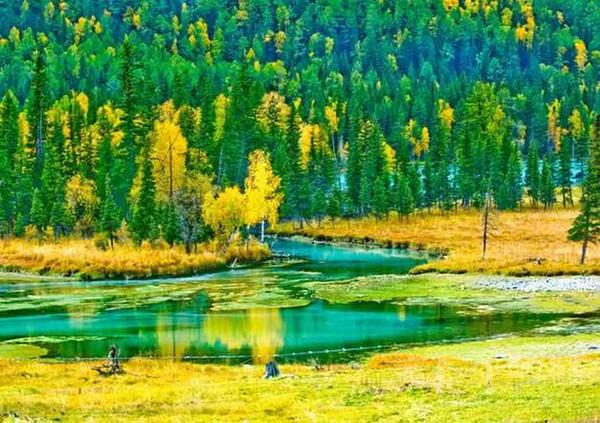
The rhythm surprised us. The first week in the north was all forest, lake and grassland, cool enough that we wore fleeces at Kanas. By week two we were peeling layers off in Turpan, where the afternoon heat still hit 34 degrees in late September. Week three in the south felt like a different country again: mud-brick alleys in Kashgar, the smell of cumin and woodsmoke, and Tajik herders on the road to the Pamir. Doing it in one continuous loop meant we watched the landscape change gradually rather than in jarring jumps, and that slow shift became my favourite part of the whole trip.
We did lose a full day to a landslide closure on the road back from Kanas, which is exactly why I now tell everyone to keep buffer days. Roads here close for weather, roadworks and the occasional herd of sheep with no interest in your schedule. Check current conditions before every long leg; our notes on driving distances and road conditions cover the routes that ate the most time.
Getting around on a 21-day loop
No single mode covers everything well. For the north we hired a car with a local driver for six days, which cost more than self-driving but saved us from mountain roads we did not want to tackle blind. For the two big transfers, Kanas back toward Ili and then Urumqi down to Kashgar, we flew. Domestic flights within the region are frequent and often cheaper than a full day of fuel and tolls. In the south we mixed shared taxis between oasis towns with a hired car for the Karakoram Highway day. Book the Kashgar to Tashkurgan car a day ahead, since drivers who handle foreign passengers at the checkpoints are not always waiting around.
Best time to go
Timing is the single biggest lever on how good this trip feels. We went in the late September window and it was close to ideal: Kanas had turned gold, the Turpan grape harvest was on, and the Kashgar Sunday market was in full swing without the July crowds. Spring, roughly late May into June, is the other sweet spot, with green grasslands and the Ili apricot blossom just finished. Avoid mid-July and August unless you love heat and price surges. Winter is beautiful but shuts down large parts of this route, including the high Pamir passes.
Where we slept
Accommodation ranged widely, which is part of the fun. In Kanas and Hemu we stayed in timber guesthouses run by local families; rooms were simple and warm, and breakfast was milk tea with fried bread. Urumqi and Kashgar both have proper mid-range hotels with reliable hot water and English-speaking front desks. Our favourite night was a courtyard inn inside the Kashgar old town, where the owner brought us pomegranate juice and pointed us to a rooftop for sunset. Book ahead in the north during the autumn colour weeks, because the good family guesthouses fill fast and prices roughly double.
Eating your way around
Food alone justifies the extra days. In the north we ate a lot of grilled lamb and hand-pulled laghman noodles. Turpan meant sweet Hami melon and grapes straight off the vine. But it was the south that won us over: the polo (pilaf) in Kashgar, samsa baked in a clay oven, and warm girde bread that a baker set aside for us when we came back a second morning. Portions are generous and meat-heavy, so if you travel with vegetarians, learn the phrase for no meat and expect fewer options in small towns. Tap water is not safe to drink; we bought bottled water everywhere and never had a problem.
Practical tips we wish we had known
- Carry your passport at all times. You will show it at hotel check-ins, some highway checkpoints and to buy long-distance transport tickets.
- Download offline maps and a translation app before you arrive. Mobile data works but coverage drops on mountain and desert roads.
- Keep cash on hand. Mobile payment is everywhere in cities, but small guesthouses and rural stalls sometimes want notes.
- Build in at least two buffer days across three weeks. We used both.
- Sort your paperwork early. Our guide to visas and permits for foreign tourists explains what the standard loop does and does not require.
- Track your spending as you go; costs in the south run lower than the north, and our real budget breakdown shows where the money actually went.
A sample 21-day itinerary
This is close to what we did, adjusted slightly to remove our wasted half-days. Treat it as a skeleton and hang your own interests on it.
- Days 1 to 2: Arrive Urumqi. Adjust to the time, visit the regional museum and the Grand Bazaar, and organise your northern car.
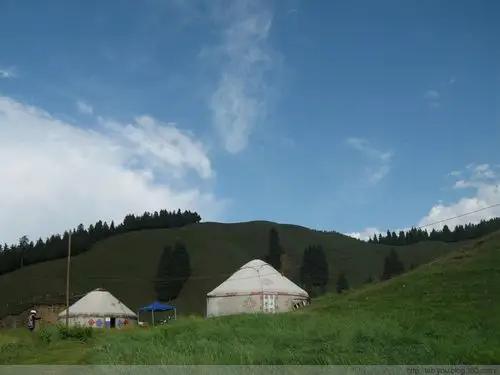
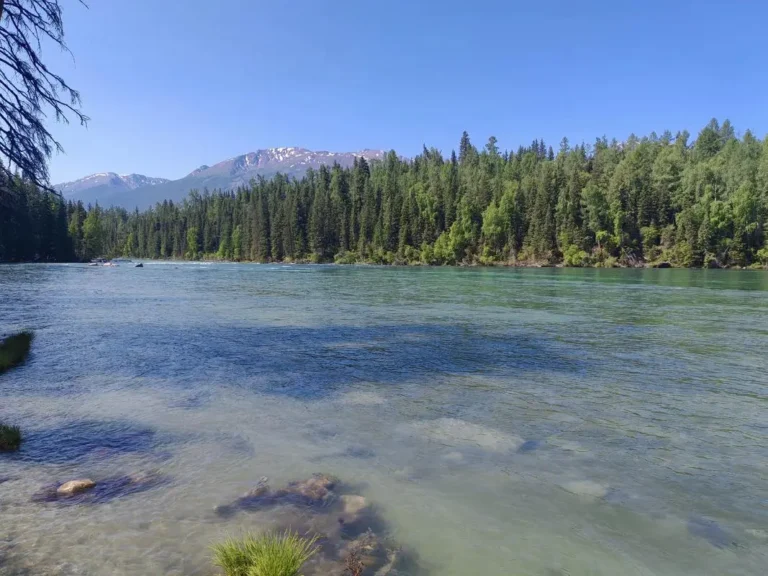
- Days 3 to 6: Fly or drive north to the Altai. Kanas Lake, Hemu village and Wucaitan (Five-Colour Beach). Slow days, cold mornings, gold forests.
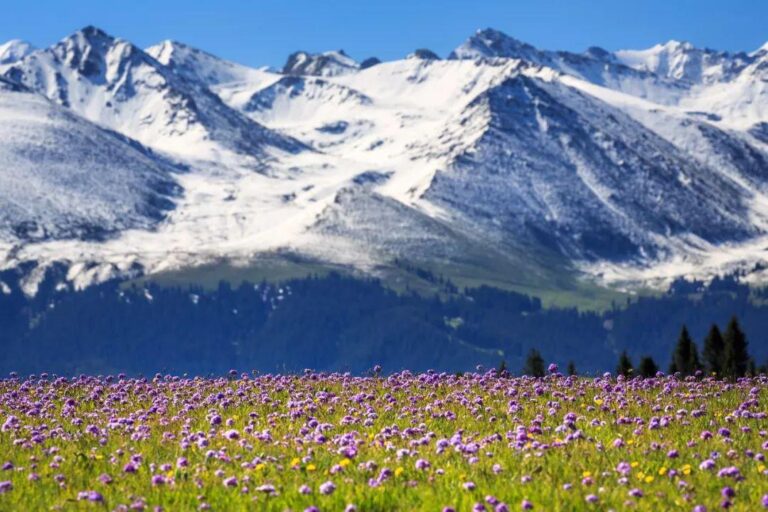
- Days 7 to 9: Head to the Ili Valley. Sayram Lake, Nalati grassland and, if the season fits, the Bayanbulak wetlands.
- Day 10: Buffer and transfer day back toward Urumqi.
- Days 11 to 12: Turpan. Grape Valley, the Flaming Mountains, the Jiaohe ruins and the ancient karez wells.
- Day 13: Fly Urumqi to Kashgar. Ease into the pace of the south.
- Days 14 to 16: Kashgar old town, the Id Kah area, the Sunday livestock market and craft workshops.
- Days 17 to 18: Karakoram Highway to Karakul Lake and Tashkurgan, with the Pamir peaks along the way.
- Day 19: Return to Kashgar; rest and last-minute shopping.
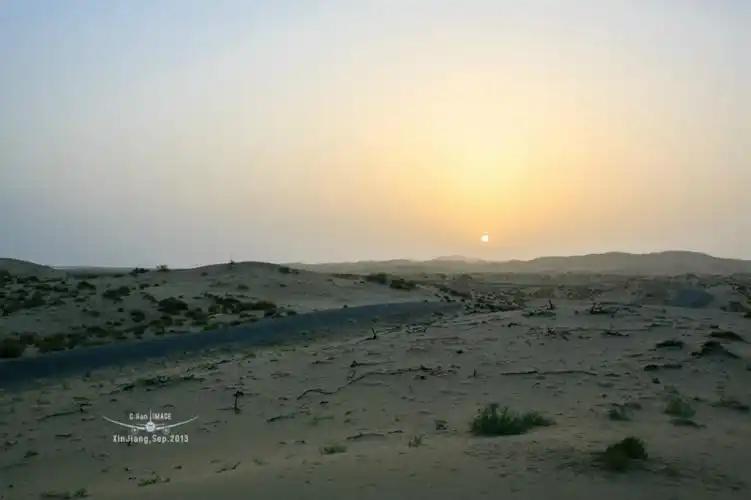
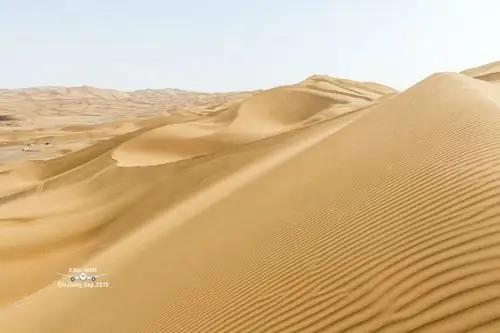
- Days 20 to 21: Optional desert edge trip toward the Tarim, then fly home via Urumqi.
Frequently asked questions
Is 21 days too long for Xinjiang? No. We filled every day and still left the eastern Hami area and parts of the deep south for a future trip. If anything, three weeks is the minimum for a genuine north-and-south loop at a humane pace.
Can I do this loop independently? Yes, we largely did, mixing hired cars, flights and shared taxis. Some travellers prefer a driver-guide for the mountain and border sections, which is reasonable given the checkpoints.
How much should I budget? For two people we spent roughly 30,000 RMB over 21 days, not counting the flights to reach the region. Transport and northern guesthouses were the biggest costs.
Do I need permits? The standard loop we describe did not require special permits beyond carrying a passport, but rules change, so confirm the current situation before booking the Pamir leg.
A note on accuracy
This account reflects our own trip in autumn 2025. Prices, road openings, flight schedules and entry rules in this region change often and sometimes without much notice. Treat the numbers here as a realistic guide rather than a guarantee, and always verify current conditions with local operators and official sources before you commit money or dates.
About the author: Marianne Vos is an independent travel writer based in Utrecht who has spent more than fifteen years covering overland routes across Central Asia and western China. She travelled this full Xinjiang loop with her husband over 21 days in September and October 2025, paying her own way and accepting no sponsored stays or tours. She writes to help other independent travellers plan realistic trips.