Published: 1 October 2026 | Author: Karl Huang
Most travel writing about Turpan stops at the Grape Valley ticket gate. We went back three summers to understand what happens behind it, because the real event is the Turpan grape harvest: the weeks when the basin’s vines are stripped, weighed and carried into the drying houses. Time a visit to the picking and you taste grapes still warm from the vine that never reach a shop, and you see an oasis economy do its single most important job of the year.
This piece comes from those trips and from talking with growers in the villages west of the city. It is not a sightseeing list, but a field note on when the sweetest batches actually ripen, which varieties are worth hunting for, and how to plan a harvest trip without getting cooked or crowded out.
| Item | What we found |
|---|---|
| Where the vines grow | The Grape Valley and the village belts west of Turpan city, plus Shanshan county to the east |
| Main harvest window | Late July through early October, peaking in late August and September |
| Star variety | Wuhebai (Thompson seedless), the backbone of both the table and raisin trade |
| Best weeks to visit | Late August to mid September, when most bunches are on the vine and the heat eases |
| Getting in | Lanxin high-speed rail from Urumqi (about one hour) or a flight to Turpan Jiaohe Airport |
| What to buy | Fresh seedless by the kilo at the vineyard gate, and raisins dried in the lattice houses |
The harvest at a glance
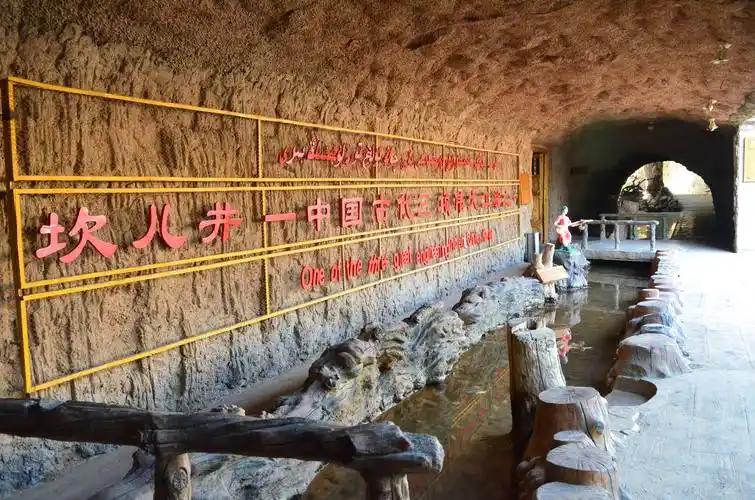
Turpan sits in a closed basin that drops to roughly 154 metres below sea level at Aydingkol Lake, and in summer it is one of the hottest, driest places in China. The heat builds sugar, the dry air stops rot, and a network of underground channels called the karez carries Tianshan snowmelt to the fields without losing it to evaporation. The result is a harvest that starts earlier and finishes later than almost anywhere else in the region.
Why the Turpan grape harvest window matters more than the festival date
The annual grape festival gets the publicity, but the festival is a moving target. It is usually staged in the third or fourth week of August, tied to peak picking, and the exact dates shift from year to year. We treat the festival as a signal, not a schedule. What matters is which variety is ripe that week, and that changes by the bucketload between July and October.
If your goal is the sweetest eating grapes, aim for late August through September. If you want the drying houses filled and the raisin trade at full tilt, stay into September. If you want long sunny days and fewer tour buses, the first week of October is quiet and still warm. We once built a trip around the festival weekend and found the village lanes jammed; the following week, with the same grapes on the vine, we had the rows to ourselves.
What we found in a Turpan vineyard at the end of August
On our second trip we were invited to help at a small plot in a village west of the city. The grower handed us scissors and pointed at a row of seedless vines. The bunches hung at shoulder height and snapped off with a soft pop. He told us to taste as we went, which is how we learned that a grape picked at 08:00 and one picked at noon are not the same fruit. The morning bunch was crisp and mildly sweet; by midday the same vine gave something heavier and almost syrupy. That morning rewired how we think about “fresh”.
Nobody paid us, and we were not hired labour. The dealing was simple: you help, you eat, you buy a box on the way out. You find it by arriving, asking, and being willing to stand in the heat.
How the season actually runs: from the first red grapes to the late muscats
The ripeness ladder is slack, not a single date. The earliest table grapes, soft thin-skinned local types like Manizi, start coming off in late July. The workhorse Wuhebai seedless follows through August and September and is what you see piled at every roadside stall. Red Globe and other firm red table grapes overlap it and ship better, reaching city markets across China. The aromatic muscats, smaller and perfumed, are the late act, sometimes hanging until early October. We keep a note of this ladder because it tells you what to ask for: in July, the early sweets; in September, the seedless by the crate; in October, the muscat.
The Xinjiang harvest calendar covers the wider region’s ripening order, but Turpan leads it. Its heat pushes the basin a week or two ahead of the cooler oasis towns, which is why the first really good eating grapes of the Xinjiang season often come from here.
The grape festival and why we arrived a week late on purpose
The Turpan Grape Festival is genuinely fun if you like music, dancing and long tables of free fruit, and it draws domestic tour groups in numbers the quiet villages do not see the rest of the year. We went once for the atmosphere and once skipped it for the vines. Both were right calls for different trips. If you want photos of costumed performances and a crowded, happy bazaar, aim at the festival. If you want to watch an actual harvest without a loudspeaker, come the week after.
One honest note: the festival is a city event, but the picking happens in the fields regardless. You do not need the festival to see grapes being cut; you need the right week and a willingness to leave the ring road.
Where you can actually watch or join the picking
The easiest place to see vines up close is the Turpan Grape Valley, where demonstration vineyards and old mud houses sit among shaded trellises. It is tourist facing, but in harvest season you see real cutting and real drying racks, not a stage set. There you watch from the lane, or you ask a grower, as we did, and sometimes you are handed scissors.
Formal “pick your own” operations are rare, and the fruit-picking farms piece looks at the few agritourism spots across the oases that let visitors into the rows. Turpan’s version is looser: permission earned by showing up, not a ticket bought in advance.
Buying grapes and raisins at their peak
Buy at the vineyard gate if you can. A grower will open a crate, let you taste, and name a price far below a city supermarket. Roadside stalls along the 312 highway west of the city are the next best, especially in the morning before the heat. The Turpan bazaar sells both fresh and dried, and the dried stalls show the full range, from green seedless to the small aromatic ones that barely travel.

Raisins keep for months in a sealed jar away from light and travel home in checked luggage without trouble. We have brought Turpan raisins back to coastal China and found them unchanged three months later, which is the whole point of the drying method.
The drying houses: how a grape becomes a raisin
This is the part most visitors miss. Scattered through the villages are the langfang, mud-brick towers with lattice walls that look like oversized dovecotes. Bunches of seedless grapes are hung on racks inside, and the hot, dry wind does the rest over roughly thirty to forty-five days. No oven, no sugar, no preservative. The green raisin you buy in a Urumqi shop most likely spent a month in one of these towers outside Turpan. Seeing a house being loaded in early September, when the racks are full and the air smells faintly of fermenting sugar, is a better souvenir than any postcard.

Eating through harvest season on the oasis
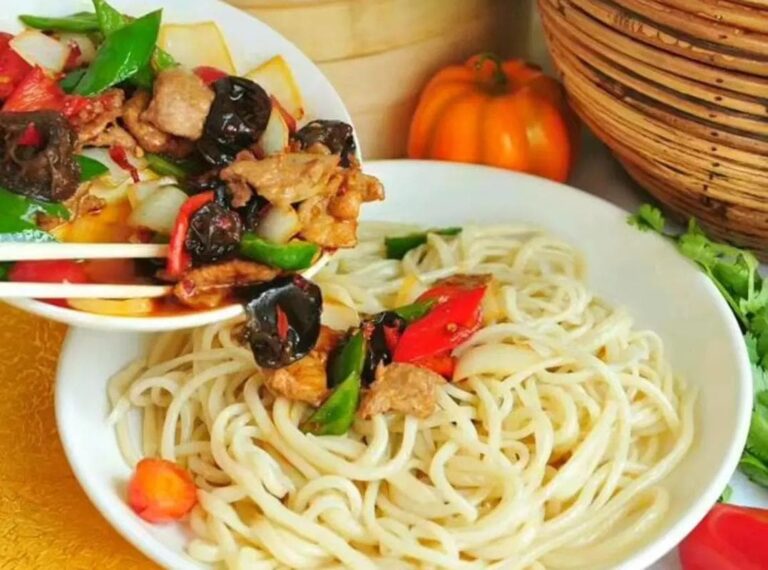
You will not go hungry. The baseline is lamb kebabs, banmian noodles pulled to order, and plov with local raisins folded into the rice. The grape itself shows up as fresh snacking, as juice, and as museles, a thickened grape drink with a long local history that you either like immediately or leave alone. We liked it, then paced ourselves, because it is stronger than it looks.
During harvest the fruit is so cheap and so good that we stopped ordering dessert and just ate grapes. A kilo of seedless at the gate cost less than a city bottled drink, and it was sweeter than anything we bought all year.
Reaching Turpan when the grapes are in
The practical way in is the Lanxin high-speed line from Urumqi, about an hour. Flying to Turpan Jiaohe Airport works but has fewer flights, and driving lets you loop the basin at your own speed. The Flaming Mountains sit at the edge of the vineyard country and make a useful landmark. Whatever you choose, arrive in the evening. Summer days here run past 40 degrees, and the vines are cut at dawn so the fruit is not baked before it reaches shade.
Basing yourself for a harvest trip
Turpan city has the most hotels and the easiest food, within a short drive of every vineyard belt. The Grape Valley has a few guesthouses if you want to wake up among the trellises, though they book out in August. Shanshan, to the east, is quieter and closer to its own vineyards; we use it as a calm base when the city feels busy. Pick one base and make day trips; no vineyard is more than an hour from the city.
Small things that make a harvest trip smoother
Carry more water than feels necessary, because the dry heat hides how much you sweat. Wear a hat and closed shoes, since the village lanes are gritty. Ask before entering any row that is not a demonstration plot; most growers are friendly, but a vine loaded with ripe fruit is someone’s income. Bargain at the bazaar with a smile, and do not expect card payment at a gate stall.
If you are sensitive to heat, copy the locals: work before ten, rest through the afternoon, and move again after six. The harvest is a dawn trade, so should your visit to it.
One day we spent among the vines
Our best harvest day ran like this. We left the city at 07:30 and reached a village west of town, then spent two hours cutting and tasting with a grower who refused to let us leave empty handed. We ate noodles in his yard at ten, then retreated to the trellis shade as the temperature climbed. At three we walked to a drying house being loaded and watched racks disappear into the lattice dark. We drove back at six, stopped for a crate of seedless, and ate most of it that night. No landmark ticket, no crowd, just the working edge of an oasis. That is the harvest we came for.
Questions people ask about the Turpan grape harvest
What is the single best week? Late August to mid September. The seedless is at its peak, the drying houses are filling, and the worst of the July heat has eased. If you want muscats specifically, slip into early October.
Can I really pick grapes myself? In the Grape Valley demonstration plots, yes, within limits. In the villages, only by asking and being invited. There is no bookable “pick your own” product, so treat any picking as a gift of permission rather than a right.
Are the grapes safe to eat unwashed? We ate them straight off the vine for three summers without trouble, but the basin’s dust is real. A rinse at your guesthouse is the cautious move, and it does not hurt the flavour.
How long do the raisins keep? Sealed and out of light, many months. They are the most travel-friendly souvenir from the region.
Is the festival worth planning around? For atmosphere, yes; for the harvest itself, no. The picking happens with or without it, and the quieter weeks after are better for watching real work.
Karl Huang is a Xinjiang-based travel writer who has spent three harvest seasons in the Turpan basin, from the vineyard rows to the drying houses. He writes from fruit he actually tasted, lanes he actually walked, and prices he actually paid, not from brochures.