Published: 02 September 2026 | Author: Karl Huang | Last updated: 02 September 2026
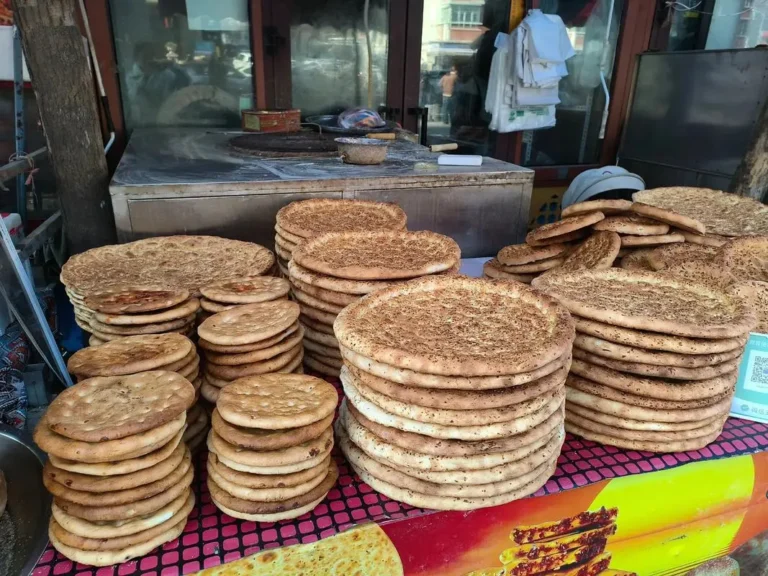
Pick-your-own farms in Xinjiang sound simple until you try to book one. I learned this the slow way. In 2017 a polite English email to a Turpan vineyard got nothing back. In 2019 I asked a hotel manager in Urumqi to phone a vineyard family in Putaogou. That worked. We slept on a felt carpet under a grape trellis for two nights, ate bread the family had baked that morning, and helped lift crates into a refrigerated truck. The grandmother served yogurt thicker than any I had eaten before with crushed walnuts from her own tree, and we paid cash on the way out — nothing asked in advance. Almost everything here happens through a phone call, a WeChat message, or a driver who knows the right cousin.
| Region | Peak picking window | Crop | How access usually happens |
|---|---|---|---|
| Turpan basin (Putaogou, Shanhe) | 20 Jul – 20 Sep | Thompson Seedless grapes, melons | Driver referral; ask any Turpan hotel |
| Korla and Luntai county | 15 Aug – 5 Oct | Korla fragrant pear, late apples | Pre-arrange via Bayingol hotel |
| Hotan and Yutian (Keriya) | 5 Sep – 15 Oct | Pomegranate, walnut, jujube | Working groves, not attractions |
| Ili Valley (Yining, Xinyuan, Nilka) | 15 Jun – 10 Aug | Apricot, cherry, apple, honey | Apple and honey farms cluster around Xinyuan |
| Kashgar area (Atush, Shufu) | 10 Jul – 30 Sep | Fig, melon, mulberry, peach | Often combined with a homestay in the old city |
What “agritourism” actually means here
Set the Western idea of pick-your-own aside before you arrive. There is no ¥50 entry fee, no painted barn sign, no wagon ride. You will find a working courtyard, often three or four generations deep, that may or may not want visitors this week. The host family runs the orchard commercially. They sell the fruit to a wholesale buyer who sends a refrigerated truck from Urumqi or Korla twice a week during the peak. If you happen to be in the courtyard during a load-out, you may end up stacking plastic crates for two hours. That is the real exchange. You are a guest, and the economy runs on social ties — closer to the Uyghur courtyard homestay tradition than to anything in the agritourism brochures.

Where the working orchards are
Five regions produce most of the fruit you can pick as a visitor. Turpan basin is the lowest and hottest; grapes headline (see our Turpan grape valley guide), picking runs late July through late September, fed by karez wells running between the trellises. Korla sits six hours down the G3012 or a one-hour flight; pear orchards extend for tens of kilometres (background in our Korla gateway guide), pears ripen mid-August into early October. Hotan and the southern oases are three days further south; pomegranates and walnuts dominate (see our Hotan itinerary). Expect routine ID checks at highway junctions — this is a politically sensitive border region. The Ili Valley is wetter, greener, cooler; apricots headline late June to late July, then cherries, then apples mid-August through mid-September (orient with our Yining travel guide). The Kashgar basin is famous for dried figs, melons, and mulberries (see our Atush figs guide); picking runs mid-July into late September.
What a farm stay day looks like
Days follow a predictable rhythm. In the Turpan vineyards and most southern oasis farms, work begins around 05:30 in summer and the first break runs from 10:00 until roughly 14:00 when the heat peaks. Picking resumes in late afternoon and continues until dusk. In Ili the cooler weather is more flexible: pick from 07:00 to 19:00 with a long lunch, or join a single morning session and walk the village in the afternoon.

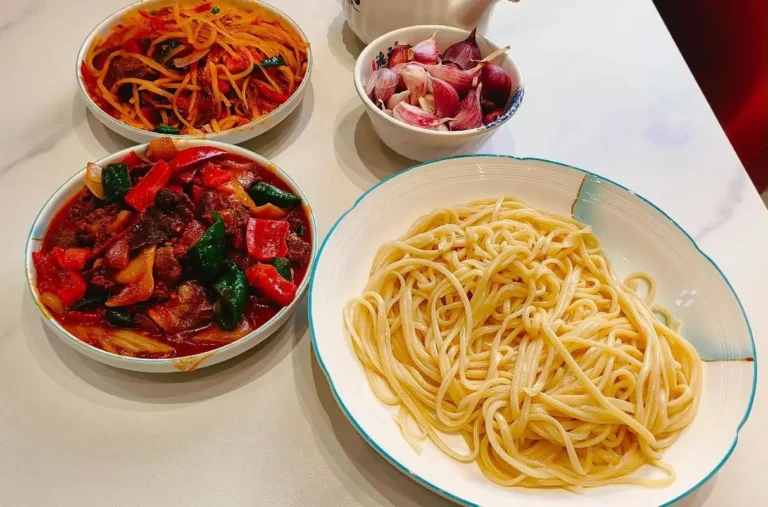
Meals sit at the centre of the day. Breakfast is bread, yogurt, tea, sometimes eggs. Lunch, served around 13:30, is the main meal: rice with lamb and carrots (polo), noodles in broth (laghman), or hand-pulled pancakes with tomato-egg sauce. Dinner is lighter, around 21:00. Evenings are quiet — dried fruit, nuts, sometimes watermelon in late August, and a thermos of brick tea. Bring earplugs: roosters, mosque loudspeakers, and dogs run on different clocks.
How to actually book a Xinjiang fruit picking farm
After eight years of trying different routes, here is the order I would use if I were planning from scratch in 2026: ask your hotel first (the manager or owner — not the front desk clerk; mid-range hotels in Turpan, Korla, Kashgar, and Yining have working relationships with orchard families and will phone for you); use a local driver; try WeChat direct (a few homestay hosts accept bookings from foreign visitors with a temporary account set up before arrival); avoid random “agritourism” websites (almost none of the listings on Chinese-language platforms actually represent the farms they advertise). Last-minute drop-ins can work too — ask in simple Mandarin whether you can help for an hour and the worst answer is usually “not today, come back tomorrow morning.”
Book at least 48 hours ahead during the peak of August. Two weeks ahead is safer for longer stays.
What it costs and how to pay
Fruit picking itself is rarely charged for — the family sells to a wholesale buyer and what you pick comes off their commercial allocation. The actual price is the room and the meals. Across 2024 and 2025 I have seen these ranges for an overnight farm stay including dinner, breakfast, and a shared sleeping room: Turpan courtyard ¥180–¥350 per room, Korla pear farm ¥220–¥400, Ili Valley apple orchard ¥300–¥500, Hotan pomegranate farm ¥150–¥300. Meals are sometimes included, sometimes ¥40–¥80 per person per meal. Cash is the most reliable payment. Plan to carry enough cash for two to three days.
Etiquette in a working courtyard
The unwritten rules, repeated across our visits: always remove shoes at the door and step onto the carpet or felt platform; avoid pointing the sole of your foot at a person, a prayer mat, or food; refuse the first offer of tea or food politely and accept the second (the first is a politeness, the second is the real one); do not eat pork or bring alcohol onto the premises (almost all host families in Turpan, Kashgar, and Hotan are Muslim and follow halal practice); ask before photographing people, even at the orchard gate; aid in the work, even a little. The single most common mistake is treating the farm like a tourist site. It is the host’s home and workplace.
Getting to the oases
Most orchards sit between 90 minutes and four hours from the nearest commercial airport. Turpan Jiaohe, Korla, Hotan (or Yutian / Keriya), and Yining are all served by direct flights from Urumqi. Self-driving is possible but the distances are long; our self-drive planning guide covers the route basics, and our rental logistics piece walks through the paperwork. For most visitors, the easier pattern is fly in, hire a driver locally for the orchard days, and use the rest of the time for the regional city. There is no good public transport into the orchards themselves.
When to go
If you have flexibility, the cleanest window for a southern Xinjiang farm stay is the second half of August through the first half of September — Turpan heat is past its worst, Korla pears are in full swing, Hotan pomegranates are just starting, and Ili apples are coming on. Late June and early July are excellent in the Ili Valley specifically (apricot and cherry season) but the rest of the oases are still months away from peak picking. October is too late for fresh fruit in the southern oases and just right for dried-fruit harvest in Kashgar and Hotan. Spring trips make sense for blossom viewing but not for picking; our cooking and craft workshops guide lists a few farm experiences that run in spring.
Where to stay on a farm loop
One night on a working farm, two nights in a city hotel, is a comfortable rhythm for a four- to six-day orchard tour. For longer stays, rotate between farms and try not to spend more than two consecutive nights in the same courtyard. If you would rather ease in with a family-style guesthouse that is professionally run, our courtyard homestay guide lists several that take foreign guests and have English-speaking staff. The bazaar culture guide is the right companion read for the southern oases.
What you will eat on a farm table
The food is the most underrated part of a farm stay. Three things to expect at almost every table in the southern oases: polo (lamb and carrot rice), laghman (hand-pulled noodles in broth or with tomato-pepper sauce), and a plate of fresh fruit that changes with the picking season. In Ili the table is closer to a Kazakh spread: boiled mutton, horse sausage, beshbarmak, butter and cream. Honey from the host’s own hives is common. Our cooking class guide lists family-run kitchens that accept short stays. If you end up buying more fruit than you can carry, the customs and fruit export guide walks through what you can take home by plane.
Practical tips before you commit
Foreign visitors must carry the passport at all times in Xinjiang; hotels will scan and retain a copy, and the family will usually write your name and passport number into a notebook for the local police station. This is normal. The main oasis cities have 4G and 5G; many orchard courtyards have weak signal. From mid-July to late August southern Xinjiang reaches 38–42°C in the afternoon; bring a wide-brimmed hat and accept the host family’s insistence that you rest indoors between 11:00 and 16:00. A small gift for the host family is appreciated — dried fruit or sweets from your home country, a printed photo from a previous visit, or a small bottle of fruit juice for the children; avoid alcohol entirely. Medical evacuation from a remote orchard to Urumqi is expensive, so make sure your travel insurance is generous.
A four-day oasis farm loop: Turpan to Korla
Day 1 — Urumqi to Turpan. Morning flight to Turpan Jiaohe (about 50 minutes). Check into a mid-range hotel. Afternoon at the Jiaohe ruins and the Emin minaret. Early night.
Day 2 — Turpan grape valley farm. Driver at 06:00; forty minutes later you are at the vineyard. Pick grapes until about 10:00, break indoors until 14:00, lunch with the family, afternoon picking until 18:00. Overnight in the courtyard under the trellis.
Day 3 — Korla. Three to four hours on the G3012 to Korla. Late afternoon walk along the Korla riverside park. Ask the hotel to pre-arrange tomorrow’s pear farm visit.
Day 4 — Korla pear orchard. Driver to a pear farm about 30 minutes outside the city. Pick, sort, and box pears until early afternoon, then return to Korla for lunch. Late afternoon flight back to Urumqi.

The same pattern works for Ili in summer or Hotan in late September: fly in, hire a local driver for the orchard day, sleep one night at the farm.
Frequently asked questions
Is a Xinjiang fruit picking farm stay safe for foreign visitors?
Yes, in practical terms. Farms in Turpan, Korla, Ili, Kashgar, and Hotan all host foreign visitors, and the host families are usually experienced with the paperwork required by the local police station. Bring your passport, follow the host’s instructions, and avoid photographing military or police installations. Travel insurance with medical evacuation is non-negotiable for the more remote farms around Yutian and the Pamir fringe.
Do I need to speak Mandarin or Uyghur?
Basic Mandarin helps a lot. Most hosts in the working orchards speak little English. A translation app covers most gaps. In Ili, Kazakh hosts may not speak either Mandarin or Uyghur; bring a phrase card or rely on a driver who knows the family. Children are welcome too — most families love hosting them; the farm work is light enough for ages six and up.
Disclaimer
This article is based on personal travel between 2017 and 2026 and on conversations with hosts, drivers, and a Korla pear trader. Prices, schedules, and picking windows change from year to year, and policies around rural visits in Xinjiang have tightened and loosened several times during that period. Always check current travel advisory guidance before booking a trip to remote rural areas. The author has no commercial relationship with any orchard, hotel, or tour operator mentioned in this article.
About the author
Karl Huang has been writing about slow travel in Central Asia since 2017, with a particular focus on the oases of southern Xinjiang. He has slept in orchard courtyards in Turpan, Korla, Yutian, Kashgar, and Xinyuan, and has been thrown out of one pomegranate grove in Hotan for photographing the wrong tree. He lives in Shenzhen and travels north when the southern oases are in season.