Published: August 14, 2026 | Author: Karl Huang
Why you can trust this guide
Xinjiang food customs rules trip up more travellers than almost any other part of the trip. On my first visit I packed a suitcase with fresh Turpan grapes, certain they would make a good gift in London, and watched them get thrown out at Heathrow within minutes of landing. Since then I have carried raisins, dried apricots, walnuts and red dates out of China on at least six trips, through airports on three continents, and I have learned that the real rules are less about what China lets you take out and far more about what your home country lets you bring in. This guide mixes those hard-won lessons with the official biosecurity pages from the US, Australian, UK and EU authorities, so you can shop the bazaars with confidence and actually get your snacks home.
Xinjiang food customs rules at a glance
Before the detail, here is the short version. China places almost no restriction on taking commercially processed dried food out of the country. The country that matters is the one you land in. Most destinations ban fresh fruit outright and treat nuts and seeds with suspicion unless they are processed, sealed and declared.
| Item | Usually allowed (declare it) | Often banned | What we do |
|---|---|---|---|
| Raisins / dried grapes | Yes, vacuum-sealed retail pack | Fresh grapes | Buy sealed bags at the bazaar |
| Dried apricots | Yes, commercial pack | Fresh apricots | Check for added sulphites if allergic |
| Walnuts, almonds (shelled, roasted) | Usually yes | Raw in-shell nuts in AU/NZ | Shelled and roasted is safest |
| Red dates (jujube), dried | Yes | Fresh dates | Light and easy to carry |
| Pine nuts | Yes if processed | Raw in-shell | Keep the receipt, they are pricey |
| Melon / sunflower seeds | Declare; often OK | Any with soil or husk | Never carry loose soil |
| Any fresh fruit | No | Almost everywhere | Eat it while you are here |
What I learned carrying dried fruit home
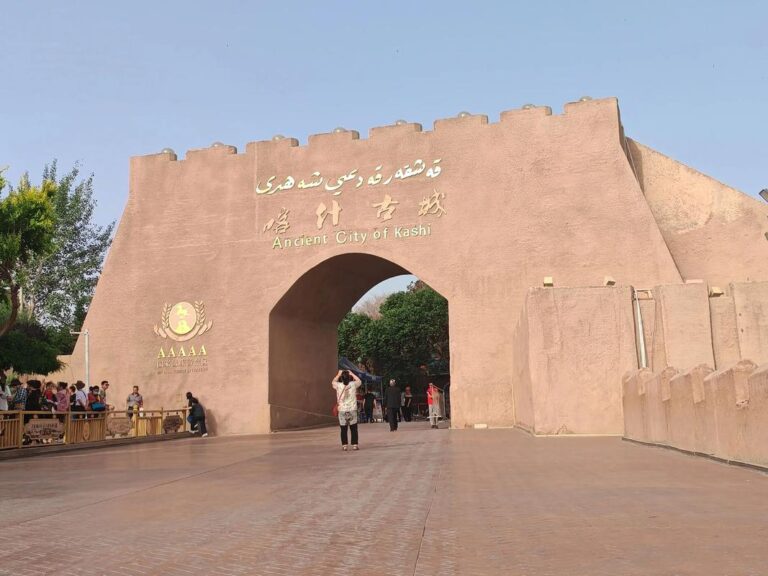
The moment it really clicked for me was a cold November morning in Kashgar. I had bought two kilos of sultana raisins from a stall inside the old bazaar, after some brisk bargaining, each bag heat-sealed with a printed weight and a production date. At the Islam Karimov Tashkent airport connection the officer opened my bag, saw the raisins, asked one question about whether they were dried, and waved me through. The fresh apricots a fellow traveller had in a paper bag were another story: they went straight into the bin. Processed versus fresh is the line that decides almost everything.

On a later trip I flew Sydney-bound with shelled walnuts and dried red dates. Australian biosecurity is strict, but because every item was commercially sealed, listed on the incoming passenger card, and clearly processed, I paid nothing and lost nothing. The family ahead of me, carrying a bag of unshelled raw walnuts from a roadside stop, had theirs confiscated. The pattern is consistent: sealed and declared wins, loose and hidden loses.
Getting your purchases to the airport
Xinjiang is big, and bazaars are not next to the terminal. In Urumqi, the International Bazaar is a cheap taxi ride from Diwopu airport, and most regional airports have a sealed-bag rule for anything food-related in hold luggage. I keep dried goods in my checked bag, never in hand luggage, because liquid-free but dense items raise fewer questions in the cabin and the weight does not matter below. If you buy more than you can carry, our separate piece on shipping souvenirs home from Xinjiang walks through China Post and courier options, which can be cheaper than an extra suitcase once you pass 10 kilos.
Best time to buy and what is in season
Timing changes both price and quality. Turpan grapes are harvested from August to October, so raisins made that autumn taste best and cost least if you visit in late September or October. Dried apricots from the Ili and Tarim orchards peak after the summer harvest. Walnuts and pine nuts come in from September. Red dates are gathered in autumn and dried through winter. If your trip is in spring or early summer, the shelves are still full of last season’s stock, which is fine for customs purposes but a little drier in texture. I plan fruit-and-nut shopping for the back end of a trip so the bags sit in my room for as few nights as possible.
Where to base yourself for shopping
You do not need a special hotel, but location helps. In Urumqi I stay within reach of the International Bazaar so I can duck in on the last full day and buy once, avoiding the temptation to carry loose items for a week. In Kashgar the old city bazaar is walkable from most guesthouses. The one practical tip that matters: keep your purchases in a cool, dry spot. A sealed bag left on a hot car dashboard for two days can sweat and spoil, and a torn bag at the scanner means questions you do not want. Most checkpoints and ID checks on the road are about people, not produce, but a tidy sealed bag still makes every inspection faster.
What to buy: the souvenirs that survive the flight
My short list of things that reliably make it home: Turpan sultana raisins, dried apricots (unsulphured if you can find them), shelled roasted walnuts, dried red dates, and Xinjiang pine nuts. All are processed, all travel well, and all are distinct enough that friends notice the difference. Skip fresh melon, fresh grapes, and anything still in raw shell unless you have checked the exact rule for your destination. If you want a food gift that is never a customs problem, Uyghur naan and vacuum-packed halal shelf items are safe bets too.

How to pack and declare without trouble
Four habits have saved me every time. First, buy from a shop or stall that heat-seals the bag and prints a date; supermarkets in Urumqi and Kashgar do this and the seal reads as “commercial” to an officer. Second, keep every receipt in a small envelope, both for value proof and because some countries ask what you paid. Third, declare everything on the incoming passenger card even when you think it is allowed. “I have dried fruit, sealed, declared” is a sentence that ends conversations; “I forgot” starts them. Fourth, learn the exact list for your country before you fly, because rules shift and an officer applies the current one, not last year’s.
- United States: the USDA APHIS site lists most tree nuts as allowed if roasted and shelled, while fresh fruit from China is generally prohibited. Declare all food on the CF-6059 form.
- Australia and New Zealand: declare all food. Commercially packaged dried fruit and nuts are often allowed; fresh and in-shell raw items are usually banned. Biosecurity fines for non-declaration are steep.
- United Kingdom and EU: dried, processed fruit and nuts for personal use are generally admitted; fresh fruit and certain seeds are restricted under plant-health rules. Declare on the red channel.
Official sources beat any blog post, including this one, so check the agriculture or customs page of your destination before you pack.
A half-day bazaar plan
If you have one free morning in Urumqi, here is the loop I use. Start at the International Bazaar around 10am, when stalls are fully open and the light is good for photos. Spend an hour on dried fruit and nuts, asking each vendor to heat-seal and date the bag. Walk to a nearby supermarket for backup sealed packs of red dates and pine nuts. Eat lunch at a naan and kebab stall (Alipay works fine if you set it up ahead). Back at the hotel, lay everything out, check seals, and tuck receipts into your passport wallet. That is the whole job, and it takes less than half a day.
FAQ
Can I take fresh Xinjiang grapes home? Almost never. Fresh fruit is banned by the US, Australia, NZ, the UK and the EU, and China does not stop you leaving with it, so the loss happens on arrival. Eat them there instead.
Are raisins allowed? Yes in most countries if they are dried and commercially sealed. Declare them. The single exception is if your destination lists a specific pest concern, which is rare for processed raisins.
Do I need the original packaging? Strongly recommended. A printed ingredient list and production date make an officer treat the item as retail food rather than loose agricultural product.
What about Xinjiang almonds and walnuts? Shelled and roasted versions clear most borders. Raw in-shell nuts are refused by Australia and New Zealand, so buy them processed if those are your destinations.
Is it cheaper to ship than carry? Past about 10 kilos, yes. Our guide to visa-free transit and the shipping piece linked above cover the logistics.
Disclaimer
This article is based on the author’s personal travel experience and a reading of public biosecurity guidance current as of mid-2026. Customs and agriculture rules change without notice and differ by port of entry, traveller status, and country of residence. Nothing here is legal advice. Always confirm the latest rules with the official customs or agriculture authority of the country you are entering before you buy or pack food, and declare all items honestly on your arrival card.
About the author
Karl Huang is a travel writer who has spent several seasons across Xinjiang, from the Urumqi bazaars to the Kashgar border towns. He focuses on practical, first-hand guidance for independent travellers and contributes to Xinjiang Attractions, a site covering routes, food and border logistics for visitors to the region.