Published: August 26, 2026 | Author: Karl Huang
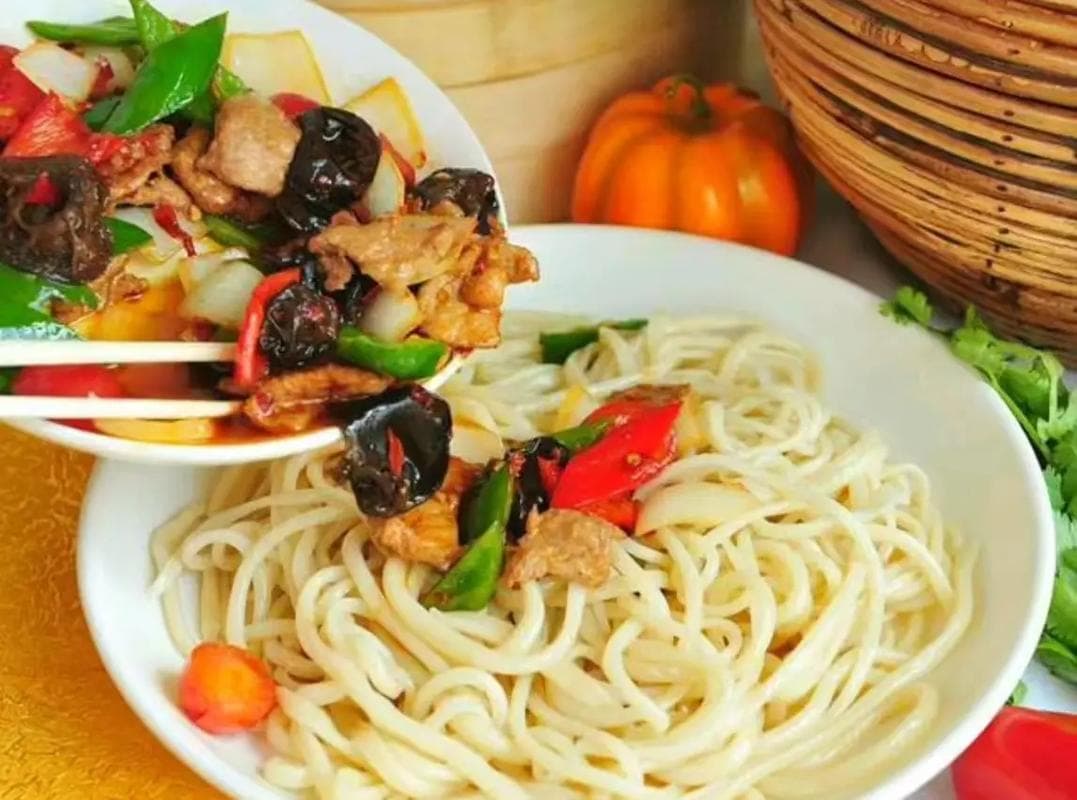
Most visitors plan a Xinjiang trip around the mountains, the lakes, and the long drives, and then get blindsided by the food. For me the dish that did it was the plainest one on the table: liangpi (凉皮), a pile of cold wheat noodles dressed in garlic vinegar and chili oil. If you eat only one cold dish in the region, make it this one. After a dozen trips and far too many failed attempts to copy it at home, here is a straight account of what liangpi Xinjiang-style actually is, where to find a good bowl, and when it tastes best.
Quick Reference: Liangpi at a Glance
| Detail | What to Expect |
|---|---|
| What it is | Cold wheat-starch noodles, served at room temperature with a wet sauce |
| Where you find it | Hui (回族) and Han cold-dish shops, especially in Urumqi, Kashgar, and Yining |
| Typical price | 8–15 RMB per bowl (2024–2025 street prices) |
| Best season | June to August, when a cold plate beats hot food |
| Spice level | Adjustable; chili oil is added on request, not always by default |
| Vegetarian? | Usually yes, though some shops add gluten (面筋); confirm if strict |
My First Real Bowl of Liangpi
I had eaten liangpi before in Xi’an, but the Xinjiang version caught me off guard on a July afternoon in Urumqi. The temperature outside was pushing 34°C, and a small Hui-run shop near the Hui communities of Xinjiang quarter had set up plastic stools on the sidewalk. The owner pulled a sheet of firm, grayish noodles from a stacked tray, cut it into ribbons with a cleaver, and drowned it in a bowl of cloudy liquid that turned out to be garlic water and black vinegar. Then came a spoon of red chili oil that smelled like toasted peppers, not heat for its own sake.
What I remember is the texture. The noodles had a bite that pasta loses, and the sauce clung without turning soupy. I finished the bowl in about ninety seconds and immediately ordered a second. That is the thing about liangpi: it looks humble and eats like a reset button.
Where to Find Liangpi in Xinjiang
You will not find liangpi on the menu at big tourist restaurants. It lives in three places:
- Hui cold-dish counters – the most reliable. Look for shops with 凉皮 or 酿皮 written on the window, often next to 凉菜 (cold dishes).
- Night markets – the stalls around the century-old teahouses in Kashgar and the evening lines near Urumqi’s bazaar both serve it.
- Snack streets – in Yining and Korla, early-evening rows sell it by the plate.
If a shop also sells Xinjiang’s other noodle dishes, that is usually a good sign the liangpi is made in-house rather than thawed from a factory pack.
Best Time to Eat Liangpi
Liangpi is a summer food by instinct. The dish is served cold on purpose, and the vinegar-garlic lift makes sense only when the air is heavy. From June through August you will see it everywhere; in deep winter many shops drop it from the menu or keep it as a side. If your trip is in December, do not hunt for it specially. If you are traveling in July, eat it at least twice.
Where to Stay for the Food Crawl
You do not need to plan a trip around liangpi, but staying within walking distance of a night market saves the hassle. In Urumqi, hotels around the International Bazaar put you a ten-minute walk from several Hui snack rows. In Kashgar, the old city guesthouses put the teahouse district and its side stalls at your door. Book a place with a 24-hour front desk if you plan to graze late; night-market liangpi often appears only after the sun goes down.
What to Order Alongside Your Liangpi
Liangpi rarely comes alone. At a typical cold-dish counter you build a tray:
- Miànjīn (面筋) – the chewy gluten puffs that soak up sauce. Order extra if you like texture.
- Huángguā (黄瓜) – shredded cucumber for crunch and a cool contrast.
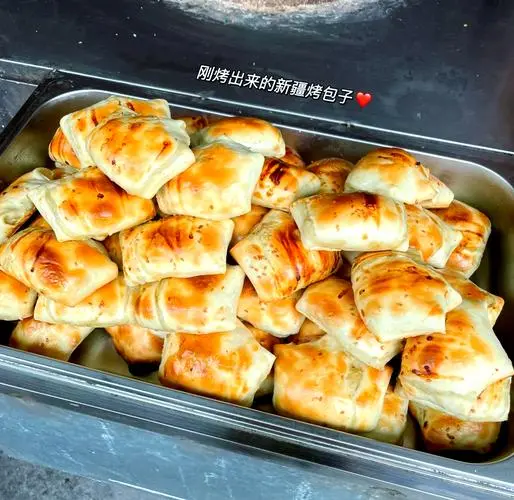
- Roasted buns or naan – something dry to balance the wet noodles.
- A cold beer or suanmeitang (酸梅汤) – the local sour plum drink cuts the chili oil better than water.
Practical Tips for Ordering
- Ask for less oil if you are spice-shy. Say “shǎo là” (少辣). The chili is aromatic, not always mild, and some shops pour generously.
- Watch the cut. Hand-cut ribbons (shǒuqiē) cost a little more and taste firmer than machine-cut strips.
- Eat it within five minutes. The noodles soften as they sit in the sauce. A bowl left for twenty minutes turns to mush.
- Cash helps at small stalls. Big shops take Alipay; sidewalk counters may not have a reader.
- Check the prep situation. The better shops work in view. If the cutting board looks clean, the bowl usually is.
A Half-Day Liangpi Crawl (Sample Itinerary)
If you want to make an afternoon of it in Urumqi:
- 4:00 PM – Arrive at a Hui quarter snack street; order one plain liangpi to calibrate the sauce.
- 4:45 PM – Walk to a second shop two blocks away and try the 麻酱 (sesame-paste) version for comparison.
- 6:00 PM – Settle into a teahouse, order a cold dish spread, and let the chili oil settle.
- 7:30 PM – Finish at the night market with a final bowl and a roasted bun.
Frequently Asked Questions
Is liangpi the same as laghman or banmian?
No. Laghman and banmian are hot, hand-pulled wheat noodles served in a warm sauce or stir-fry. Liangpi is cold, made from settled starch rather than pulled dough, and dressed after cooking. They share wheat but taste nothing alike.
Is liangpi vegetarian?
Usually. The base is wheat starch, vinegar, garlic, and chili. Some shops fold in gluten (面筋), which is still plant-based, but a few add a scrape of meat jelly, so ask if you avoid all animal products.
How spicy is it really?
The chili oil is more fragrant than punishing in most Xinjiang shops, but portions vary. Order “shǎo là” to dial it back, or “duō là” (多辣) if you want the full version.
Can I find it outside the big cities?
Yes. Any county with a Hui population has at least one counter. Smaller towns may only serve it in summer, so timing matters more than location.
Disclaimer
Prices, shop names, and opening hours in this article reflect the writer’s own visits and can change without notice. Spice tolerance and food safety standards vary by person; if you have allergies or a sensitive stomach, ask about ingredients before ordering. This guide is for trip planning only and is not a substitute for local advice or medical guidance. Always confirm current conditions on the ground.
About the Author
Karl Huang is a travel writer who has spent the last several years documenting the food and routes of China’s northwest. He focuses on first-hand accounts from small shops and side streets rather than hotel restaurants, and his work on Xinjiang’s regional dishes aims to help independent travelers eat well and travel safely.