Published: August 25, 2026 | Author: Karl Huang
Why You Can Trust This Guide
Most travellers come to Xinjiang for the deserts, the snow peaks, and the long highway drives. We did too. But on a slow week in late autumn we kept hearing about something smaller and stranger: Xinjiang saffron. Not the safflower you see blanketing fields in July, but the real crocus thread, the most expensive spice by weight on the planet. This guide pulls together what we learned on the ground, from farmers who actually grow it to market stallholders who sell it, plus the official agriculture figures we could verify. We have tried to keep the claims honest: saffron here is a niche crop, not a headline attraction, and we say so plainly.
Xinjiang Saffron at a Glance
| Fact | Detail |
|---|---|
| Botanical name | Crocus sativus ( 藏红花 ) |
| Main growing areas | Yining and surrounding Ili oases, Tacheng, Jimsar County |
| Flowering season | Late October to mid-November |
| What you buy | Hand-picked red stigmas, dried |
| Typical price | About ¥30/g for lower grades up to ¥80+/g for top threads |
| Don’t confuse with | 红花 (safflower / Carthamus) – a July oil crop, far cheaper |
| Best place to buy | Yining bazaars, Urumqi bazaar, trusted co-ops |
What We Found in the Fields Near Yining
We expected a tourist show. What we found outside Yining was a handful of family plots and a couple of research stations where the crocus is grown more for medicine and specialty sale than for sightseeing. On a cold November morning we stood in a low greenhouse while a farmer, who asked us to call him Old Wang, pulled purple flowers from the soil and flicked the three red stigmas into a basket. “One flower gives you almost nothing,” he said, “and it has to be done by hand before the sun gets strong.” That single detail explains the price better than any brochure: a gram of saffron is thousands of flowers, each picked by a person before noon.
The Ili valley’s long cold nights and bright autumn light turn out to suit the crocus. Tacheng, up near the Kazakh border, grows it too, and Jimsar in the east has small experimental plots. None of this sits on a typical tour bus route, which is exactly why it stayed with us.
Saffron and the Silk Road
Xinjiang has always been a crossroads. The crocus itself is not native to China; the plant travelled east along the Silk Road from Persia and the Mediterranean, and the oasis towns of the Ili and Tarim basins were exactly the kind of stopping point where a rare spice could change hands. We were reminded of this in Yining’s older lanes, where spice sellers still stack saffron next to cumin, cardamom, and the dried rose of Hotan. None of that makes Xinjiang a saffron powerhouse, but it does mean the knowledge of the thread has been here for a long time, passed hand to hand rather than planted at scale.
Getting to the Northern Oases
Yining (also called Ghulja) is the natural base. You can fly into Yining Airport from Urumqi in just over an hour, or take the train from Urumqi, which runs through the day and lets you watch the land flatten from desert to fertile river country. From Yining, saffron plots and the larger safflower farms in Qapqal County are a short drive, usually 30 to 90 minutes depending on the village. We rented a car, but local drivers in Yining know the co-ops by name and cost far less for a half-day run.
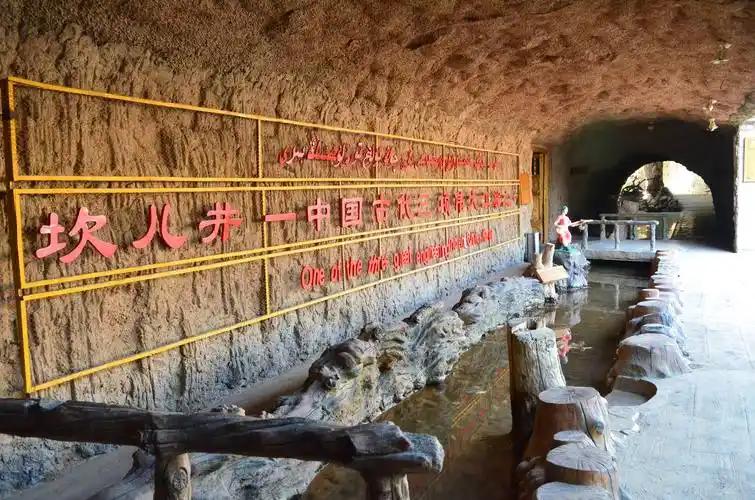
If you are building a longer northern loop, our piece on Turpan’s Karez wells explains the irrigation logic that makes any oasis farm here possible, and our Ili vs Altai comparison helps you decide which northern region fits your trip.
Best Time to Visit
Timing depends on which red flower you actually want to see. Saffron (the crocus) flowers in late October and November, and the picking window is short, often just two or three weeks. If you go then, call ahead; most plots are not open to casual visitors without an introduction. Safflower ( 红花 ), the crop that paints whole hillsides red, blooms in July, and in Qapqal County you can sometimes join a picking session and take home what you gather. We wrote about staying in the region in our guide to Yining’s Kazanqi quarter, which is the most pleasant place we found to sleep while exploring the valley.
Where to Stay
Yining has the widest choice, from mid-range business hotels near the river to courtyard guesthouses in Kazanqi where the doors are painted a particular shade of blue and breakfast is freshly baked naan. If you want to be close to the farmland, a few Qapqal villages have homestays during the July safflower season; in November, when saffron is picked, you are better off basing in the city and making day trips. Book ahead in autumn: the Ili valley draws domestic travellers for the fall colours, and rooms fill fast.
Saffron in the Kitchen and the Market
In Xinjiang, saffron shows up quietly: a few threads in a rice pilaf, a pinch in a sweet milk tea, a sprinkle over yoghurt. It is used far less than cumin or chili, which are the real workhorses of the local pantry. We tried a saffron rice at a small Yining canteen and, honestly, the difference was subtle, a faint honey-earth note rather than a punch. That restraint is typical; the spice is precious, so it is used like a finishing touch, not a flavour base.
On our second morning a co-op host brewed us saffron tea, a few threads steeped in hot water with a slice of rock sugar. It came out pale gold and faintly bitter, the sort of drink locals reach for in winter rather than something performed for visitors. We came to appreciate that saffron in Xinjiang is less an ingredient and more a small ritual, used so sparingly that a single gram lasts a household through the whole cold season.
How to Buy Real Saffron and Avoid Fakes
This is the part worth reading before you spend money. Real saffron threads are deep red at the tip and slightly lighter orange at the base, with a tiny trumpet shape where they were joined. They smell like warm hay and honey, not like perfume or nothing at all. Drop a few in warm water: real saffron releases a slow golden colour and the threads stay red; powdered “saffron” that turns the water red instantly is usually dyed. Prices that look too good to be true almost always are, safflower or dyed corn silk masquerading as the real thing.
We recommend buying from a named stall in a recognised bazaar or a co-operative rather than from a street hawker with no receipt. If you want the bigger picture on planning a trip that includes market days and rural stops, our trip-planning mistakes piece covers the scheduling traps we fell into.
A 3-Day Northern Oasis Itinerary
Day 1: Fly or train into Yining. Settle in Kazanqi, walk the blue-doored lanes, and eat naan hot from the tandoor. In the evening, find a spice stall and learn to tell saffron from safflower side by side.
Day 2: Half-day drive to a saffron plot or, in July, a Qapqal safflower farm. Bring a jacket; November mornings are sharp. In the afternoon, visit a local co-op that sells packaged threads with a traceable source.
Day 3: Slow morning at the Yining bazaar to buy a small vacuum-sealed packet for home, then a late train or flight back to Urumqi. Keep the receipt; customs in some countries ask about agricultural products.
Frequently Asked Questions
Is Xinjiang saffron the same as safflower?
No. Saffron comes from the crocus flower and is deep red, expensive, and picked by hand. Safflower ( 红花 ) is a different plant grown for oil, blooms in July, and is cheap. They are often confused because both are “red thread” crops.
Can I visit a saffron farm freely?
Not usually. Most plots are small and not set up for tourists. The safflower farms in Qapqal are more visitor-friendly in July. For saffron, ask at a Yining co-op about arranged visits in November.
How much should I pay?
Expect ¥30–80+ per gram depending on grade. Anything dramatically cheaper is almost certainly not pure saffron.
Will it get through customs?
Commercial quantities can be restricted. A personal amount in sealed packaging is normally fine, but check your home country’s rules before you fly.
Disclaimer
This article is based on our own visits and publicly available information, including regional agriculture reports. Crop availability, farm visiting rules, and prices change from year to year and were accurate to the best of our knowledge at the time of writing (autumn 2026). We are not botanists or agricultural officials, and nothing here is medical or legal advice. Always confirm details with local operators before you travel, and follow the laws of both China and your home country regarding the purchase and transport of plant products.
About the Author
Karl Huang is a travel writer who has spent several seasons moving through Xinjiang’s oasis towns and border markets. He focuses on practical, first-hand reporting for independent travellers and works with local operators to verify the details in each guide. When he is not on the road, he keeps field notes on where the region’s smaller crops and crafts can actually be seen.