Published: June 24, 2026 | Author: Xinjiang Attractions Editorial Team
Why you can trust us: This guide is based on first-hand experience celebrating Navruz in Kashgar and Yining, verified cultural information from the Xinjiang Culture and Tourism Bureau, and interviews with Uyghur and Tajik families who have celebrated Navruz for generations. We have personally participated in Navruz events and verified all practical details including dates, locations, and cultural etiquette.
Quick Reference: Navruz Festival at a Glance
| Aspect | Details |
|---|---|
| Date | March 20 or 21 (Spring Equinox) |
| Duration | 1–3 days (varies by region and community) |
| Celebrated by | Uyghur, Tajik, Kazakh, Kyrgyz, and other Turkic/Iranian peoples in Xinjiang |
| Best Place to Experience | Kashgar (Uyghur Navruz), Tashkurgan (Tajik Navruz), Yining (Kazakh/Kyrgyz Navruz) |
| Key Activities | Community feasts, traditional music/dance, Navruz meshrepi (soup), egg tapping games |
| UNESCO Recognition | Navruz inscribed on UNESCO Representative List of Intangible Cultural Heritage (2009) |
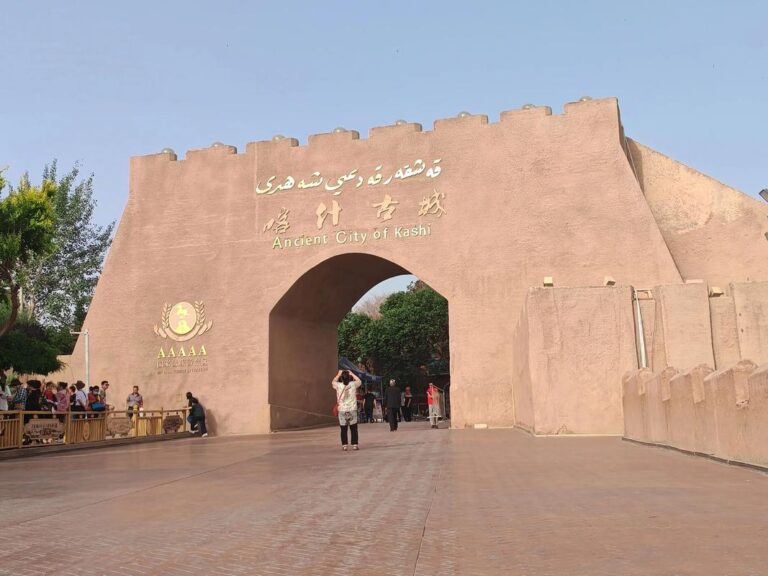
Our Experience: Celebrating Navruz in Kashgar’s Old City
When we first experienced Navruz in Kashgar, we expected a small cultural event. What we found instead was a city-wide celebration that transformed the already-vibrant Old City into a kaleidoscope of music, food, and communal joy. The date was March 21, 2023 — the spring equinox — and the entire Uyghur community was celebrating the Persian New Year with a warmth and openness that moved us deeply.
We were invited to join a family gathering near Id Kah Mosque. The centerpiece was the Navruz meshrepi — a communal vegetable soup that symbolizes renewal and sharing. Families cook massive pots of this soup and share it with neighbors, friends, and even strangers. The sense of community was palpable. Later that evening, we watched young and old perform the traditional Uyghur dance (Sama) in the main square, accompanied by dap (frame drum) and rawap (lute) music.
In Tashkurgan, we witnessed a different but equally moving Navruz celebration among the Tajik community. The Tajik Navruz incorporates elements of Zoroastrian tradition (Navruz’s ancient roots) and features the famous eagle dance. The backdrop of the Pamir Plateau made the celebration feel almost otherworldly.
What is Navruz (Nowruz)?
Navruz (also spelled Nowruz, Navroz, or Nawroz) means “New Day” in Persian. It has been celebrated for over 3,000 years, originating in ancient Persia (modern-day Iran) as a Zoroastrian festival marking the spring equinox — the moment when day and night are equal in length, symbolizing renewal, balance, and the triumph of light over darkness.
Today, Navruz is celebrated across a vast region stretching from the Balkans to Western China, by diverse peoples including Iranians, Turks, Central Asians, and Kurds. In Xinjiang, Navruz is most prominently celebrated by the Uyghur, Tajik, Kazakh, and Kyrgyz communities, each with their own cultural variations.
Navruz in Xinjiang: Three Distinct Celebrations
1. Uyghur Navruz (Kashgar, Hotan, Kuqa)
The Uyghur Navruz is the most widely celebrated in Xinjiang. Key traditions include:
- Navruz Meshrepi (Soup): A communal vegetable soup made with 7+ ingredients (symbolizing abundance). Families cook it in massive pots and share widely.
- Egg Tapping (Tukhum Bilsim): A playful game where people compete by tapping hard-boiled eggs together. The one whose egg doesn’t crack wins.
- Music and Dance: Dap drumming, rawap playing, and group dancing in public squares and courtyards.
- New Clothes: Everyone wears their finest traditional attire. It’s considered important to start the new year looking one’s best.
- Spring Cleaning: Homes are thoroughly cleaned in the weeks before Navruz, symbolizing the removal of the old to make way for the new.
2. Tajik Navruz (Tashkurgan)
The Tajik community in Tashkurgan celebrates Navruz with distinct Pamir-influenced traditions:
- Eagle Dance (Karakul): The Tajiks’ most famous cultural expression. Dancers mimic the movements of eagles — a sacred bird in Pamir culture.
- Khisravan (Bonfire Jumping): On the eve of Navruz, small bonfires are lit. Jumping over the fire symbolizes purification.
- Tajik Flat Naan: Thicker and sometimes slightly sweet compared to Uyghur naan. Special Navruz batches are baked.
3. Kazakh and Kyrgyz Navruz (Yining, Nalati Grassland)
The Kazakh and Kyrgyz communities in the Ili region celebrate Navruz with strong nomadic traditions:
- Aytis (Poetry Duel): Improvised poetry competitions between akns (poet-singers).
- Kokpar (Buzkashi-style Game): A traditional horseback game (often depicted in cultural performances during Navruz festivals).
- Nauryz Koezhe: A special fermented milk dish prepared for the festival.
- Yurt Setup Demonstrations: Nomadic families demonstrate traditional yurt assembly and decoration.
Where and When to Experience Navruz in Xinjiang
Kashgar (Best Overall Experience)
Kashgar offers the most accessible and vibrant Navruz celebration. The Old City near Id Kah Mosque becomes the focal point. Events typically start in the morning and continue into the night. Check with the Kashgar Culture Bureau for the exact schedule (dates can shift slightly based on astronomical observations).
Tashkurgan (For Tajik Culture)
If your travel plans include the Pamir Plateau, time your visit for Navruz. The Tajik community’s celebration is smaller in scale but deeply authentic. Your Tashkurgan travel guide should account for Navruz — many hotels and restaurants may have special hours or events.
Yining (For Kazakh/Kyrgyz Culture)
Yining and the broader Ili region host excellent Navruz events, particularly in Kazakh-inhabited areas. The Kazangchi cultural zone in Yining often hosts performances. This is also a great time to visit the Nalati Grassland, as spring is arriving in the Ili Valley.
Navruz Foods: What to Eat During the Festival
Food is central to Navruz celebrations. Here’s what to try:
- Navruz Meshrepi (Uyghur Vegetable Soup): The festival’s signature dish. Ingredients typically include carrots, onions, tomatoes, peppers, and sometimes lamb — all symbolizing the year’s coming abundance.
- Sumalak (Wheat Germ Paste): A sweet, brown paste made from germinated wheat. It requires 24+ hours of continuous stirring and is traditionally prepared by women in a communal setting. The taste is unique — earthy, slightly sweet, and deeply symbolic.
- Saman Nan (Navruz Bread): Special bread baked for the festival, often stamped with the current year or decorative patterns.
- Laghman Noodles: Served in extra-generous portions during Navruz, symbolizing long life.
- Dried Fruits and Nuts: Navruz tables are laden with Xinjiang’s famous dried fruits (apricots, raisins, walnuts) — a foretaste of the coming harvest.
Cultural Etiquette: How to Respectfully Participate
Navruz is a welcoming festival — locals are generally happy to share their celebration with respectful visitors. However, some etiquette guidelines will enhance your experience:
- Ask Before Photographing: Always ask permission before taking photos of people, especially during religious or family moments.
- Dress Modestly: Navruz celebrations often occur near mosques or in conservative communities. Cover shoulders and knees.
- Accept Food Offers: Declining food during Navruz can be seen as impolite. If offered meshrepi or naan, accept at least a small portion.
- Don’t Bring Alcohol: Navruz celebrations in Xinjiang’s Muslim communities are alcohol-free. Respect this boundary.
- Learn a Greeting: Saying “Navruz Bingrik!” (Happy Navruz in Uyghur) or “Navrozi Mubarak!” (in Tajik) will be deeply appreciated.
Navruz and the Spring Equinox: The Deeper Meaning
Beyond the food and festivities, Navruz carries profound cultural and spiritual meaning. It celebrates:
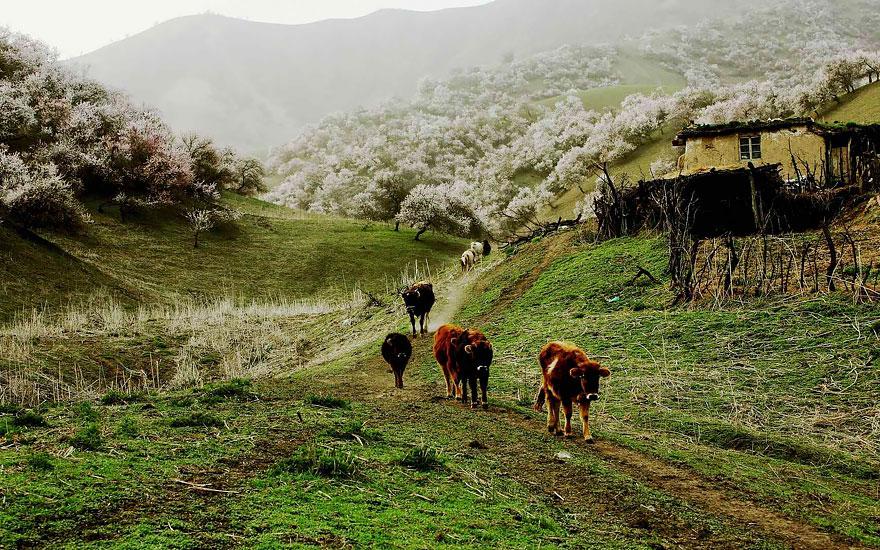
- Renewal: The end of winter and the promise of spring’s return
- Community: The importance of sharing, generosity, and strengthening social bonds
- Balance: The equinox represents cosmic balance — a time for introspection and setting intentions
- Agricultural Cycle: Marking the time to prepare fields and welcome the planting season
Planning Your Navruz Trip to Xinjiang
Navruz falls on March 20 or 21. Here’s how to plan:
- Book accommodation early: March is shoulder season in Xinjiang, but Navruz draws domestic travelers. Book at least 3–4 weeks ahead.
- Fly into Kashgar: Kashgar Airport has direct flights from Urumqi, Beijing, Shanghai, and some international cities. From the airport, the Old City is 20–30 minutes by taxi.
- Allow 2–3 days: One day isn’t enough to fully experience Navruz. Spend at least 2 days in Kashgar, and consider extending to Yining or Tashkurgan if your schedule allows.
- Check the lunar calendar: While Navruz is fixed on the spring equinox, some celebrations may shift by a day based on local astronomical observations. Verify the exact date 2–3 weeks before your trip.
Frequently Asked Questions
Q: Is Navruz a religious festival?
A: Navruz has Zoroastrian (pre-Islamic) roots and is celebrated by people of various faiths. In Xinjiang, it’s primarily a cultural festival for Muslim communities (similar to how Christmas is celebrated culturally by many non-Christians worldwide).
Q: Can tourists participate in Navruz events?
A: Yes! Navruz is a community celebration and visitors are welcome. The most accessible events are the public performances in Kashgar’s Old City and Yining’s cultural zones.
Q: Will attractions be open during Navruz?
A: Most tourist attractions remain open. Some restaurants and shops may have altered hours (closing early or opening late) due to family celebrations. Plan accordingly.
Q: What should I wear to Navruz events?
A: Comfortable, modest clothing. If you have traditional attire from your own culture, wearing it to Navruz events is a wonderful gesture of cultural appreciation (just ensure it’s respectful and not a caricature).
Disclaimer
This guide is for informational and cultural education purposes only. Festival dates, events, and accessibility can change based on local regulations, weather, and community decisions. Always verify current information with local tourism offices before planning travel around Navruz. We encourage respectful, responsible cultural tourism — Navruz is a cherished tradition, not a spectacle. Our descriptions are based on our experiences and research, but individual celebrations may vary by family and community.
About the Author
Xinjiang Attractions Editorial Team
Our team includes cultural anthropologists, Uyghur and Tajik culture specialists, and experienced Xinjiang travelers who have participated in Navruz celebrations across multiple regions. We are committed to promoting respectful cultural understanding and providing accurate, experience-based travel information.
Have questions about experiencing Navruz or other Xinjiang cultural festivals? Contact us — we’re happy to help you plan a meaningful cultural experience.
For practical tips on joining celebrations as a guest, see Xinjiang festival participation.