Published: July 23, 2026 | Author: Reyhan Tursun
Why you can trust this guide
If you sit down at a Uyghur family table on a Sunday, the dish that matters most is Xinjiang pilaf — locals call it polo. It is rice cooked in lamb stock with carrots, onion and cumin, finished in a wide cast-iron qazan. I have eaten it in homes from Hotan to Yining, and the version that hooked me was made by my grandmother in a battered black pot that had been on the stove for forty years. This guide pulls together what I learned cooking beside her and eating my way across the region, plus the practical stuff: where to find a good plate, what it should cost, and how to order without awkwardness.
Xinjiang pilaf is not a restaurant invention. It is home cooking that escaped the kitchen. Every town has its own habit — Kashgar leans heavy on lamb fat and yellow carrots, Hotan folds in raisins, the Ili valley stirs in a knob of butter. What stays the same is the Sunday rhythm: the pot goes on in the morning, and by noon the neighborhood knows.
Quick reference: Xinjiang pilaf at a glance
| What locals call it | Polo (Uyghur); 抓饭 zhuāfàn (Chinese) |
|---|---|
| Core ingredients | Long-grain rice, lamb, carrot, onion, cumin, salt |
| When it is served | Sunday lunch, weddings, Eid and Navruz feasts |
| Cities known for it | Urumqi, Kashgar, Hotan, Yining, Aksu |
| Typical price (2026) | 25–45 RMB for a meat plate; about 15 RMB vegetarian |
| Vegetarian option | Yes — ask for yakh polo (oil polo, no meat) |
My first real polo, and the ones after
The first time I watched the whole process was in my grandmother’s kitchen in Urumqi. She heated lamb fat in the qazan until it turned to clear oil, then dropped in onion cut in thick half-moons. The smell filled the apartment before the rice ever went in. She used two kinds of carrot — orange and a pale yellow one — and told me the yellow ones are what make Kashgar polo taste right. The rice went in raw, got a quick stir, then covered with hot water and left alone. “Don’t touch it,” she said. “The steam does the work.”
Years later I ate polo at a Kashgar wedding where the cook had a qazan big enough to bathe in. He served it with the lamb pulled apart on top and a bowl of black tea on the side. In Hotan I found a stall that folded raisins and dried apricot into the rice, which sounds odd and tastes like dessert meeting dinner. On a cold February trip to Yining the polo came heavier, the carrots softer, the fat thicker — exactly what you want when the wind off the steppe is sharp. The point is that no two plates are identical, and that is the appeal.
Reaching the polo capitals
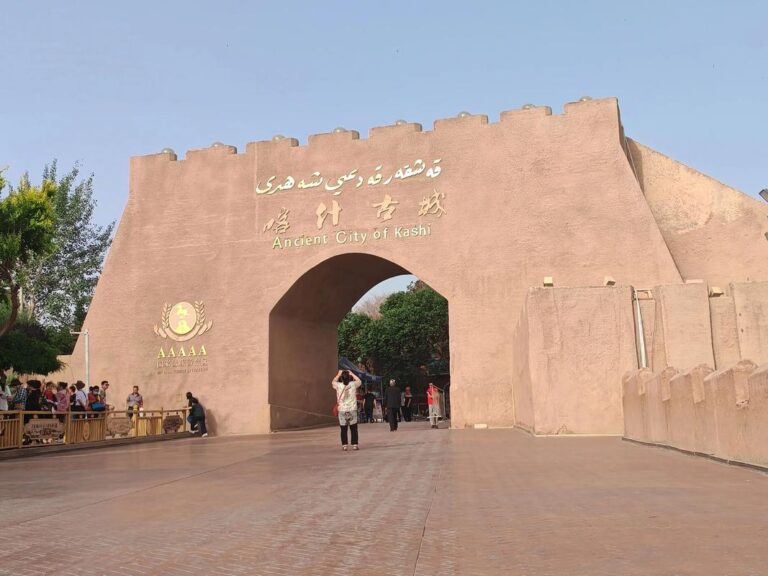
You do not need a plan to eat pilaf, but you do need to be where people cook it. Urumqi is the easiest start: the airport and the Urumqi International Bazaar sit close together, and the Erdaoqiao area behind the bazaar is packed with hole-in-the-wall polo shops. Kashgar takes a flight from Urumqi (about two hours) or a long drive; once you are in the Kashgar Old City, the Sunday market feeds you whether you planned it or not. Hotan is further south and best reached by the morning flight or the train from Kashgar.
If you are building a route, pair this with a wider Xinjiang food guide so polo is one stop on a longer eating trip rather than the only thing you came for.
Best time to eat it
Pilaf is a year-round dish, but the experience changes with the calendar. Sundays are non-negotiable — that is when family kitchens and small shops fire the big pots. Around Navruz in March and Eid al-Adha, the portions double and strangers get pulled to the table. Winter polo tastes heavier and richer; summer versions are lighter, often with more carrot and a squeeze of the season’s first melon on the side. There is no bad month, only a busier one.
Where to stay for easy access
In Urumqi, book somewhere near Erdaoqiao or the bazaar so you can walk to a polo shop before it sells out. In Kashgar, the old city guesthouses put you within a five-minute walk of morning cooks. Hotan’s butchers’ quarter has basic hotels above the shops — rough but convenient. Wherever you land, ask the front desk which polo spot opens earliest; in this region that question gets people talking, and the answer is usually worth acting on.
What to order and what to pair it with
A standard plate is gösh polo — rice with chunks of lamb. If you want egg, ask for tuxum polo; chicken is toxu polo. Vegetarians should request yakh polo, made with oil and carrot instead of meat, though confirm there is no meat stock underneath.
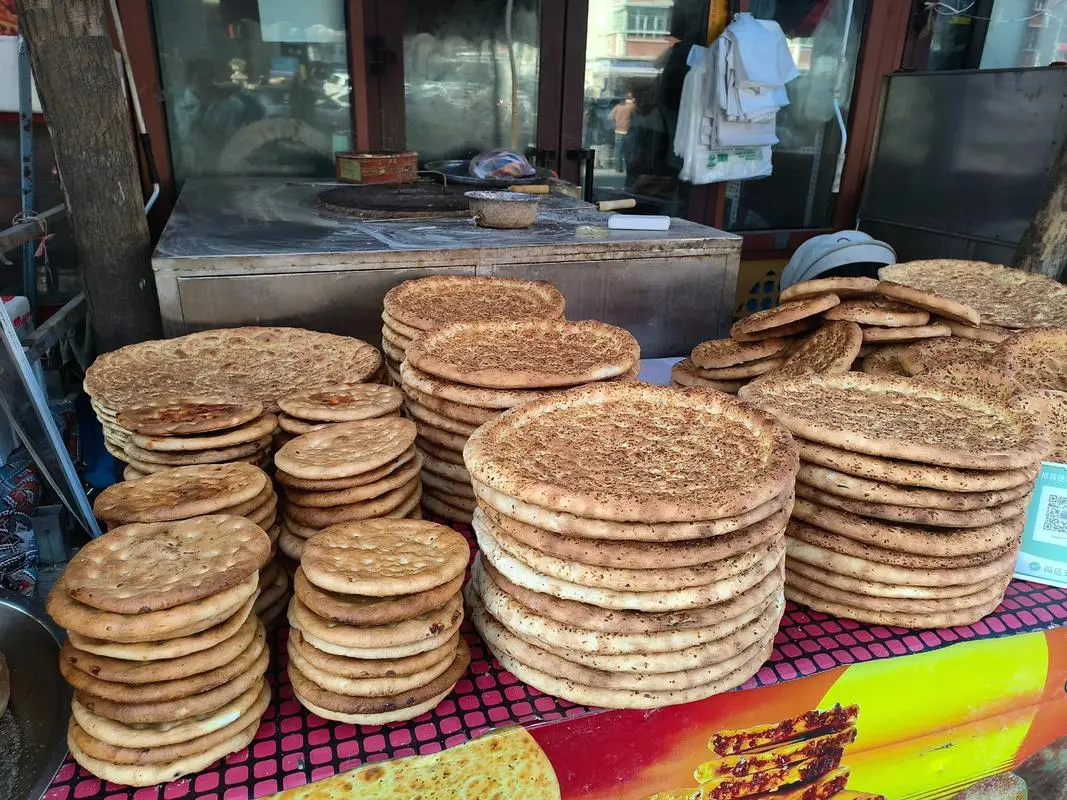
- Naan — the flatbread is used to scoop rice; you will not get a fork everywhere. Our guide to Xinjiang naan explains the types you will meet.
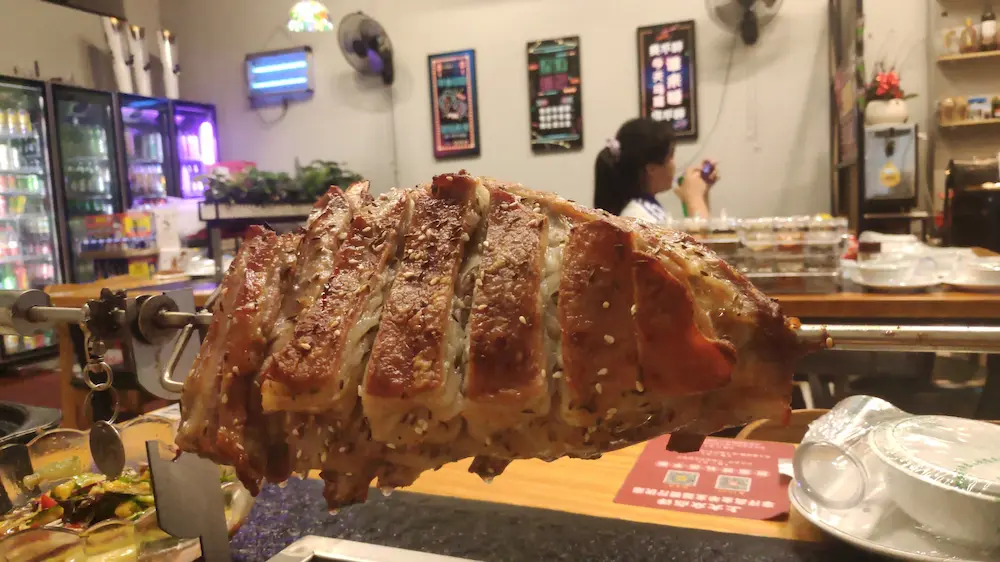
- Kebabs — a skewer of Xinjiang kebabs on the side turns a plate into a feast.
- Black tea — always offered, cuts the fat.
- Pickled garlic and raw onion — the standard palate cleanser.
Practical tips from someone who ordered wrong first
Eat early. The good shops open around 10 a.m. and the lamb plates are gone by 2 p.m., especially on Sunday. Watch the qazan — a cook who stirs the rice constantly is doing it wrong, and you will taste the difference. Carry cash; small polo counters often do not take cards, and the local payment apps tourists struggle with. Sit where locals sit. If a place is empty at noon, the food is not the draw.
One more thing: portions are large. Order one plate per person and share a skewer, not the other way around. Leftovers are rare because the plate is built to be finished. On my first solo trip I ordered polo, a kebab and a second plate “to compare,” then could not stand up for an hour. Learn from me.
A one-day Urumqi polo crawl
Start at 9:30 a.m. at a bazaar-side polo shop for a lamb plate and tea. Walk the Urumqi International Bazaar afterward to see the carrots and rice traded by the sack. Lunch at a second shop in Erdaoqiao for a different style. Afternoon, browse a local food market for snacks, then dinner at a kebab house where polo is the closing course. Three polo plates in a day is a lot; two is the sweet spot.

Frequently asked questions
Is Xinjiang pilaf spicy?
No. The spice is cumin and a little black pepper at most. It is aromatic, not hot. If you want heat, add the chili flakes on the table yourself.
Can vegetarians eat polo?
Yes, with care. Ask for yakh polo. Some cooks still use meat stock, so confirm. The safest bet is a shop that lists it on the menu rather than one that improvises.
How much does a plate cost?
A meat plate runs 25–45 RMB in 2026; vegetarian is about 15 RMB. Airport and hotel versions cost more and taste less.
What is the difference between polo and biryani?
Different regions, different method. Polo steams the rice above the meat in one pot; biryani layers and bakes. Polo is plainer and leans on carrot and cumin rather than a long spice blend.
Do I eat it with my hands?
Often yes, using naan as the spoon. Forks appear in tourist spots. Follow the table, not the menu.
Disclaimer
This guide reflects the author’s personal experience and was accurate at the time of writing (July 2026). Prices, shop openings and recipes change, and regional habits differ. We are not a medical or religious authority; for dietary and halal questions, ask the cook directly. Always check current travel and entry rules with official sources before you go.
About the author
Reyhan Tursun is a Uyghur home cook and food writer based in Urumqi. She learned polo from her grandmother and has spent a decade documenting the everyday dishes of Xinjiang for travelers who want more than a photo of the plate. She contributes to Xinjiang Attractions on food, markets and where the good tables actually are.