Published: 24 August 2026 | Author: Karl Huang
Most travellers racing down the G315 from Kashgar to Hotan barely slow for Yecheng, and almost nobody plans a night in Zepu. We almost did the same on our first southern Xinjiang loop, until a truck driver in a Kashgar teahouse told us Yecheng is where the road to Tibet actually begins. That tip sent us down a side of the Tarim Basin we had skipped completely, and it is why Yecheng Zepu southern Xinjiang deserves a real place on any southern route, not just a fuel stop. This guide comes from two separate trips through the area, one in late October for the poplar colour and one the following June to see the oasis in green.
Why you can trust this guide
We are not a tour operator. We drove the southern loop ourselves, paid for our own hotels and tickets, and wrote this from notes taken on the ground. Where we cite distances or opening times we checked them against the county tourism board and the park ticket office during our visits. Xinjiang changes fast, so treat any price as a starting point and confirm at the gate. If you want the wider historical frame, our Silk Road history guide explains how these oasis towns fit together.
Quick reference: Yecheng and Zepu at a glance
| Question | Short answer |
|---|---|
| Where are they | Yecheng (Kargilik) and Zepu sit on the southern Tarim rim in Kashgar Prefecture, about 250 km south-east of Kashgar along the G315. |
| Main draw | Zepu’s Golden Poplar Forest Park, a 5A site on the Yarkand River, and Yecheng’s G219 “Zero Kilometre” gateway to the Tibet plateau. |
| Best time | Late October to early November for gold poplars; April to June for green oasis weather. |
| How long | One full day covers both towns; two days lets you relax and catch the light. |
| Getting there | Bus or shared car from Kashgar (3.5 to 4 hours); Yecheng also has a railway station. |
What we actually found on the ground
We reached Yecheng in the late afternoon after a long, flat run from Kashgar. The town itself is workmanlike, a real county seat rather than a postcard, but the reason to stop is right at its eastern edge. The G219 “Zero Kilometre” marker sits where the new Tibet road meets the G315, and it is genuinely the last place to stock up, eat a hot meal and sleep at low elevation before the highway climbs into the Kunlun. We watched a line of supply trucks idling there, drivers taping spare tyres and filling jerry cans, and it made the geography real in a way no map does.
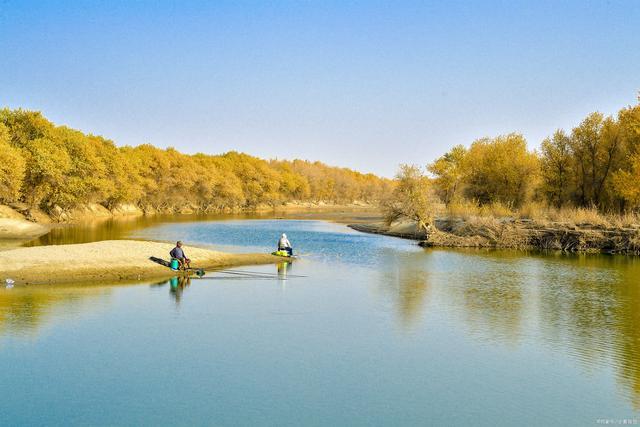
Zepu is the gentler surprise. It is only about 40 km north-west of Yecheng, a short hop that took us under an hour. The county town is unremarkable, but the Golden Poplar Forest Park sits roughly 40 km south-west of it, on a bend of the Yarkand River. When we visited in late October the poplars were at peak, a solid wall of gold against the grey-green river and the bare Kunlun behind. In June the same forest was deep green and full of birds, and almost empty of tourists.
Inside the park we followed the raised boardwalk to the so-called 胡杨王, a poplar the rangers estimate at more than a thousand years old, with a trunk the two of us could not link arms around. A small spring-fed pond sits beside it, and the light there late in the day is the shot most people come for. The loop is flat and well maintained; we did the full riverside walk in about ninety minutes at an easy pace, stopping often because the leaves kept catching the sun. Off the boardwalk, a few Kazakh and Tajik families were cooking by the water, and the smell of grilling corn drifted across the river most afternoons.
Getting to Yecheng and Zepu
From Kashgar you follow the G315 south-east. Buses leave the Kashgar long-distance station through the day, and the shared-SUV lots near the Kashgar Sunday Market run the same route; either takes three and a half to four hours. Yecheng has its own railway station on the Kashgar-Hotan line, so you can also train down and rent a car locally. Inside the two counties, Zepu town to the park is best done by hired car or the county bus that runs to the park gate; we paid a local driver about 120 yuan return including waiting time.
One word of caution: the G219 south of Yecheng is not a sightseeing road. It is the highest paved highway in the world, climbing past 5,000 m within a day’s drive. Unless you are explicitly equipped for the Tibet crossing, treat Yecheng as the turn-around point, not the start of a drive. Our Tashkurgan guide covers the gentler Pamir option if you want high mountains without the altitude trauma.
Best time to visit
For the poplars, aim for the last week of October into early November. That window is short and weather-dependent, and a cold snap can strip the leaves in days. We hit it perfectly one year and missed it by a week the next. If you come in summer, the park is lush and cool under the canopy but the colour is gone and the Yarkand River is full. Spring, from April to June, is the safest bet for comfortable heat and open roads if you are not chasing the gold. The same river valley also runs a small ski slope in deep winter, though it was closed on both our visits, so confirm if you are travelling in January or February and fancy a novelty run.
Where to stay
Yecheng has the better hotel spread: a handful of mid-range chains near the G315 junction, plus cheaper county-town guesthouses. We stayed one night in Yecheng before pushing on, and the standard was fair for the price. Zepu town has fewer options but enough for a night; there is also a resort hotel inside the Golden Poplar Park if you want to be first through the gate at opening. Book ahead in poplar season, because the park draws Kashgar day-trippers and rooms fill fast on weekends.
Food you should not skip
Both towns run on southern Xinjiang staples: laghman noodles, kebabs, and the big flat naan baked in roadside tandoors. Yecheng’s night market had the better spread when we were there, including fresh pomegranate juice in autumn (the area grows a lot of them) and chewy dried apricots sold by weight. A stall near the Yecheng bus station sold pumpkin-stuffed naan straight from the oven, which became our road snack for the drive back. If you are heading toward Hotan afterwards, our Hotan guide has the jade-market and food detail. In Zepu we ate at a small riverside spot near the park where the owner grilled river fish pulled from the Yarkand that morning, served with a sharp onion and vinegar salad that cut the richness.
Practical tips before you go
- Bring cash as well as Alipay. The park ticket office took cards, but small food stalls and the county buses were cash only when we visited.
- Carry your passport or ID at all times. Southern Xinjiang checkpoints are routine and you will pass several between Kashgar and Yecheng.
- The park opens around 10:00 and the light is best before noon and again late afternoon. Midday sun on the open riverbank is harsh.
- Fill fuel in Yecheng. Petrol stations thin out quickly once you leave the G315 corridor.
- If you want the poplar colour, call the park a few days ahead. Locals know the exact week the leaves turn.
A sample one-day plan
We used this on our second trip and it worked without a rush. Leave Kashgar after an early breakfast, around 08:00. Reach Yecheng by mid-morning, walk the Zero Kilometre marker and grab lunch. Hire a car to Zepu and into the Golden Poplar Park by early afternoon, spend two to three hours on the boardwalk and the riverside loop. Drive back to Yecheng for the night, or return to Kashgar if you have a driver. If you have a second day, add the Yutian and Cele oases further east, or loop north through Lop County toward Hotan.
Frequently asked questions
Is Yecheng worth a stop if I am not going to Tibet?
Yes, but mainly as a base. The town itself is ordinary; the reason to break your drive is the Golden Poplar Park at Zepu, which is genuinely one of the best low-effort nature stops in southern Xinjiang.
Can I visit the Golden Poplar Park in one day from Kashgar?
Easily. Kashgar to Yecheng is under four hours, and the park is another hour north. Leave early and you are back in Kashgar by evening, though we preferred sleeping in Yecheng to avoid a late-night highway drive.
Do I need a border permit for Yecheng or Zepu?
No. The towns themselves are open. A permit is only needed if you actually drive the G219 south toward the Kunlun and Tibet, and that is a separate, serious expedition.
How much does the park cost?
The adult ticket was around 38 yuan when we last checked, with a student or senior discount available. Confirm at the gate, because prices shift with the season.
Disclaimer
This article is based on our own visits and is meant as a planning aid, not a substitute for current official information. Road conditions, park opening times, ticket prices and permit rules in Xinjiang change, and the high-altitude G219 south of Yecheng is a serious expedition that needs proper preparation and permits. Always confirm details with the park, your hotel and local transport before you travel, and check border and permit requirements with the relevant authorities. We are not responsible for any changes, losses or issues arising from reliance on this guide.
About the author
Karl Huang is a travel writer who has driven and ridden across most of Xinjiang over several seasons, from the Ili grasslands to the southern Tarim oases. He focuses on first-hand, practical information for independent travellers and writes the Xinjiang Attractions guides from notes taken on the ground. When he is not on the road he replies to reader questions about routes and timing.