Published: August 14, 2026 | Author: Karl Huang
Most first-time visitors to Xinjiang build their itinerary around the clock on their phone, then end up confused by the light. The reason is simple: Xinjiang sunrise sunset times do not line up with the numbers people expect from Beijing or Shanghai. The whole region runs on China Standard Time (UTC+8), but it sits roughly two time zones to the west. That gap reshapes every day you spend here, especially if you travel for photography or just want to sit down for dinner before midnight.
Why Xinjiang’s Clock Confuses First-Time Visitors
The single thing that caught us off guard on our first trip in 2023 was dinner. We rolled into Urumqi at 7 p.m. expecting a busy restaurant strip and found the shutters down. Locals eat late because the sun is still up. By the calendar it was evening, but the sky read like 5 p.m. This is not a quirk you shake in a day; it changes how you book hotels, buses, and alarm clocks.
Officially the entire country keeps Beijing time. But get in a taxi in Kashgar and the driver may mention “Xinjiang time,” which is UTC+6, two hours behind the phones. Government offices and trains follow Beijing time. Smaller cafes, markets, and the people you meet follow the sun. Knowing which clock you are dealing with saves arguments and missed buses.
How Long Are the Days, Really?
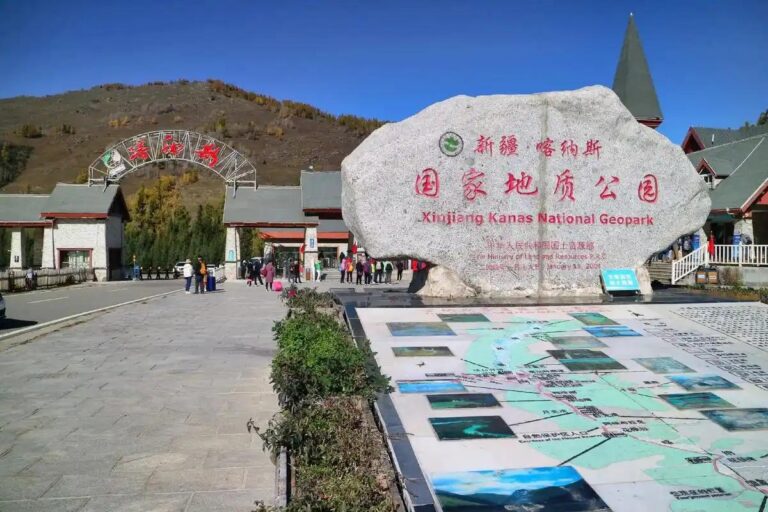
We logged sunrise and sunset across three weeks in June 2024 with a plain phone app, stepping outside each morning wherever we slept. In Urumqi the sun cleared the horizon at about 6:32 a.m. and dropped below it at 9:43 p.m. In Kashgar, farther west, first light came near 7:38 a.m. and the last glow held until 10:12 p.m. Kanas, up near the Altai in the north, gave us the earliest start: 6:09 a.m. and a sunset past 10 p.m.
The takeaway: in peak summer you get roughly 15 to 16 hours of usable light across most of the region. That is a gift for travelers who hate rushing, and a puzzle for anyone who assumes “8 p.m.” means dusk.
Xinjiang Sunrise Sunset Times by Region
These are mid-June figures from our own notes, rounded to the nearest five minutes. Treat them as a planning baseline, not gospel, and check an astronomy app for your exact dates.
| Area | Approx. sunrise (CST) | Approx. sunset (CST) | What we noticed |
|---|---|---|---|
| Urumqi | ~6:30 a.m. | ~9:45 p.m. | Long but the city keeps Beijing-time hours |
| Kashgar | ~7:35 a.m. | ~10:10 p.m. | Latest light in the region |
| Kanas (Altai) | ~6:10 a.m. | ~10:00 p.m. | Earliest start, cool mornings even in June |
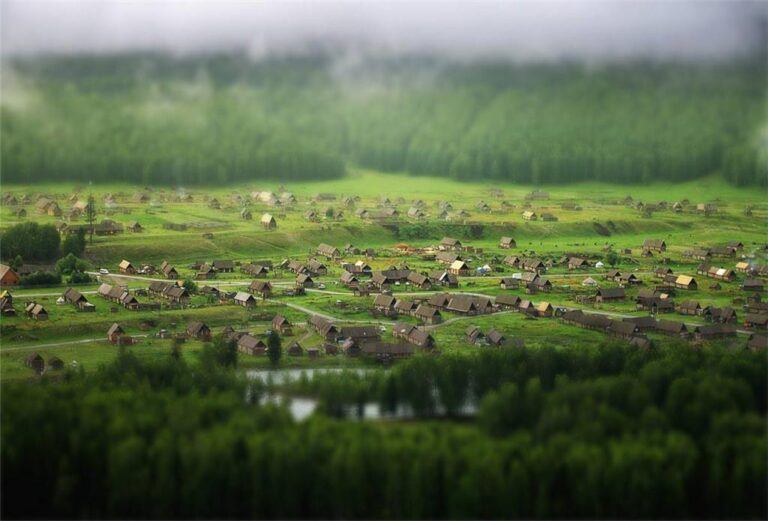
| Bayanbulak | ~6:40 a.m. | ~9:50 p.m. | Wide open sky, slow fade at the river |
| Turpan | ~6:25 a.m. | ~9:40 p.m. | Hot, dry, and bright well past 9 |
The pattern holds because Xinjiang spans about 15 degrees of longitude. The far west runs roughly an hour later than the far north within the same official time zone, so do not copy one town’s schedule onto another.
Getting to the Best Viewpoints
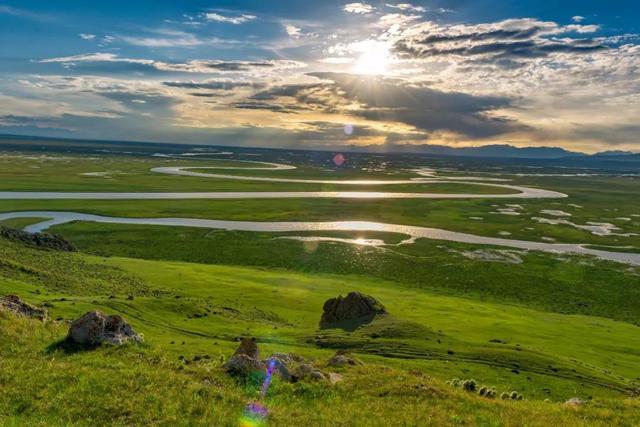
Chasing that light means being on the road before most tour buses. We found the Duku Highway the most reliable way to reach high meadows and switchback ridges where the sun hits the Tianshan first. The road opens only roughly June through September, so the summer window is tight.
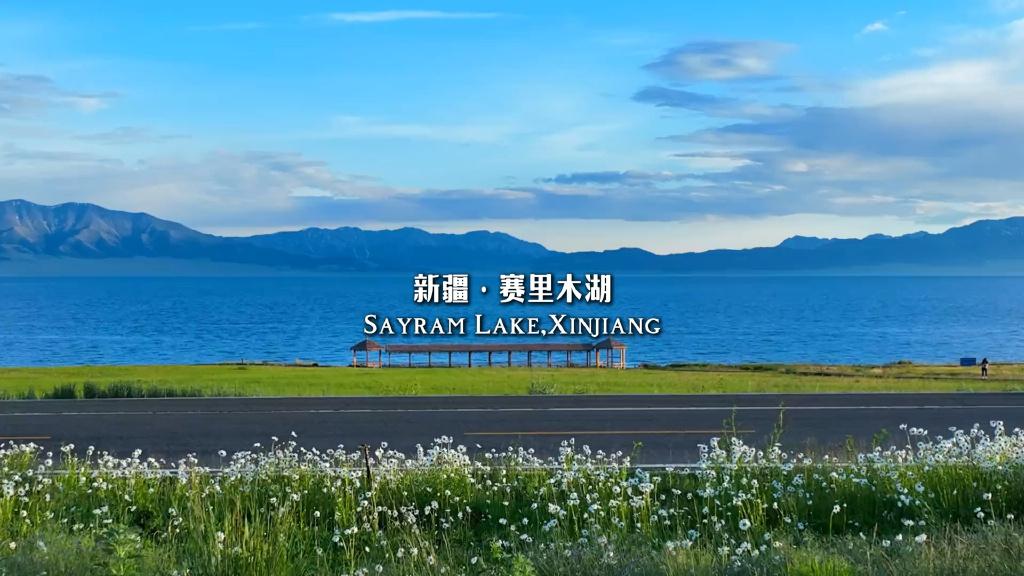
For lakeside sunrises, drive to Sayram the evening before and sleep nearby; the water goes still and pink about 40 minutes before the listed sunrise. Colorful Beach, on the north bank of the Irtysh near Burqin, is our favorite sunset because the layered cliffs light up after 9 p.m. and the bus crowds thin out once the groups leave.
The Best Seasons for Long Light
Late May through early August gives the longest days. We shot in mid-June and never needed a headlamp until after 10 p.m. Autumn (September to early October) keeps good light but the days shorten fast; by late October sunset in Urumqi is closer to 6:30 p.m. Winter is the opposite extreme: in December the sun is up only about nine hours, and at 9 a.m. it still feels like dawn.
Access matters as much as season. Some passes close without warning after the first snow, so check seasonal mountain pass closures before any high route. We once lost a morning to a shut gate near the Tianshan divide and learned to verify the night before.
Where to Stay Near the Big Skies
Near Bayanbulak we stayed in a basic guesthouse 15 minutes from the Kaidu River bend; being close meant we stepped out at 9:30 p.m. and caught the nine-turn river turning gold without a long drive in the dark. Around Sayram, the yurt camps inside the scenic area open in summer and put you steps from the shoreline.
Book the night before on weekends in July and August. The popular grassland stays, including Kalajun grassland lodges, sell out because everyone wants the same sunset slot. We missed a spot once and ended up an hour away, which killed the morning shoot.
Food After a Late Sunset
A 10 p.m. sunset means dinner at 10:30 or 11. That is normal here. In the night markets of Burqin and the food streets of Urumqi we ate laghman and grilled fish well past midnight, and the stalls were busy. Carry small cash and a translation app; not every late spot takes foreign cards.
If you are self-driving, buy fruit and bread in the afternoon. Shops in small towns close early by Beijing time even when it is still bright out, which fooled us more than once.
Practical Tips for Shooting the Light
Golden hour in Xinjiang lasts longer than in Europe because the sun sits at a shallow angle this far north. We got usable warm light for nearly an hour after the “official” sunset. Blue hour, the deep twilight photographers love, stretched past 10:30 p.m. in June.
Bring a tripod for those low-light minutes and a headlamp you actually test beforehand. And please read up on photography etiquette in Xinjiang before you point a lens at people or religious sites; the rule is simple, ask first.
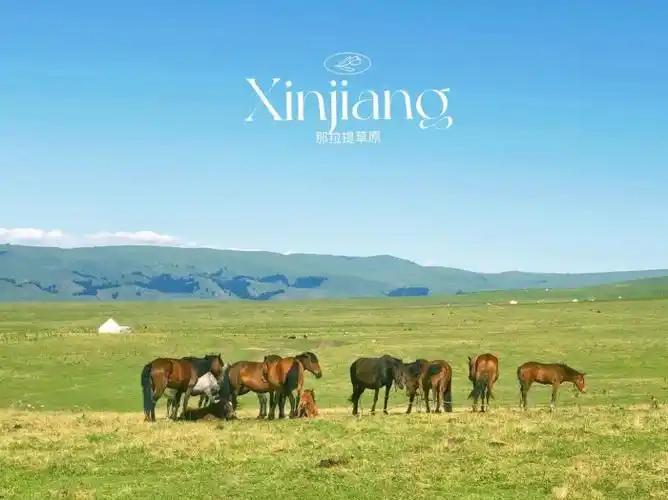
A Sample Long-Day Plan
Here is how we spent one June day in the north:
- 6:20 a.m. — out at Sayram Lake for the pink pre-sunrise on the water.
- 9:00 a.m. — breakfast in Yining, then the drive south.
- 3:00 p.m. — nap and charge batteries at the hotel; the real light is hours away.
- 8:30 p.m. — reach a Tianshan viewpoint via the Duku road.
- 9:50 p.m. — shoot the ridge as it turns orange.
- 10:40 p.m. — dinner in the nearest town.
You can fold this into a broader route; our classic 7-day Xinjiang itinerary spreads these long days across several regions.
Making Use of the Long Midday
One surprise was the dead time between the early sunrise and the late sunset. By 11 a.m. the light is already flat and harsh, and nothing photographic happens again until about 7 p.m. On our first trip we wasted those hours scrolling in the car. Later we treated them as the practical block: laundry in Yining, a long lunch in a shaded teahouse, or the drive between regions while the sun sat high. On the Duku Highway the midday drive actually works in your favor because the tunnels and cliffs are easiest to read in full light. Plan the boring logistics for midday and keep the soft, warm hours for the camera.
Frequently Asked Questions
Does the whole region use Beijing time?
Yes, officially. But daily life in the west follows a roughly two-hour-later local rhythm, so always confirm which clock a schedule means.
What month has the longest days?
Late June, around the solstice, gives the most daylight, about 15 to 16 hours in most areas.
Is it safe to be out at 10 p.m. for sunset?
In the scenic areas we visited, yes, and the late light draws crowds, which adds comfort. Use normal travel caution and tell someone your plan.
Will my phone show the right sunrise time?
Weather apps do, because they calculate by GPS position rather than the phone’s time zone label. Trust the app over the clock on the wall.
Do sunrise times vary across Xinjiang?
They do. The region spans about 15 degrees of longitude, so the far west (Kashgar) runs roughly an hour later than the far north (Kanas) within the same time zone.
Disclaimer
The times above are approximate, based on our own June 2024 observations and standard almanac ranges. They shift with latitude, altitude, and the exact date, and they change year to year. Always confirm with a reliable weather or astronomy app for your specific travel dates and location. This article is for trip planning only and is not an official source. Links to practical guides are provided for convenience and do not constitute an endorsement.
About the Author
Karl Huang is a travel writer who has spent three summers driving and photographing Xinjiang, from the Altai forests in the north to the Pamir towns in the west. He focuses on practical, first-hand guidance for independent travelers and contributes to XinjiangAttractions.com. His work emphasizes real measurements and honest warnings over polished brochure talk.