Published: August 14, 2026 | Author: Karl Huang
Most first-time visitors to Xinjiang picture the scenery long before they think about logistics. We did too, until we spent three weeks behind the wheel and learned that Xinjiang fuel stations follow a set of rules you will not find in any rental-car brochure. This guide comes from those miles, not from a handbook. If you plan to self-drive in Xinjiang, the way you refuel will shape your whole trip more than the map ever suggests.
Why you can trust this guide
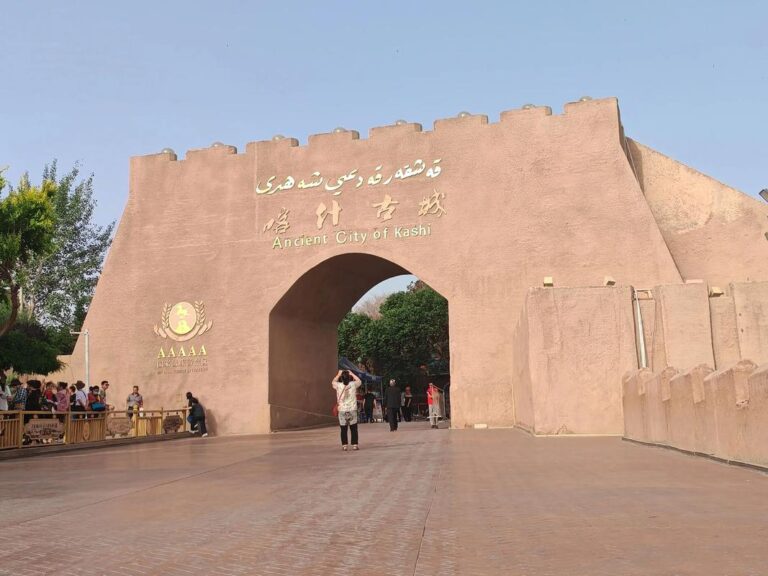
I am Karl Huang, and over two summer trips I have driven close to 4,000 km across the region, from Urumqi down to Kashgar and back up through the Duku Highway. I have waited out a pump closure at midnight in the desert, been turned away from a station for missing paperwork, and watched a fellow driver argue with a cashier who would not take his foreign card. Those mistakes are the reason this article exists. Everything below is what I wish someone had told me before I turned the ignition, written so you do not repeat the same dead ends.
Xinjiang fuel stations at a glance
| Item | What to expect on the ground |
|---|---|
| Main networks | CNPC (PetroChina) and Sinopec. Both sell 92# and 95# petrol plus diesel. |
| Gap between pumps | 30 to 80 km near cities. In the desert and on the plateau you can go 150 to 300 km between open stations. |
| ID check | Passport or Chinese ID is logged at most stations before you are allowed to pump. |
| Payment | WeChat and Alipay in cities and towns. Carry cash for remote county pumps. |
| Opening hours | 24 hours in cities. Some county stations close between roughly 22:00 and 08:00. |
| Spare fuel | Jerry cans of loose petrol are restricted. Top up before remote legs instead. |
| Price (2026) | 92# around 7.5 yuan per litre, 95# around 8.1, diesel around 7.2. |
What the pump actually feels like
We left Urumqi on a Tuesday and reached the first real wilderness by late afternoon. The stations inside the city were easy: drive in, scan a QR code at the pump, and the attendant started the flow without asking much. The moment we crossed into the open county roads, the rhythm changed. At one pump outside Korla a uniformed officer waved us to a side lane, copied our passport numbers into a paper ledger, and only then nodded us toward the island. It took eight minutes and felt strange the first time. By the third station it was routine.
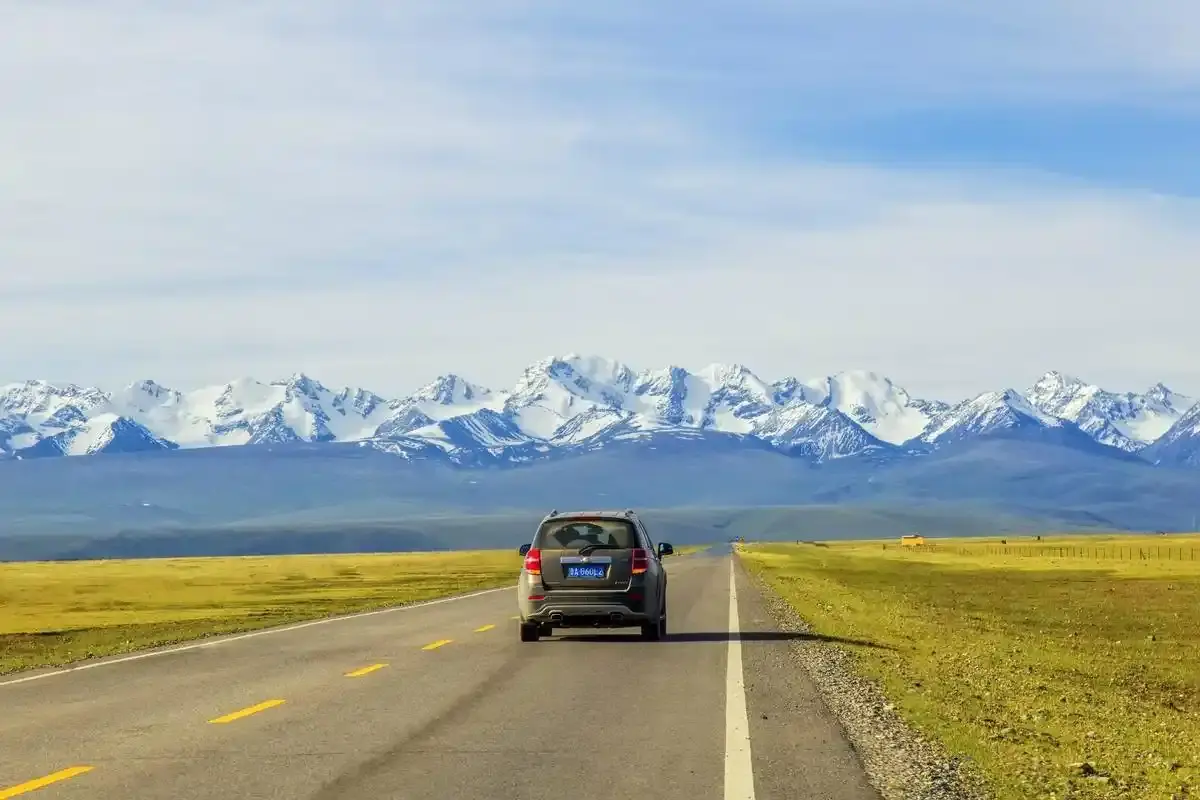
That small delay is the single most misunderstood part of driving here. Foreign travellers often assume a station works like a European motorway stop. It does not. The check is about road security, not about you personally, and once you expect it the wait loses its edge.
Getting to Xinjiang and picking up your car
Almost nobody starts a Xinjiang road trip from scratch at the wheel. Most of us fly in. You can read the full breakdown in our piece on how to get to Xinjiang by flight, train and road. Once you land in Urumqi, Kashgar or Yining, the practical step is renting a car, and the counter will hand you a vehicle that is almost always petrol, not diesel. Ask the agent which grade the engine takes and write it on a note in the glove box. We forgot once and stood at the pump second-guessing whether 92# was safe. It was, but the doubt cost us ten minutes.
When to drive: picking your window
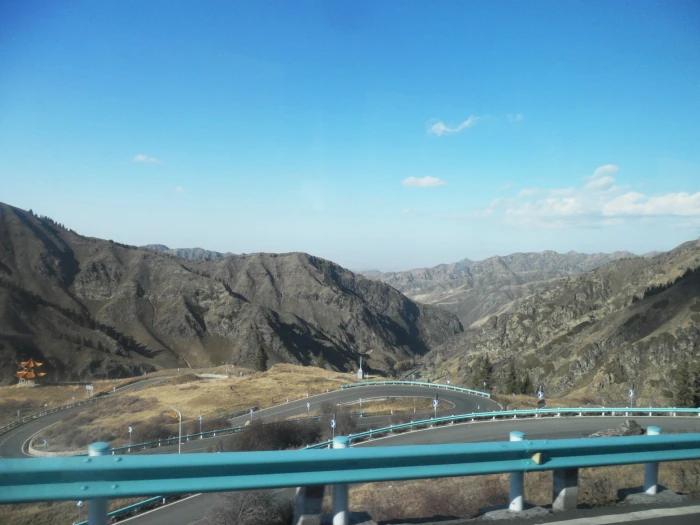
The mountains decide your calendar. The Duku Highway, the most beautiful thread in the whole network, normally opens around June 1 and closes again in late September or early October once snow returns to the passes. We drove it in early July and found the high sections clear, the viewpoints crowded, and every station along it open and busy. Winter driving is possible on the main arteries but several plateau routes shut completely, and a closed road means a very long detour with no pump guarantee. If fuel planning matters to you, aim for June through September.
Where to sleep on a long driving day
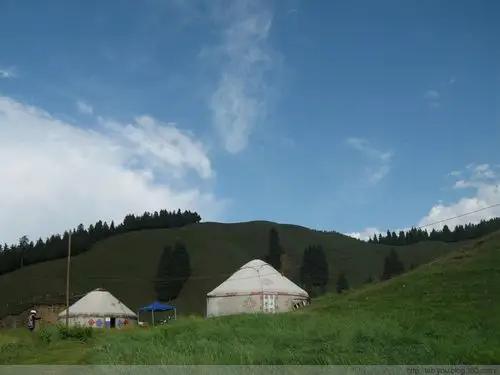
The smart pattern is to end each day in a county town with a real fuel station, not in a roadside yurt or a remote scenic area. Towns like Korla, Aksu, Kuqa and Yining have 24-hour pumps and hotels within a kilometre of the forecourt. We once wild-camped near Sayram Lake for the sunrise and then discovered the nearest open pump was 90 km back the way we came. Lesson learned: sleep where you can refill. The driving distances guide lists the realistic gaps between towns so you can plan the overnight stops first and the sights second.
What to eat on the road
Stations here double as quick-food stops. At almost any CNPC forecourt in a town you will find a attached shop selling warm laghman noodles, polu (lamb pilaf), and kebabs grilled out front. We made a habit of refuelling at lunch so the stop covered both the tank and the stomach. Prices are honest and the portions are built for people who have been driving since dawn. Carry small cash for the grill even when the pump takes your phone, because the food stall and the fuel desk are often run by different hands.
The refuelling rules that actually matter
This is the core of the trip, so slow down here.
Keep the tank above half in remote areas. When the gauge drops past halfway on a desert leg, treat the next town as the goal, not the next viewpoint. We met a Dutch couple who pushed to a quarter tank chasing a photo and then coasted into a closed county pump at 21:30. They slept in the car park.
Carry your passport and the car papers together. Stations log the driver, not just the plate. Having the rental agreement and your ID in one folder turns a possible ten-minute delay into a thirty-second wave-through.
Do not rely on a jerry can. Buying loose petrol requires its own registration and is refused at most pumps. The reliable fix is simply to refill early and often.
Assume the remote pump wants cash. City stations took our Alipay without a blink. Two hundred kilometres out, one pump had a dead card reader and a shrug. We now keep 500 yuan in small notes for exactly this.
A sample five-day, fuel-aware loop
This route keeps a station within reach every night and still covers the headline sights.
Day 1: Urumqi to Korla (about 330 km). Refuel before leaving the city and again in Korla. Sleep in town.
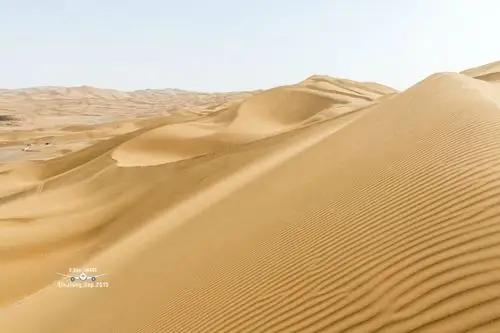
Day 2: Korla to Kuqa (about 280 km) along the desert highway. Top up in Kuqa; visit the Kizil Grottoes.
Day 3: Kuqa to the Tianshan Grand Canyon and back (short loop, no long gap). Refuel in Kuqa again before the side trip.
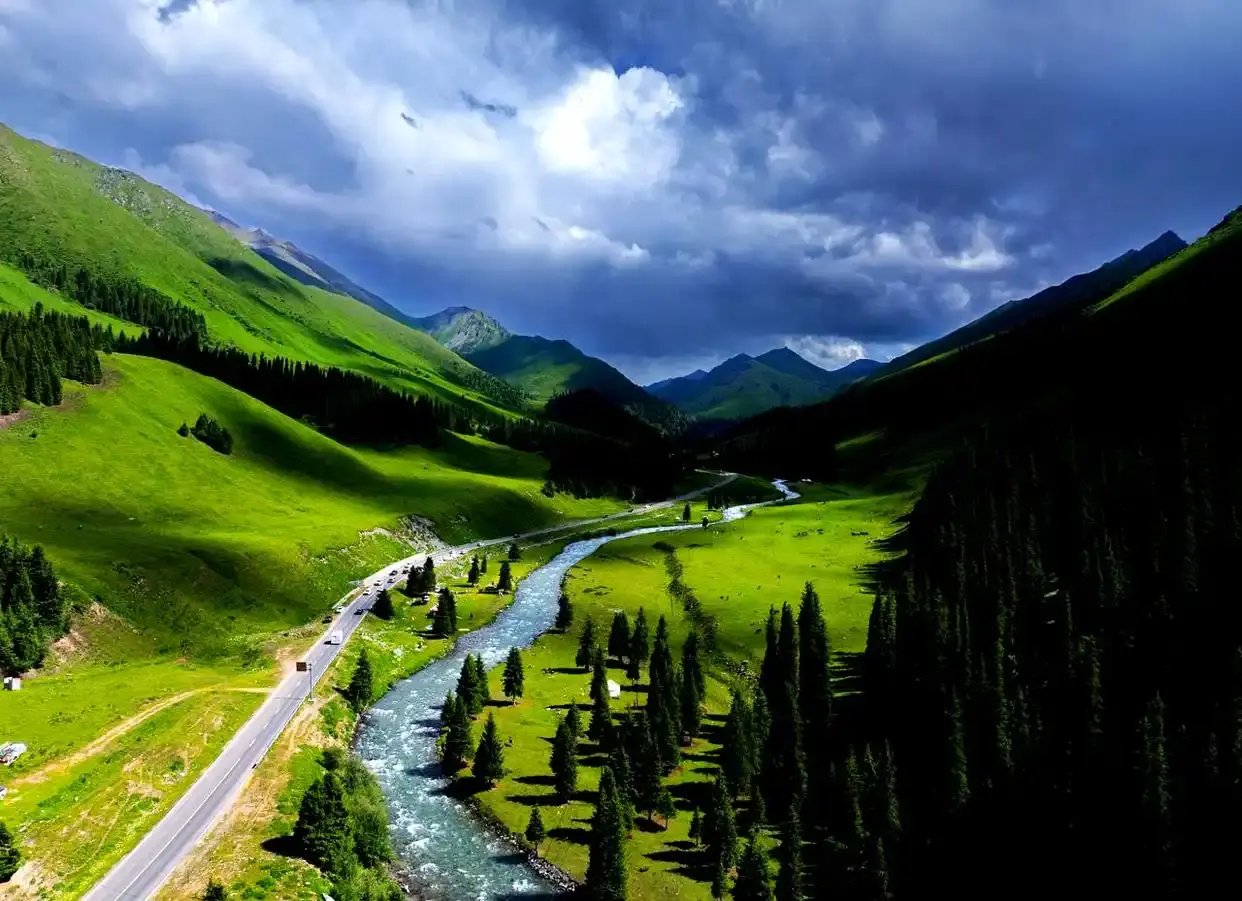
Day 4: Kuqa north toward the Duku Highway entrance at Dushanzi (about 250 km). Fill in the morning; the mountain pumps are busy but open in season.
Day 5: Dushanzi to Urumqi via the northern plain (about 250 km). Final refill in the city.
Every overnight stop on this plan sits next to a 24-hour or near-24-hour pump, which removes the single biggest source of stress on a Xinjiang drive.
Frequently asked questions
Can foreigners use a Chinese fuel card? The prepaid cards are tied to a local identity, so as a visitor you will usually pay per visit by phone or cash. A card is convenient but not required.
What if the only station for 200 km is closed? It happens at night in counties. The fix is to never let the tank fall below half and to refuel during daylight. Plan the long legs for morning.
Is it legal to carry spare petrol? Loose fuel in a jerry can is restricted and most pumps will refuse to fill one. Keep the tank topped instead of carrying a can.
Do prices vary much by region? Only slightly. Remote pumps can be a few fen higher, but the bigger cost difference is simply the distance you cover. Our travel cost breakdown puts fuel at a predictable slice of the total.
Will my foreign card work at the pump? Rarely at the island itself. Use Alipay or WeChat where the signal holds, and keep cash as the backup the moment you leave the city grid.
Disclaimer
This article reflects our own driving experience in summer 2024 and 2025 and publicly available station practice at the time of writing. Rules around identification, border permits and payment can change, and they vary by county. Always confirm current requirements with your rental company and the local tourism office before you travel, and never set out on a remote leg without a full tank and valid documents.
About the author
Karl Huang is a travel writer who has driven more than 4,000 km across Xinjiang, from the Duku Highway to the southern desert routes. He focuses on the practical, often-overlooked details that make a self-drive trip run smoothly, and contributes regularly to Xinjiang Attractions.