Published: August 14, 2026 | Author: Karl Huang
Why You Can Trust This Guide
If you are packing for a trip and have started worrying about Xinjiang drinking water, you are asking the right question before you ever board the plane. I am Karl Huang, and between 2023 and 2025 I spent roughly seven weeks crossing nine of Xinjiang’s prefectures by train, rented car, and the occasional shared van, from the gleaming supermarkets of Urumqi to a guesthouse in Tashkurgan where the only tap ran a brownish colour for the first ten seconds every morning. This guide is built from those notes, not from a brochure.
Two things keep it honest. The technical details about treatment and pipe standards come from China’s national drinking-water norm GB 5749-2022 and the World Health Organization’s household-water guidance. Everything about taste, price, and what actually happens in a village teahouse is from my own experience. I have no relationship with any bottle brand named below, and nobody paid for a mention.
| Question | Short answer | What we do |
|---|---|---|
| Drink tap water directly? | No | Boil 1 minute or use bottled |
| Bottled water cost | ¥2 to ¥5 | Buy from chain stores in cities |
| Is ice safe? | Usually in cities | Skip it in remote villages |
| Brush teeth with tap? | Mostly fine | Use boiled water if sensitive |
| Water needed per day | 2 to 3 litres | More at altitude and in desert |
Our Experience Drinking Water Across Xinjiang
On our second night in Kashgar, the guesthouse host laughed when I filled a glass straight from the bathroom tap. “Boil it,” she said, pointing at the electric kettle on the floor. She was right to stop me. The water was treated at the plant, but the building’s pipes were old, and a faint metallic taste told the story.
In Turpan, where summer daytime heat pushes past 40°C, we bought a 1.5-litre bottle of Nongfu Spring (农夫山泉) from a corner shop for three yuan and topped up our thermos at every restaurant we walked into. Nobody charged us; hot drinking water (白开水) is offered free almost everywhere in Xinjiang, from railway waiting rooms to noodle counters. One habit I picked up fast: always check the cap seal before paying, because a couple of times in smaller shops I found a bottle that had clearly been opened and refilled from a dispenser. On the overnight train from Urumqi to Kashgar, the carriage attendant came through twice a day with a thermos, and the near-boiling water from the carriage dispenser became our main drinking source for the full 24 hours.
Up on the Pamir, around Tashkurgan at 3,090 metres, the morning tap ran that rusty colour I mentioned. The guesthouse kept a 19-litre dispenser of purified water in the hallway, and every traveller refilled there. That single detail shaped how I plan water on any high or remote stop now.
Is the Tap Water in Xinjiang Safe to Drink?
Straight answer: do not drink it straight from the tap. The water leaving the treatment plants in major cities meets national standards, but distribution pipes, especially in older buildings and small towns, can add sediment, rust, and microbes by the time it reaches your glass. Locals almost never drink it raw. They boil it, filter it, or buy bottles. Follow them.
The risk is not usually poison. It is the everyday traveller stomach problems that come from unfamiliar bacteria. Your gut has not met the local strains, so even “clean enough” water can lay you out for a day. Boiling for one minute kills the usual suspects, and bottled water removes the guesswork entirely.
Xinjiang Drinking Water: Bottled Brands and Where to Buy
Bottled water is cheap, everywhere, and the safest default. The brands you will see most:
- Nongfu Spring (农夫山泉) – the default choice, natural water, sold in every city.
- Wahaha (娃哈哈) – purified water, slightly sweet, very common.
- Ice Dew / Yibao (怡宝) – purified, found in convenience chains.
- Tianshan Snow (天山水) and Bingchuan (冰川) – regional spring-water labels popular around Urumqi and the north.
Prices run about ¥2 for 500ml, ¥3 to ¥4 for 1.5 litres, and ¥8 to ¥10 for a 5-litre jug. Buy from proper shops: convenience stores, supermarkets such as Youhao (友好超市), and petrol-station marts. In remote counties the same bottle might cost ¥5, and on a Pamir pass it can hit ¥10, so stock up when you are somewhere supplied.
Two practical notes on the big jugs. Many shops charge a small deposit (押瓶费, around ¥1 to ¥2) that you get back when you return the empty, so keep the bottle if you plan to pass the shop again. And check the plastic seal is intact before you leave the counter. Refilled or counterfeit bottles are rare in cities but more likely in isolated spots, so buy from a staffed store rather than an unattended roadside cooler.
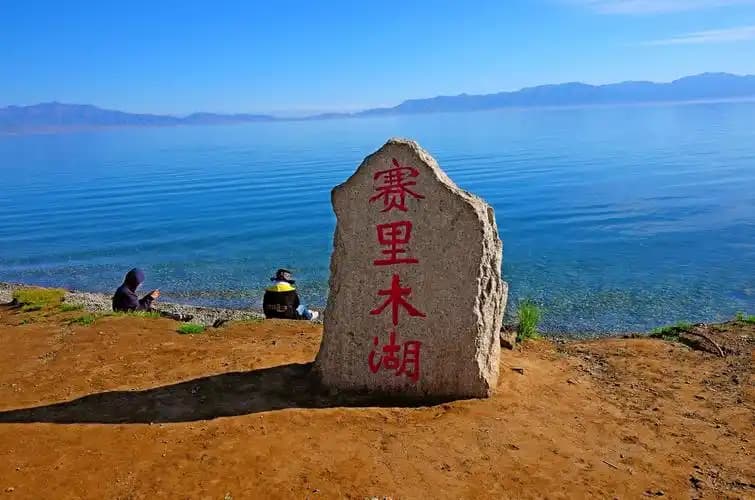
Boiling and Filtering on the Road
Most hotels and guesthouses give you an electric kettle. Boil for a full minute, let it cool, and you have safe drinking water for free. If you are squeamish about the kettle itself, run a cycle with a splash of vinegar at home base, or carry a small foldable silicone one.
Travellers who hike or self-drive should consider a filter bottle (a LifeStraw or a Brita bottle) and a few chlorine-dioxide tablets as backup. They weigh nothing and turn a suspect stream or a roadside tap into something drinkable. Restaurants and train stations almost always have a hot-water dispenser, so refilling a personal bottle is easy and free.
Water by Region: What Actually Changes
The rules stay constant, but the feel of water changes across Xinjiang. In the north, around Urumqi, Yili, and the Altai, supplies are modern and bottled water is cheap and plentiful. In the south, from Aksu down to Hotan and Kashgar, the cities are just as well stocked, but the moment you turn off the highway toward a county town, shops thin out and prices climb. The Pamir and the far west are the tightest: Tashkurgan has stores, but a side trip toward the Khunjerab pass means carrying every drop you will need. The Taklamakan’s edge towns run hot and dry, so your daily litre count should rise, not fall. Plan water the way you plan fuel: top up whenever you can, because the next chance may be a long way off.
Staying Hydrated at Altitude and in the Desert
Xinjiang throws two extremes at you. On the Pamir and at places like Tianchi (Heaven Lake, about 1,900 metres), thin air and faster breathing dry you out, and dehydration makes altitude sickness worse. Our altitude sickness guide explains the rest, but the water part is simple: drink before you feel thirsty, aim for 3 litres, and go easy on alcohol on your first night up high.
In the Turpan Basin and along the edge of the Taklamakan, the air is so dry your sweat evaporates before you notice it. You can lose two litres without feeling sweaty. Carry more than you think, sip often, and remember that a cold bottle bought at noon is worth its weight in gold.
If you are combining a desert stop with a high pass in the same week, your body gets whiplash between dry heat and thin cold air, and both push water out of you faster than you expect. We keep one bottle in the car cup holder and another in the daypack, and we have learned to treat the first hint of a headache as a hydration alarm rather than the start of a bug.
Water, Food, and Street Stalls
Eating and drinking overlap here. The free hot water at restaurants is safe. Ice in city bars and hotels is usually made from purified water and fine. Out in a village, though, we skip ice and skip raw salad greens washed in tap water, favouring cooked dishes and fruit we peel ourselves.
Our halal food guide covers the broader eating picture, but the water rule is the same everywhere: when in doubt, boil it, peel it, or cook it. A plate of laghman noodles or a few skewers of chuanr comes with hot water on the side if you ask.
Practical Tips Before You Leave
A short checklist that has saved us more than once:
- Pack a reusable 1-litre bottle. Our Xinjiang packing list shows what else belongs in the bag by season.
- Carry a small filter or purification tablets if you will hike or leave the main towns.
- Keep some cash. A bottle costs pocket change, but remote shops may not take your foreign card, and our money and payments guide explains why.
- Read the wider Xinjiang travel tips before you go, and skim a current safety briefing for the regions on your route.
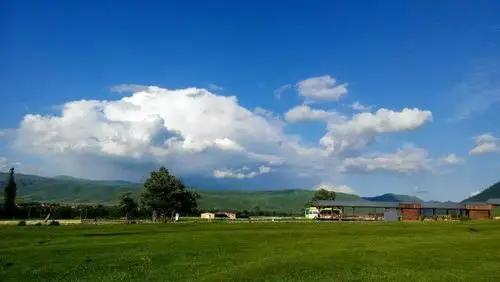
A Sample Day of Staying Hydrated
A real day on our Kashgar-to-Tashkurgan drive looked like this. We boiled a kettle at the guesthouse and filled two thermoses before leaving. At the first town we bought a cold 1.5-litre Nongfu Spring for the car. At lunch in a small restaurant we refilled both bottles with free hot water and ordered noodles. Mid-afternoon, hot and dusty, we bought another cold bottle from a roadside shop. By evening in Tashkurgan we topped up from the hallway dispenser. Total spent: about ¥8. Total worrying: zero.
Frequently Asked Questions
Can I brush my teeth with tap water?
In cities, yes, most travellers do without issue. If your stomach is sensitive, use boiled or bottled water for the first few days.
Is the hot water in train stations safe?
Yes. Station dispensers use purified water, and it is boiled hot. Fill a bottle and let it cool.
Can babies drink the water?
Use boiled-and-cooled water or sealed bottled water for formula. Do not use raw tap water for infants.
What about rivers and mountain streams?
Treat them. Even clear water can carry parasites. Filter, boil, or use purification tablets before drinking.
Do locals drink the tap water?
Almost never straight. They boil it for tea, or they buy bottles. The habit exists for a reason.
Is the water hard?
In some areas, yes. You may notice a mineral taste or light scaling in the kettle. It is harmless but another reason many travellers prefer bottles.
Can I use the hotel kettle for drinking water?
Yes. Run it once empty to flush the element, then boil a full minute. The boiled water is safe; the kettle itself is the only thing worth a quick rinse first.
What if I run out in a remote area?
Ask at the nearest guesthouse, police post, or restaurant for 白开水 (baikai shui, plain boiled water). Almost everyone can give you safely boiled water, which solves the problem without a shop in sight.
Disclaimer
This article shares personal experience and general public-health guidance. It is not medical advice, and water quality, pipe conditions, and shop practices change. Always check current guidance from your embassy, the WHO, or a local health authority, and when something looks or tastes off, choose bottled. Conditions on the ground may differ from what we describe.
About the author
Karl Huang is a travel writer focused on Xinjiang and western China. He has driven the Duku Highway, crossed the Pamir by shared van, and argues that the single most useful item in any Xinjiang daypack is a refillable bottle. His work appears across several regional travel sites.