Published: August 14, 2026 | Author: Karl Huang, editor at Xinjiang Attractions
Nothing derails a good travel day faster than standing in a lobby at 11pm while a receptionist shakes her head at your passport. Xinjiang hotel registration is the one piece of admin that catches foreign visitors off guard, and it has almost nothing to do with the region’s reputation and everything to do with how Chinese hotels are licensed. I have booked rooms across Xinjiang on six separate trips since 2019, been turned away twice, and learned that the whole problem is solvable with about ten minutes of preparation per city.
This guide explains what the registration requirement is, why some properties accept foreign guests and others do not, and exactly what happens when you hand over your passport at the desk. Where rules are set nationally I say so; where practice varies by county I say that too, because pretending otherwise would get you stranded.
What Xinjiang hotel registration actually means
Every hotel in China, from a five-star tower to a roadside inn, has to record who sleeps there and pass that record to the local public security bureau. For Chinese guests it happens with an ID card tap that takes three seconds. For foreign passports the hotel needs a system module that can read and transmit passport data, plus staff trained to use it. Properties that have it are commonly described as able to receive foreign guests; those that do not simply cannot complete a legal check-in for you, even if they have twenty empty rooms.
The underlying rule sits in China’s Exit and Entry Administration Law, which requires accommodation providers to register foreign guests and report the information to police, and requires visitors staying in a private home to register themselves at the local police station (within 24 hours in cities, longer in rural areas). Current text and contact points are published by the National Immigration Administration, and provincial notices appear on the Xinjiang regional government portal. Nothing in the rule is Xinjiang-specific. What is regional is the share of small hotels that have not bothered with the foreign-guest module, because in a county town of 40,000 people they may see one foreign traveller a year.
Quick reference: where foreign guests are usually accepted
| Place | Realistic options | Check-in time | Notes from my own stays |
|---|---|---|---|
| Urumqi | Wide: chains, business hotels, hostels | 5–10 min | Never refused here in six trips |
| Kashgar | Good: old-town guesthouses plus mid-range hotels | 10–20 min | Paper forms still common in courtyard inns |
| Turpan, Yining, Korla, Hotan | Reliable in the city centre | 10–15 min | Book the bigger properties, not the cheapest |
| Altay, Burqin, Tashkurgan | Limited but workable | 15–30 min | Call ahead in shoulder season when staff rotate |
| Small county towns | One or two hotels only | Unpredictable | This is where refusals happen |
| Village homestays, yurt camps | Often unregistered | N/A | Ask whether they can register you before paying |
Read that table as a probability map rather than a promise. Licences change hands, and a hotel that took me in 2023 may have dropped the module by the time you arrive.
What check-in looked like for us, city by city
In Urumqi the process is boring, which is exactly what you want. At a mid-range chain near Nanhu Square the clerk scanned my passport, took a photo against a white wall, printed a slip, and handed back a room card in under five minutes. She had clearly done it a hundred times that month.
Kashgar was slower and friendlier. The guesthouse owner near the old town copied my passport by hand into a ledger, then again into a tablet, apologised for the delay, and brought tea while the upload finished. Total time: nineteen minutes, most of it spent talking about his son studying in Xi’an. If you want that kind of stay, the courtyard guesthouses of the old towns are worth the extra paperwork.
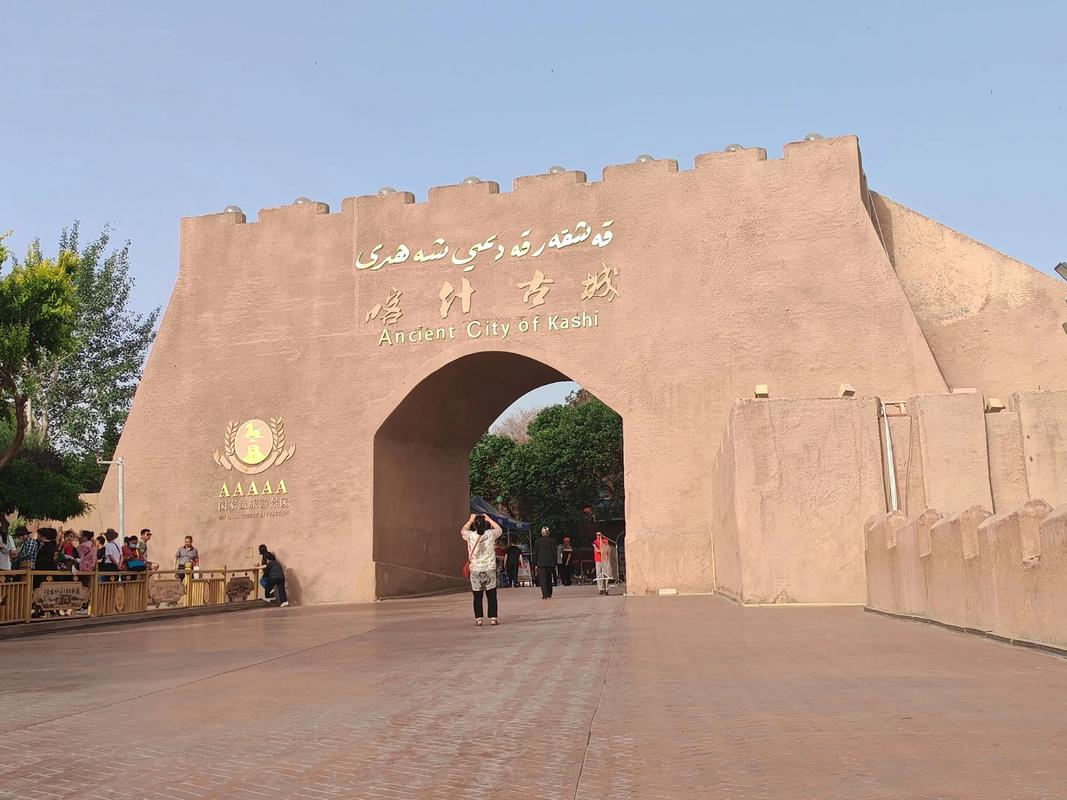
The two refusals both happened in small towns. One was a family-run inn in a county seat in the south, where the owner pulled up his booking system, showed me the greyed-out passport field, and then spent fifteen minutes phoning around until he found a hotel two streets away that could take me. That call was the difference between a bed and a bus-station bench, and I have relied on that kind of help more than once since.
The second was in a village guesthouse below the Altai peaks, where the family simply had no registration system at all. Their suggestion was practical: stay one night, walk to the police post in the morning with them, and let the officer log it. The officer was mildly amused, wrote everything down, and told us to enjoy the horses. I would not plan a trip around that outcome, but it is a reminder that officials on the ground are usually trying to make the paperwork work rather than block you.
Getting from the airport or station to a hotel that can take you
Arrival logistics matter more here than in most of China, because a refused check-in at midnight means a second taxi ride. Urumqi’s Diwopu airport has a metro line and airport buses into the centre, and both Urumqi and Kashgar station areas are full of hotels that handle foreign passports. My habit is to book the first night close to the transport hub even when the location is dull, then move to the nicer neighbourhood the following day once I have a confirmed room.
If you are driving between towns, plan arrival before 8pm. Rural roads combine with roadside ID checks to make schedules slip by an hour or more, and hotel night staff are the least likely to know how to process a passport. Remember too that the region runs on two clocks, official Beijing time and unofficial local time: when a guesthouse says reception closes at ten, confirm whether that means Beijing time or local time, a two-hour difference that has embarrassed me before.
When to travel if you want the widest choice of rooms
July and August fill up the Ili valley, Kanas and Sayram Lake, and prices in resort areas double. Registration is not harder in high season, but your fallback options shrink because the two or three foreigner-ready hotels in a small town may already be full. Late May, June and September are my preferred windows: staff are on duty, rooms are available, and you can still switch properties on the same day if something goes wrong.
Winter is the opposite trade-off. Ski areas around Altay and Urumqi stay busy, while many county hotels reduce staffing, and the person who knows the registration system may not be working that shift. If you travel between November and March, call the property the same morning rather than trusting a booking made three weeks earlier.
Choosing accommodation: chains, guesthouses, yurts and homestays
Domestic chain brands are the safest default: their systems are standardised and their staff train on the foreign-guest module. Independent boutique hotels in Kashgar, Yining and Turpan are usually fine and far more interesting. Hostels exist in Urumqi and Kashgar and accept international guests, though dorm availability is thin outside summer.
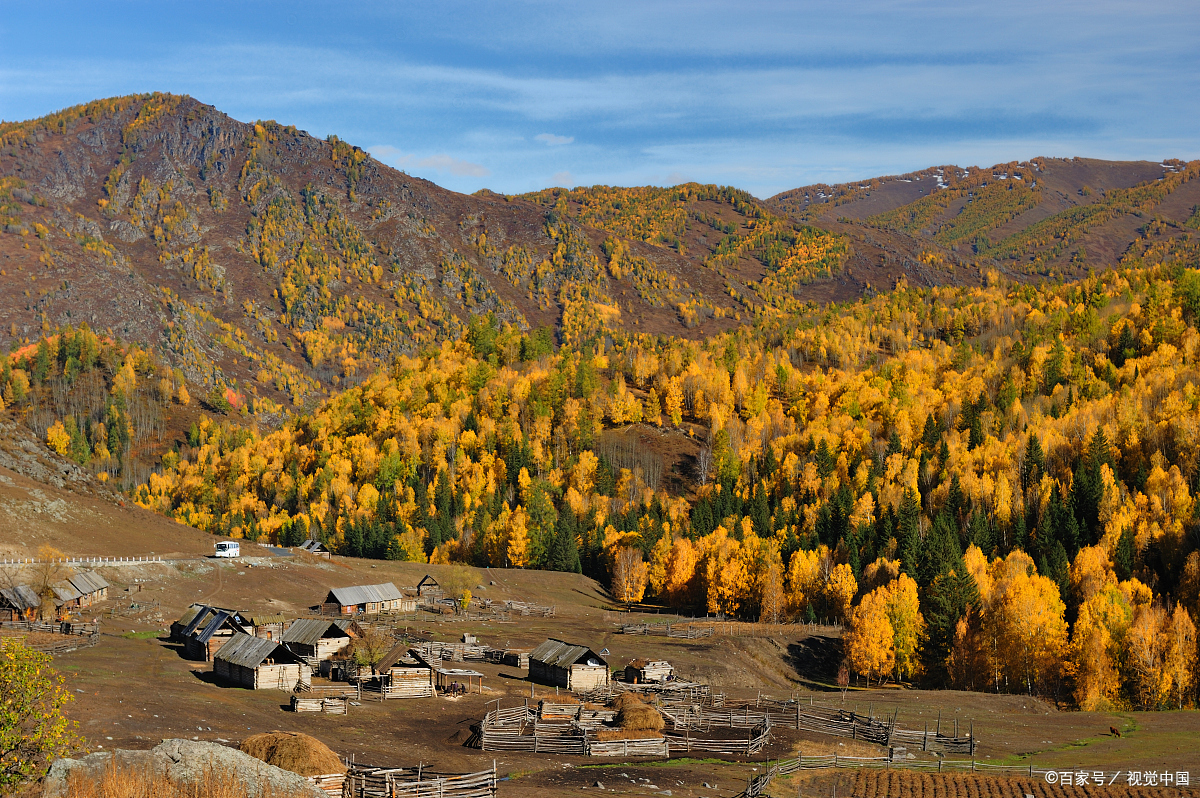
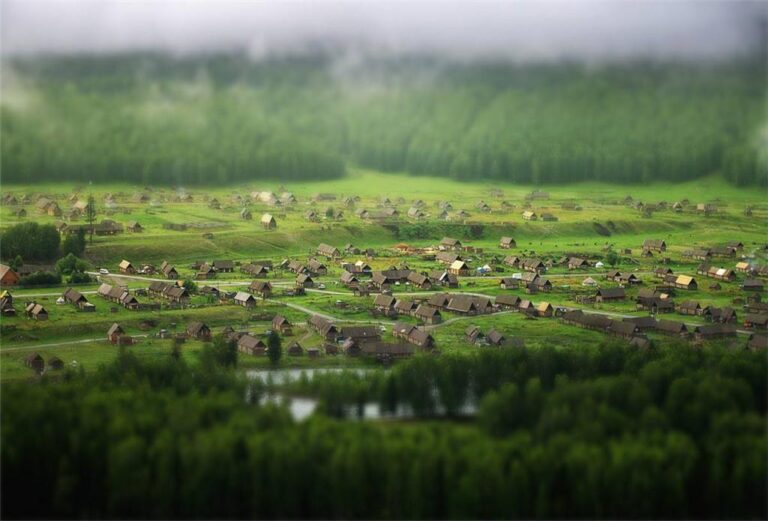
Two categories need care. Village homestays in places like Hemu or Baihaba are often licensed for domestic tourists only, so ask the question before you transfer a deposit. Grassland yurt camps range from formally registered tourism operations to a family with three spare beds. For price expectations across all these tiers, our overview of Xinjiang hotels from budget to luxury gives current ranges by city.
Eating late when check-in eats your evening
A slow registration often lands you at dinner time with nothing open nearby, so I always note one late kitchen per city. Urumqi’s night food streets serve kebabs and laghman past midnight. In Kashgar, the food alleys near the old town keep going until roughly 11pm in summer. Smaller towns close early, and the reliable fallback is a noodle shop by the bus station plus naan bought that afternoon, which keeps for days and has rescued more of my evenings than any restaurant.
Practical tips that saved us time
- Book through the international version of a booking platform. If a listing accepts a passport as the guest ID, the property almost certainly has the module.
- Message the hotel after booking and ask plainly whether they can receive foreign guests. Screenshot the reply.
- Carry two photocopies of your passport photo page and visa. Some smaller places still keep paper records.
- Keep your entry stamp accessible. Clerks occasionally need the date of entry for the form.
- Expect a room deposit of 100 to 300 yuan, payable by mobile wallet or cash and refunded at checkout.
- Save the address of a backup hotel in each town, with Chinese characters, before you arrive.
- If you are refused, ask the clerk to phone a hotel that can register you. It works more often than searching online yourself.
A sample three-city booking sequence
Here is how I set up a two-week trip in September 2024. Night one: chain hotel near Urumqi station, booked internationally, arrival 9pm, check-in six minutes. Nights two and three: same hotel while arranging onward transport. Nights four to seven: courtyard guesthouse in Kashgar, confirmed by message two days ahead, with a mid-range hotel saved as a backup. Nights eight and nine: Tashkurgan, booked a week early because choice is limited on the plateau. Nights ten to thirteen: Yining and the Ili valley, one hotel in town plus one grassland stay where I confirmed registration in writing first. Night fourteen: back near the airport. Two properties out of seven asked for extra documents, none refused me, and the only stress came from an arrival delayed by weather.

Frequently asked questions
Do I need a special permit to book a hotel in Xinjiang?
No. A valid Chinese visa or visa-free entry is what matters. See our summary of visas and permits for foreign tourists for the entry side.
Will police visit my room?
It has never happened to me. The hotel transmits your details electronically and that is the end of it. In two small towns an officer phoned the front desk to confirm the entry.
Can I stay with a Chinese friend?
Yes, and you then register yourself at the neighbourhood police station, ideally on arrival day with your host and their household registration document.
What if every hotel in town refuses me?
Ask any hotel to call the local police non-emergency line. They will name a property that can register you, and in my experience that call resolves the situation in under twenty minutes.
Disclaimer
Accommodation licensing and registration practice in Xinjiang change without much notice, and enforcement varies between prefectures. Everything here reflects my own stays between 2019 and 2024 plus published national rules at the time of writing, not legal advice. Confirm requirements with your hotel and, where relevant, with the National Immigration Administration or your embassy before you travel.
About the author
Karl Huang edits Xinjiang Attractions and has travelled the region on six trips since 2019, covering Urumqi, Kashgar, the Pamir plateau, the Ili valley and the Altai. He books his own accommodation, keeps notes on which properties completed registration without trouble, and updates these guides after each trip. Corrections from readers who were accepted or refused somewhere are welcome and go into the next revision.