Published: 10 October 2026 | Author: Karl Huang
One correction before anything else, because it matters if you are planning a food trip in southern Xinjiang. The county most travellers actually mean when they say “Xinjiang walnuts” is Wensu (温宿), not Keping. Wensu, on the southern side of the Tien Shan in Aksu prefecture, holds the official title “China’s Walnut Hometown” (中国核桃之乡), and its thin-shell 温185 walnut is the variety you will see bagged in every bazaar from Urumqi to Kashgar. Keping is a neighbouring county in the same prefecture, but it is known for camels, chamagu root and mutton, not walnuts. I have driven the Aksu to Wensu road more than once, and I keep the facts straight below.
This is a travel and buying guide written after my own visits, not a rewrite of a tourism leaflet. The figures come from the Aksu regional government and the Wensu forestry bureau, and where I am guessing I say so plainly. If you want the honest window for fresh walnuts and the brands worth looking for, keep reading.
| Item | Detail |
|---|---|
| Where walnuts grow | Wensu County, Aksu prefecture, southern foot of the Tien Shan |
| Official title | “China’s Walnut Hometown” since 2004; “Wensu Walnut” GI trademark registered 2023 |
| Planting area | Around 800,000 mu (about 53,000 hectares) |
| Annual output | Just under 200,000 tonnes of in-shell walnuts |
| Headline variety | 温185 (Wen 185) paper-shell: shell about 0.6 mm, kernel rate 70% plus |
| Fresh walnut window | Early August to early September, green walnuts only |
| Dried harvest peak | Mid-September to late September, 温185 main pick |
| How to reach | Fly or train to Aksu, then 40-minute drive to Wensu town |
Standing in the Orchards
We arrived in Wensu in the third week of September, the week the local pickers call the real harvest. The orchards outside town are not the tidy groves you might picture from a California postcard. They are long rows of gnarled, head-high trees planted so close the branches touch, and in late September the ground beneath them is littered with fallen green husks and cracked shells. A farmer we met near Tuohula township cracked a 温185 in one hand for us, the shell splitting like a biscuit, and handed over a pale, faintly sweet kernel. That is the whole appeal: you do not need a nutcracker, and the kernel comes out in one piece.
What surprised me most was the scale. Wensu is not a cute one-village oddity. It is a working agricultural county where walnut is the single biggest cash crop, and the harvest moves through the entire place at once. Trucks loaded with mesh sacks queue at the cooperatives, the air smells of cut green husk, and every roadside stall suddenly has a metal bowl of cracked samples. If you want to feel a region’s economy in your own hand, this is the place to do it. I have stood in bigger markets since, but none made the connection between soil and shelf as clear as that morning did.
Getting to Wensu
Most visitors base themselves in Aksu city and make Wensu a day loop. Aksu has its own airport with daily flights from Urumqi, plus a regular train connection that is slower but far cheaper and lets you watch the desert slide past. From Aksu city centre to Wensu county town is roughly 40 kilometres, about a 40-minute taxi or a county bus that leaves every half hour through the day. We rented a car in Aksu and drove the G314 south, and the orchards began almost as soon as the city edge ended.
If you are already on a southern Xinjiang route, Wensu sits neatly between Aksu and Kuqa. We folded it into a longer drive and stopped at the Kuqa market two days later, where the same 温185 walnuts were on sale at a higher price than at the Wensu cooperatives. Buying at the source really is the whole point of the trip, and the difference was not small.
When to Go
The answer depends entirely on what you want. Fresh green walnuts, the kind you eat before they dry, are around only from early August to early September. The kernels are milky and a little astringent, and they do not travel or keep for more than a few days. If that is your target you have to be in Wensu during those four weeks, and you will eat them on the spot rather than carry them home.
For everyone else, mid-September to late September is the window that matters. That is when the 温185 and 新新2 varieties are picked, dried and bagged, and when the cooperatives and bazaars are full. The weather is still warm and dry, the roads are clear, and you can buy a year’s supply at farm-gate prices. We timed our visit to the third week of September and hit it exactly, with sacks stacked waist high at every cooperative we passed.
A note for planners: the wider Aksu, Kashgar and Hotan walnut belt all harvest in September, so if Wensu is sold out of a particular grade you can find the same nuts a valley over. The Turpan grape harvest runs a little earlier and the Hami melon season is its own separate thing, but all of them share the same late-summer-to-autumn rhythm.
Where to Stay
Sleep in Aksu city. It has the better hotels, the airport, and a proper night market, and Wensu is an easy morning drive. We stayed in a standard business hotel near the Aksu bus station for about 220 yuan a night and ate our way through the surrounding stalls each evening. Wensu town itself has cheaper guesthouses if you want to be among the orchards at first light, but the choice is thin and the heating in older places can be weak on early autumn nights. For a walnut-focused trip, the city base is the smarter call.
What to Eat
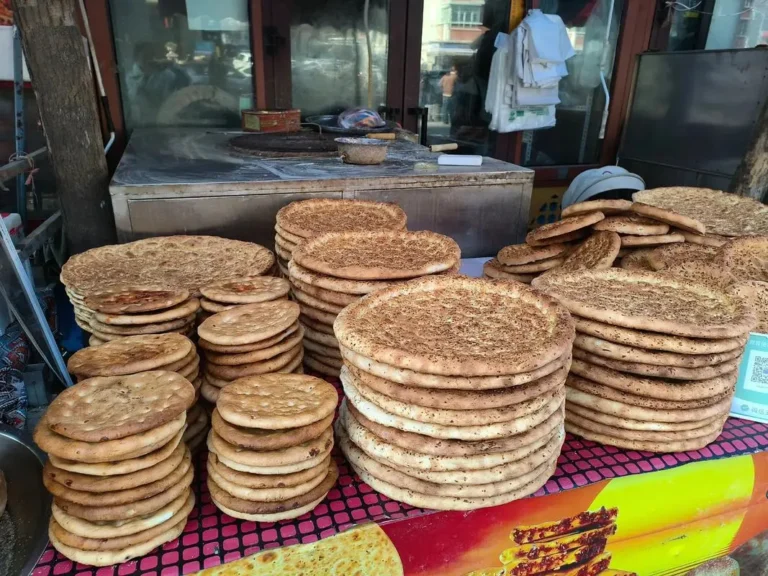
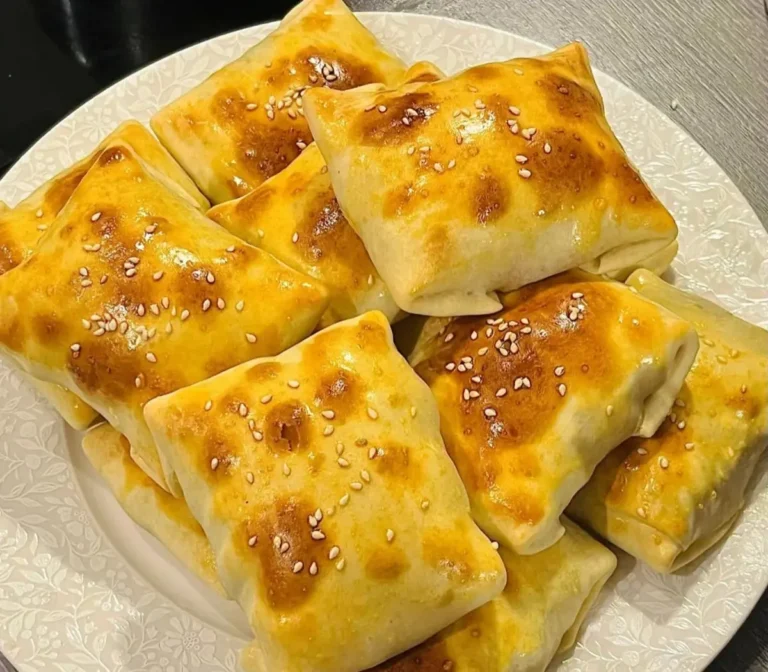
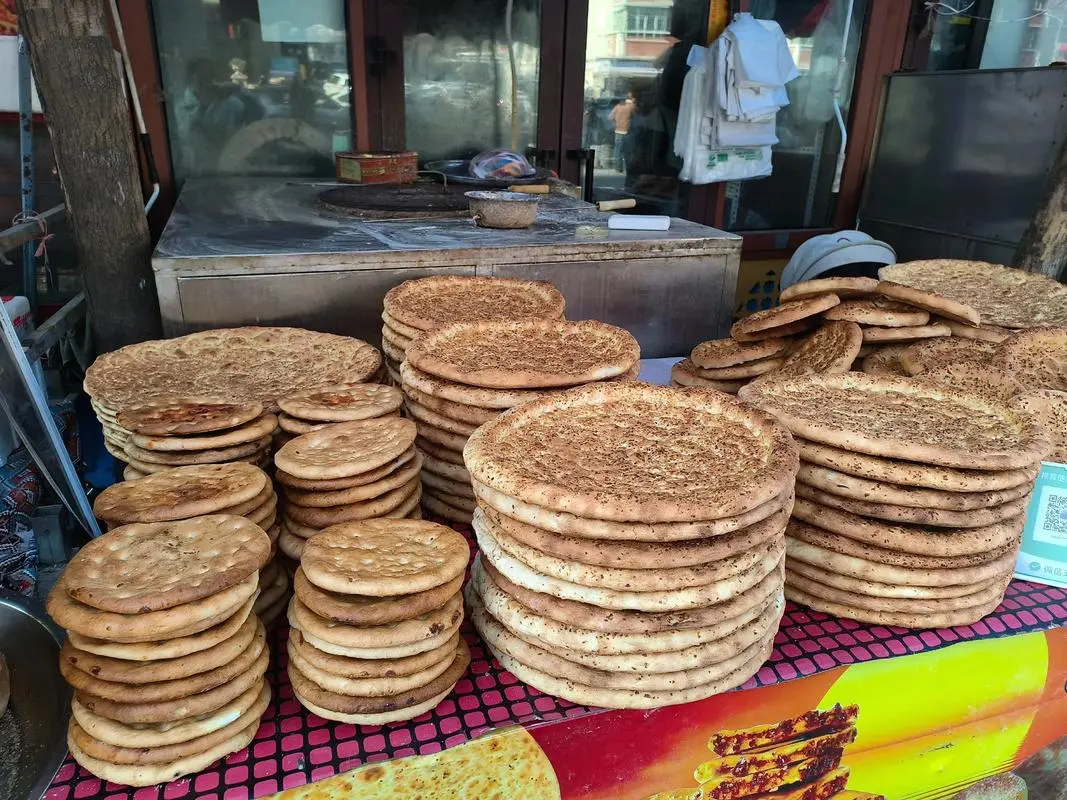
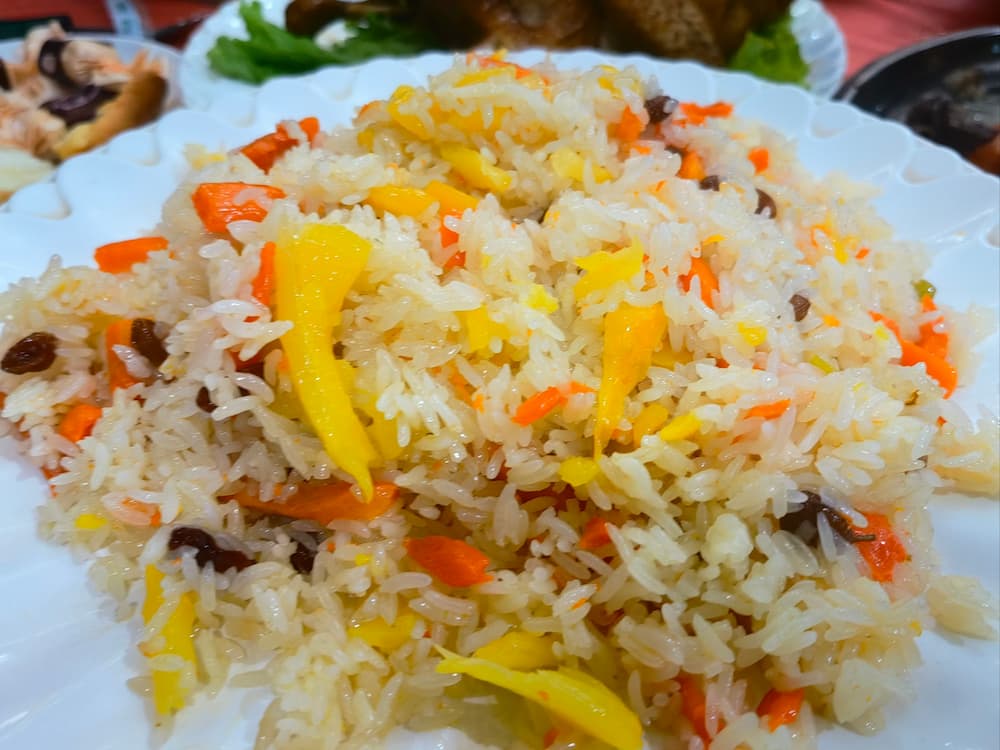
Walnuts turn up in more Xinjiang dishes than most visitors expect. Walnut naan (核桃馕) is the obvious one: a round flatbread with crushed kernels folded into the dough, sold warm from the tandyr oven at every bakery. Walnut paste goes into some Uyghur sweets, and crushed walnuts sit on top of certain cold noodle salads. Beyond walnuts, the Aksu table is the standard southern Xinjiang spread: pilaf with yellow carrot and raisin, grilled lamb skewers, laghman noodles, and the giant stuffed flatbreads called 烤包子.
The single best thing we ate in Wensu was not fancy at all. It was a hot walnut naan broken open and eaten standing up outside the bakehouse, with a paper cup of black tea. Buy the bread where you see the ovens fired, not from the pre-packaged stacks in the supermarket, because the fresh ones are a different food entirely.
What to Buy and How to Avoid Duds
At the source, look for the 温185 label and the “Wensu Walnut” (温宿核桃) GI mark. A real paper-shell nut should crack along the seam with your thumb and give a full, pale kernel. Avoid anything with a uniform deep-brown shell that looks machine-polished, because that finish often hides older stock. For souvenirs, the local “Baoyuan” (宝圆) brand, the oldest name in the county, is a safe bet, and the cold-pressed walnut oil from the county’s processing line makes a genuinely good gift that survives the flight home without crushing.
Prices at the cooperatives run well below the bazaar markup in bigger cities. We paid roughly a third of what the same grade cost us later in Kashgar. Weigh before you commit, bring cash for the smallest stalls, and expect to haggle lightly at the open market. For the full picture of what a southern Xinjiang bazaar actually stocks beyond walnuts, the Keping County page covers the wider Aksu region’s other products, including the famous local camel and mutton that Keping is actually known for.
Practical Tips
- Go in the third week of September if you want both good weather and full stocks. Earlier means green walnuts only; later and the best grades are gone.
- Carry a small daypack for bought nuts, because the paper sacks they hand you will leak shell dust into your luggage.
- Bring cash. The cooperatives take cards, but the roadside grannies with the good cracked samples do not, and those are often the best nuts.
- Do not buy “fresh” walnuts in winter and assume they are this season’s crop. Dried walnuts keep a year, so ask which harvest you are actually buying.
- If you only want to eat walnuts and not see the orchards, skip Wensu entirely and buy the same 温185 in any city bazaar. The trip rewards people who want the source, not just the snack.
A Two-Day Plan
Day 1 — Fly or train into Aksu, check into a city hotel, and spend the evening at the night market eating naan, pilaf and walnut sweets.
Day 2 — Drive to Wensu in the morning, walk an orchard outside Tuohula or Keriya township, buy at a cooperative, then loop back through Aksu for an early dinner. If you have a third day, push east to the Kuqa market for contrast.
Frequently Asked Questions
Can foreigners buy and take walnuts home?
Yes. Walnuts are a normal agricultural product with no export restriction for personal amounts. Keep your receipts and stay within your home country’s dried-food limits, but there is no special permit needed for a few kilos.
What is the difference between 温185 and ordinary walnuts?
温185 is a paper-shell cultivar bred in the Aksu region. Its shell is about 0.6 mm thick and the kernel rate is over 70%, so it cracks by hand. Ordinary thick-shell walnuts need a cracker and give far less edible kernel per nut.
Is Wensu worth a dedicated trip, or should I just buy in Urumqi?
If you only want to eat walnuts, buy them in any city bazaar. Wensu is worth it if you want to see a working harvest, pay farm-gate prices, and fold it into a southern Xinjiang drive.
Are the fresh green walnuts really only available in August?
Roughly, yes. The fresh-eating window is early August to early September and the kernels do not keep. After that the same trees are harvested for dried walnuts through late September.
Disclaimer
Harvest dates move with the weather and the cooperatives’ own schedules, so confirm the current season with the Wensu forestry bureau or a local operator before you travel. Flight routes, prices and accommodation change. This article is a travel account based on my own visits and public sources, not official advice, and I take no responsibility for a sold-out cooperative or a closed road.
About the author
Karl Huang is a China-based travel writer who covers Xinjiang’s food, markets and less-traffic routes. He writes only about places he has visited and checks figures against regional government and bureau sources rather than second-hand blogs.