Published: October 9, 2026 | Author: Jonas Weber
Keping County Xinjiang does not appear on most itineraries. It sits back off the Aksu to Kashgar road, behind a low wall of red hills, and the only thing marking the turn-off is a green county sign beside a road that starts climbing. I drove past it twice before I turned in, once in April 2023 with a driver from Aksu, and again on a bus in October 2025 when I stayed two nights in the county town. What I did not expect was how loudly a working place announces itself: feed trucks at dawn, a slaughterhouse on the east side with a queue of taxis, and field after field of a plain-looking purple root that the whole local economy turns around. This is the other side of Keping from the folded rock, which I wrote up in the Kalpin canyon guide.
Where this guide comes from
Two visits, four days on the ground, one of them over a harvest week. Road times and bus departures were checked locally and then set against the county government’s own published figures, which for a place this small is the most dependable source you will find. Where local practice and official description disagree, I flag it. Visitor numbers for Keping barely exist, so treat any forecast you find online with suspicion.
Keping County at a glance
Quick reference for anyone weighing the detour.
| Item | Detail |
|---|---|
| Location | Westernmost county of Aksu Prefecture, foot of the Alt Tagh range, north-west edge of the Tarim basin |
| Size | 8,912 km²; three towns, two townships, 36 villages |
| People | About 56,000 residents, roughly 98 per cent Uyghur |
| Altitude | 1,060 m at the lowest point up to 4,049 m in the mountains |
| Rain a year | 73.8 mm, against 2,865 mm of evaporation |
| Getting in | G314 then S308; the county town stands 23 km off the highway, about 146 km from Aksu |
| Rail | None. There is no station in the county |
| Draw | 56,000 camels, qarma turnip fields, red desert sand, Ordovician rock |
| Time needed | Two days minimum, three comfortable |
| Budget | 250 to 400 CNY a day |
The county that lives on 73 millimetres of rain
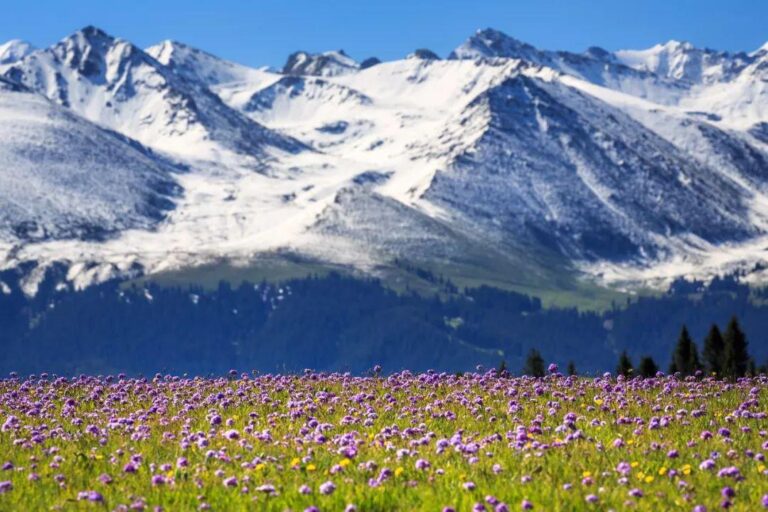
Read the climate before you judge the place. Keping takes 73.8 mm of rain a year and loses 2,865 mm to evaporation, roughly one to thirty-nine. Desert, gravel and mountain account for 72.4 per cent of the land and mountain alone for 53 per cent. Yet the county town holds gardens, a river with water in it most of the year, and a shaded belt of trees along the main street that the residents irrigate by hand and by habit.
The trick is drainage. The Keping River cuts through the range and feeds the oasis, which sits lower than the ranges around it, at about 1,100 m. Everything the county sells starts from that one accident of water. The county office counts six industries here: sheep, camels, qarma, yellow apricots, gobi-grown dendrobium, and greenhouse horticulture.
Fifty-six thousand camels, and what that means on the ground
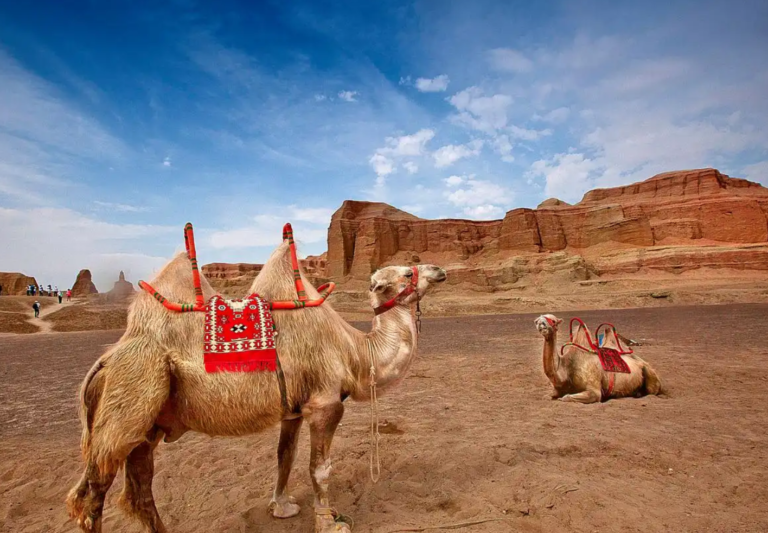
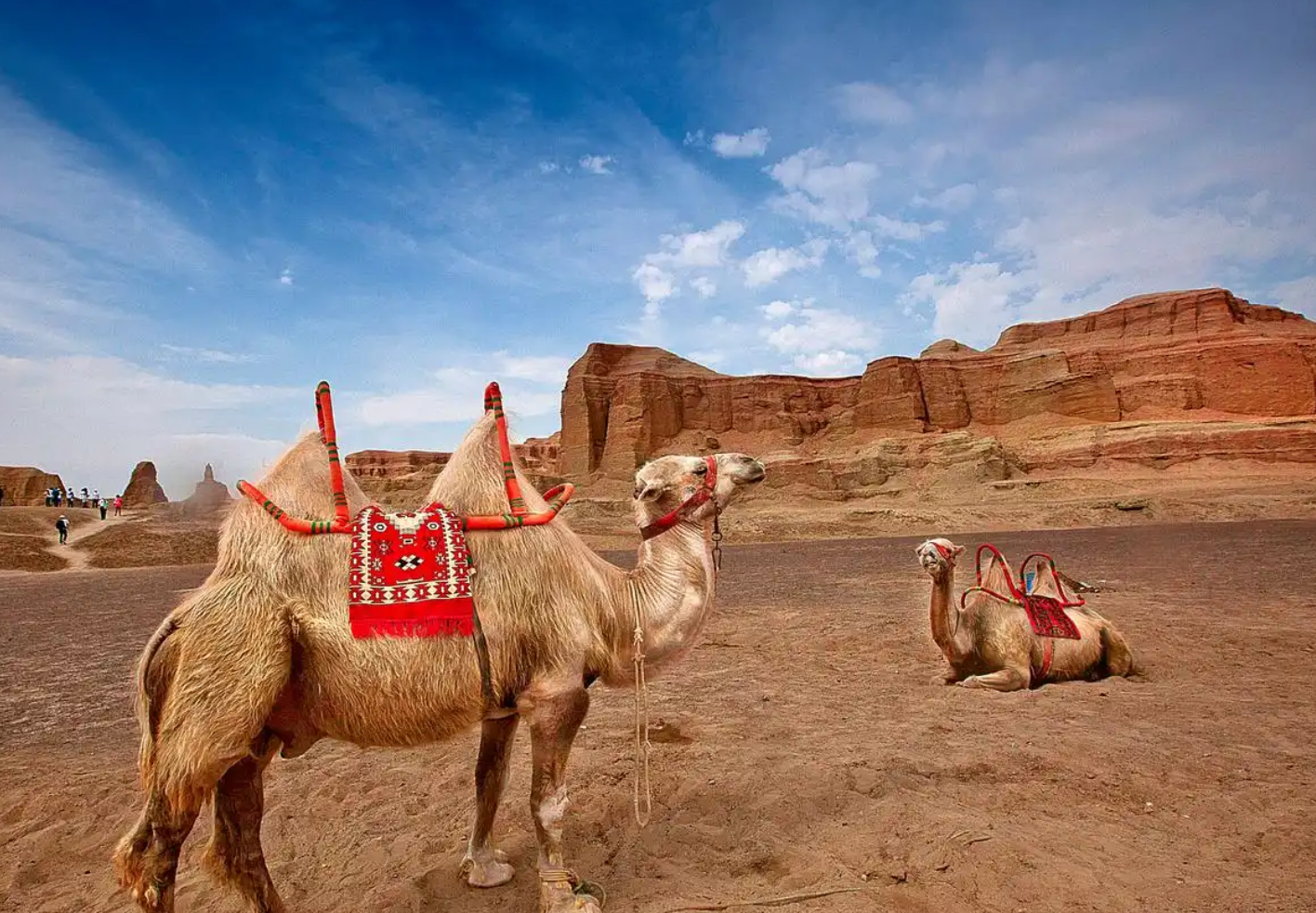
Camels here are not a photo stop, they are the economy. The herd is 56,000 head, the largest county count in Xinjiang, and the town’s white camel nickname comes from herding that runs back over two thousand years. My first morning I walked out before six and found eleven animals tied along the north edge of town in the dark, all of them chewing.
The numbers behind the animals are large. The county reports camel milk output rising to 7,500 tonnes in its 2025 briefing, a camel trading market serving the whole corner of the region, and a guaranteed buy price for herders that has reached 30 CNY a kilogram at its highest. Livestock as a whole was worth 3.7 billion CNY in 2024. That, not the scenery, is what Keping runs on. The county has also built a camel park and a camel street in the town centre; the live animals, though, are still out past the last house, and that is where I went.
Qarma: the turnip that pays for the winter
Qarma looks like a shrunken black carrot and tastes between a turnip and a sweet potato, with an earthy finish. Keping grows it across 40,000 mu, roughly 27,000 hectares, and lifts it in late autumn to carry the winter. It carries both a geographical indication registration and an eco-origin protected product award, and the county sells it as a long-life fruit and a desert ginseng. Those last two are local marketing language, so I would not plan a health outcome around them.
What I can vouch for is the cooking. Qarma boiled with mutton is what I was fed three times in two days, and it works: the root goes soft and sweet in the broth and drinks the fat. Bakeries near the mosque also press it into a dark concentrate in small glass bottles. Buy the bottles, skip the claims.
Getting to Keping: the road in, and no rail at all
There is no railway station in Keping, so it is a car or a bus. From Aksu the run is about 146 km, the G314 for some 113 km, then the S308 north for 22 km to the county town. Buses from Aksu take between two and a half and three hours. The turn is easy to miss if you are not watching for it, since there is no grand entrance, just a sign and a road rising into red earth.
Westbound, the same road puts you at Artux in about two hours, capital of the Kizilsu Kirghiz prefecture and a far livelier market town. That direction leads on to the Sunday livestock market at Kashgar. South across the line lies Maralbexi, where the Yarkand River turns north. For reaching this corner of the region from the east, the Aksu travel guide covers it properly.
When to come
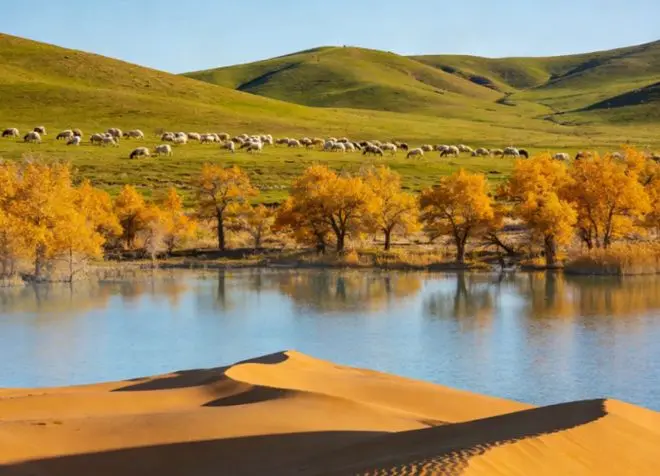
April to May and September to October, as with most of southern Xinjiang. April brings apricot blossom into the village orchards and the road surface is still firm. October is the one I would pick: the heat has gone, the fruit is off the trees, and the haloxylon turns gold. Early November is when qarma comes out of the ground, and that is the one season here the rest of the country is not already standing in.
Summer is not worth it; July clears 38 °C at the basin edge with no shade on the road between towns. Winter is short but real, with hard night frosts and the mountain road north sometimes shut after snow. Spring arrives as dust.
Where to sleep
The county town has a few ordinary hotels at 200 to 400 CNY, plus guesthouses on the main street with courtyards and trees. Two things to check. Small-town hotels here see mostly domestic visitors, so confirm by phone that they can register international guests, and let them do it properly at reception. And the noise starts at five when the feed trucks roll, so ask for a courtyard room if you mean to sleep past it.
Eating: qarma soup, camel meat, and the apricot that ships out
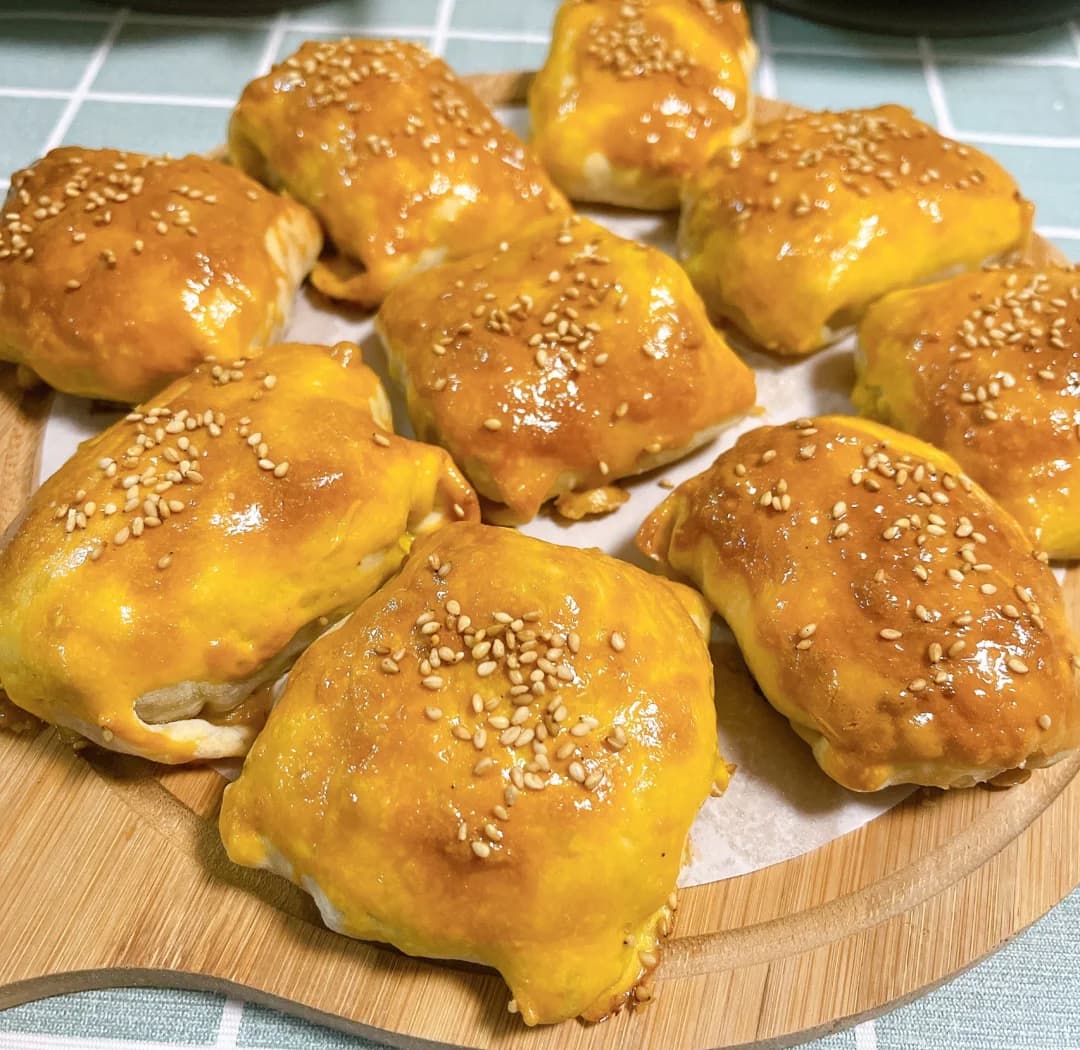
Do not come expecting a restaurant list. There is one decent Uyghur place on the main crossroads, a couple of noodle shops, and bakeries selling seeded flat bread. Three things genuinely worth arranging: qarma and mutton soup, which the shops will cook if you point at the root; grilled camel meat, drier and gamier than the lamb and worth one try; and braised lamb leg with cumin and sesame, the regional standard and the best dish in the county.
The apricots are the surprise. Keping grows 24,400 mu of yellow apricot, about 8,600 tonnes a year, and most of it leaves as juice, wine or tinned fruit. In June or July the orchards outside town are the place to buy from a tree. One honest correction, since it turns up in search: Keping is not a walnut place, and its protected products are lamb, camel milk and qarma. Walnuts further west at Wensu are a different valley’s story.
Red sand and Ordovician rock: the two sights worth the turn
Two sites justify the detour if the agriculture does not. The first is the red desert on the county’s northern side, a stretch of red dunes and red earth the county describes as the only red desert in China, odd-looking on film and defensible on the ground. The second is the Dawangou ridge, an Ordovician fossil outcrop some 485 million years old, presented locally as one of only three such exposures in the world and the only one in Asia. I walked it and found the rock underfoot layered in colours that had no business sitting this close together. The folded strata on the far side of the range are a separate story, covered in our Kalpin canyon piece.
Buying Keping’s produce without the middleman
This is the part no tourist guide gives you, and the reason the county markets so hard. Keping lamb reached the Greater Bay Area in Guangdong by cold chain in 2024 and shipped more than 300 tonnes in 2025. Camel milk powder goes further still, with exports reaching Singapore. Producers share a regional brand, and the county has opened specialty counters through its pairing programme with Zhejiang. Practically: the camel and feed markets on the east side of town are where the raw trade happens, the bakery near the mosque sells the qarma concentrate, and for anything sealed and shippable, ask the hotel desk which shop is the county’s own rather than a reseller.
Practical notes
Carry cash; the smaller shops here still run on it and the card slots are often empty. Bring an adapter and expect thin signal in the valleys north of town. The spring wind is fine dust, so a scarf earns more space than a jacket. If you take the bus from Aksu, choose an afternoon departure: the morning bus on the S308 is full of farm produce and a window seat is not guaranteed. Foreigners must be registered at accommodation within 24 hours, and in a county this size, do it in person.
What three days look like
Day one: arrive from Aksu by midday, walk the main street and the mosque square, eat qarma soup, check in, then go out past the last house before six to watch the herd come in. Day two: north to the red desert in the morning, the Dawangou ridge after lunch, grilled camel meat for dinner. Day three: the orchards if the season fits, the camel park and trading market, then the road west to Artux or south to Maralbexi, both about two hours. A fourth day gives you the poplar and haloxylon country to the south in late October.
Frequently asked questions
Is Keping worth a detour between Aksu and Kashgar? Only if you want the working side of southern Xinjiang rather than the sights. It costs about half a day of extra driving. The canyon country next door is the sight; Keping itself is the town you stop in.
Can I reach Keping by train? No. The county has no station. Aksu and Kashgar both do, and the road link between them is what you will use.
How many camels are actually in Keping? The county puts the herd at 56,000 head, the largest county count in Xinjiang, and the figure repeats consistently in official statements. What you see in town at any moment is a fraction of it.
What is qarma, and where do I try it? A black-skinned root vegetable, sweet and earthy, eaten boiled with mutton. Any noodle shop in the county town will cook it, and the bakeries sell it as a dark concentrate.
Do I need a car? Not strictly. The bus from Aksu works, but a car or hired driver lets you do the red desert and Dawangou ridge in one day, which is the main reason to come.
Disclaimer
Road distances, timetables and herd figures change, and small counties change faster than the maps. Verify anything that affects a booking. Prices given are indicative for 2025 to 2026 and sit well below equivalent rooms in the big southern Xinjiang cities. The county has no formal tourism office in the way larger towns do, so the hotel desk is your best local source, and it is usually straight with visitors.
About the author
Jonas Weber writes about southern Xinjiang’s smaller counties and the working economies behind them, having first travelled the Aksu to Kashgar corridor in 2019. He has visited Keping twice and has spent longer on its livestock statistics than is reasonable. He is not a government representative and takes no payment from the county. Found something wrong here? He would like to know.