Published: October 13, 2026 | Author: Karl Huang
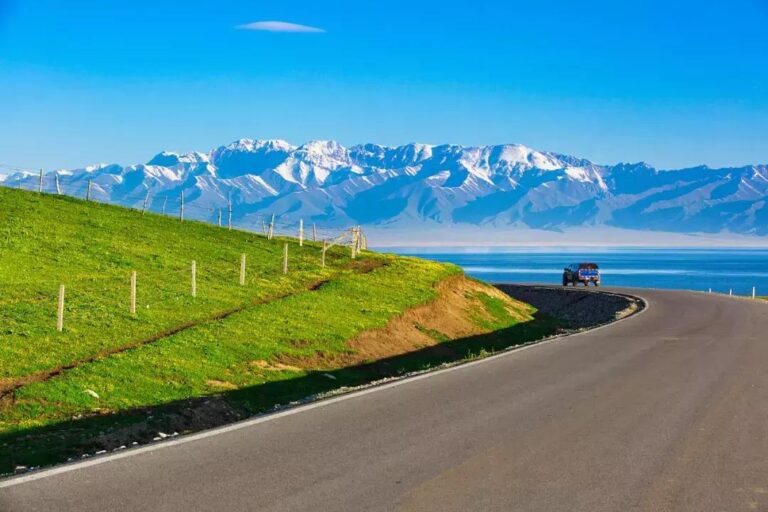
Most travellers have never heard of Kokdala Xinjiang, and that is part of the appeal. It sits on the north bank of the Ili River, about twenty kilometres west of Yining, and until 2015 it was not a city at all. What put it on the national map was a song: Caoyuan Zhi Ye (Night on the Grassland), recorded here in 1959, is still played on Chinese radio as the “most beautiful night song in the East.” The line “wait until Kokdala changes its face” turned out to be a promise the place would keep. We drove in from Yining on two separate trips, once in early summer and once in September, and this guide is built from those visits, the mistakes we made, and the things we would tell a friend before they book.
I am not going to claim Kokdala competes with Kashgar or the Kanas lakes for postcard drama. It is a new, planned city with a backstory rather than ruins. If you are tracing how modern Xinjiang was actually assembled, or you simply want a quiet, green base in the Ili valley, it is worth a half-day to a day, and it pairs naturally with the old Qing garrison town a few kilometres away.
Kokdala Xinjiang at a glance
A few facts so the rest of this makes sense:
| Where | Western Ili valley, north bank of the Ili River, roughly 20 km west of Yining |
|---|---|
| What it is | A county-level city run by the Xinjiang Production and Construction Corps (the 4th Division), on the “division-and-city” model |
| Status | The eighth Corps-built city; approved by the State Council in March 2015 and opened on 12 April 2015 |
| Area & people | About 980 square kilometres, with a population around 93,000 |
| Name | “Green grassland” in a Turkic/Altaic language |
| Signature | The song, the Ili River bridge, and a “park city” of 29 themed parks |
| Best window | May through September; late June for the lavender |
What we actually found in Kokdala
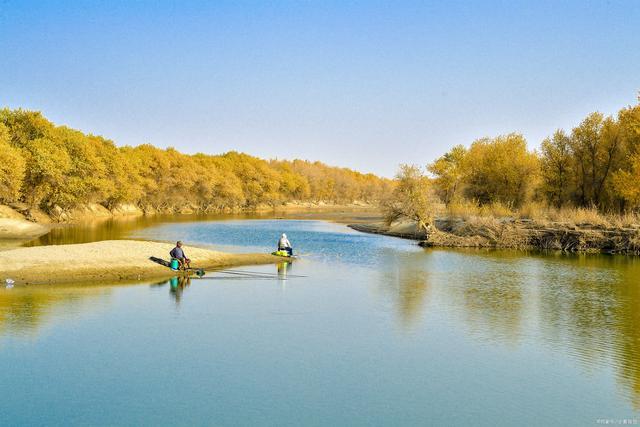
Our first surprise was the trees. Not the scrubby roadside rows you see elsewhere, but a real canopy over wide boulevards, the result of planting that began when this was still open steppe. The city brands itself “Central Asia wetland island, symphony summer capital” (中亚湿岛·交响夏都), and while that is marketing, the underlying fact is real: more than forty percent of the built area is green or water, and you can walk from one small park to the next without crossing a bare street.
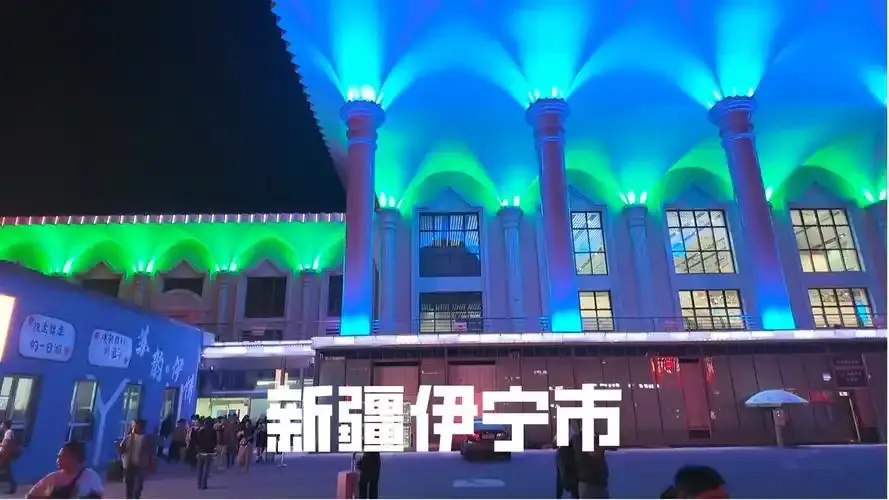
The centrepiece is the bridge. The Kokdala Bridge carries the road across the Ili River toward Yining, and at 2,527 metres with a 107-metre main tower it is the largest single bridge the Corps has built. We crossed it at dusk on the September trip and the towers were lit, throwing a long reflection on the water. Twenty years ago there was no city here and no direct crossing; today the bridge turns a thirty-kilometre detour into a twenty-minute hop.
We also met a retired teacher in a riverside park who had arrived in 1959 as a young soldier-farmer, the same year the song was made. He sang the first line to us from memory and laughed that the “changed face” line had finally come true in his lifetime. That kind of encounter is the actual reason to stop: the modern city and the old Corps story sit in the same handful of square kilometres.
The song that put Kokdala on the map
In 1958 a documentary team from the August First Film Studio came to what was then the Kokdala Farm, today’s 64th Regiment. The director, Zhang Jiayi, and the composer, Tian Ge, wrote Night on the Grassland as an interlude for the film Green Prairie, released in 1959. The story goes that Tian Ge sketched the melody in a single night after watching herders gather around a campfire. The song became the “little serenade of the East,” and the name Kokdala, which most Chinese had never heard, became shorthand for a remote, romantic frontier.
You will not find a grand museum dedicated to it, and I would not invent one. What exists is more modest: references to the song in the city’s public art and in the 64th Regiment area where it was born. Treat it as atmosphere rather than a sight, and the place reads differently.
Getting to Kokdala
Three realistic ways in, all of them through Yining.
Fly to Yining. Yining Airport (IATA: YIN) has daily connections to Urumqi and a handful of other cities. From the airport it is a thirty-minute drive across the bridge to the Kokdala city centre. Most international visitors will connect through Urumqi first; our guide to reaching Xinjiang by air, rail and road covers the wider routing.
Train to Yining, then taxi. The Urumqi–Yining high-speed line runs several times a day and takes roughly ten hours from Urumqi, or you can board at a midway city. A DiDi or taxi from Yining station to Kokdala is cheap and quick; have your destination in Chinese characters ready on your phone.
Drive. From Urumqi it is about 700 kilometres via the G30 expressway, an eight- to nine-hour run. In summer you can also approach from the south on the Yili route, but the S237 mountain road closes in winter, so check the season. Our self-drive Xinjiang planning guide walks through the G30 segment and fuel stops. If you are choosing between the two big northern regions, our comparison of Ili and Altai helps you split your time.
Best time to visit
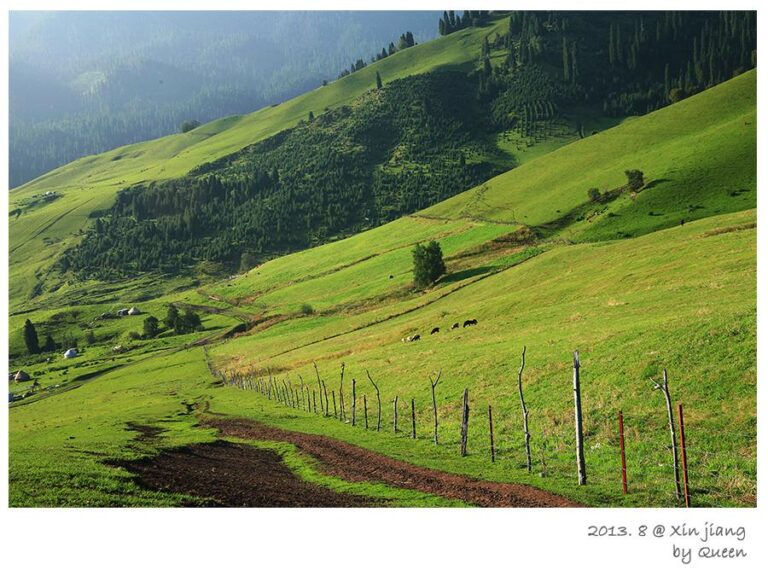
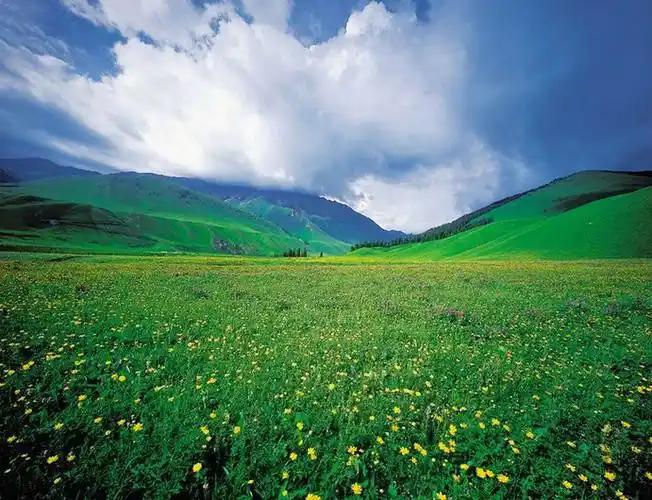
The comfortable window is May to September. The Ili valley is one of the milder corners of Xinjiang, so summer here is pleasant rather than punishing, and the grasslands and riverside are at their greenest from June to August.
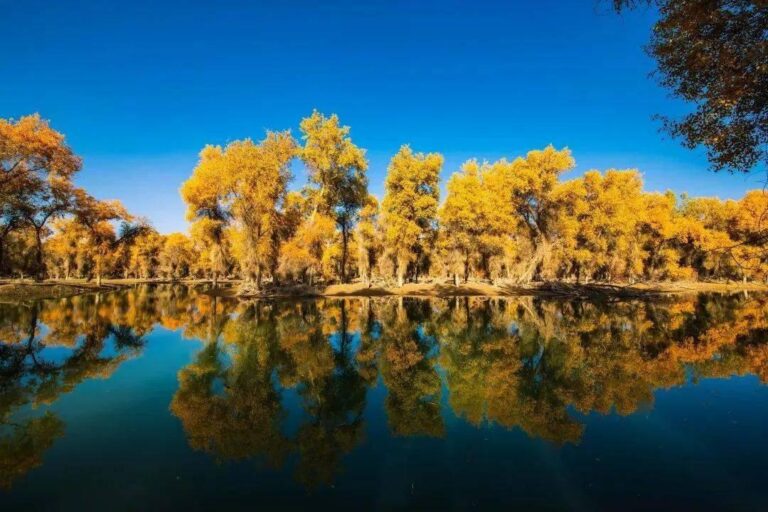
If there is one date to aim for, it is late June, when the lavender planted across the 4th Division fields around the city and toward Huocheng comes into bloom. We caught the tail of it on the June trip and the scent carried on the wind for kilometres. September is our personal favourite: the heat is gone, the light is low and golden, and the cotton and corn across the valley are being harvested. Winters are cold and quiet, the bridge stays open, but most parks lose their colour and some facilities close, so plan a winter stop for the story, not the scenery.
Where to stay
Practically, we recommend sleeping in Yining and making Kokdala a day trip. Yining has far more hotels, better value, and a livelier food scene, and it is only twenty minutes away. A clean mid-range room there ran us about 250 to 400 yuan a night depending on the season.
If you specifically want the park-city calm, Kokdala’s own new hotels are perfectly serviceable and put you within walking distance of the riverside and the bridge. Book ahead for the July–August peak and the National Day holiday in early October, when domestic travellers fill the valley.
What to eat
Kokdala eats like the rest of northern Xinjiang, with a Corps accent: wheat-heavy, lamb-forward, and generous. We ate well and cheaply.
Da pan ji (big plate chicken). Chicken, potato, pepper and wide noodles in a dark savoury sauce; order it for two and you will have leftovers.
Laghman and naan. Hand-pulled noodles and tandoor flatbread turn up at every corner stall for a few yuan.
Roast meat and milk tea. Mutton skewers and salty milk tea are the default roadside fuel and exactly what you want after a riverside walk.
A local point of pride worth knowing: the 4th Division produces Yilite (伊力特) liquor, often called Xinjiang’s first liquor. It is not a dish, but the brand’s ecological industrial park sits in the area, and the city’s identity is tied to it. For the wider Ili food scene, base yourself in Yining and graze there.
Practical tips
- Carry cash and a translation app. English signage is thin outside Yining, and smaller restaurants may be WeChat- or card-only.
- Time the lavender. Late June is the window; the fields are working farms, so stay on the edges, ask before entering, and don’t trample the rows for a photo.
- Pair it with Huiyuan Ancient City. A few kilometres away, in the 68th Regiment area, sits the old Qing garrison of Huiyuan, home to the Ili General’s Office (伊犁将军府) and a bell-and-drum tower. Lin Zexu lived here in exile in the 1840s. It is the historical counterweight to Kokdala’s newness and the single best reason to make a day of the area.
- Manage expectations on “old town.” Kokdala is a planned city; there is no ancient core. Come for the green grid, the bridge, and the song, not for alleys and bazaars.
- Confirm entry rules. Foreign travellers should check current Xinjiang entry and permit requirements before departure, as they have changed and vary by area.
A one-day sample itinerary
Morning. Cross from Yining over the Kokdala Bridge. Walk the riverside and one of the themed parks; the green layout is the whole point, so see it on foot.
Midday. Lunch on big plate chicken near the centre, then visit the 64th Regiment area connected to the song. If it is late June, build in a lavender-field stop at golden hour on the way back.
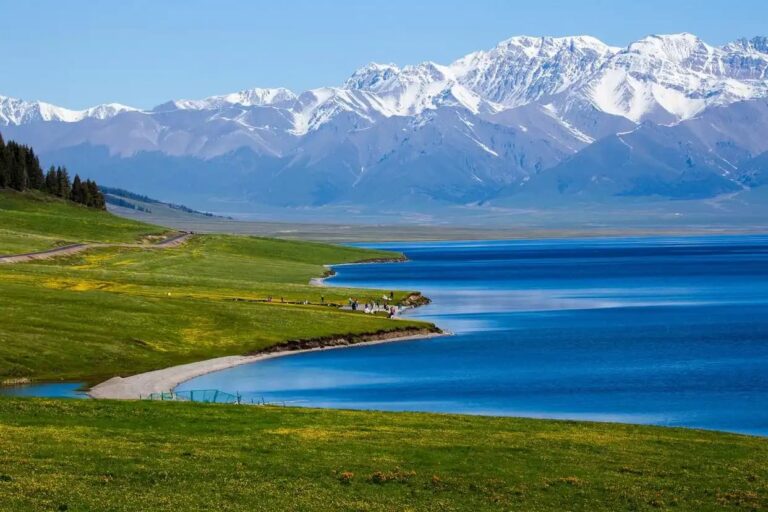
Afternoon. Drive to Huiyuan Ancient City for the Ili General’s Office and the drum tower, then return to Yining for the night. If you have a second day, the nearby Sayram Lake makes an easy extension, and the Duku Highway opens the high Tianshan to the south in summer.
Frequently asked questions
Is Kokdala worth visiting on its own? As a standalone destination, probably not for most travellers. As a half-day or day stop on an Ili loop, yes, especially if the modern history of the region or the story behind the song interests you.
How long do I need? Two to three hours covers the city and the bridge. Add half a day if you include Huiyuan Ancient City, which you should.
Can I get there without speaking Chinese? Yes, with a translation app and a ride-hailing app. The route from Yining is simple, and the parks are visual. Smaller restaurants are where the language gap bites most.
When can I see the lavender? Late June is the reliable window. Fields around the city and toward Huocheng bloom together, but the exact week shifts with the spring weather, so ask locally before you commit.
A note on accuracy
Train times, flight routes, hotel prices and opening hours change. The details above reflect our visits in 2026 and were correct when written, but confirm schedules, bridge access and entry rules with official sources before you commit. This article is independent travel writing, not an official notice, and nothing here should be read as legal or visa advice.
About the author
Karl Huang is a travel writer who has spent multiple seasons driving and riding across Xinjiang, from the Kashgar bazaars to the Ili valley’s green river towns. He writes practical, first-hand guides for visitors who want the real logistics, not the brochure version. He last passed through Kokdala in September 2026.