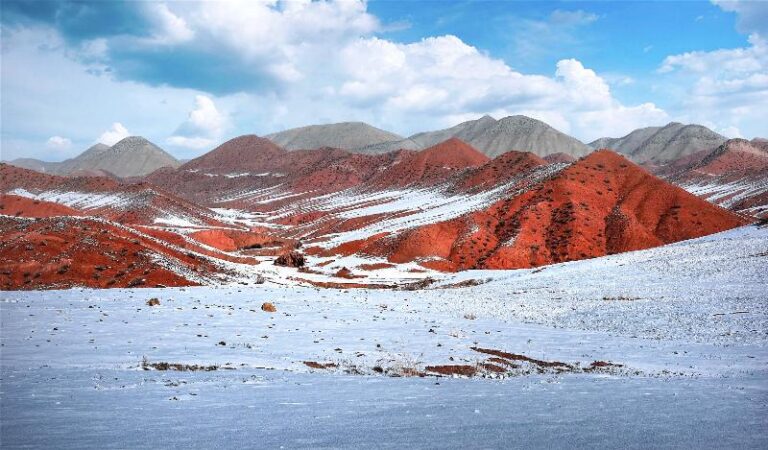
Published: 13 October 2026 | Author: Karl Huang
A Gurbantunggut spring is not what most people expect from a desert. Most travellers who hear the word picture a flat ocean of dunes, but this second-largest desert in China breaks that picture for roughly six weeks every year. I drove its northern and eastern edges during the Gurbantunggut spring bloom in late April 2024 and again in 2025, and the thing nobody tells you up front is that the sand here turns into a low, yellow-and-white carpet of flowers for a few short weeks. This guide is built from those two trips, plus the published research on the desert’s ephemeral plants, so you know when to go and where to stand.
I am writing this as a practical field note rather than a brochure. Where I am guessing about a date or a road condition, I say so. The numbers on species and coverage come from studies by the Xinjiang Institute of Ecology and Geography, and the travel logistics come from what we actually did on the ground.
Gurbantunggut spring bloom: the quick facts
| Item | Detail |
|---|---|
| Desert | Gurbantunggut (古尔班通古特沙漠), the second largest in China |
| Location | Junggar Basin, northern Xinjiang, between the Manas and Ulungur rivers |
| What is special | China’s largest fixed and semi-fixed desert; dunes held by shrubs |
| Bloom trigger | Snowmelt in March, then a warm April |
| Bloom window | Late March to early May, peak late April into mid-May |
| Why it matters | Ephemeral plant cover can top 40 percent at the peak |
| Best viewing | Desert fringe roads near Karamay, Urho and the G216 corridor |
| Admission | The open desert is free; stay on existing tracks |
What we found driving the flowering belt
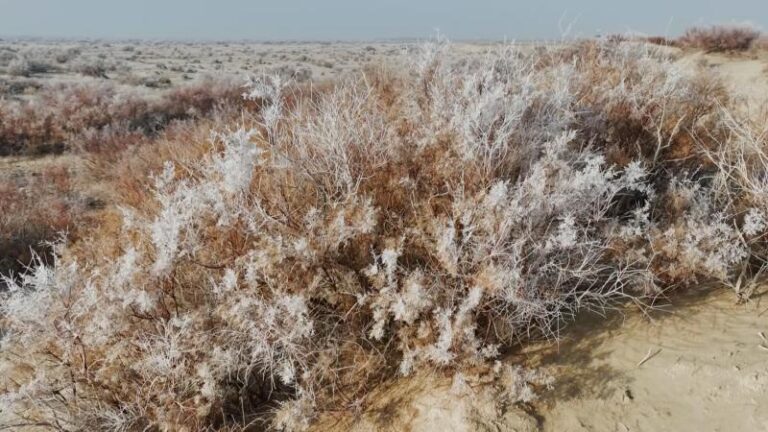
We rolled out of Karamay before sunrise on a cold April morning, heading north toward the Urho Ghost City area, which sits right on the desert’s northern edge. The first surprise was that there was no edge you could point to. The desert here is not a wall of sand. It is a rolling, grey-green plain where low saxaul bushes and tamarisk break up the dunes, and in spring those bushes stand in a scatter of tiny yellow and white flowers you only notice once you step out of the car.
The flowers are small. Most are between five and twenty centimetres tall, and you could walk straight past the whole show without seeing it if you keep your eyes on the horizon. We crouched down on a dune plinth near a wind-defended hollow and found a patch of ice-piercing flowers (顶冰花, Gagea) still pushing up where a little snow had lingered, their yellow stars barely above the crust. A few metres on, a low carpet of Chorispora and other mustard-family plants ran between the shrubs. It is not a meadow. It is a desert that briefly decides to be generous.
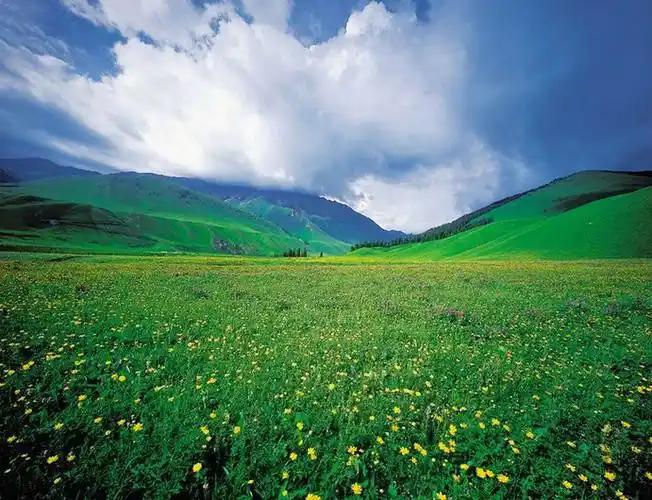
What I remember most is the smell. After a warm day the crushed ephemerals and damp sand give off a green, almost grassy scent you do not expect in a desert. We sat on the plinth for an hour and watched bees work the flowers, then drove on. That single hour is the whole trip, honestly.
Why this desert flowers when most don’t
Gurbantunggut is unusual because most of its dunes are fixed or semi-fixed, anchored by deep-rooted shrubs like saxaul (Haloxylon) and tamarisk. That stability, together with a winter snowpack in the surrounding mountains, gives the spring a reliable pulse of moisture. When the snow melts and April warms, the surface wets just enough for short-lived plants to germinate, flower and drop seed within a few weeks, before the heat and wind of early summer dry everything out.
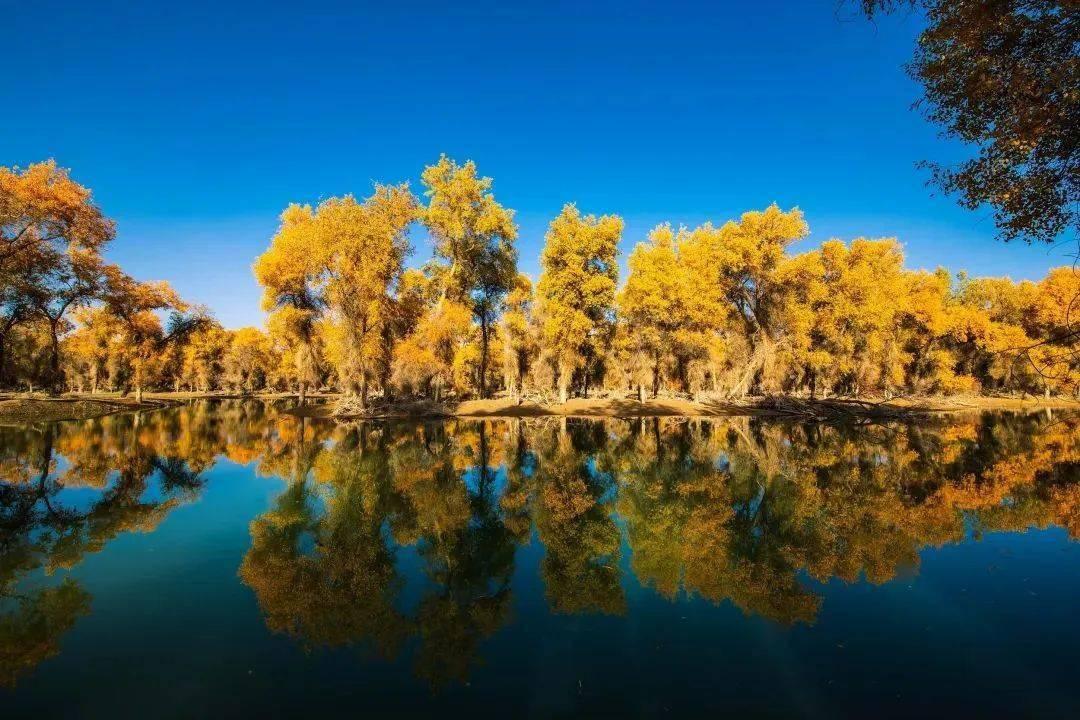
The scientific side is well documented. A 2002 survey of the desert’s southern dunes recorded 45 plant species in the study area, 29 of them ephemerals, with coverage climbing from roughly 14 percent in early spring to more than 40 percent at the peak before falling back as the plants finished their cycle. That brief green and floral blanket is also what keeps the sand from moving: the ephemerals are a major reason this desert stays put instead of burying the roads.
The headline species for a visitor are the ice-piercing flowers (Gagea), which can bloom while ice is still on the ground; the wild Xinjiang tulip (Tulipa sinkiangensis), a small yellow tulip listed as endangered and found in the Junggar piedmont; and a scatter of mustard-family and forget-me-not relatives that fill the gaps. None of them are big. All of them are easy to miss and easy to crush.
Getting into the spring desert
You do not enter Gurbantunggut the way you enter a park. The desert is crossed by highways and sliced by oil-field access roads, and large parts are working Petroleum Bureau land. The realistic way to see the bloom is to drive the fringe roads and stop where the flowers are visible from the verge.
From Karamay, the road north toward Urho and the Ghost City runs along the desert’s northern margin and is the easiest place to combine the bloom with a proper stop. From Urumqi, the G216 south toward the Junggar interior passes dune country on its eastern side; we used it as a viewing corridor rather than a destination. If you want a fuller northern-Xinjiang drive, our G216 through the Junggar guide lays out the route and the fuel stops.
A 4×4 is not required on the paved fringes, but a higher-clearance car helps if you leave the tarmac to reach a dune plinth. Never drive off existing tracks to get closer to the flowers. The crust and the plants recover slowly, and fresh tyre ruts stay visible for years.
The six-week window: timing the bloom
Gurbantunggut spring is a moving target. The bloom follows snowmelt, so a heavy winter pushes it later and a warm March brings it earlier. As a rule, the first ice-piercing flowers appear in late March, the general carpet builds through April, and the peak sits somewhere in the last week of April into mid-May. By early June the ephemerals have seeded and the desert goes back to grey-green shrubland.
If you want the best odds, aim for the last ten days of April and ask locally a week before you travel. We missed the very peak by three days in 2024 and still caught a strong show; in 2025 a late cold snap held the flowers back and we hit them perfectly. Either way, build in flexibility. If you are planning a wider northern trip, our Junggar Basin travel overview explains how the spring fits into the region’s seasons.
Where to base yourself for the flowers
Sleep in Karamay or Urho if you are chasing the northern edge, or in Fukang or Wujiaqu if you prefer the southern approach near Urumqi. Karamay has the best hotels and the shortest drive to the Urho fringe, and its night market is a good place to reset after a cold day on the sand. Urho itself is smaller but puts you right at the desert’s door.
We based in Karamay for two nights and made the bloom a series of short dawn and late-afternoon runs, which is when the light is low and the flowers open widest. Hotels there run from around 250 yuan for a standard room upward. Book ahead in late April, because the tulip-festival crowds in the wider region can fill rooms.
Eating on the edge of the sand
Karamay and Urho feed you well. The northern Xinjiang staples show up everywhere: hand-pulled laghman noodles, big plates of stir-fried vegetables with lamb, and the roast mutton that tastes better the closer you are to the pasture. We ate at a corner noodle shop in Karamay both nights and never regretted it. For something specific to the season, ask for the early wild greens that appear in spring markets; they are a short-lived local treat, much like the flowers you came to see.
Carry your own water and a thermos on the desert fringe. There is nothing out there, and the wind is dry even when the temperature feels mild. A flask of hot tea in the car turned a cold morning into a good one for us.
Practical things nobody warns you about
Bring a real macro lens or at least a phone with a close-focus mode. The flowers are small, and a normal landscape shot will not show them. Get low, use the dune as your backdrop, and shoot in the soft light of early morning or an hour before sunset.
Wear closed shoes and long trousers. The shrubs have thorns and the sand hides dry camelthorn. And resist the urge to pick anything. The ice-piercing flower is actually toxic if eaten, and every stem you pull is one less seed for next year’s bloom.
One more: tell someone your route and carry a paper map. Mobile coverage on the fringe is patchy, and the desert’s sameness makes it easy to lose your sense of direction once you leave the highway. We kept the G216 in sight and treated it as our compass.
A three-day spring itinerary
Day 1. Fly or drive to Karamay. Settle in, walk the night market, and check the local forecast. If the wind is up, plan the bloom for the lee side of the dunes the next day.
Day 2. Leave before sunrise for the Urho fringe. Shoot the Ghost City in early light, then drop onto the desert verge roads where the flowers show. Spend the warm midday resting in town and go back out at 5 pm for the second light window. This is the core of the trip.
Day 3. Drive a stretch of the G216 south to feel the dune country from the road, stop at one plinth away from the crowds, then return to Karamay or push on toward Urumqi. If the bloom is still strong, an extra day is never wasted.
Common questions about the spring bloom
Is the Gurbantunggut bloom the same as the Wujiaqu tulip festival? No. Wujiaqu plants cultivated tulips in beds. The desert bloom is wild, scattered and tiny, and it is a different experience entirely. Our main Gurbantunggut desert guide covers the landscape in the other seasons.
Can I camp in the flowering area? You can camp on the fringe with care, but the open desert interior is oil-field and protected land with restricted access. Stick to designated areas and pack out everything.
How is this desert different from the Taklamakan? The Taklamakan is a moving sea of sand with almost no vegetation. Gurbantunggut is fixed and green-ish for much of the year, which is exactly why it can bloom. Our Taklamakan vs Gurbantunggut comparison goes deeper.
Will I see the flowers if I come in summer? No. By June the ephemerals are gone. Spring, and only spring, is the window.
Before you go: a short note on safety and accuracy
This guide is based on two personal trips and published botanical surveys, but desert conditions, road access and oil-field restrictions change. Verify the current bloom status and any closed areas with local tourism offices before you travel, and treat every date here as a typical pattern rather than a guarantee. I have described the desert as I found it; your year may differ, and that is part of the point.
About the author
Karl Huang is a northern Xinjiang-based travel writer who has spent the last several springs documenting the region’s short-lived desert flora. He prefers dawn light, a thermos of tea, and leaving the sand exactly as he found it.