Published: September 24, 2026 | Author: Karl Huang
Most visitors treat Hami as a dot on the map between Lanzhou and Urumqi, a place the high-speed train pauses in before the “real” Xinjiang begins. I did the same on my first trip, and I was wrong. Hami (Kumul in the older spelling) is the eastern gate of Xinjiang in a literal sense: it is the first prefecture-level city you reach coming west from Gansu, and the Tianshan range splits it into two completely different worlds. This guide is built from three separate visits between 2022 and 2025, plus the kind of details you only pick up by missing a bus and wandering.
Why the “Eastern Gate” name actually fits
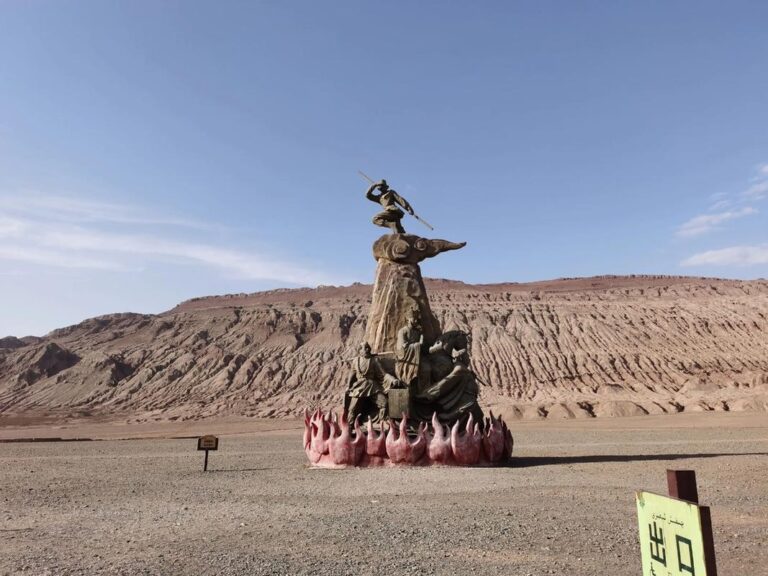
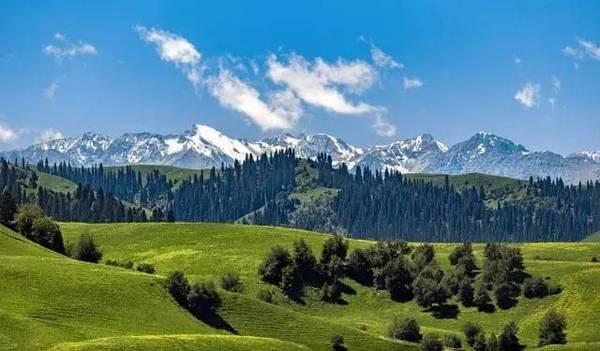
Hami sits where the Hexi Corridor runs out of Gansu and the Xinjiang basin opens up. The Lanxin high-speed railway and the G30 expressway both enter Xinjiang here first, which is why locals call it the “gateway of the Western Regions.” But the more useful way to understand the place is geographic. The Tianshan cuts Hami almost in half. South of the range is Gobi: dry, hot, and home to the melon fields and the wind-carved Yadan that give Hami its reputation. North of the range is Barkol, a high grassland county that feels like a different climate zone entirely.
That split is the whole point of this article. Most write-ups list Hami’s sights like a shopping receipt. The better mental model is: Hami is two day-trips welded together by one city.
Hami by the numbers
| Fact | Detail |
|---|---|
| Position | Easternmost prefecture of Xinjiang, bordering Gansu |
| Distance from Urumqi | About 610 km east by rail, roughly 3 hours on the fastest HSR services |
| Distance from Lanzhou | About 1,167 km |
| Rail link | Lanxin HSR (opened December 2014); Hami is a major stop |
| City elevation | Around 700 m; Barkol sits near 1,650 m |
| Best window | Late June to early September for both halves |
| Melon harvest | Peaks July to August; the Hami Melon Festival runs in August |
| Time | Xinjiang runs about 2 hours behind Beijing time; it stays light until around 10 pm |
Our first 36 hours in Hami
We rolled in on the HSR one July afternoon and the first thing that hit was the dryness. It was 38°C at the station but the air felt clean rather than sticky, the way desert heat does when there is no humidity to hold it. Bus 4 from the station dropped us near the center in about twenty minutes.
The next morning we walked southwest to the Tomb of the Hami King, about three kilometers from the old town. The blue-and-white tiled dome sits beside a quieter mosque, and the ticket was modest. Next door, the Hami Museum was free and, helpfully, closed on Mondays, so we timed around that. What stayed with me was the section on the local Hui kings and the carved wooden ceilings; you realize Hami was a Silk Road power node long before the railway.
That night we went to Aletun Ancient Street after 7:30 pm, when the heat finally broke. A stall was selling Hami melon shaved into a bowl of ice, and a few steps on, red willow skewers were throwing sparks over a charcoal brazier. We sat on a low wall and ate until it was properly dark, which, given the clock, meant nearly 10.
Getting to the Eastern Gate (and why the train changed everything)
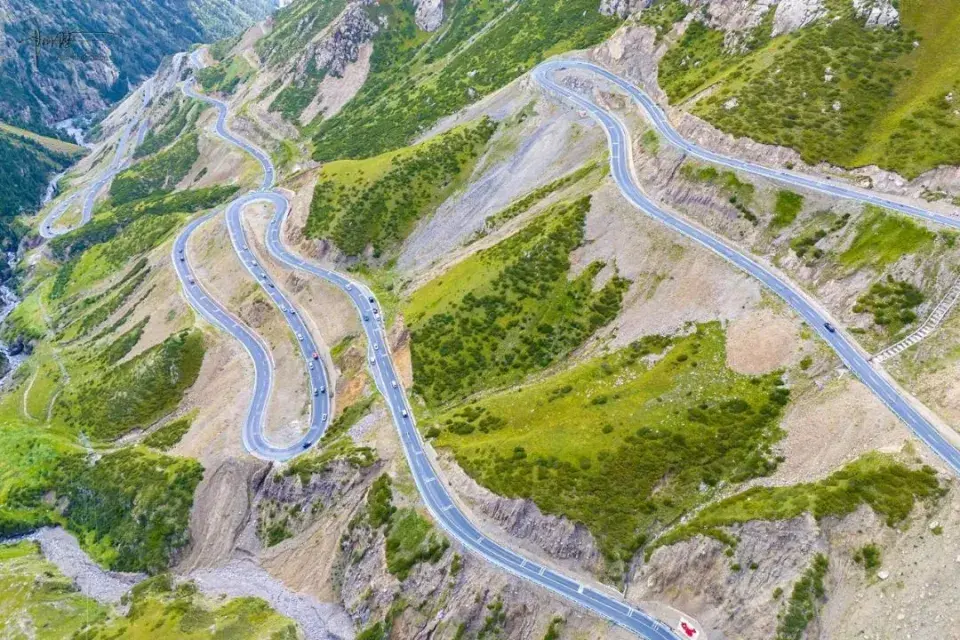
Before 2014 you reached Hami by slow train or a long drive. The Lanxin high-speed line changed the math. From Urumqi you can be in Hami in about three hours on the quickest Fuxing services; from Lanzhou it is a full-day ride of roughly eleven hours, but a comfortable one with scenery that shifts from Gansu farmland to open Gobi. Hami station is served by city buses 1, 2, 4, 11, 12 and 13, so you are rarely more than a short ride from a hotel.
If you would rather fly, Hami has an airport with connections to Urumqi and a handful of inland cities. And drivers coming off the G30 will find the city an easy first stop before the long haul west. The practical takeaway: treat Hami as a natural break in a Lanzhou-to-Urumqi route, not a detour.
When the two halves of Hami disagree on weather
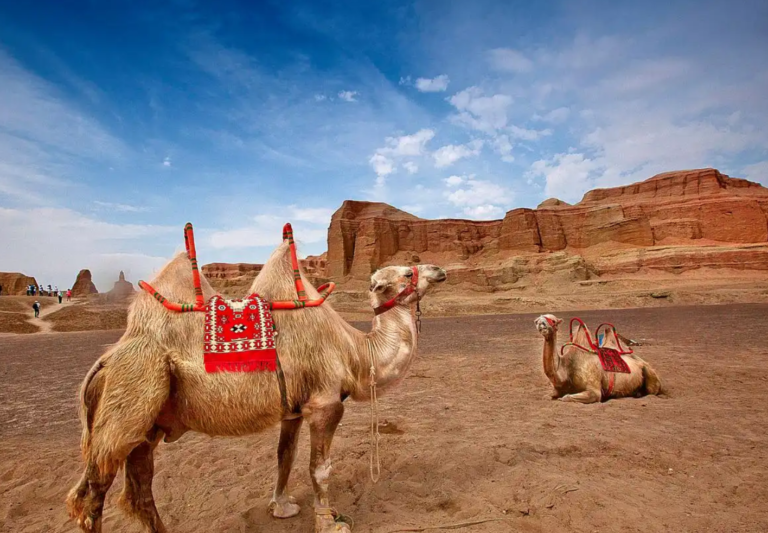
This is where most itineraries go wrong. In August the southern Gobi around the Ghost City can push past 45°C at the surface, while Barkol, two hours north, sits around 20°C with grass and snow on the peaks. Pack for both. We carried a windbreaker the whole trip and wore it every evening in Barkol while sweating through the same shirt in Hami city at noon.
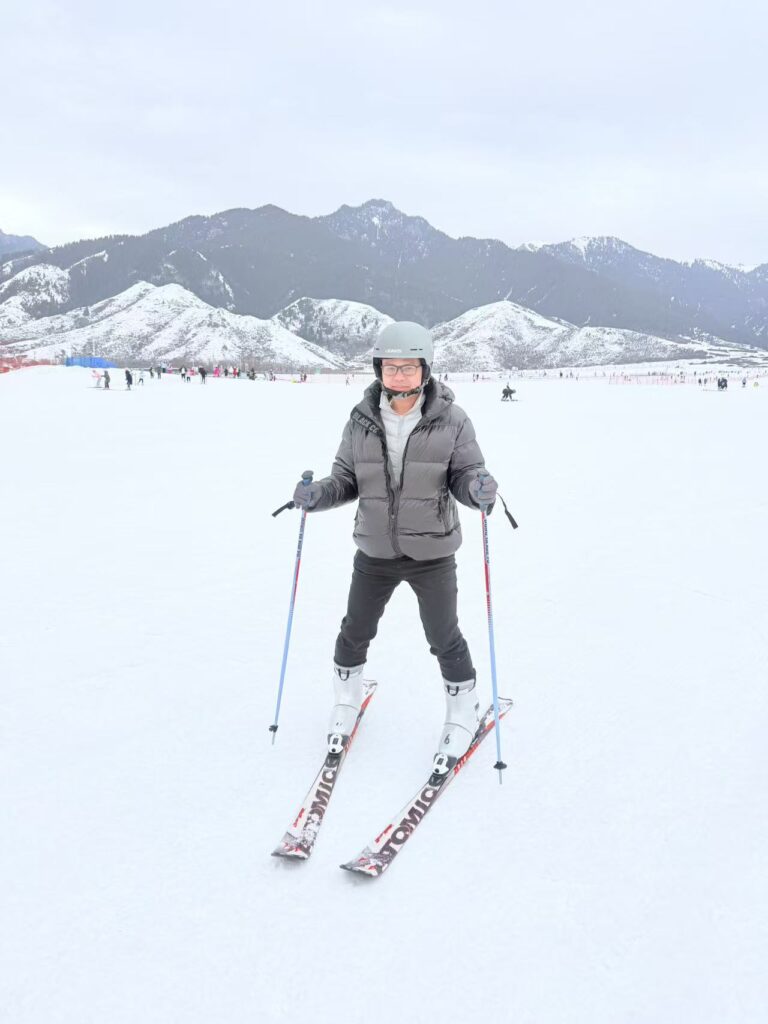
For the melon, come in late July or August. That is when the nets on the fruit tighten and the sugar peaks, and when the annual Melon Festival turns the city into a tasting fair. Spring (May to early June) and autumn (September) are calmer and good for the grassland without the summer crowds. Winter is harsh in the south but Barkol runs ice-and-snow activities on the frozen lake.
Where to base: city core, or Barkol?
Hami city has the usual spread of mid-range hotels near the station and the main boulevards, clean and air-conditioned, which matters when the Gobi heat is doing its worst. Stay here if you want restaurants, the museum, and easy bus access.
Barkol town, about 150 km north, has smaller guesthouses and a few grassland camps where you can sleep near the yurts. We stayed one night and regretted nothing except not booking two. The trade-off is simple: city is convenient, Barkol is the reason the north half exists. If your schedule is tight, Barkol works as a long day trip from Hami city; if you have the room, sleep up there.
The melon, and what else travels well
You cannot write about Hami without the melon, and the reputation is earned. The netted muskmelon grown here is sweet because the day-to-night temperature swing concentrates the sugar; a fruit picked at peak in August is genuinely different from the pale versions sold elsewhere. Buy one by weight at a roadside stall and eat it the same day.
Around it, the food is standard excellent Xinjiang grill-and-grain. Red willow branch skewers, pit-roasted whole lamb for a group, pilaf with carrot and raisin, and crispy baked buns (samsa) come up everywhere. Try apricot-peel water if you see it, a sweet-sour local drink that cuts the heat, and the thick yogurt with a spoon of sugar. The night market on Aletun street is the easiest place to sample all of it in one walk.
Things the brochures leave out
A few notes that would have saved us trouble. Xinjiang time runs about two hours behind Beijing, so “noon” on the clock is really late-morning light; plan sightseeing by the sun, not the digits. The Hami Ghost City is magnificent but the midday surface heat is punishing, so go after 6 pm for the golden light and cooler air. The Dahai Road Yadan route beyond it has no signal and no fuel for roughly 380 km, so it needs a 4WD and a guide, not a rented sedan. The museum is free but closed Mondays, and you will want your ID at most ticketed sites. Above all, carry more water than feels reasonable; the Gobi does not remind you to drink.
A 3-day loop: Gobi in the south, grassland in the north
This is the shape we would hand a friend.
Day 1 — City core. Arrive by HSR, check in, then walk to the Tomb of the Hami King and the Hami Museum. Evening on Aletun Ancient Street for skewers and melon shaved ice.
Day 2 — Southern Gobi. Late afternoon at the Hami Ghost City for the Yadan at sunset; if you have a guide and a 4WD, add a stretch of the Dahai Road. Return to the city to sleep.
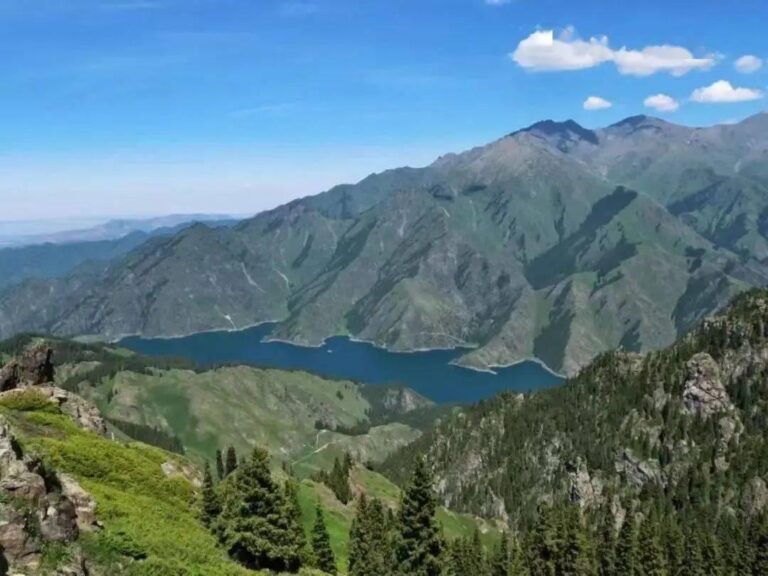
Day 3 — Barkol. Drive or join a tour the 150 km north to Barkol grassland and Barkol Lake, free and best in the soft light of late afternoon. Back to Hami city the same evening, or overnight in Barkol if you want the stars over the grassland.
For a broader sweep of the city itself, our Hami overview guide covers the history in more depth, and the Hami melon deep dive explains the fruit season in detail. The Barkol grassland and the wider Yadan landform both deserve their own read.
Questions travelers actually ask about the Eastern Gate
Is Hami worth more than a train change? Yes, if you give it two days. The Yadan and Barkol alone justify a stop, and the city is an easy base.
Can I do Barkol as a day trip? Comfortably. It is 150 km and about two hours each way, so leave in the morning and you are back for dinner.
When is the melon actually sweetest? Late July through August. Outside that window you will still find melon, but the festival-season fruit is the one people remember.
Do I need a guide for the Dahai Road? For the deep Yadan route, yes, because of no signal, no fuel, and rough track. The marked Ghost City near the road is fine on your own.
On accuracy, prices and seasons
Ticket prices, festival dates, and opening hours in Hami shift between seasons and were verified against recent traveler reports at the time of writing; confirm the current numbers with your hotel or the official sites before you go. Distances and rail times are approximate and depend on the service you book. This guide describes personal experience and is not a substitute for checking live conditions, especially in the Gobi where heat and lack of signal are real hazards.
About the author
Karl Huang is a travel writer focused on northwestern China. He has crossed Xinjiang by train, bus, and rental car across multiple trips since 2022, and writes for Xinjiang Attractions with an emphasis on practical, first-hand route planning rather than brochure copy.