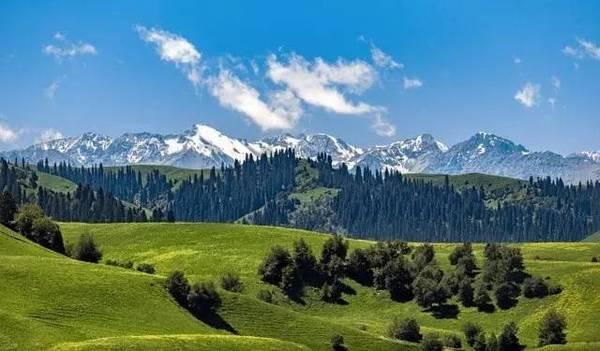
Aksu is a large, leafy oasis in central Xinjiang, strung along the northern edge of the Tarim Basin where the Tianshan mountains rise to the north. It is best known to travellers as the gateway to the dramatic Tianshan Grand Canyon (Tianshan Daxiaogu) and as a convenient, genuinely local stop between Kuqa and Kashgar. This guide covers why Aksu is worth a night, how to get there, and what to see.
Why visit Aksu
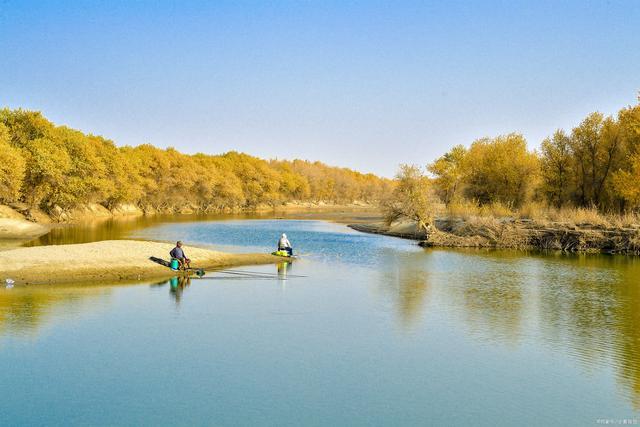
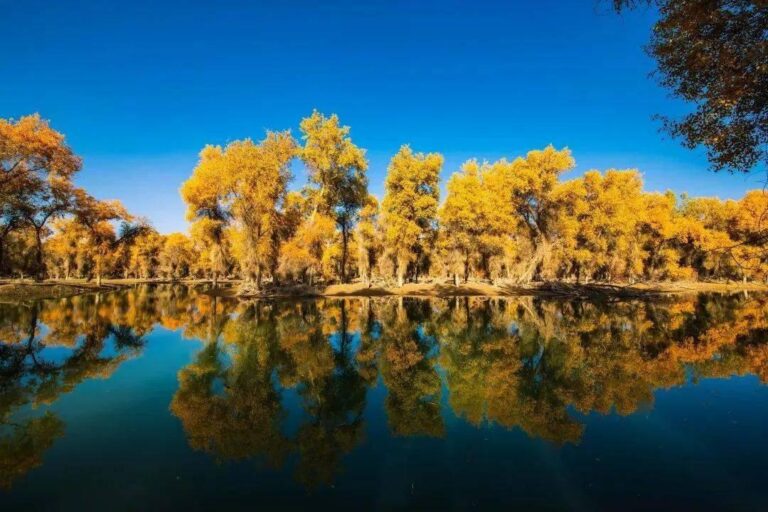
Aksu is not a headline destination, but it is a pleasant, green, Uyghur-majority town with good food and a relaxed pace, and it sits next to one of the most underrated landscapes in Xinjiang — the red Tianshan Grand Canyon, a series of towering sandstone and conglomerate gorges about 70 km north of the city. For travellers driving the southern route, Aksu is the natural break between Kuqa and Kashgar, with fewer tourists than either. It also has a strong agricultural identity (the name means “white water” in Turkic, for its rivers), which makes the oasis greenery especially welcome after the desert.

How to get to Aksu
Aksu has a train station on the southern Xinjiang railway and an airport with flights from Urumqi. By road it sits on the G3012 expressway, roughly between Kuqa (east) and Kashgar (west), making it an easy drive or rail hop. The Tianshan Grand Canyon is reached by road north from the city. The airport guide lists routes, and the visa and permits page is worth checking if you plan to push into the mountain counties.
Top things to do
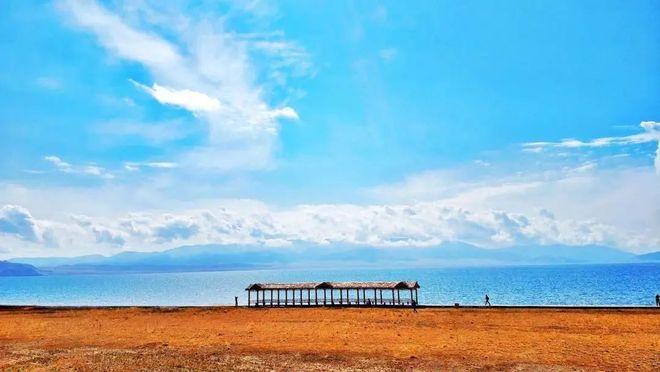
The Tianshan Grand Canyon is the reason to stop: a cluster of deep red gorges and a lake (the “Tianshan Holy Water” / Keziliya area) with walking trails and viewpoints, far less crowded than the famous canyons elsewhere. In town, the Aksu old town and the bazaars are low-key and authentic — good for dried fruit and nuts, since the region grows both. The nearby Harmony (Keping) and Baicheng areas offer more mountain and oasis scenery if you have a car. Aksu also makes a calm base before the longer push to Kashgar. The canyon’s emerald lake — locally the “Tianshan Holy Water” — is the photographic heart of the visit, and a short walk or boat along the shore is the best way to feel the scale of the red walls towering above the water.
Food in Aksu
Aksu eats like classic southern Xinjiang: polu, laghman, kawap and nang, plus excellent local walnuts and apricot kernels. The night market is friendly and cheap. Because Aksu is an agricultural hub, the produce — melons, grapes, apricots — is consistently good in season. The region is also known for its Aksu apples; the name derives from the Turkic for “white water” and the fruit is a local point of pride, crisp and sweet in autumn and worth a bag at any roadside stall.
Where to stay
Aksu has a practical range of mid-range and budget hotels, mostly near the centre and station. Standards are fine and prices are low; it is a functional, comfortable overnight rather than a destination resort. Book ahead in summer when domestic tourism peaks. The city is also a practical laundry and resupply stop on a long overland drive, with malls, pharmacies and repair shops easy to find near the centre, which makes it a natural place to reset between the remote stretches.
Best time to visit
Late spring to early autumn is best; summers are hot but the canyon stays bearable at elevation, and the oasis is green. Winters are cold. The canyon is open year-round but check road access after heavy rain or snow, as mountain roads can close.
A practical Aksu checklist
Before you go: make the Tianshan Grand Canyon your priority and go early; carry water and sun protection; use Aksu as the Kuqa–Kashgar break; and keep the flight option in mind if you would rather not drive the whole southern route. A single night unlocks a landscape most itineraries skip.
FAQ
What is Aksu known for?
The Tianshan Grand Canyon and its orchards and nuts; it is a calm oasis stop on the southern route.
How far is the canyon?
About 70 km north of the city, roughly 1.5 hours by car, with a scenic mountain road.
Is it on the way to Kashgar?
Yes — Aksu sits between Kuqa and Kashgar on the rail and expressway, ideal for an overnight.
Getting around Aksu
Aksu’s centre is walkable and taxi-cheap, and the bazaars are close together. The Tianshan Grand Canyon is about 70 km north and needs a car, a taxi negotiated for the day, or a tour — there is no convenient public option that fits a tourist schedule. A driver also lets you stop at roadside viewpoints most buses skip. The airport guide lists flights if you would rather fly than drive the southern route, and the train serves Aksu on the Urumqi–Kashgar line.
Money, SIMs and practicalities
Mobile payment is king; keep cash for canyon tickets and market snacks. ATMs handle major cards with mixed success, so arrive funded from Urumqi or Kuqa. A SIM or eSIM with offline maps matters because the canyon road loses signal in places. The visa and permits page is relevant if you push into the mountain counties north of the canyon. Hotel passport check-in is standard and quick.
What to buy in Aksu
Aksu is an agricultural hub, so the walnuts, apricot kernels and dried fruit are the local buy, and cheap at source. The bazaars are low-key and good for nuts by the kilo. For carpets or jade, save your budget for Kashgar or Hotan, but Aksu’s produce is the genuine local speciality and packs easily.
Extend your stay: Kuqa and Kashgar
Aksu sits neatly between Kuqa (east) and Kashgar (west), making it the natural overnight on the southern drive. One night covers the canyon and a bazaar evening; two lets you add the nearby Baicheng mountain scenery. If your route is Urumqi–Kashgar, Aksu is the comfortable midpoint and a better break than the smaller towns between.
Etiquette and safety
Aksu is safe and friendly. At the canyon, stay on the paths and bring water and sun protection — shade is limited and the red rock amplifies heat. Ask before photographing people in the bazaars. Carry your passport, and keep the permits note in mind for any mountain-county detours, though the town and canyon are open to visitors.
A sample Aksu day
Arrive in Aksu by train or flight in the afternoon, check in, and head to the bazaar for dinner and a wander among the stalls — the local walnuts and apricot kernels make a good first impression, and the night market is friendly and cheap. On day two, leave by 9 am for the Tianshan Grand Canyon (about 1.5 hours north), spend three to four hours on the red-rock trails and the lake, eat in town, and return by late afternoon with time to relax. If you have a second night, add the nearby Baicheng mountain scenery or a slow morning at the market. Aksu is best treated as a calm, local overnight rather than a destination you race through, and the early start is what makes the canyon comfortable in summer heat.
Common mistakes to avoid
The big mistake is skipping Aksu because “it is just a stop” and missing the Tianshan Grand Canyon, which is a genuine red-rock spectacle and far less crowded than the famous canyons elsewhere. The second is going to the canyon at midday in summer without water — shade is limited and the rock amplifies heat, so an early start matters. The third is assuming the bazaar is a tourist market; it is a working local market, so go for the produce, nuts and dried fruit, not souvenirs. The fourth is not using Aksu as the Kuqa–Kashgar overnight and instead pushing straight through, which wastes the canyon. And do not over-plan: Aksu is a single-night reset between two bigger towns, and that is exactly its value on a long southern drive.
Seasonal calendar for Aksu
Aksu’s year is dry and contrasting. April to May is mild and green, the best time for the canyon trails and the bazaar, with the orchards in blossom. June to August is hot (often above 35°C) but the canyon stays bearable at elevation and the oasis is lush; start early and carry plenty of water. September to October is the second comfortable window, with harvest produce — walnuts, apricot kernels, melons — in the markets. November to March is cold, and the canyon road can be icy or closed after snow, so check access before a winter visit. The shoulder months — late April to May and September to October — are the most comfortable for walking and photography, and the right time to break your southern route here before the summer heat sets in.
Further reading: the region is outlined on the Wikipedia Aksu page, and Travel China Guide has route notes.