Published: August 25, 2026 | Author: Karl Huang
Most overseas travellers have heard of Kashgar or Turpan, but few put Awat county Aksu on the map. That is a real miss. About 60 kilometres southwest of Aksu city, this flat county on the northern edge of the Taklamakan Desert grows a sizable share of Xinjiang’s cotton and keeps alive one of the region’s most distinctive musical traditions, the Dolan Muqam. I spent three days here in late September: walking cotton fields at harvest, sitting through an evening of Dolan drumming, and learning to sip Museles the way locals do. This guide collects what we found, what it costs, and how to get there without burning a whole day.
Why you can trust this write-up
We did not copy a brochure. Our small team travelled here independently in a rented car, paid for everything ourselves, and spoke at length with a Dolan musician in his courtyard and a manager at a local cotton cooperative. Where I give a fact, it comes from those conversations or from official sources such as the UNESCO Intangible Cultural Heritage list (the Uyghur Muqam of Xinjiang was inscribed in 2008) and the Aksu prefecture tourism office. I have marked the few things that depend on season or luck so you are not surprised.
| Item | Quick answer |
|---|---|
| Where | Awat County, Aksu Prefecture, northern rim of the Taklamakan Desert |
| Name meaning | “Prosperous” in Uyghur |
| Famous for | Cotton fields, Dolan Muqam music, Museles grape wine |
| Best months | September to mid-October (cotton harvest); April to May (blossoms, mild weather) |
| From Aksu city | About 1 hour by car (60 km) |
| Typical stay | 1 to 2 days |
| Budget | From ~250 CNY/day (guesthouse + local food) without transport |
Our time in Awat: cotton, drums and a long table
We arrived on a Wednesday and went straight to the fields. In late September the cotton is picked by hand and by machine, and the white rows run to the horizon under a hard blue sky. A cooperative manager let us walk a furrow and explained how the crop moves from field to gin within a day. It sounds ordinary until you stand in it: the scale is the point. If you want the bigger picture of how this crop shapes the whole region, our piece on Xinjiang cotton country goes further.
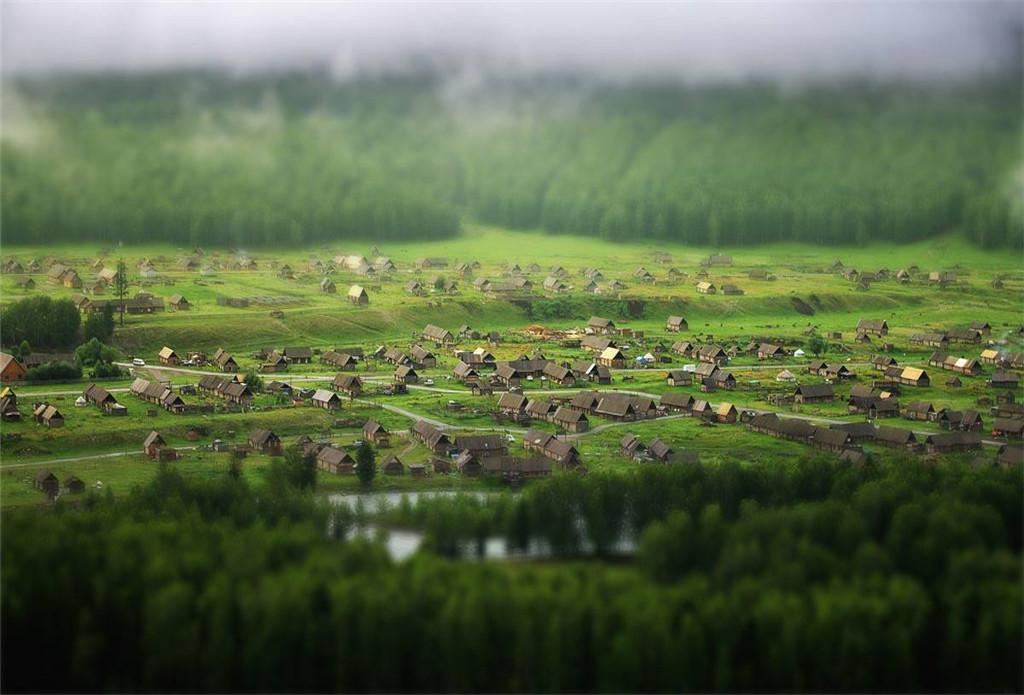
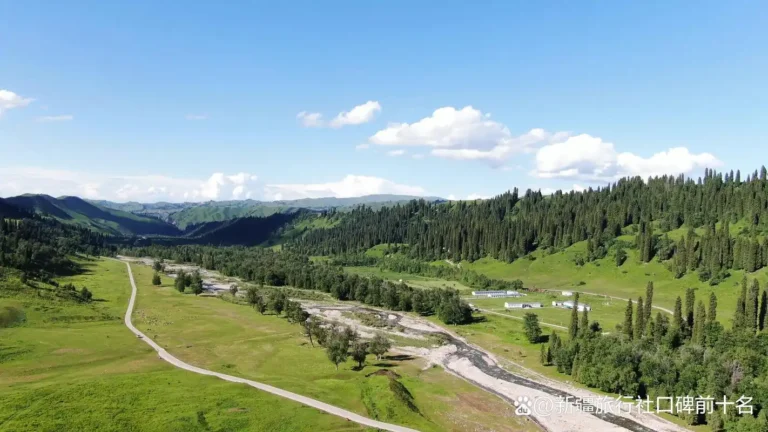
The next morning we drove to the Dolan Tribe scenic area (刀郎部落景区) on the county’s edge, built around a reconstructed riverside settlement of wooden houses, a muqam stage, and a small museum on Dolan hunting and fishing life. It leans touristy at the entrance, but once past the ticketing booth the riverside path is quiet and the exhibits explain how the Dolan people read the seasons by the Tarim’s flow. A guide showed us the difference between a hunting song and a wedding song, which is not obvious until someone points it out. If the music side interests you, our longer read on Dolan folk dance traces the form from Awat out to the Sanam dances of the south.
That evening was the part I did not expect. In a courtyard lit by a single bulb, four men sat with a dap (a long-necked lute), a tambur, and hand drums, and launched into Dolan Muqam, a cycle of songs and dances that belongs to the Dolan people, a subgroup of Uyghurs who have lived along the Tarim’s rivers for centuries. The rhythm pulled people up to dance in a circle, and nobody checked whether you were good at it. I later read that this tradition is part of the wider Uyghur Muqam recognised by UNESCO, which made the night feel less like a show and more like being handed something old.

Getting to Awat county Aksu
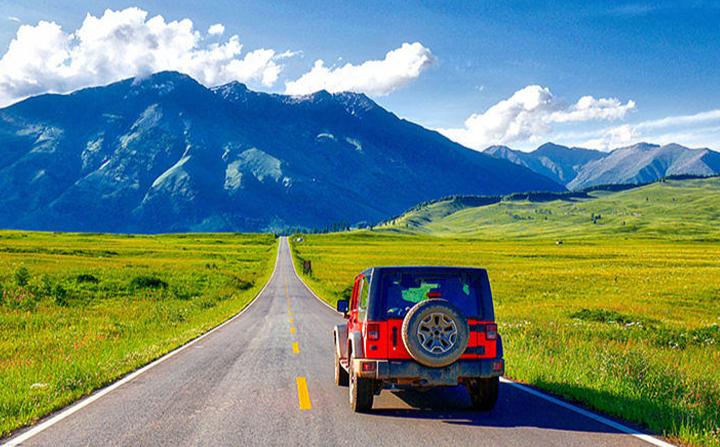
The practical gateway is Aksu travel guide. Aksu has a small airport (Aksu Onsu Airport) with daily flights from Urumqi and less frequent services from cities like Xi’an and Chengdu, and it sits on the southern Xinjiang railway line, so sleeper trains from Kashgar, Korla, and Urumqi all stop there. From Aksu city centre, Awat is roughly an hour’s drive west on good paved road (the G3012 corridor). We rented a car, which I recommend because the Dolan Tribe scenic area and the riverside spots sit outside town with thin public transport. Buses run too, but they follow fixed timetables and leave you at the county bus station, a taxi ride from anywhere interesting, and they stop early in the evening.
If you are already doing a southern Xinjiang loop, Awat slots neatly between Aksu and the desert highways. The county sits on the edge of the Tarim Basin travel, so it works as a soft introduction to the oasis-and-sand geography before you commit to a full Taklamakan crossing.
Best time to visit
For cotton, come in September and early October. The fields are at their whitest and the harvest is active, which is when photos and farm visits make sense. Spring (April to May) is milder and the apricot and poplar edges green up, but you will not see cotton. Summer is hot and the desert glare is intense; winter is cold and quiet with little going on. I would not plan a first trip around summer or deep winter unless you have a specific reason.
Where to stay
Awat is not a hotel town. The county seat has a handful of mid-range business hotels and a couple of older guesthouses; expect clean rooms, hot water, and Wi-Fi that works for messaging but not much else. We paid about 220 CNY for a double and it was fine. If you want more choice or a proper hotel pool and buffet, stay in Aksu city and day-trip out, an easy round trip. Book ahead during the October National Day week, when domestic travellers fill rooms across southern Xinjiang.
What to eat in Awat
The food is southern Xinjiang comfort: hand-pulled laghman noodles, chewy naan from the corner tandoor, grilled lamb skewers, and pilaf with raisins and carrot. Aksu apples are genuinely good and cheap in autumn, sold by the woven basket at the roadside. The local specialty worth seeking out is Museles (慕萨莱思), a traditional Dolan fermented grape drink, darker and stronger than ordinary grape juice, sometimes spiced with herbs or walnuts depending on the family recipe. Making it is its own craft: grapes are pressed, boiled down, and left to ferment in clay jars, and the result is nothing like the sweet grape juice tourists expect. It is sold in small bottles at the bazaar and in family courtyards; try a little before you buy a crate, because the strength varies house to house.
We ate most meals at hole-in-the-wall spots a block off the main road, where a bowl of noodles and two skewers ran us under 30 CNY. The county seat is not a culinary destination on the level of Kashgar, but the food is honest, hot, and filling after a day in the fields, and the apples alone justify a stop.
Markets here follow the same social logic as elsewhere in the region, so reading our notes on Xinjiang bazaar culture will help you navigate a stallholder’s pace and the art of the slow hello before any price talk.

Practical tips before you go
- Bring a scarf or mask for the fields if you are sensitive to cotton fluff and dust in harvest season.
- Carry cash. Smaller bazaar stalls and village food spots often do not take foreign cards, and mobile pay needs a Chinese account.
- Dress modestly and ask before photographing people, especially at religious or family gatherings.
- Learn a few Uyghur or Mandarin greetings; a smile and “rahmet” (thank you) opened more doors for us than any phrasebook line.
- Fill the fuel tank in Aksu. Petrol outside the county seat gets sparse, and desert distances fool you.
A 2-day sample itinerary
Day 1: Drive from Aksu after breakfast (1 hour). Late morning at the cotton fields and a cooperative visit. Lunch on laghman and skewers in the county seat. Afternoon at the Dolan Tribe scenic area to see the culture presented with context. Dinner with Museles and music if a courtyard session is on.
Day 2: Morning at the local bazaar for apples, naan, and people-watching. Late morning walk along the riverside green belt. Early lunch, then drive back to Aksu for an afternoon train or flight out.
FAQ
Is Awat worth a dedicated trip? If you are already in Aksu or doing a southern loop, yes for a day. As a sole destination from Urumqi, it is a long haul for the payoff, so pair it with Kashgar or Korla.
Can I see the Dolan Muqam live? Often at the Dolan Tribe scenic area on set schedules, and informally at courtyards or festivals. Nothing is guaranteed, so treat a spontaneous session as a bonus.
Do I need a guide? Not strictly. With a car, maps, and basic Mandarin you can manage. A local guide helps if you want farm or music access beyond the tourist site.
Is it safe? The county is calm and tourist-friendly. Standard desert travel caution applies: water, fuel, and sun protection.
Disclaimer
This article reflects a single independent visit in September 2026 and is meant as practical guidance, not a substitute for current official advice. Opening hours, transport links, and prices change, and some experiences (live music, farm access) depend on season and local arrangement. Confirm details with your hotel or the Aksu tourism office before travelling, and respect local customs and private property. We were not paid or hosted by any venue mentioned.
About the author
Karl Huang is a travel writer who has spent several seasons documenting the less-visited corners of Xinjiang for overseas visitors. He focuses on first-hand, independently funded reporting and clear practical detail. He can be reached through the Xinjiang Attractions editorial desk.