Published: August 21, 2026 | Author: Karl Huang
Most travelers blow through Manas Xinjiang without slowing down. The G30 expressway and the high-speed rail line both cross the county in minutes, and most guidebooks point visitors farther west to Shihezi or north toward the Tianshan passes. We almost did the same on our first drive out of Urumqi, until a man at a roadside noodle stop mentioned winter swans on the lake and the old courier road that once ran straight through town. Three visits later, Manas has become the place we send people who want Xinjiang without the tour-bus crowds: a working wetland, a quiet wine country, and a frontier town that still remembers its post-road past.
Manas at a Glance
| Plan for | Manas County |
|---|---|
| Region | Changji Hui Autonomous Prefecture, on the northern foot of the Tianshan |
| Distance from Urumqi | About 120 km west; roughly one hour by high-speed rail |
| Known for | Wetland birds, wine grapes, and a Qing-era garrison town |
| Main gateway | Manas West Station (high-speed rail) on the G30 corridor |
| Best months | April to May for birds and blossoms; September to October for harvest and reeds |
| Suggested stay | 1 to 2 days, or a half-day stop between Urumqi and Shihezi |
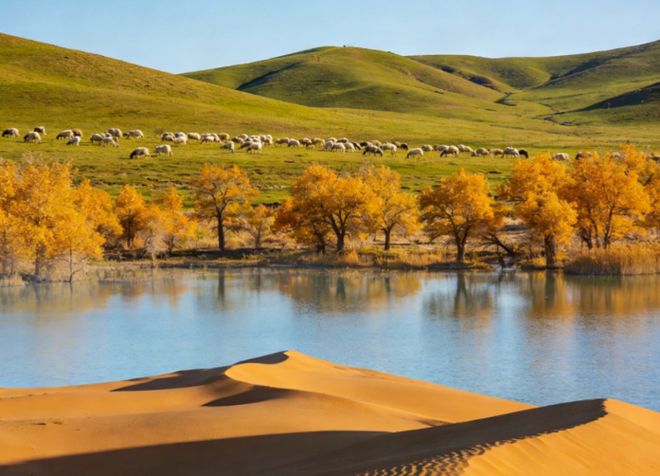
Manas is one of those counties that wears three identities at once. To the north, the Manas River spreads into a reed wetland that wakes up with thousands of migratory birds. To the south, the sunny slopes behind town grow wine grapes that ripen hard and sweet. And through the middle runs a thread of history: this was a garrison and courier stop on the old northern route, and the grid of the old town still hints at it.
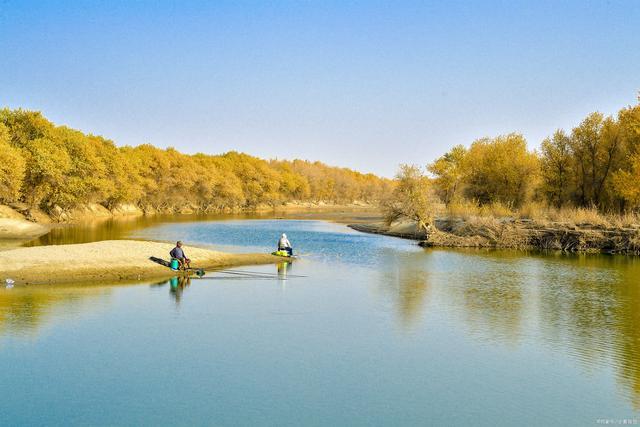
The morning the reeds caught the light
We reached the wetland platform about forty minutes before sunrise, which our host in town had insisted on. The air was sharp enough that we could see our breath, and the boardwalk was slick with frost. Then the light came up flat and pink over the water, and the reeds along the margin started to move. Not wind, birds. A line of whooper swans lifted off the far side of the lake in ones and twos, and somewhere behind us a flock of geese started up a noise that never really stopped until full sun. We had driven past this county a dozen times and never knew it was here.
The reserve runs a long raised walkway, and that first morning we walked it slowly, stopping every few meters because something new kept landing. A local photographer we met there told us the counts change week to week depending on the weather farther north, and that the honest answer to “when are the birds here” is “it depends.” He was right, and that dependence is part of the appeal. You are not buying a guaranteed show; you are showing up and seeing what the season gives you.
We spent the rest of that first day walking the older streets south of the main road, where the block layout is wider than a normal village and the old men remembered a time when the courier station still stood. There is no grand monument, just a stretch of wall and a market that opens at dawn, but standing there made the county’s history feel less like a plaque and more like a fact you were standing on.
Getting to Manas
Manas is easier to reach than its sleepy profile suggests. The high-speed rail line between Urumqi and the west has a stop at Manas West Station, and the trip from Urumqi takes about an hour with several trains across the day. If you would rather drive, the G30 Lianhuo Expressway passes the county directly, and the run from Urumqi is a straight shot you can do half-asleep. Long-distance buses also leave from Urumqi’s northern bus station, though the train is faster and drops you closer to the wetland side of town.
For travelers building a longer loop, Manas makes a natural break between Urumqi and Shihezi or the northern Tianshan spots. Our self-drive logistics guide covers fuel, tolls, and the quirks of the G30 if you plan to keep moving west under your own wheels.
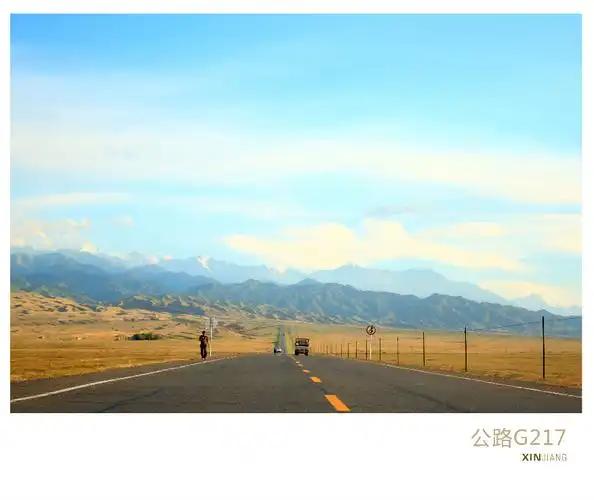
When to visit Manas Xinjiang
The answer depends on what you came for. Spring, roughly April into May, is when the wetland fills with arriving birds and the first blossoms open on the orchard margins south of town. Autumn, September and October, is the wine country’s moment: the grape harvest comes in, the reed beds turn gold, and the light goes long and soft in the late afternoons. Winter brings the fewest visitors and, in cold years, the overwintering swans that draw the serious birders. We have been in May and in October and would happily go back for either.
If your trip is built around the poplar and reed color, our autumn foliage calendar tracks when the north Xinjiang corridor typically turns. For exact day-to-day conditions, the China Meteorological Administration site (weather.com.cn) carries Manas readings we check before every trip.
Where to sleep
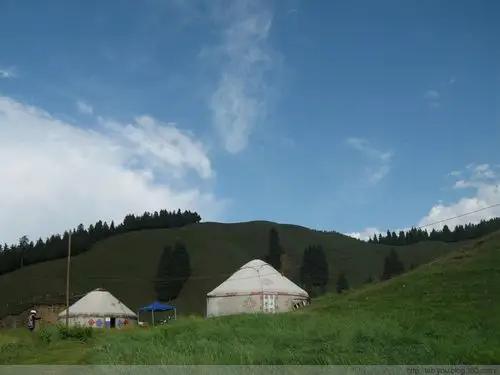
Manas town has a workable spread of mid-range hotels, enough for a comfortable night and a hot breakfast. Shihezi, about twenty kilometers east, has more choice and bigger-name chains if you want a pool and a proper gym. On our second trip we based in Manas itself and liked the quiet; on the third we stayed in Shihezi and commuted, which worked just as well and gave us a wider dinner range. Either way, book ahead in October, when the harvest brings out-of-town guests.
What to eat and drink
Manas sits inside one of Xinjiang’s quieter wine regions, and that is the part most visitors miss. The continental climate, hot afternoons and cool nights, suits Cabernet Sauvignon and Merlot, and a few local cellars pour tastings if you call ahead. We tried a Manas red that tasted of dark fruit and a little dried herb, and it changed how we thought about Xinjiang wine, which most people associate only with the bigger Yanqi and Turpan names. Our guide to Xinjiang wine puts Manas in context with the other northern vineyards.
One cellar owner walked us through the rows himself and pulled a sample straight from the tank, explaining why the short growing season forces the vines to concentrate. That kind of unprompted tour is the real reward of stopping in a place this small. Beyond the glass, the town eats like the rest of the north: hand-pulled noodles, lamb cooked over coals, and the kind of stuffed flatbread that disappears before it cools. Roadside stands sell melons in season, and the wetland edge grows a reed shoot that shows up in local cold dishes in spring. None of it is fancy, and all of it is the point.
Practical tips before you go
- The wetland is a protected reserve. Stay on the boardwalk, do not feed the birds, and leave drones packed. Recreational drones need Civil Aviation Administration registration in China, and the reserve is not the place to test that.
- Bring binoculars. The birds are often far out on the water, and the difference between a speck and a swan is the glass.
- Fuel and cash: fill up before leaving the highway, and carry some cash for the small vendors who do not run card readers.
- Check park hours and any seasonal closures before you drive out. The wetland management sets access by the day, and we have arrived to a locked gate more than once.
- Pack a layer you can add. Dawn on the water is cold even in May, and the wind off the open wetland cuts through a light jacket.
A two-day plan
Day 1. Take the morning high-speed train from Urumqi to Manas West. Drop bags in town, have a noodle lunch, then taxi to the wetland platform for the late afternoon light. Dinner in town with a glass of local red.
Day 2. Back to the wetland at first light for birds, then a late-morning winery visit or a walk through the old town grid where the courier road once ran. Lunch, then the train or the G30 back toward Urumqi, or continue west to Shihezi.
If your interest is birds specifically, the Bayanbulak swan lake guide covers a larger, higher wetland system that makes a strong pairing if you have extra days. Manas is the easier, closer version; Bayanbulak is the grand one.
Frequently asked questions
Is Manas worth a dedicated trip? If you like birds, wine, or quiet frontier towns, yes, and even a half-day stop between Urumqi and the west is worthwhile. If you only have time for the headline sites, it is an easy skip.
Can I visit without a car? Yes. The high-speed rail gets you to Manas West, and the wetland and town are a short taxi ride apart. A winery visit is easier with a car or a hired driver.
When are the swans there? Overwintering swans show up in colder stretches of late autumn and winter; spring and autumn bring the widest mix of migratory species. Counts swing with the weather up north, so treat any date as a best guess.
Can I tour a winery? A few local cellars offer tastings by appointment. Call ahead, since small operations do not keep fixed opening hours.
Are permits needed? No special permit for the county or the wetland boardwalk. The reserve asks only that you follow its access rules.
Disclaimer
This article reflects our visits and research as of August 2026. Opening hours, train timetables, winery appointments, and reserve access rules change without notice. Confirm details with official sources such as the Xinjiang Tourism Bureau (xinjiangtour.gov.cn) and the China Meteorological Administration before you travel. Nothing here is professional legal, medical, or veterinary advice, and wildlife sightings can never be guaranteed. Travel responsibly and follow all local rules.
About the author
Karl Huang is a travel writer who has driven and ridden the rail lines across northern Xinjiang for over a decade, focusing on the smaller counties most itineraries skip. He prefers the unglamorous stops, the ones that turn out to have swans.