Xinjiang Nang: The Bread That Travels
Xinjiang nang is the flatbread travellers carry across deserts and mountains. See where to buy it fresh, how long it keeps, and how locals really eat it.
A Website Introducing Top Tourist Attractions in Xinjiang

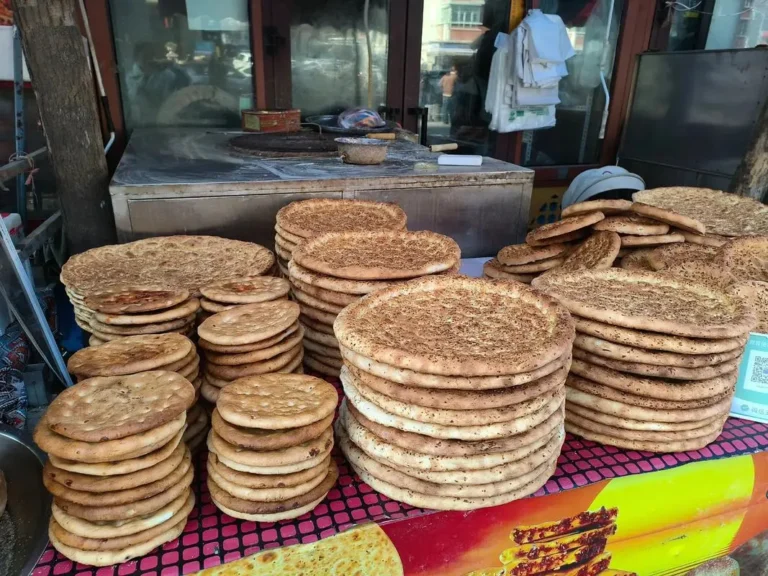
Xinjiang nang is the flatbread travellers carry across deserts and mountains. See where to buy it fresh, how long it keeps, and how locals really eat it.
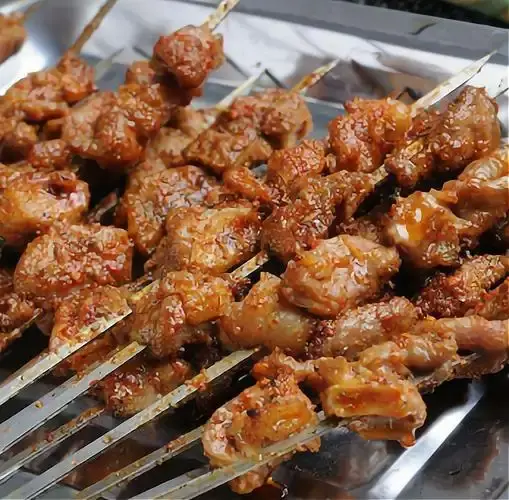
Xinjiang kebabs are the cumin-rubbed lamb skewers eaten on almost every night out. We explain the grill, the count, and how to order them like a local.

Fanjingshan in Guizhou is a sacred Buddhist peak and UNESCO site known for mushroom-shaped summits in clouds. Learn how to climb it, the season, and permits.

Libo Zhangjiang in Guizhou is a UNESCO karst park of clear streams, forests, and Xiaoqikong bridges. Learn how to reach it, the best season, and what to see.
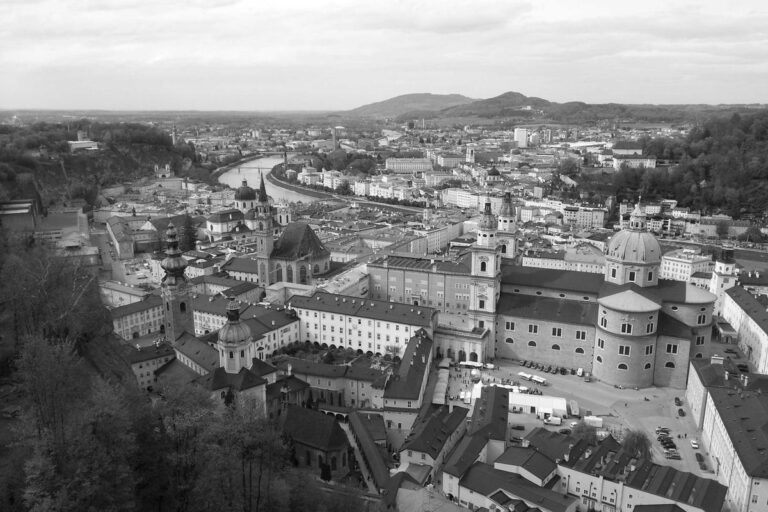
Huangguoshu is the widest waterfall in Asia, a Guizhou giant you can walk behind. Learn how to reach it from Guiyang, the season, and the water-curtain cave.

Detian Waterfall in Guangxi straddles the China-Vietnam border, a tiered cascade via karst hills. Learn how to reach it, the best season, and what to expect.

Hukou Waterfall is the Yellow River’s largest cascade on the Shanxi-Shaanxi border. Learn the best season, how to reach it, and the winter ice-fall spectacle.
Mingsha Mountain and Crescent Lake in Dunhuang pair a singing dune with a spring oasis. Read how to visit, ride a camel, and time the desert light well.

Jiayuguan Fort in Gansu marks the western end of the Great Wall. Discover its history, the final gate, how to get there from Lanzhou, and what to see on site.
Zhangye Danxia in Gansu is a UNESCO geopark of striped, rainbow hills. Learn the best viewing platforms, the right season, and how to reach this remote wonder.