
Published: July 5, 2026 | Author: Xinjiang Attractions Editorial Team
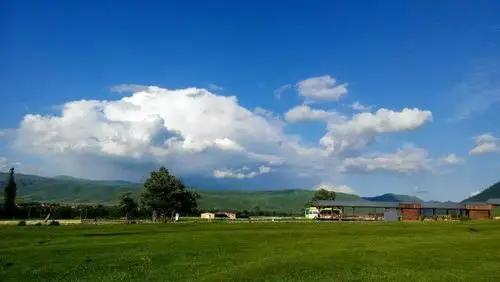
If there’s one place in Xinjiang that feels truly wild, it’s Bayanbulak Grassland (巴音布鲁克草原). Tucked high in the Tianshan Mountains at over 2,500 meters, this is China’s second-largest grassland—a vast, swampy plateau where the Kaidu River twists and turns in mesmerizing curves, where swans glide across a high-altitude lake, and where the sky seems bigger than anywhere else on earth.
Why you can trust this guide: Our team visited Bayanbulak in August and again in early September. We’ve waited for sunset at the Nine-Turn River viewpoint (along with dozens of other photographers), walked the boardwalks around Swan Lake, and stayed overnight in a yurt camp to experience the grassland after the day-trippers leave. This guide combines our firsthand experience with practical, verified information to help you plan your visit.
Quick Reference: Bayanbulak Grassland at a Glance
| Aspect | Details |
|---|---|
| Chinese Name | 巴音布鲁克草原 (Bā yīn bù lǔ kè cǎo yuán) |
| Location | Hejing County, Bayingolin Mongol Autonomous Prefecture, southern Xinjiang |
| Altitude | 2,500–3,000 meters (8,200–9,840 ft) |
| Area | ~23,000 km² (8,880 sq mi) |
| Best Time to Visit | June–September (green season); Swan migration April–October |
| Entrance Fee (2026) | ¥90 per person; shuttle bus ¥90 (mandatory, round trip ~2 hours) |
| Opening Hours | 08:30–19:00 (June–September) |
| Nearest City | Korla – 6 hours by car; Yining – 5 hours by car |
| UNESCO Status | Part of the Xinjiang Tianshan World Heritage Site |
Our Personal Experience: Why Bayanbulak Is Worth the Journey
Bayanbulak is not easy to reach. It’s a long drive from anywhere—6 hours from Korla, 5 hours from Yining, 10 hours from Urumqi. But that’s exactly why it feels special. When we finally arrived in late afternoon, after hours of driving through increasingly dramatic mountain scenery, we understood why this place is considered sacred by the local Mongolian and Kazakh people.
The first thing that hits you is the scale. Unlike Nalati, which is lush and green, Bayanbulak is vast, open, and slightly forbidding—a high-altitude swamp grassland where the sky dominates everything. We stayed in a yurt camp near the Swan Lake area and spent the evening walking along the boardwalks as the light turned the grass a deep gold.
The next morning, we woke before sunrise and made our way to the Nine-Turn River (Jiushibawan) viewpoint. This is the iconic spot—where the Kaidu River curves back on itself nine times (or so the legend goes; in reality, it’s more like countless curves). At sunset, if the weather cooperates, the river reflects the sky in layers of orange, pink, and gold. It’s one of the most photographed scenes in Xinjiang, and for good reason.
What most tourists miss is Swan Lake (actually a high-altitude wetland, not a traditional lake). We visited in early September and counted over 30 swans gliding across the water. The boardwalk takes you right to the water’s edge, and if you’re quiet, you can watch these elegant birds preening and feeding without disturbing them.
How to Get to Bayanbulak Grassland
By Car (Recommended)
Bayanbulak is remote. The most common approach is from Yining (5 hours) or Korla (6 hours). The roads are paved and in good condition, but mountain passes can be affected by weather—check conditions before departing.
From Urumqi, the drive takes 10–11 hours. Most travelers break up the journey with an overnight stop in Korla or Yining.
Important: Bayanbulak is in a restricted border area. Foreign travelers (non-Chinese passport holders) may need a special travel permit. Check current regulations with your tour operator or the local public security bureau before planning your trip.
By Bus
Long-distance buses run from Korla to Bayanbulak Town (the nearest settlement to the grassland). From there, you’ll need to take a taxi or join a tour to the scenic area entrance (about 30 minutes).
There is no direct public transport from Urumqi or Yining to Bayanbulak, so bus travel requires at least one transfer.
By Tour
Due to the remote location and permit requirements, many travelers visit Bayanbulak as part of a multi-day tour. These typically combine Bayanbulak with Nalati Grassland, Sayram Lake, and other Ili Valley highlights. Prices range from ¥1,200–¥2,000 per person for a 3–4 day tour.
Best Time to Visit Bayanbulak Grassland
| Season | Pros | Cons |
|---|---|---|
| June–July | Grasslands green; swans present; pleasant daytime temperatures (10–20°C) | Peak domestic tourist season; accommodation fills up fast |
| August | Warm days; all facilities open; good for photography | Can be crowded at Nine-Turn River sunset viewpoint |
| September | Golden grasslands; fewer tourists; crisp, clear days | Nights very cold (near or below freezing); some facilities close by late September |
| October–May | Almost no tourists; snow-covered landscapes (winter) | Extremely cold; most facilities closed; road access may be affected by snow |
Our recommendation: Visit in mid-to-late August for the best combination of accessible roads, pleasant weather, and good photography conditions. If you want to see swans, visit between April and October—they migrate to the area for the breeding season.
Where to Stay Near Bayanbulak Grassland
Inside the Scenic Area
Staying inside the scenic area allows you to experience sunset and sunrise without the day-tour crowds.
- Yurt Camps: Available from June to September. Basic but atmospheric. Prices: ¥150–¥300 per person including dinner and breakfast. Book through your tour guide or hotel in advance.
- Hotels near the visitor center: There are a few mid-range options, but they fill up quickly in peak season. Book at least 2–3 weeks in advance.
In Bayanbulak Town
The nearest settlement (30 minutes from the grassland entrance) has basic hotels and guesthouses (¥100–¥250/night). This is the most practical option for most travelers.
In Korla or Yining
If you don’t mind a long drive, you can stay in Korla or Yining and make a very long day trip to Bayanbulak. We don’t recommend this—you’ll be exhausted and won’t have time to properly explore.
Food and Dining Around Bayanbulak
Options inside the scenic area are limited to yurt camp meals and the visitor center restaurant. Expect simple, hearty food: noodle soups, flatbread, milk tea, and grilled meat.
In Bayanbulak Town, there are small restaurants serving:
- Mongolian-style lamb: Slow-cooked with local herbs.
- Yak meat: A local specialty—try it in a stew or grilled.
- Dairy products: Yogurt, cheese, and milk tea from local herders.
- Instant noodles: Available at small shops—useful if you’re on a budget or have dietary restrictions.
Practical Tips for Visiting Bayanbulak Grassland
- Altitude awareness: At 2,500–3,000 meters, altitude sickness is a real possibility. If you’re coming from sea level, spend a day in Yining or Korla to acclimatize before heading to Bayanbulak. Avoid strenuous activity on your first day.
- Pack for extreme temperature swings: Even in August, daytime temperatures can be 20°C, while nights drop below freezing. Bring a down jacket, thermal layers, hat, and gloves.
- Sun protection is critical: The UV radiation at this altitude is intense, and there’s little shade on the grassland. Use SPF 50+ sunscreen, wear sunglasses, and a wide-brimmed hat.
- Mobile coverage is limited: Signal is available near the visitor center but spotty on the grassland. Download offline maps before you go.
- Permits for foreign travelers: Bayanbulak is in a restricted area. Non-Chinese passport holders may need a special travel permit. Check current regulations before your trip.
- Respect local customs: The area is home to Mongolian and Kazakh communities. Ask permission before photographing people or their property. Dress modestly.
- Environmental responsibility: Bayanbulak is an ecologically sensitive area, especially Swan Lake. Stay on designated boardwalks, don’t litter, and keep a respectful distance from wildlife.
Sample 2-Day Itinerary
Day 1: Arrival and Nine-Turn River Sunset
- 08:00 – Depart Yining or Korla by car
- 13:00 – Lunch in Bayanbulak Town
- 14:30 – Arrive at scenic area; buy tickets and shuttle bus pass
- 15:30 – Take shuttle to Swan Lake; walk the boardwalks
- 17:30 – Return shuttle to Nine-Turn River viewpoint
- 18:00 – Wait for sunset (bring warm clothes and a thermos of hot tea)
- 20:00 – Return to yurt camp or hotel
- 20:30 – Dinner and overnight
Day 2: Grassland Exploration and Departure
- 06:30 – Sunrise at the grassland (optional but recommended)
- 08:00 – Breakfast at camp
- 09:00 – Explore the grassland on foot or horseback
- 11:00 – Visit a local Mongolian family’s yurt (often arranged through your camp host)
- 12:30 – Lunch with the family
- 14:00 – Return shuttle to entrance
- 14:30 – Depart for Yining, Korla, or continue toward Nalati Grassland
Frequently Asked Questions
Is Bayanbulak Grassland worth visiting if I’ve already been to Nalati?
Absolutely. While both are grasslands, they offer very different experiences. Nalati is lush, green, and accessible, with a strong Kazakh cultural presence. Bayanbulak is higher, wilder, and famous for its swan lake and nine-turn river. The landscapes are dramatically different.
Can I visit Bayanbulak Grassland in one day?
It’s possible but not recommended. The drive to Bayanbulak is long (5–6 hours from the nearest city), and you’ll want at least 4–5 hours on the grassland to properly explore Swan Lake and wait for sunset at the Nine-Turn River. We strongly recommend at least one overnight stay.
Is the shuttle bus mandatory?
Yes, private vehicles are not allowed beyond the main parking area. The shuttle bus is mandatory and costs ¥90 per person. It’s a long ride (about 1 hour each way) with several stops.
When is the best time to see swans at Bayanbulak?
Swans are present from April to October. They arrive in spring to breed and migrate south for the winter. The best months for swan viewing are May–June (arrival and nesting) and August–September (parenting and preparation for migration).
What should I wear when visiting Bayanbulak Grassland?
Layers are essential. Even in summer, bring a down jacket for early morning and evening. Comfortable walking shoes with good grip are a must. In spring and autumn, add thermal layers and a windproof outer shell. Bring a hat, gloves, and sunglasses year-round.
Nearby Attractions to Combine With Your Visit
- Nalati Grassland (那拉提草原): About 4–5 hours from Bayanbulak. Lush, green, and more accessible than Bayanbulak. Combine both in a 4–5 day northern Xinjiang itinerary.
- Kaidu River Nine-Turn Viewpoint (开都河九曲十八弯): The iconic sunset spot within Bayanbulak. Don’t miss it.
- Swan Lake (天鹅湖): A high-altitude wetland within the Bayanbulak scenic area. Home to dozens of swans from April to October.
- Korla (库尔勒): The nearest city to Bayanbulak. Known for pears and as a transportation hub. A good place to stock up on supplies.
- Yining (伊宁): The cultural heart of the Ili Valley. If you’re coming from the north, Yining is a good base for exploring multiple sites.
Disclaimer
This guide is based on our team’s personal visits to Bayanbulak Grassland and information available as of July 2026. Entrance fees, opening hours, road conditions, accommodation availability, and permit requirements can change without notice. We recommend verifying current information with the official Bayanbulak Grassland Scenic Area administration or your tour operator before traveling. Weather in high-altitude grassland areas is unpredictable—always check the forecast and prepare accordingly. This article contains affiliate links to booking platforms; we may earn a small commission at no extra cost to you.
About the Author
Xinjiang Attractions Editorial Team
Our team of travel writers and local guides has spent over a decade exploring every corner of Xinjiang—from the deserts of Turpan to the grasslands of Bayanbulak, from the bazaars of Kashgar to the shores of Sayram Lake. We’re committed to providing accurate, experience-based travel information to help you explore this incredible region safely and respectfully.
Have a question about traveling in Xinjiang? Contact us—we’re happy to help.