Published: August 30, 2026 | Author: Karl Huang
Most travelers come to Xinjiang for the mountains and the deserts, and they leave having tasted the staples of the Xinjiang food guide such as laghman, kebabs, and naan. What they often miss is the quiet, sweet end of a Kazakh meal. Borsak in Xinjiang is a small golden piece of deep-fried dough, the kind of thing a host pushes toward you the moment you sit down, before the tea has even cooled. It is humble, it is everywhere in the north, and almost nobody writes about it. This is the piece I wish I had read before my first yurt visit.
I am not a chef and I am not Kazakh. I am a travel writer who has spent several summers in the Ili valley and the Tacheng plain, and who has been fed borsak in more homes than I can count. What follows is based on those visits, on conversations with the families who made it, and on a little trial and error in my own kitchen. Where I state a fact about ingredients or custom, it comes from the people who taught me. Where I give an opinion, it is mine.
| At a glance | Detail |
|---|---|
| What it is | Deep-fried dough pieces, golden and hollow |
| Main region | Ili valley, Tacheng, Altai (Kazakh areas) |
| How served | Warm, with milk tea, butter, jam, or sugar |
| Best season | June to August, when pasture yurts are open |
| Vegetarian | Yes; the plain version is vegan |
| Where to eat | Kazakh yurt homestays, not restaurants |
What borsak actually is
Borsak (you will also see it spelled boortsog or baursak) is dough made from flour, water or milk, a pinch of salt, and a leavening agent. It is cut into small squares, diamonds, or tiny balls, then dropped into hot oil until it puffs and turns the color of strong tea with milk. The result is hollow, slightly chewy outside and soft inside, and mild in flavor. The sweet side comes from how it is served: warm, with butter, jam, honey, or a sprinkle of sugar, and almost always next to a bowl of milk tea.
It is not the same as naan, which is baked against the wall of a tandoor, or samsa, which is filled and baked. Borsak is fried, fast, and forgiving. A grandmother can make a bowl of it in the time it takes to boil water. That is exactly why it is the first thing offered to a guest: it is ready before the host has even asked your name.

The first bowl I was handed
I remember the first one clearly. It was outside Tangbula grassland, west of Yining, in a yurt that smelled of woodsmoke and sheep. The family had been shearing, and I had walked in out of a cold Ili drizzle. The mother, everyone called her apa, set a low table, poured milk tea from a long-handled pot, and put down a bowl of borsak still warm from the pan. I dipped one the way I had seen the children do, and the oil and sugar and salt made a small ordinary thing taste like being looked after. That is the whole point of borsak. It is not a dish you order. It is a welcome.
Since then I have eaten it in Kazanqi, the blue-doored Kazakh quarter of Yining, where the fried dough comes out of cramped home kitchens; in Tacheng, where the Russian border influence shows in the shape and the occasional dusting of powdered sugar; and in Altai, where the Kazakh families near Habahe serve it with kumis in summer. The recipe barely changes. The welcome never does.
How it is made, and why it works
The dough is rested, then rolled thin and cut. Some families twist a strip before frying; others leave clean squares. The oil has to be hot enough that the piece surfaces and puffs within seconds, but not so hot that it browns before it cooks through. Apa told me the test is a single crumb: if it sizzles and rises, the batch is ready. The pieces are lifted out with a slotted spoon, drained, and eaten the same hour. Borsak does not keep well, which is another reason it is a hospitality food rather than a shelf product.
If you want to try it yourself, the baseline is simple: two cups of flour, a little salt, enough milk or water to make a soft dough, a teaspoon of yeast or a pinch of baking soda, rest an hour, cut, fry. The skill is in the oil, not the mixing. I have ruined two batches by rushing the temperature. The families have not, because they have made ten thousand.
Where to eat borsak in Xinjiang
The honest answer is: at a table, not a restaurant. Borsak is home cooking. Your best bets are Kazakh yurt homestays in the Ili valley and the pasture towns of the north.
- Kazanqi, Yining. Walk the blue-doored lanes and you will be invited in. This is the easiest place to try it in a city.
- Tangbula and Nalati outskirts. Yurt stays here put borsak and milk tea in front of you within minutes of arrival.
- Tacheng. The northern border town blends Kazakh and Russian habits; look for it at family tables and some morning markets.
- Altai (Habahe, Burqin). Kazakh families serve it through summer, often with kumis.
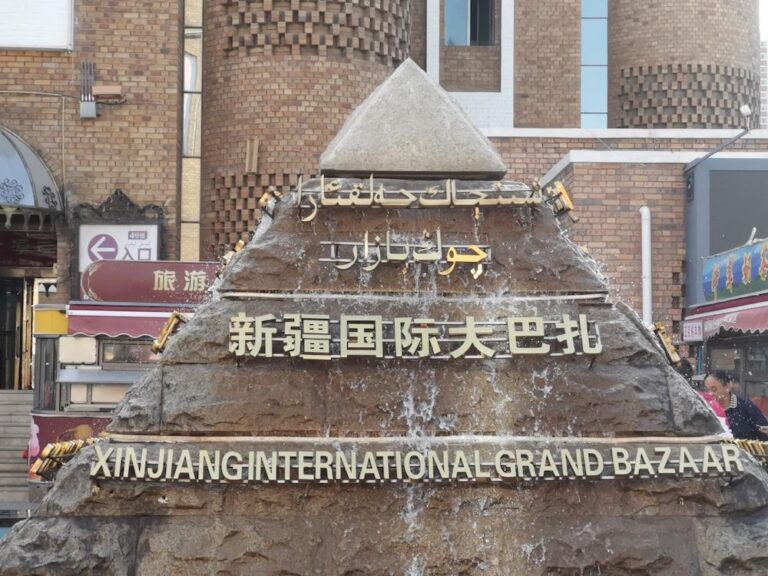
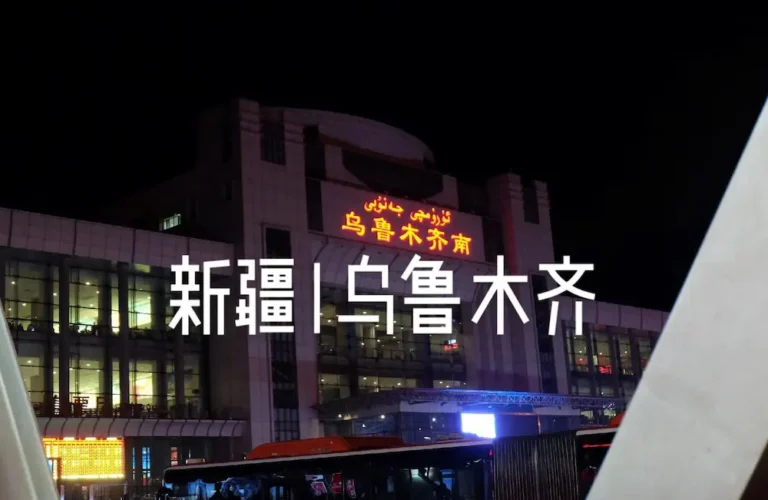
You can also find fried dough at bigger bazaars, including Urumqi’s International Bazaar and the Yining bazaars, though what is sold there is often a cousin of borsak rather than the home version. It is fine for a snack, but the real thing is in a home.
The Kazakh table around it
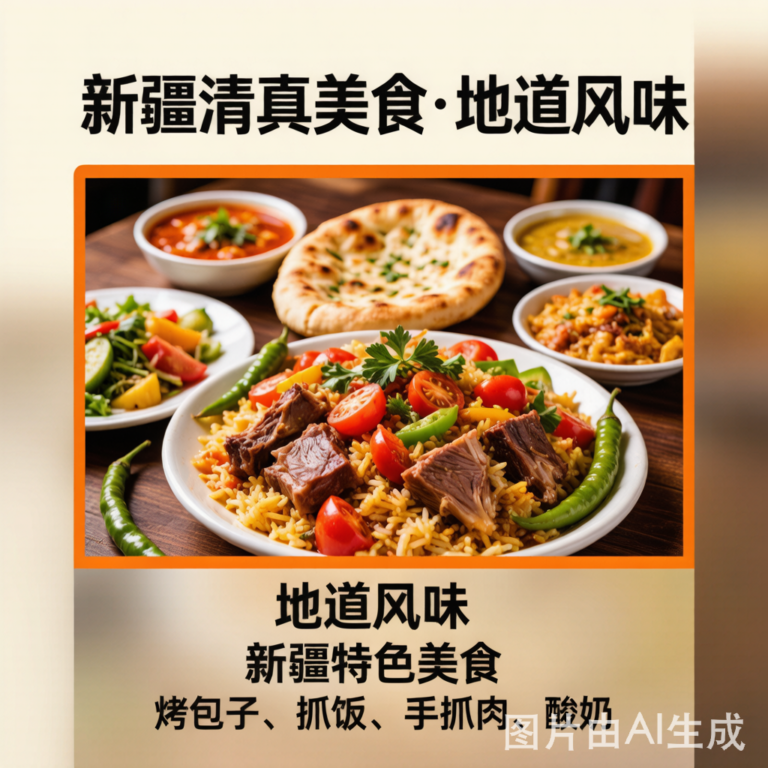
Borsak rarely travels alone. On a real Kazakh spread you will also see naan, manty (steamed dumplings), kazy (horse-meat sausage, for guests of honor), qurt (dried salty cheese), and bowls of milk tea or kumis. The borsak sits at the sweet end, the thing you keep reaching for while the conversation runs long. If you are offered the bowl a second time, that is not politeness. It is the visit going well.
For travelers from elsewhere, the customs matter more than the recipe. Refusing tea or food outright can read as refusing the welcome. You can take a little and set it down. Ask before photographing the table or the host. A small gift, fruit or sweets, is remembered. None of this is complicated, and the families are used to guests who fumble it.
Best time to go
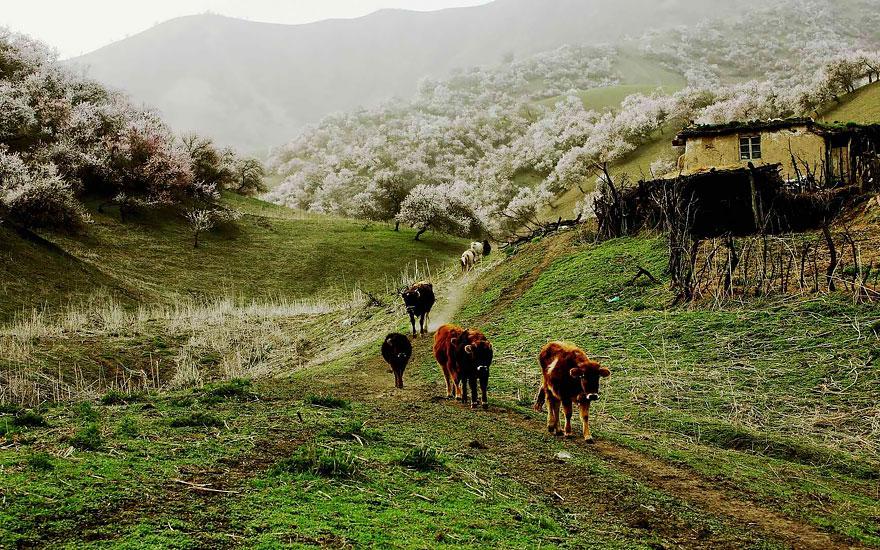
You can eat borsak any month, but the experience is best from June to August, when the pasture yurts are open and the Ili valleys are green. Spring, around the Ili apricot blossom in April, is quieter and the city homestays in Kazanqi are easy to reach. Winter is beautiful and empty, but many yurt stays close. If your goal is the full table, borsak, kumis, fresh cheese, aim for summer.
Getting there
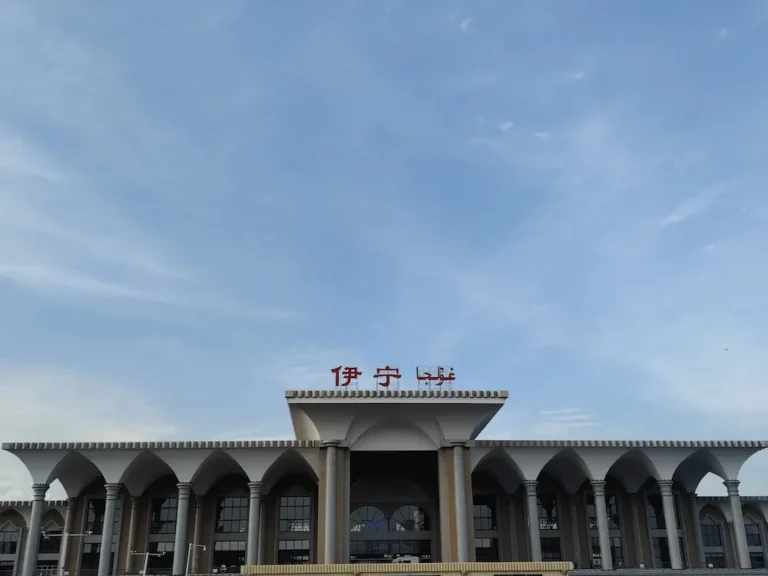
Fly to Yining (Ili) and you are an hour from Kazanqi and a few hours from the pasture yurts by car. Tacheng has its own airport up north. Altai is reached via Altay city. Within the valleys, a driver or a rented car is the practical way to reach the yurt stays, since most are off the bus lines. Trains reach Yining too, if you prefer the rails.
Where to stay
In Yining, guesthouses and a few hotels put you within walking distance of Kazanqi. For the pasture experience, book a yurt homestay in Tangbula or near Nalati in advance in summer, because they fill fast in July. The stay usually includes meals, and borsak at breakfast is common. Treat it as a homestay, not a hotel: early, quiet, and shared.
Practical tips
- It is vegetarian. Plain borsak is flour, water, salt, oil, which is vegan. Sweet versions add butter or milk, so ask if it matters.
- Eat it warm. Within the hour is the rule. Cold borsak is edible, not memorable.
- Watch the oil. If you fry your own, temperature is everything. Too cool and it soaks; too hot and it burns outside, raw inside.
- Allergens. Wheat and oil. If you have a gluten issue, this is not your snack.
- Buy a bag at a bazaar if you want to carry some south. It travels better than the soft home version, though it is never quite the same.
A simple Ili Kazakh food day
If you have one day: morning in Kazanqi (Yining), tea and borsak with a family; late morning at the Yining bazaar for the fried-dough cousins; afternoon drive toward Tangbula for a yurt stop and the real thing with kumis; back to Yining for the night. Two or three days lets you sleep in a yurt and catch the pasture at its greenest.
FAQ
Is borsak sweet or savory? Both exist, but the version travelers meet is the sweet one, served with sugar, jam, or honey, and milk tea. The plain version is mild and meant for dipping.
Is it vegetarian or vegan? Plain borsak is vegan. Sweet versions may use butter or milk in the dough, so check if you avoid dairy.
Can I find it in a restaurant? Rarely. It is home cooking. Yurt homestays and Kazakh family visits are the reliable places.
What is the difference from naan? Naan is baked in a tandoor; borsak is deep-fried. Different texture, different role. Naan is the meal, borsak is the welcome.
Can I make it myself? Yes. Flour, salt, leavening, milk or water, fry hot. The dough is easy; the oil temperature is the skill.
A note on what I am and am not
I have described what I was taught and what I tasted. Recipes vary by family and by valley, and I do not claim one true version. Opening times, homestay availability, and even which bazaar sells what change by season, so confirm locally before you build a trip around a single stop. This is a travel writer’s account, not a culinary authority or a health guide.
About the author
Karl Huang is a travel writer focused on Xinjiang and the Silk Road. He has spent multiple seasons in the Ili valley and northern Xinjiang, writing practical, first-hand guides for independent travelers. His work favors what you can actually do and eat over what looks good in a brochure.