Published: October 19, 2026 | Author: Karl Huang
Urumqi Tianshan Grand Canyon is the nearest national 5A scenery to Xinjiang’s capital, and that is exactly its job. It takes the ridgelines, spruce forest, alpine lakes and Kazakh pastures that people fly across the province to see, and puts them under an hour’s drive from the city centre. We have used it three times now, twice to fill a long summer day between flights and once to give a friend’s parents their first taste of the Tianshan without a ten-hour road trip. This guide is built on those visits plus the official 5A record kept by the Ministry of Culture and Tourism and the ticket rules as they were listed this autumn.
| Item | Detail |
|---|---|
| Location | Banfanggou Town, Urumqi County, roughly 40 to 48 km southwest of downtown Urumqi |
| Status | National 5A scenic area since January 2014; also a national forest park |
| Elevation | About 2,020 m on average; the valley runs 4 to 6 degrees cooler than the city |
| Scale | A planned area of about 1,038 sq km holding two lakes, three waterfalls, four creeks and eighteen valleys |
| Signature | Primeval Schrenk spruce forest, Zhaobi Mountain, Swan Lake, Kazakh summer pastures |
| Hours | About 9:00 to 19:00 in summer; 10:00 to 18:30 in winter, with last entry earlier |
| Tickets | Entrance around 60 yuan in summer and 30 in winter; entrance plus shuttle around 110; self-drive vehicle fee around 150 per car |
| Best months | June to September for green valleys; late September into October for autumn colour |
What the eight zones actually hold
Signboards split the reserve into eight named zones, and the list reads like a menu of everything Xinjiang sells: a leisure area by the Tianshan Dam, the Zhaobi Mountain quarter, the Gasidaban lookout belt, Swan Lake, the pine forest around Niumaohu, a Kazakh culture park, an alpine grassland belt, and a snow-mountain and glacier zone at the top. In practice a day visitor touches three or four of them, and that is enough. The ministry’s own listing describes two lakes, three waterfalls, four creeks and eighteen valleys inside the boundary, which tells you how loosely the word canyon fits a reserve this size; China Daily’s English feature uses the same framing for foreign readers. We treated the gate as a base camp and picked one direction per visit, and we never ran out of valley. The 5A plaque itself arrived in January 2014, the seventh in the province, after a decade of building that added the visitor centre, an eco car park and a 10.6 km scenic approach road, as CNR’s report on the award recorded at the time.
Zhaobi Mountain and the gorge that narrows to a lane
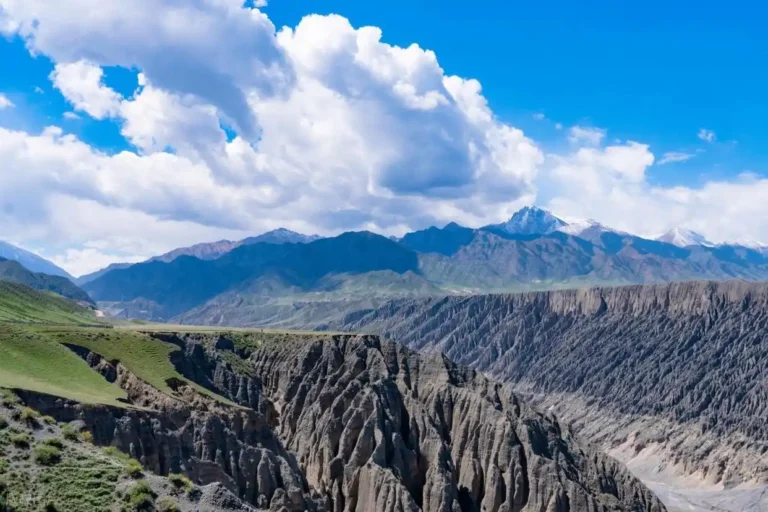
Zhaobi Mountain is the postcard, a rock wall regular enough that the name compares it to a household screen wall, and the gorge beside it pinches to little more than ten metres across at its tightest point. Boardwalks keep you on the shaded side with the creek running below, and the walls hold the morning cold long after the sun has cleared the ridge. We walked this stretch in September 2024 while soft graupel bounced off the planks, an odd little snow shower that lasted twenty minutes and sent the tour groups back to the shuttle. Most of the walk is gentle. Serious walkers can extend it into a proper trek, and for that version of the park our complete hiking guide to the canyon covers the longer routes we deliberately skipped.
Self-drive or shuttle: the decision that shapes the day
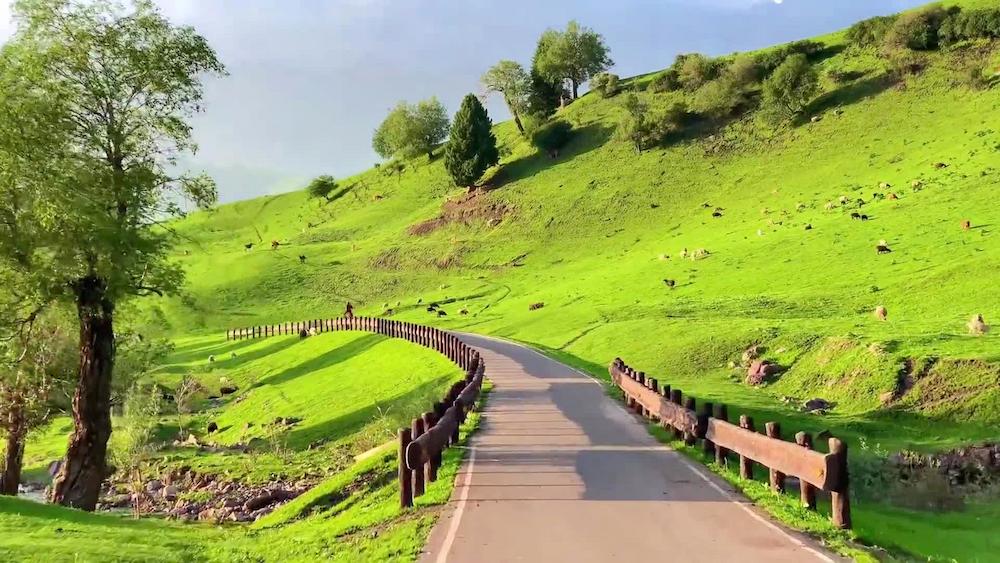
Two ways in, and the ticket window forces the choice early. The standard package is entrance plus the round-trip shuttle, about 110 yuan for an adult at the time of writing, and the bus stops at the viewpoints most people want. Drivers can instead pay a vehicle fee, around 150 yuan per car for a six or seven seater on top of each passenger’s entrance ticket, and take the paved valley road themselves as far as Swan Lake. We have done both. The drive is the pleasant surprise: a fenced lane through pasture with the spruce wall climbing on both sides, empty on a weekday morning and slow enough that you will still take an hour. The shuttle buys back that hour but costs flexibility, because the buses thin out at lunch. Prices move with the season and the platform, with a winter entrance around 30 yuan, so check the current listing before you budget.
Swan Lake, the high pastures and the yurts
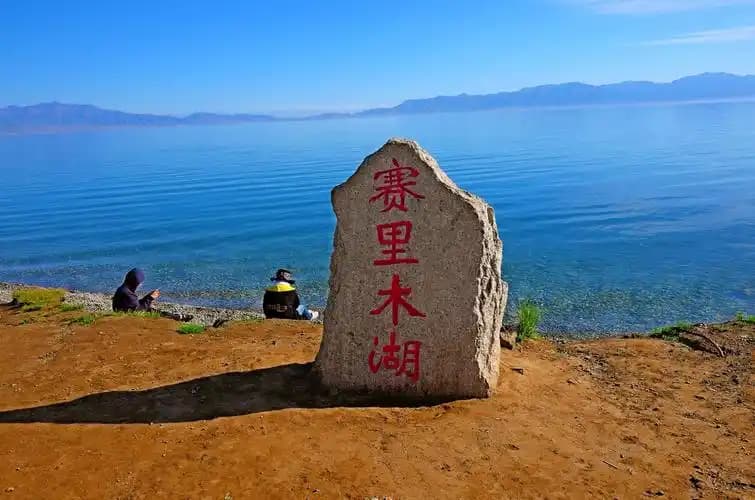
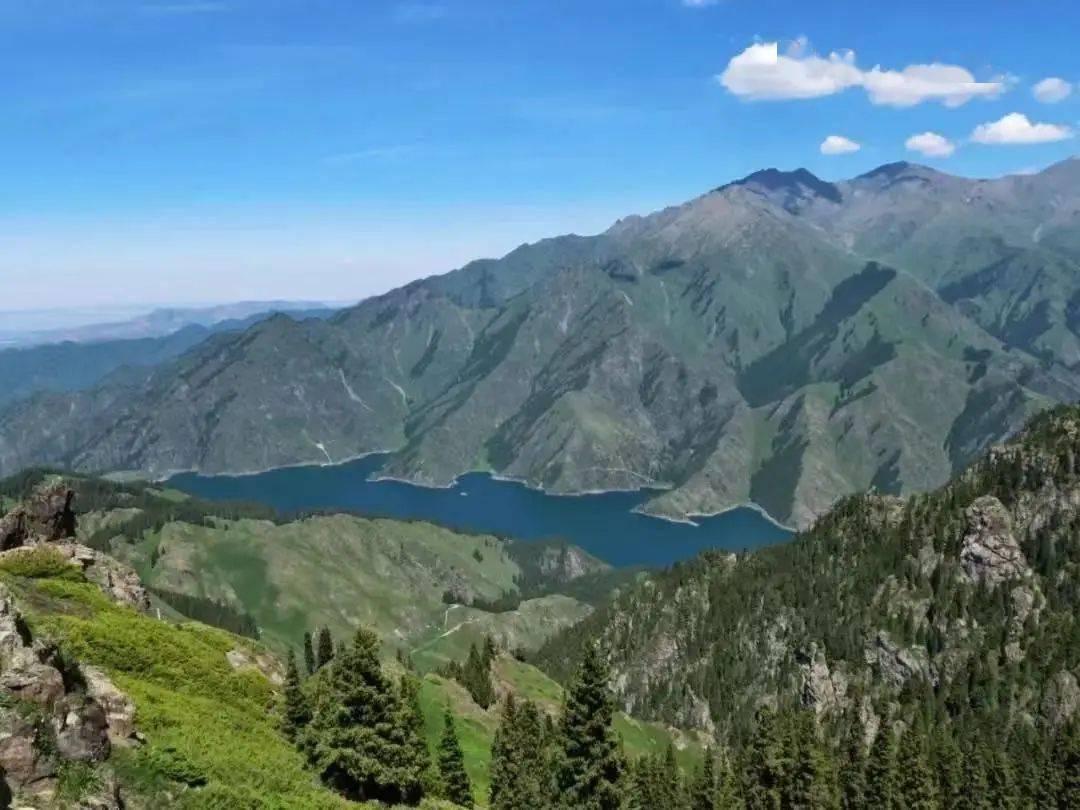
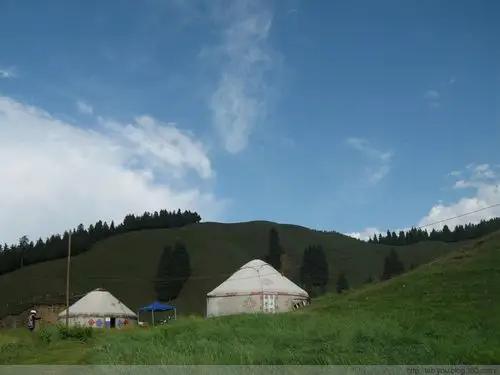
Swan Lake sits at the head of the road, a cold blue sheet under the ridge with boardwalk along one shore. The name oversells the birds. Swans pass through on migration, but in June we found coots, a pair of ruddy shelducks and a lot of quiet, and we would rather tell you that than promise a swan parade. Above the water the alpine grassland opens, and this is the part our guests remember: Qiaoya pasture with horses and sheep scattered across the slope, and Kazakh families summering in white yurts along the flats.
You can ride, drink salted milk tea, or just sit. Families offering horse rides will quote a price and then haggle, so agree on the loop and the duration before anyone mounts up. Cash helps here because the signal drops in the hollows. By early afternoon the light flattens over the pasture and the temperature difference from the city, usually five to eight degrees, starts to feel like a different season, which is why we always carry a fleece even in July.
A one-day loop timed from the capital
This is the shape that has worked for us with visitors who only have a day. Leave the city by 8:30 and you reach the gate close to the 10:00 opening, ahead of the tour coaches. Ride or drive straight to the Zhaobi Mountain trailhead and walk the gorge before it warms up, about ninety minutes with photo stops. Eat late morning at the valley floor, then continue to Swan Lake and the pastures for the middle of the day when the light is harsh and the gorge would be glary anyway. Start back by 16:00, and you are in the city before 18:30 with the evening to spend on Hongshan Park’s free hilltop view, which nicely brackets a day of paid scenery with a free one. The loop assumes the city base plan in our Urumqi travel guide, and it fits comfortably inside three days in the capital without repeating yourself.
Eating at the valley floor and back in town
Food inside the park is functional rather than memorable. Near the main stops you will find noodle shops, grilled lamb skewers and flatbread, priced like airport food and tasting better than that sounds. Our habit is a heavy breakfast in the city, skewers and tea at the valley floor around noon, and a proper dinner back in Urumqi, because the park empties of good kitchens by mid-afternoon. Banfanggou town on the way back has a strip of basic eateries serving the standard county-town menu of laghman, dumplings and big-plate chicken, and on our last drive back we stopped for chicken with peppers and potatoes that cost about what a coffee does in the city centre.
When the day trip pays off most
June through August is the green season, with the pastures at their fullest and every zone open. Late September into mid October turns the higher larches gold, and the valley gains a second colour band below the first snowline, our favourite fortnight of the three years we have been coming. Winter opens a stripped-down snow version with cheaper tickets and fewer zones, worth it if you want silence more than scenery. Weekends and the first week of October jam the road; a Tuesday in June feels like a private park. For how all of this sits inside the province’s wider weather, our season-by-season best time to visit Xinjiang guide lays out the trade-offs month by month.
Urumqi Tianshan Grand Canyon or Heavenly Lake?
This is the comparison every short-term visitor actually faces, so here is how we decide for guests. Heavenly Lake (Tianchi) is the famous one, a glacier lake under Bogda Peak about ninety kilometres out, heavily promoted and heavily bussed. The canyon is closer, usually cheaper, and gives you more kinds of ground in one ticket: a gorge, a lake, pasture and a road through forest. If a single iconic lake photograph is the mission, go to Tianchi. If the day should feel like a landscape rather than a viewpoint, the canyon wins, and on weekdays it can feel half-empty while Tianchi queues at the shuttle. With two days, do both, canyon first.
Five mistakes we watched on a crowded morning
- Buying only the entrance ticket, then discovering the viewpoints sit 10 km up the valley and the walk back eats the afternoon. Buy the shuttle or the drive.
- Arriving after 15:00 expecting a full visit. The low-season gate stops entry at 17:30, and the high zones need at least four hours.
- Dressing for the city. The valley averages 2,020 m and runs five to eight degrees cooler, and the gorge holds wind that cuts through a T-shirt.
- Trying to collect all eight zones in one visit. Three done well beats eight rushed, and the park gives annual-pass holders a reason to return.
- Skipping lunch and assuming the valley floor kiosks will carry you. On weekdays they run thin, and the queues at the one good noodle shop outlast the food.
Questions day-trippers ask
How far is it and how long does the drive take? Count on 40 to 48 km from the city centre depending on your starting point, about an hour to an hour and twenty minutes in normal traffic on the southern expressway and the county road.
Can I do it without a car? Yes. The park runs direct tourist coaches from the city in season, and a taxi or ride-hail for the day is negotiable for roughly the price of a mid-range dinner. Inside, the shuttle covers the valley unless you buy the self-drive option.
Is it suitable for children and older parents? It is the easiest big scenery in the region for exactly that group. The shuttle shortens every leg, the boardwalks are even, and the altitude at 2,000 m is modest by Xinjiang standards. Pace it around the gorge and the lake and skip the glacier zone with small children.
Do I need to book tickets ahead? On weekdays the gate absorbs walk-ups without drama. For weekends, holidays and the first week of October, buy online the night before, because the shuttle quota is what sells out, not the gate.
What we would tell a friend before the drive
This guide reflects three visits between 2024 and 2026 and the published records of the Ministry of Culture and Tourism, CNR and China Daily. Ticket prices, shuttle rules and opening hours shift with the season and with park policy, so treat every figure here as a range to verify against the current listing, not a quote. Weather at 2,000 m changes faster than the forecast admits, and the swans will not necessarily be there. We have no commercial relationship with the park or any operator named.
About the author
Karl Huang writes about Xinjiang for travellers landing in Urumqi with limited days. He has driven and shuttled into the Tianshan Grand Canyon in three different seasons and tests every itinerary here against a layover clock before recommending it.