Published: 19 October 2026 | Author: Karl Huang
Most first-time visitors to Xinjiang treat the Xinjiang Regional Museum as a rainy-day filler. We did exactly that on our first trip in 2016, and we have corrected course on every visit since. The museum in Urumqi is the single best place to make sense of everything you will see on the road: the mummies explain the desert oasis cultures around Turpan and Kashgar, the brocade explains the Niya ruins you read about in guidebooks, and the ethnic-culture halls explain the faces and languages you meet in every bazaar. Walk through the doors before the rest of your trip and the next two weeks click into place.
The Xinjiang Regional Museum: The Place That Explains the Whole Trip
The formal name is the Xinjiang Uygur Autonomous Region Museum. It opened in 1959 and is now the only national first-class museum in the region. It sits at 581 Xibei Road in Saybagh District, on the west side of Urumqi, and holds more than 24,000 relics. That figure sounds abstract until you stand in front of a 3,800-year-old woman and realise she was buried with a felt hat still shaped by her own hands. We have come back five times, most recently after the expanded wing opened in 2022, and each return changed how we read the rest of the province.
A Quick Reference Sheet
| Detail | What to know |
|---|---|
| Full name | Xinjiang Uygur Autonomous Region Museum (新疆博物馆) |
| Address | 581 Xibei Road, Saybagh District, Urumqi |
| Admission | Free; advance online reservation required (real-name; passport for foreign visitors) |
| Closing day | Mondays, unless a public holiday falls on the day |
| Hours | Roughly 10:00-18:00, last entry about 17:00; shorter in winter |
| Time needed | 2.5-4 hours for the full building |
| Common mix-up | The Urumqi City Museum, which is across town in Shuimogou District |
Standing in Front of the Loulan Beauty
The Loulan Beauty was recovered in 1980 from a burial site in the Lop Nur region, radiocarbon-dated to around 3,800 years old. On our first visit we had budgeted forty minutes for the whole museum and stayed three hours, most of them at her case. What stops you is the eyelashes, still visible, and the woven basket beside her. She is one of more than 200 mummies from the Xinjiang deserts, and the hall that holds them sits on an upper floor, away from the entrance flow. That placement is why so many run out of time. Go there first, not last.
The Mummy Hall: More Than a Curiosity
Cherchen Man, from the Zaghunluq cemetery in Qiemo County, is the second anchor of the room. He stood close to 1.8 metres and was buried in woollen leggings with bands of red, blue and yellow that have kept their colour for two millennia.
Then there is Yingpan Man, excavated in 1995 from a cemetery in Yuli County and dated to the third or fourth century AD, buried in a red wool robe with Hellenistic-style figures and a gilded hemp mask over his face. One case explains the Silk Road better than most maps.
A note on the old label you will still see online: early writing called these individuals “Caucasian” because of their features. Genetic work published in Nature in 2021 found that the early Tarim Basin people descended largely from a locally isolated Ancient North Eurasian lineage, not from migrants arriving from the west. The museum’s own panels now reflect that reading.
Reading the Silk Road in One Room
The history galleries lay out the Thirty-Six Kingdoms of the Western Regions and the trade that joined them. If you plan to follow the Silk Road history on the ground, this room is the index. The same thread runs through our Turpan travel guide, where the Astana tomb paintings you see here turn up again in person.
The “Five Stars” Brocade and Why It Matters
The museum’s headline treasure is a Han dynasty brocade armguard woven with the characters “Five stars rising in the east bode well for the Central Plains” (五星出东方利中国). It measures 18.5 by 12.5 centimetres and was unearthed in October 1995 at the Niya ruins in Minfeng County, Hotan Prefecture. It is a first-grade national relic and one of 195 Chinese artifacts barred from overseas exhibition.
What makes it travel-sized reading is the context: Niya lay deep in the Taklamakan, far from the Han court, yet carried a centrally woven message of good omen. For a deeper look at how the piece is studied and displayed, the regional coverage from People’s Daily Xinjiang is worth a read before you go.
The Ethnic-Culture Floors as a Field Guide
The upper ethnic-culture halls display the clothing, tools and instruments of the Uyghur, Kazakh, Kyrgyz, Tajik and other communities of Xinjiang. We used them as a field guide: after seeing a Kazakh dombra and a Uyghur rawap up close, the music we later heard in a Yili village meant something different.
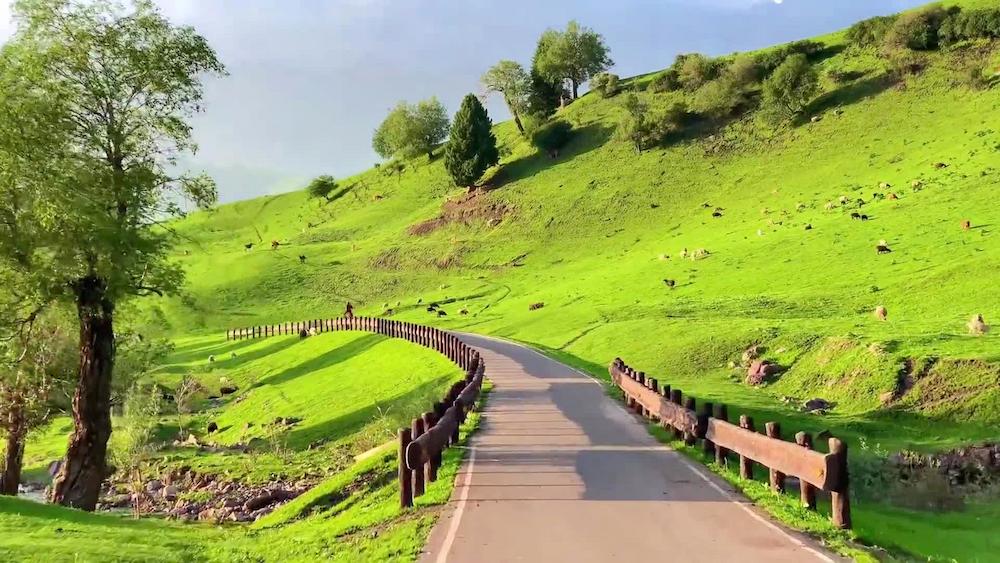
None of this is decoration. The museum makes the point that these communities have lived across this ground for a very long time, and the objects on the stands are the proof.
How We Used the Museum Before the Road Trip
On our 2023 loop we did the museum on day one, then drove south. In Turpan we recognised the Astana tomb paintings from the gallery, and near Hotan we understood why the Niya brocade mattered. The museum did not add sights. It gave the ones we already had a frame. If time is short, treat the mummy hall, the brocade, and the ethnic-culture floor as the minimum.
Hours, the Free Ticket, and the Online Reservation Step
Admission costs nothing, but the museum runs a real-name reservation system and the slots fill on weekends and holidays. Foreign visitors book through the official WeChat account (search the museum’s name in Chinese) and enter with a passport. We have watched travellers turned away because they assumed “free” meant “walk in.” It does not.
Hours shift with the season, usually around the start of May and the start of November, and Monday closure holds even when the rest of the city is open. We check the official account the night before every visit, and twice it saved a wasted taxi ride.
Reaching the Building From the Airport and Station
From Urumqi Diwopu International Airport a taxi takes roughly 40 minutes; from the railway station, closer to 25. The calmer option is metro Line 1 to Mingyuan Station, then an 800-metre walk north to the entrance.
If you are building a wider plan, our Urumqi city guide covers the same routes with more stops.
How Long to Budget and When the Halls Are Quiet
Give the full building 2.5 to 4 hours. The mummy hall alone deserves 60 to 90 minutes if you read the panels. The quiet windows are weekday mornings after opening and the later afternoon once the school groups leave. We prefer the 10:30 to 13:00 slot: fewer people, and the low hall lighting reads better when the rooms are calm.
The building stays cool against a Urumqi summer, so a light layer helps even in July. Photography is allowed without flash, and staff enforce quiet near the human remains.
Where to Stay Within Reach of the Museum
The museum sits west of the centre, so hotels around Saybagh and along metro Line 1 put you within a short ride. We have stayed near Hongshan and reached the doors in under twenty minutes by metro. Staying central also keeps the International Bazaar and the train station close, which matters on a tight first day.
What to Eat Near the Museum
There is no restaurant inside, but the surrounding blocks fill the gap. Within a short walk you will find hand-pulled laghman, samsa from clay ovens, and the warm nang that disappears faster than you expect. For a fuller crawl, the International Bazaar food street is a ten-minute ride and worth the trip for lamb skewers alone.
Turning the Visit Into Your Trip’s First Day
Because the museum is free and central, it makes an ideal first morning. Follow it with the bazaar before lunch for a full, low-cost day that also preloads the rest of your route.
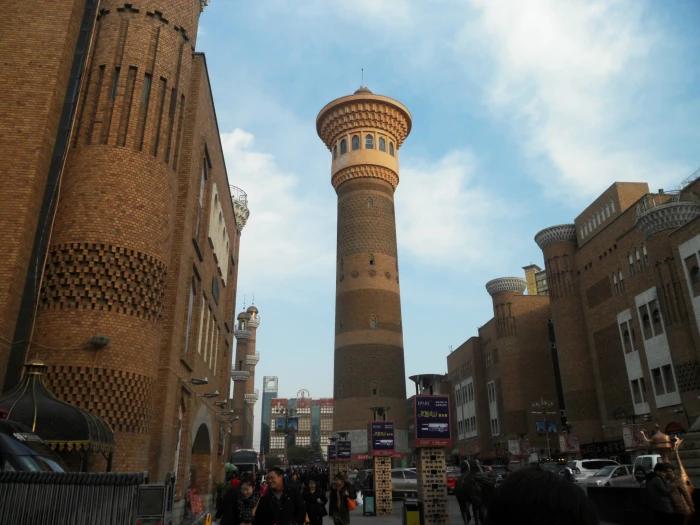
If you want the bazaar explained before you haggle, pair this stop with the city guide above rather than wandering in cold.
A Short List of What’s on Display to Read Up On
Before you fly, it helps to know the names behind the cases: Loulan and Xiaohe for the mummies, Niya for the brocade, Astana for the Turpan tomb paintings, and the Thirty-Six Kingdoms for the Silk Road map. None require deep study; one evening of reading turns a glass case into a story.
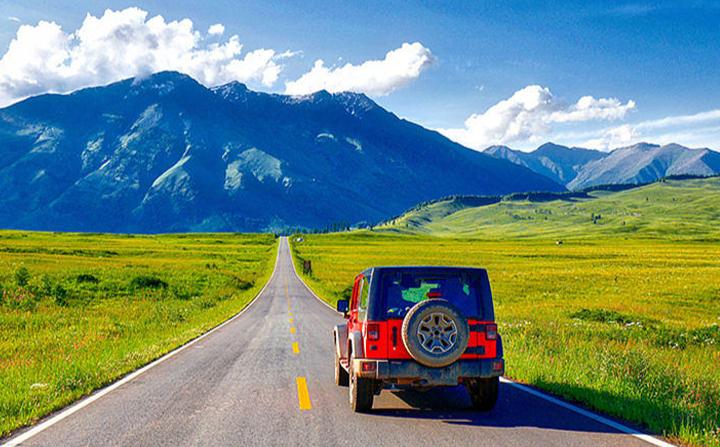
When you are ready to plan those drives, our Xinjiang travel tips cover the practical side from permits to packing.
Questions First-Time Visitors Ask
Is the museum really free? Yes, but you must reserve a timed slot online first. Walk-ins are not guaranteed.
Can I photograph the mummies? Photography without flash is allowed, but visitors are asked to keep quiet and respectful near the human remains.
How much English is there? Major panels carry English, and the headline objects are well signed. A guide app or the official audio tour helps with the smaller cases.
Is it worth it if I only have one day in Urumqi? It is the best single use of that day. Pair it with the bazaar and you have the city covered.
What about the Urumqi City Museum? Separate building, separate collection, across town. Choose the regional museum for the headline relics.
A Note on Accuracy and What’s Changed
The museum has adjusted its hours and reservation rules several times since the expanded wing opened in 2022, and closure on Mondays can shift around public holidays. Treat the times in this guide as a reliable starting point, not a promise, and confirm on the official account before you travel. The genetic note on the Tarim mummies reflects peer-reviewed work from 2021 and may be presented differently in older travel writing.
This guide describes human remains on public display. We ask visitors to approach the mummy hall with the same respect they would give any burial site.
About This Guide’s Writer
Karl Huang is a travel writer who has covered Xinjiang across multiple trips between 2016 and 2024, including two visits after the museum’s expanded wing reopened. He writes for travellers who want accurate, usable detail rather than brochure language, and he verifies opening times and access rules against official sources before publishing. Questions and corrections are welcome.