By Karl Huang · XinjiangAttractions Editorial Team · Last updated October 2026
If Namtso is vast and distant, Yamdrok (Yamdrok Yumtso) is the accessible jewel — a sacred lake so contorted by the valleys that it looks less like a body of water than a spilled ribbon of turquoise wound through the brown hills. It lies about 100 kilometers southwest of Lhasa, and most visitors meet it from the Gangbala Pass, where the road crests a ridge and the whole coiled lake unfurls below. The first sight draws a universal intake of breath; the color is that impossible.
One Lake, Many Arms
Yamdrok is one of Tibet’s three great sacred lakes, and its shape is unusual: a branched, river-like system rather than a single oval, fed by mountain snowmelt and draining toward the Yarlung Tsangpo. Tibetans consider it the dwelling of a protective goddess, and the lakeshore is marked with prayer flags and offering cairns. Pilgrims circumambulate portions of it on foot, and the water — protected, and unusually clean — supports migratory birds in season. The lake’s spiritual weight sits easily alongside its sheer visual drama; you do not have to be devout to feel the place is special.
| Fact | Detail |
|---|---|
| Distance | About 100 km southwest of Lhasa |
| Altitude | Lake ~4,400 m; Gangbala Pass ~4,900 m |
| Status | One of Tibet’s three great sacred lakes |
| Access | Half-day trip by tour vehicle from Lhasa |
| Best season | Spring to autumn; clearest in April–May and September–October |
| Time needed | Half a day to a full day |
The Viewpoint at Gangbala
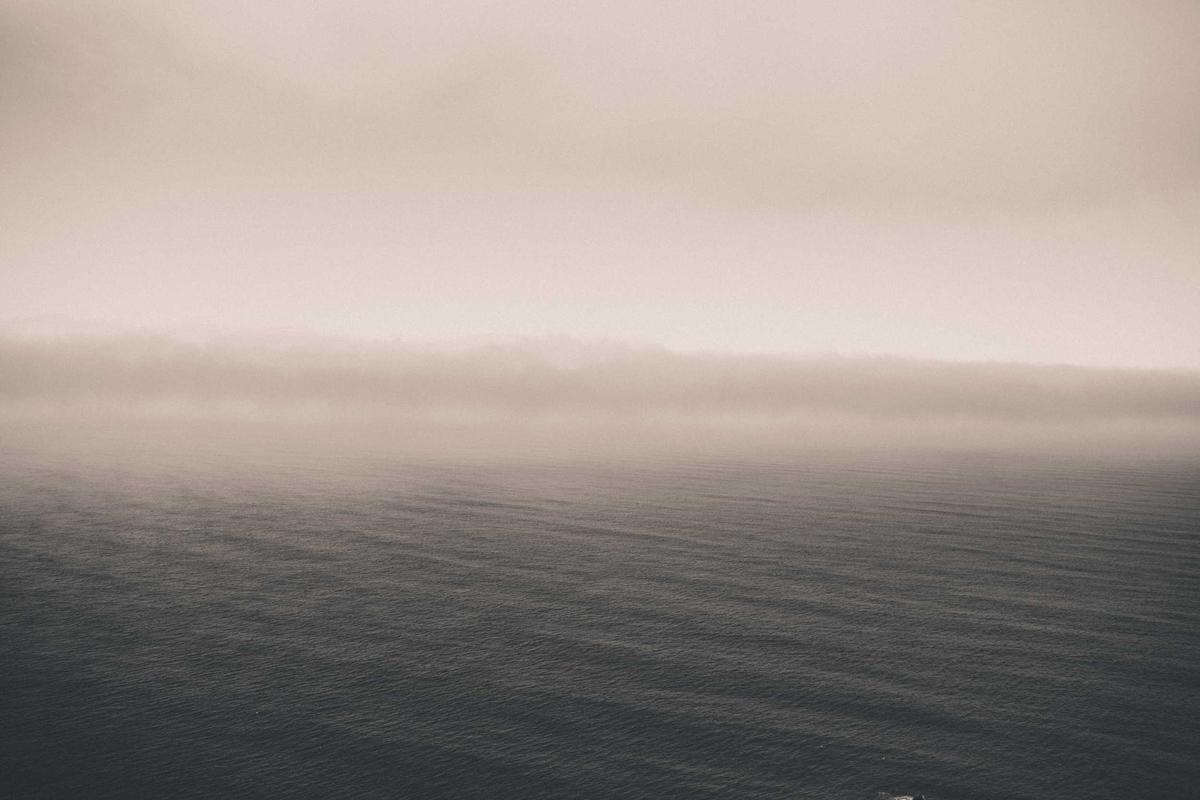
The classic experience is the stop at the Gangbala Pass, where the road tops a ridge and the lake suddenly appears, coiled among the hills with the snows of the distant Himalaya behind. On a clear day the turquoise is almost neon; after rain it deepens to cobalt. A short walk along the ridge gives different framings, and a few local herders sometimes bring yaks for photos (for a negotiable fee). Below, a spur road descends to the shore where you can touch the water — bracingly cold even in summer — and look back up at the pass.
The Drive from Lhasa
Yamdrok is the natural first highland excursion for anyone based in Lhasa. The road climbs past terraced farmland and a hydroelectric tunnel, then crests the pass for the view, before descending toward the shore and often continuing west toward Shigatse and Everest. Many Tibet itineraries string Yamdrok, the Karola Glacier, and Shigatse into a single west-bound day, using the lake as the beautiful overture. Because foreign visitors travel with a licensed tour and permit, the vehicle and guide are arranged in Lhasa, and the half-day loop is an easy add-on even on a short stay.
When to Visit
The lake is reachable year-round, but the color is best and the road easiest in spring (April to May) and autumn (September to October), when the air is dry and clear. Summer brings greener hills and more wildflowers but also afternoon showers that can veil the view. Winter is stark and very cold, with the possibility of ice on the high pass, but also a startling clarity and almost no other visitors. Whenever you go, aim for a morning at the pass — the light is kinder and the wind lighter than later in the day.
Where to Stay and Eat
Yamdrok is normally a day trip from Lhasa rather than an overnight, since the lakeshore has only modest seasonal teahouses and no real hotels. If you are continuing west, you will sleep in Shigatse instead. Food at the lake is limited to small roadside stalls selling noodles, tea, and snacks, so eat a proper meal in Lhasa before setting out and carry water. The teahouses at the shore are worth a stop for a butter tea and the chance to watch the lake without the pass’s wind.

Practical Tips
- The Gangbala Pass is exposed and windy — bring a windproof layer even on a warm day.
- Acclimatize in Lhasa first; the pass is near 4,900 m and the air is thin.
- Negotiate any yak-photo fee before posing; a small cash tip is expected.
- Do not litter or move the shore’s mani stones and prayer flags — this is a sacred site.
- Combine with Karola Glacier and Shigatse if heading west; it is on the natural line.
A Half-Day Plan
Leave Lhasa after breakfast, pause at the Yundiving viewpoint en route, reach the Gangbala Pass for the main view and a ridge walk, descend to the shore for tea and a close look, then return to Lhasa by mid-afternoon — or continue west if your itinerary allows. A relaxed half-day is enough to absorb the color without rushing the altitude.
The Karola Glacier Detour
Travelers continuing west from Yamdrok usually add the Karola Glacier, a dramatic wall of ice hanging above the road near the town of Gyantse. Unlike the lake’s soft beauty, the glacier is stark and a little alarming — a frozen waterfall of blue ice clinging to a near-vertical mountain face, close enough that you can feel the cold radiating off it. In recent decades it has visibly retreated, a quiet reminder of the plateau’s warming, and the viewing area now sits farther back than old photographs suggest. Still, standing beneath it is a genuine thrill, and it makes a natural companion to Yamdrok on a Lhasa-to-Shigatse day: the turquoise lake as the overture, the glacier as the dramatic second movement, before the cultural weight of Shigatse and the distant pull of Everest beyond.
Birdlife and the Changing Lake
Yamdrok is more than a viewpoint. The lake and its feeder wetlands host migratory birds — including bar-headed geese, which fly over the Himalaya, and various ducks and waders — especially in the shoulder seasons when the water is neither frozen nor at its summer high. Local communities fish the lake under traditional agreements and graze sheep on the surrounding hills, and the shoreline villages are among the most photogenic in central Tibet, with whitewashed houses terraced above the turquoise. Because the lake is a protected source of drinking water, development at the shore is tightly limited, which is why it remains so pristine; visitors are asked not to swim, wash, or leave litter, and to keep a respectful distance from both the wildlife and the small shrines that dot the banks. Treat the stop as a privilege, and the place repays you.
A Full West-Bound Day from Lhasa
Yamdrok is the natural first leg of the classic overland route from Lhasa to the Nepal border, and seeing it in that context is ideal. A typical day leaves Lhasa after breakfast, climbs past the hydroelectric works and the first viewpoints, pauses at the Gangbala Pass for the main view and a short ridge walk, descends to the shore for tea, then continues west past the Karola Glacier and on to Gyantse — with its commanding hilltop fort and the luminous Kumbum stupa — before reaching Shigatse by evening. That single day packs three of Tibet’s signature sights (lake, glacier, fort) into one arc, and the lake becomes the beautiful overture rather than a standalone stop. If your time is short, the half-day return from Lhasa is perfectly satisfying; if it is long, let Yamdrok be the gateway to the whole western plateau.
Responsible Visiting at a Sacred Lake
Because Yamdrok is both a drinking-water source and a living sacred site, responsible behavior matters more than usual. Stay on established paths and viewing areas rather than driving or walking across the fragile lakeshore vegetation; the brown hills recover slowly from tire tracks. Do not swim, wash, or discard offerings in the water, and leave the mani stones, prayer flags, and cairns exactly as you find them — moving them is both ecologically and spiritually inappropriate. Photograph respectfully, asking before framing local herders or their animals, and keep drones away from the shore villages. The teahouses appreciate business but not litter, so carry out what you carry in. Treated this way, Yamdrok remains pristine for the next visitor and honored by the communities who have cared for it far longer than tourism has existed — a small effort for a place this special.
FAQ
How far is Yamdrok from Lhasa?
About 100 kilometers, roughly a two-hour drive each way, making it an easy half-day trip.
Do I need a permit?
Yes — as elsewhere in the TAR, foreign visitors join a licensed Tibet tour that handles the Travel Permit.
Is the viewpoint worth the stop?
Unquestionably; the Gangbala overlook is one of the most photographed sights in Tibet for good reason.
Can I go down to the water?
Yes, a spur road descends to the shore where you can walk to the edge and visit a teahouse.
What is the best time of day?
Morning, for clearer air, softer light, and lighter wind at the exposed pass.
Disclaimer: Tibet permit rules, road status, and the viewpoints’ accessibility change with weather and policy. Arrange through a licensed operator and confirm current conditions before travel.
Karl Huang is a travel writer for the XinjiangAttractions Editorial Team, covering China’s highland lakes and sacred landscapes for international visitors.