By Karl Huang · XinjiangAttractions Editorial Team · Last updated October 2026
Step off the subway at Lama Temple and within a block the traffic noise of the Second Ring Road gives way to the smell of burning sandalwood. The Beijing Lama Temple — Yonghe Temple (Yònghé Gōng) — is the most important Tibetan Buddhist monastery outside the Tibetan plateau, and the one place in the capital where you can feel, rather than just read about, living imperial faith. It was here that the Qianlong Emperor was born, and the air of sanctity has never fully lifted. On any given morning the courtyards fill with kneeling worshippers, the smoke of a hundred incense coils, and the low chant of lamas at their prayers.
From Prince’s Mansion to Lamasery
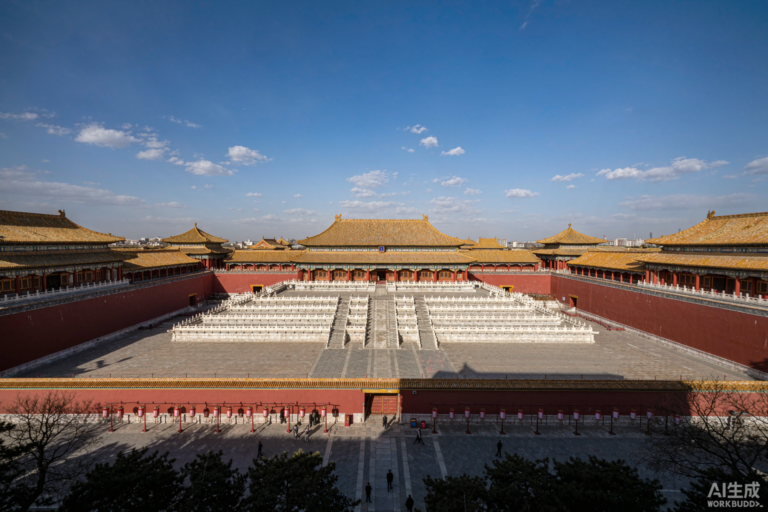
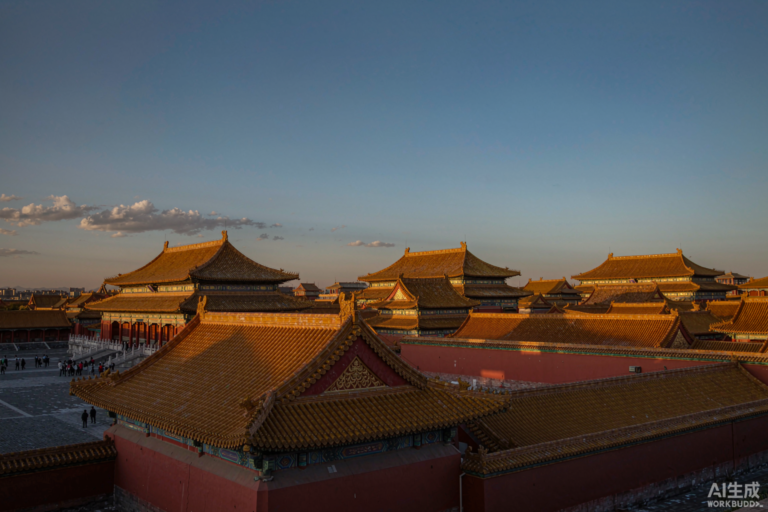
The site began in 1694 as the residence of the future Yongzheng Emperor while he was still a prince, hence the yellow roof tiles reserved for royalty. When Yongzheng died in 1735, his coffin was lodged here, and his son Qianlong converted the building into a monastery to pray for his father’s soul, staffing it with Tibetan lamas of the Gelug school. The result is a rare hybrid: a courtyard layout that follows Han Chinese palace rules, topped with Tibetan-style decorative elements and managed by monks in maroon robes. The imperial connection is why no other Buddhist site in Beijing is allowed the same yellow-tiled grandeur.
In 1993 the temple placed on display a Maitreya Buddha carved from a single sandalwood log — certified by Guinness at the time as the world’s largest — standing 26 meters, with 8 meters buried in the foundation to steady it against Beijing’s occasional earthquakes. The log was a gift from the seventh Dalai Lama and took four years to transport from Nepal to the capital.
| Fact | Detail |
|---|---|
| Founded | 1694 as a prince’s mansion; converted to a lamasery in 1744 |
| Roofs | Imperial yellow glazed tiles (former royal residence) |
| Highlight | 26 m sandalwood Maitreya, a single trunk |
| Ticket | About RMB 25, incense included |
| Time needed | 1.5 to 2 hours |
| Nearest metro | Lama Temple Station, Lines 2 and 5 |
Walking the Axis
The visit is a straight north-south progression through five main halls, each taller and more ornate than the last. The Hall of Heavenly Kings opens with a laughing Maitreya; the Hall of the Dharma Wheel holds the main teaching statues; the Hall of Infinite Happiness shelters the giant sandalwood Maitreya, viewed from three stacked balconies. Side courtyards hold the drum and bell towers and small shrines where devotees leave butter lamps. The symmetry is soothing, and the constant murmur of mantra from the lamas’ quarters gives the place a pulse that the Forbidden City next door, for all its grandeur, lacks. On my last visit a monk gently corrected my hand position for holding incense, a small kindness that turned a tourist stop into something closer to a lesson.
Getting There
Lama Temple sits just inside the Second Ring Road, a short walk from both the Beijing central sights and the Guozijian — the imperial academy — and the Confucius Temple next door. Take metro Line 2 or 5 to Lama Temple Station; Exit C puts you at the entrance plaza. It pairs naturally with a morning in the hutongs of Gulou to the north, and with the Confucius Temple it forms a coherent half-day of imperial learning and faith. Ride-hailing drops you at the east gate; if driving, note that roadside parking is scarce and the surrounding lanes are one-way.
When to Visit
The temple is open year-round and never fully empty. The most atmospheric time is early morning (it opens around 9 a.m.) before the tour groups, when the light slants through the cypresses and the incense is fresh. The Lunar New Year period draws huge crowds of worshippers seeking first blessings, and the 1st and 15th of each lunar month are locally busy. Autumn days are clear and pleasant; summer afternoons are hot and crowded, and the narrow halls can get stuffy. A snowfall transforms the courtyards into a monochrome scroll painting, and a few hardy visitors come specifically for that.
Where to Stay
The Gulou and Nanluoguxiang hutong districts, a ten-minute walk north, are the best bases — courtyard guesthouses put you within earshot of the temple’s morning bells. A wider range of Beijing hotels sits around Wangfujing and the station, a short metro ride south. Book ahead in spring and autumn, the peak tourist seasons, and ask for a room away from the main road if you are a light sleeper, since the area stays lively until late.
Food and Tea Nearby
The lanes around Gulou are a street-food paradise: jianbing (savory crepes), zhajiangmian (noodle with fermented bean paste), and roasted sweet potatoes in winter. For a sit-down break, the Tibetan restaurants near the temple serve butter tea and momos; a few steps further, the old Beijing noodle shops do a brisk lunch trade. The narrow Yandai Xiejie alley just west is lined with tea houses where you can rest your legs and watch the courtyard life through a lattice window, a perfect pause between sights.
Tips for Visitors
- Admission includes a bundle of incense — light it at the designated cauldrons, not the halls.
- Dress modestly; this is an active monastery, not a ruin, so cover shoulders and knees.
- Photography is allowed in the courtyards but usually forbidden inside the halls — look for signs.
- Come early; by 11 a.m. the main axis is shoulder to shoulder with tour groups.
- Combine with the Confucius Temple next door for a half-day of imperial learning and faith.
- Keep your voice low; people are praying, and the atmosphere is the attraction.
A Half-Day Route
Arrive at opening, move slowly north through the five halls, pause at the Maitreya balcony, then step next door to the Confucius Temple and Guozijian. Lunch in Gulou, and an afternoon wander through the hutongs completes a very Beijing day. If you prefer evenings, come at 4 p.m. when the light is soft and the incense smoke catches the sun, then dine in the lanes as they light up.
The Lamas and the Living Tradition
What separates Yonghe from a museum is the monks. Around sixty lamas live and study within the compound, following the Gelug tradition brought from Lhasa three centuries ago. A typical day begins before dawn with chanting in the Hall of the Dharma Wheel, the low drone carrying across the courtyards as the first visitors line up at the gate. The monks maintain the butter lamps, copy scriptures in elegant vertical script, and prepare for the great festivals — chief among them the Tibetan New Year (Losar) and the Buddha’s Birthday, when the temple fills with devotees receiving blessings and the air turns dense with incense. Visitors are welcome to watch from a respectful distance, and the tenderness with which the lamas tend the giant Maitreya — polishing the offering bowls, adjusting the silk hangings — is itself a kind of instruction in devotion. This is not performance; it is a working monastery, and the difference is audible the moment you step inside.
Scripture, Sand Mandalas, and Study
Beyond the public halls, the temple has long been a center of learning. The monks study logic, metaphysics, and the classical texts of Tibetan Buddhism, and the library once held a celebrated set of the Kangyur, the Buddha’s collected words, printed from woodblocks. During certain festivals you may witness the construction of a sand mandala — a painstaking colored-sand diagram of the cosmos that is ritually destroyed at the end, a teaching on impermanence. Even if you arrive on an ordinary morning, the side halls often hold smaller ceremonies: a lama turning a prayer wheel, a novice memorizing a text aloud, an elderly worshipper prostrating before a threshold. These unscripted moments are why early arrival matters more here than at almost any other Beijing sight; the building is grand, but the life inside it is the real attraction.
A Note on Etiquette and Pace
Yonghe rewards a slow circuit. Buy your ticket at the south gate, then resist the urge to rush the first hall — circle back to it after the crowds thin. Keep your voice low, step around (never over) the prayer mats, and never point the soles of your feet at a shrine when you sit. If a lama nods you toward a side altar, accept the small blessing; the red string he ties is meant to be worn, not photographed. Two hours is the right budget: enough to see the Maitreya without treating the place like a checklist, and enough to catch the rhythm of chanting that no guidebook can convey.
FAQ
Is it still a working monastery?
Yes — lamas live and chant here, and it is an active site of worship, especially at festivals.
How tall is the Maitreya statue?
About 26 meters, carved from a single sandalwood log, with roughly 8 meters below ground for stability.
Is the ticket worth it?
At around RMB 25 with incense included, it is one of Beijing’s best-value sights.
Can I take photos inside?
Courtyards yes; most inner halls no. Always check posted signs and respect worshippers.
How long should I allow?
Ninety minutes to two hours if you move slowly and include the Confucius Temple next door.
Disclaimer: Opening hours, ticket prices, and photography rules can change; confirm at the entrance or with your hotel.
Karl Huang is a travel writer for the XinjiangAttractions Editorial Team, specializing in Beijing’s historical and spiritual landmarks for international visitors.