By Karl Huang · XinjiangAttractions Editorial Team · Last updated October 2026
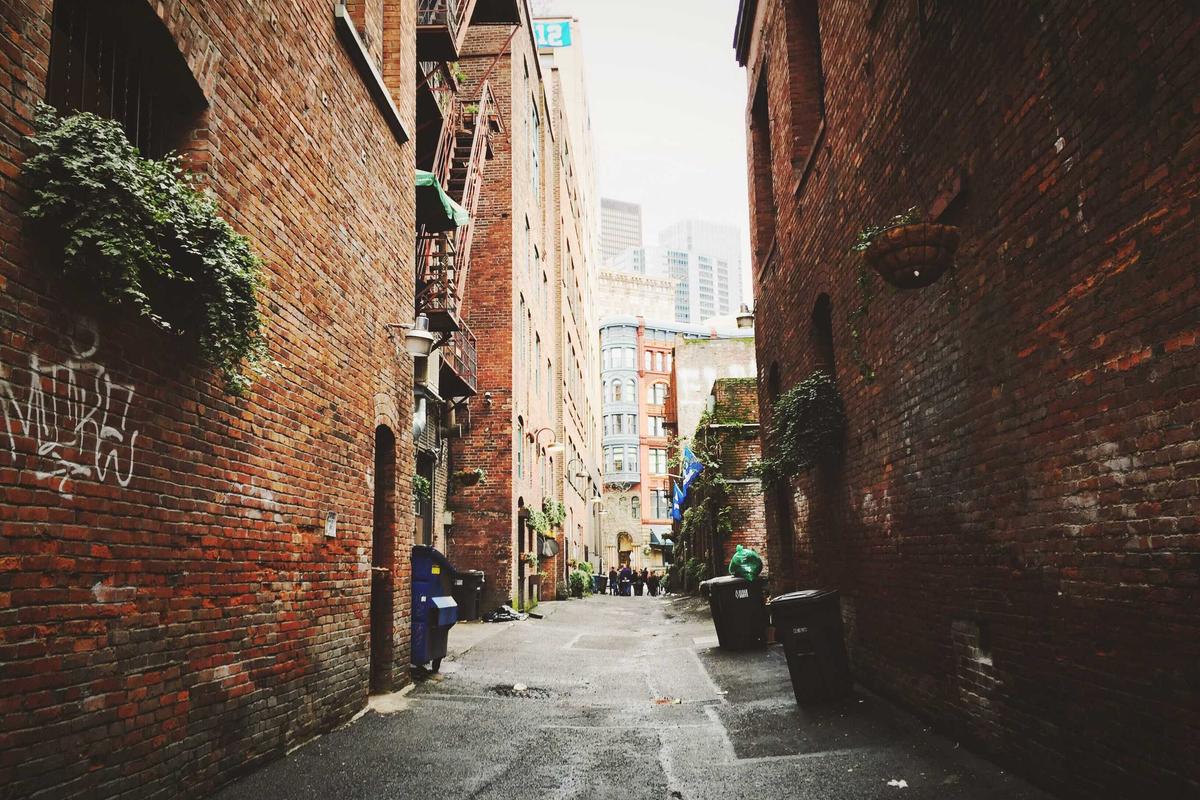
The Forbidden City shows you the China that was ruled; the hutongs show you the China that was lived. A hutong is a narrow alley formed by lines of siheyuan — walled courtyard houses — and for seven centuries these gray-brick lanes were where ordinary Beijingers ate, argued, bicycled, and raised children. Many have been bulldozed for apartment blocks, but the surviving warrens around Gulou and the lakes are the closest thing the modern capital has to a soul, and the best free show in town. To walk them is to step out of the megacity and into the village that Beijing once was.
Reading the Map of Lanes
Hutongs run east-west, with north-south alleys crossing them at right angles — a grid laid down in the Yuan dynasty and still legible if you look down from a rooftop. The names are a folk archive: Yandai Xiejie (“Tobacco-Pouch Skew Street”) once sold pipe supplies; Ju’er Hutong was the site of a model housing experiment praised by architects worldwide; the lanes around Shichahai once belonged to princes and eunuchs. Wandering without a plan is the point, but a few lanes repay a deliberate visit, and learning to read the name plaques turns a stroll into a small act of archaeology.
| Lane / area | Character |
|---|---|
| Nanluoguxiang | Busy, shops and bars, good for a first taste |
| Gulou & Yandai Xiejie | Historic, photogenic, café-filled |
| Shichahai lakes | Waterfront, rickshaws, evening strolls |
| Ju’er Hutong | Quiet, residential, architectural interest |
| East of Guozijian | Scholarly, leafy, few tourists |
How to Actually Explore
On foot is best, but the classic hutong experience is a rented bicycle or a pedicab (rickshaw) tour from Shichahai. The drivers double as guides and will weave you past courtyards, pointing out the carved doorstones that signaled a family’s rank and the red lanterns that mark a courtyard still lived in. A self-guided walk lets you duck into side alleys the tours skip — that is where you find the real life: a man repairing a bicycle, a grandmother trimming chrysanthemums, the smell of leeks frying. The point is not a destination but the drift, the unplanned turn that opens onto a courtyard gate painted with fading couplets.
For a wider Beijing plan, the hutongs sit a short hop from the city’s main sights and pair perfectly with a morning at the Lama Temple just to the east, or an afternoon at the Bell and Drum Towers that loom over Gulou.

Getting Lost on Purpose
My favorite hutong afternoon began with a wrong turn off Yandai Xiejie. I ended up in a lane so narrow two people could barely pass, where a tailor’s shop occupied a former gatehouse and a cat supervised from a windowsill. An old resident invited me to watch him paint a gourd, then pressed a persimmon into my hand. Nothing on any itinerary, and the best hour of the week. That is the hutongs’ promise: the planned sights are fixed, but the lanes reward the wanderer, and the only failure is rushing. I now build a deliberate gap into every Beijing day just to walk without a map.
Getting Around
Metro Line 2 and 8 serve the hutong belt: Gulou Dajie, Nanluoguxiang, and Shichahai stations all drop you into the lanes. From central Beijing hotels it is a short ride north. Once inside, forget the map app — getting briefly lost is the activity. Taxis cannot enter the narrowest alleys, so walk the last few hundred meters, and note that the lanes are one-way for cars in places, which is why the bicycle remains the natural hutong vehicle.
When to Go
Spring (April to May) and autumn (September to October) are ideal: mild, dry, and good for walking. Mornings year-round are calm; after 5 p.m. the lanes fill with residents returning home and the street-food carts roll out. Summer is hot and the alleys trap heat between the walls; winter is frigid but magical after a snowfall, when the gray tiles go white and the steam from breakfast stalls rises in the cold. The Lantern Festival turns the lanes into a parade of red, and Mid-Autumn sees families set out mooncakes in courtyard doorways.
Where to Stay
A courtyard guesthouse (siheyuan hotel) inside the hutongs is the most atmospheric base in Beijing — you sleep behind a moon gate and wake to bicycle bells. Gulou and the lanes east of the lakes have the best selection, from bare-bones hostels to polished design courtyards with heated floors. Staying inside the lanes means dinner, bars, and morning congee are all steps away, and you can step out at 7 a.m. to find the bakeries just opening. Book early in autumn, when the lanes are at their most popular.
Eating in the Lanes
This is where Beijing street food lives. Breakfast is jianbing (a crisp savory crepe folded around an egg and crackling), or douzhi (fermented mung-bean drink, an acquired taste best taken with fried dough). Lunch might be zhajiangmian — wheat noodles under a dark soybean-paste sauce with cucumber and beans — from a hole-in-the-wall. In the evening, the hutong barbecue stalls char lamb skewers over open coals, and the older lanes hide famous dumpling shops. A pot of jasmine tea in a side-alley tea house is the perfect reset, and the courtyard restaurants tucked behind unmarked doors serve some of the city’s best home-style cooking.
Practical Cautions
- Rickshaw touts around Shichahai quote wild prices — agree on a total fare before boarding, and tip only if pleased.
- Don’t enter private courtyards; the lanes are homes, not a museum, and the gates are private.
- Nanluoguxiang is fun but commercial — walk one street over for the quieter version.
- Wear comfortable shoes; you will cover several kilometers on uneven stone.
- Carry small cash for carts that don’t take phones (rarer now, but still happens).
- Respect residents; photographing people without a nod of consent is poor form.
A Half-Day Walk
Start at Nanluoguxiang’s north end and walk south slowly, peeling off into east-west side lanes. Cut west to Yandai Xiejie, climb the Gulou drum tower for a view, then descend to Shichahai for a lakeside wander and a rickshaw if energy lags. End with dinner at a hutong noodle shop, and if the light is good, loop back through the lanes as the lanterns come on.
A Short History of the Siheyuan
To understand hutongs you must understand the siheyuan, the walled courtyard house that lines them. A classic siheyuan is built on a strict north-south axis: the main room faces south for winter sun, flanked by eastern and western wings for children and guests, all enclosing a square court with a pomegranate or dates tree. Feng shui governed everything — the placement of the gate (never centered, always offset to the east or southeast), the height of the roof, the screen wall that stopped evil spirits and prying eyes at the threshold. For centuries this was the basic unit of Beijing family life, and the hutong was simply the lane left between rows of them. What makes the surviving hutongs precious is that they preserve this social grain — a human scale the twentieth century’s boulevards and towers largely erased. Standing in a quiet court, you can still feel the logic of a city designed around families rather than traffic.
Decline, Preservation, and the New Hutong
The hutongs had their worst decades after 1949, when courtyards were subdivided to house multiple families and many lanes were razed for roads and apartment blocks during the reform boom. By the 1990s planners were demolishing them by the hundred, until public and international pressure slowed the pace and protected zones were drawn around Gulou and Shichahai. Today a quieter revolution is underway: young designers and returning residents are restoring siheyuan as guesthouses, cafes, and studios, keeping the timber frames while slipping in heating and Wi-Fi. The result is a hutong that is neither a frozen museum nor a demolished memory but a living, evolving neighborhood. The best way to support that balance is to visit as a guest — to eat, stay, and wander — rather than as a spectator gawking through someone’s gate.
FAQ
What does “hutong” mean?
It refers to the alleyways formed between rows of siheyuan courtyard houses, a layout dating to the Yuan dynasty.
Are the hutongs disappearing?
Many were demolished in the 1990s and 2000s, but large protected areas around Gulou and Shichahai remain vibrant and lived-in.
Is a rickshaw tour worth it?
For a fast, guided overview, yes — just fix the price first. For atmosphere, walking beats riding every time.
Which hutong is best for first-timers?
Gulou and Yandai Xiejie: historic, pretty, and packed with food, without being as packaged as Nanluoguxiang’s core.
Can I visit a real courtyard house?
Some guesthouses and a few museums (like the Mao Dun former residence) open their courtyards; otherwise admire from the lane.
Disclaimer: Hutong businesses, tour prices, and accessibility change; some lanes are being renovated. Use common courtesy — these are residential streets, not a theme park.
Karl Huang is a travel writer for the XinjiangAttractions Editorial Team, focused on the everyday culture of China’s cities for international visitors.