By Karl Huang · XinjiangAttractions Editorial Team · November 2026
Qinghai Lake (青海湖) is the largest inland saltwater lake in China, a wind-scoured sheet of blue sitting at about 3,200 meters above sea level on the Tibetan plateau. I drove the ring road on a rented bicycle one July and still remember the moment the water first appeared: a flat horizon that looked more like ocean than lake, with prayer flags snapping in a wind that never stopped. If you want one destination that captures the open, high, and quietly spiritual character of western China without the crowds of the headline cities, this is it.
At a Glance
| Feature | Detail |
|---|---|
| Location | About 150 km west of Xining, Qinghai province |
| Elevation | ~3,200 m (10,500 ft) |
| Surface area | ~4,500 km² (seasonal) |
| Best season | July–August (rape blossom); frozen Jan–Feb |
| Loop road | ~360 km around the shoreline |
| Entry | Scenic-area ticket + shuttle, typically ¥90–¥120 |
Why the Lake Stays With You
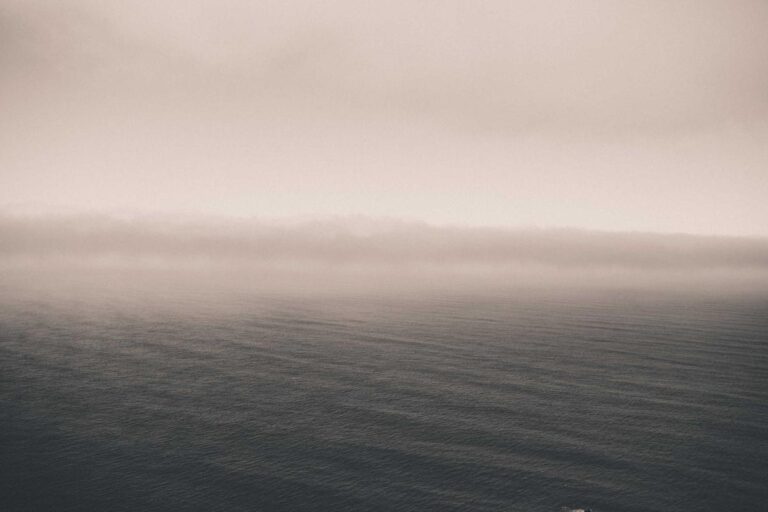
The first thing that surprises visitors is the scale. From the lakeside you cannot see the far shore; the water runs into a haze that blends with the sky. On clear afternoons the color shifts from steel grey to a saturated cobalt, and in wind the surface breaks into whitecaps that feel oceanic. The second surprise is the culture. This is a Tibetan region, and the lake is sacred (it is among the sites honored in Tibetan pilgrimage). You will pass white stupas, mani stone piles, and herders moving yaks along the shore.
My own route started in Namco Lake research months earlier, and the contrast taught me something useful: Namco is raw and remote, while Qinghai Lake is accessible enough that a first-time plateau visitor can enjoy it comfortably with a little acclimatization.
Getting There and Getting Around
Most travelers base in Xining, the provincial capital, reachable by high-speed train from Lanzhou and by air from major hubs. From Xining it is roughly a 2.5–3 hour drive west to the lake’s eastern shore. Options once you arrive:
- Organized day tour – easiest; a driver handles the altitude and the long empty roads.
- Self-drive or rental – the loop road is paved and well signed; fuel and food are sparse, so top up in Xining.
- Cycling – the classic challenge is a multi-day ride around the ~360 km perimeter. July’s annual cycling race shows how seriously locals take it.
- Bus – tourist buses run from Xining in season, but schedules are loose.
Best Time to Visit
Late July to mid-August is the sweet spot. The surrounding fields turn gold with rape blossom (油菜花), a striking yellow band against the blue water that is the image most people come for. Days are mild (15–20 °C) but nights are cold; bring a fleece. September and October are quiet and clear, with fewer tourists and lower prices. Winter freezes the lake into a vast white plain — beautiful but brutal, with temperatures well below zero.
Where to Stay
Choices range from the lakeside town of Heimahe (黑马河), popular for sunrise, to the developing resort strip at Erlangjian (二郎剑), the main managed scenic entrance. Budget travelers use Xining as a base and do a long day trip. Mid-range lakeside guesthouses offer Tibetan-style rooms and yak-butter-tea breakfasts. Book ahead in July and August, when the rape-blossom season sells out.
Food to Try
This is pastoral country, so the menu is yak and barley. Try yak meat hotpot, tsampa (roasted barley flour), and yak yogurt sold by the roadside in ceramic bowls. In Xining beforehand, sample hand-pulled noodles and mutton skewers to fuel up for the altitude.
Practical Tips
- Altitude: At 3,200 m, ease in. Spend a night in Xining (2,260 m) first, hydrate, and skip heavy exercise on day one.
- Sun and wind: UV is intense and the wind is constant. Sunglasses, lip balm, and a windproof layer are essential.
- Cash: Small stalls often prefer cash or mobile pay; carry some notes.
- Respect: Walk clockwise around stupas and mani piles; ask before photographing herders.
A Suggested Two-Day Plan
Day 1: Depart Xining early, stop at Kumbum Monastery (Ta’er Si) on the way, reach the eastern shore by afternoon, and watch sunset from Heimahe. Day 2: Sunrise over the lake, drive the southern shore past the rape fields, visit Erlangjian, and return to Xining by evening.
The Ring Road and How People Actually Travel It
Most visitors never drive the full loop, but understanding it helps you plan. The shoreline road is roughly 360 km, wrapping the lake through grassland, herder camps, and a few small towns. Cyclists attempt it in three to five days, camping or staying in guesthouses; the prevailing wind comes off the lake and is usually against you on the western leg, which locals will warn you about with a grin. If you are not a cyclist, the eastern and southern arcs are the scenic highlights and are easily covered by car in a day.
Birds, Ecology, and the Changing Shoreline
Qinghai Lake is a critical stop on the Central Asian migratory flyway. In spring and early summer, the lake’s protected northern bays host bar-headed geese and other waterbirds — though the old ‘Bird Island’ tourist boardwalk has been restricted in recent years to protect habitat, so do not assume you can walk among the colonies. The lake itself has shrunk and grown with climate cycles; you may notice reed beds and wet meadows far from the waterline. Respect the fences and signs — they exist for the ecology, not to annoy you.
Tibetan Culture Along the Edge
The shore is dotted with working monasteries and mani landscapes. Small temples sit within an hour of the main scenic areas, and herders still move yaks and sheep through the season. A visit to a roadside sky-burial viewpoint is not appropriate (these are active, sacred sites), but a stop at a friendly monastery teahouse for butter tea is a genuine cultural moment. Ask before photographing people; a smile and a gesture go further than a long lens.
Nearby Stops to Extend the Trip
- Kumbum Monastery (Ta’er Si): On the Xining approach; one of the most important Tibetan monasteries outside the plateau proper.
- Chaka Salt Lake: Two hours east; the ‘Mirror of the Sky’ flat, ideal as a paired day.
- Xining city: The Qinghai Provincial Museum and the local Muslim quarter’s noodles are worth a half-day.
Budget and Costs
A realistic day from Xining runs roughly: transport ¥150–¥400 depending on car vs tour, entry and shuttle ¥90–¥120, food ¥40–¥80, and lakeside guesthouses ¥150–¥400 per night in season. July–August pricing sits at the top of those ranges; September is noticeably cheaper.
Common Mistakes
- Underestimating altitude — spend a night in Xining first.
- Arriving midday in August with no booking — it sells out.
- Skipping the rape-blossom window and then wondering why photos look flat.
- Forgetting a windproof layer even in summer.
Frequently Asked Questions
Is Qinghai Lake worth visiting if I only have one day?
Yes, but a long one. A Xining-based day tour covers the highlights, though an overnight stay lets you catch sunrise and avoid a rushed drive back in the dark.
Can I visit independently without a tour?
Absolutely. Rent a car or join a cycling group. The roads are good; the only real challenge is the altitude and the long gaps between services.
How cold does it get at night?
Even in summer, nights drop to single digits Celsius. In winter the lake freezes solid and temperatures can fall below -20 °C.
Is it suitable for children?
Older children who can handle altitude and car time do fine. Watch for altitude sickness in young kids and consult a doctor beforehand.
Disclaimer
Prices, opening hours, and ticket policies change by season and were approximate at the time of writing. Confirm with the official scenic-area office or your hotel before travel, and prepare for altitude with professional medical advice if you have health conditions.
Who Should Come, and When to Wait
Qinghai Lake suits travelers who like open space, light hiking, and cultural texture without big-city logistics. It is excellent for photographers, cyclists, and families with older kids who can handle a long drive and altitude. It is less ideal for those who need constant amenities, nightlife, or wheelchair-level access — the shoreline is rustic and services are thin. If your only window is deep winter, consider waiting; the frozen lake is spectacular but brutally cold, and many lakeside services close.
On the Ground: A Short Field Note
The single most useful thing I learned was to treat Xining as a buffer, not a checkbox. Arriving a day early, walking the Muslim quarter, and letting my breathing normalize at 2,260 m made the lake at 3,200 m feel manageable rather than punishing. The second lesson: the lake rewards slowness. A two-hour stop at one viewpoint beats a frantic loop of all of them. Locals picnic, fly kites, and circle the stupas; joining that rhythm, rather than ticking sights, is what makes the place stick.
Getting Around on the Day
Within the scenic area, a shuttle covers the main eastern-shore stops, but the real freedom is a private car or rental for the full loop. Fuel and food are sparse west of the lake, so top up in Xining and carry water and snacks. Bikes can be rented at Heimahe and Erlangjian for the flat lakeside segments; the prevailing wind is the only serious enemy. If you are short on time, base at Erlangjian and do a sunrise-and-sunset pair rather than the whole perimeter.
What I’d Tell a Friend
Slow down and let Xining be your buffer for altitude. Skip the frantic full-loop if you only have a day; one good viewpoint, a yak-yogurt stop, and the rape fields in July are more memorable than a tired drive. And pack a windproof layer even in August — the lake makes its own weather, and the wind never really stops.
Final Practical Checklist
Carry ID for hotel check-in, download offline maps before leaving Xining (signal thins at the lake), and keep cash for stalls that do not take mobile pay. Acclimatize a night in Xining, hydrate constantly, and tell your hotel your rough return time if driving the loop alone. The lake is safe and well visited, but its scale and weather deserve respect.
About the author: Karl Huang is a travel writer for the XinjiangAttractions Editorial Team, focusing on accessible highland and cultural destinations across China. This article covers mainland China only.