By Karl Huang · XinjiangAttractions Editorial Team · November 2026
Jiuzhaigou (九寨沟) is a valley that seems edited for color. Its lakes shift from turquoise to jade to deep blue depending on depth and light, and its tiered waterfalls drop through forest in long white ribbons. I visited in mid-October when the surrounding maples turned red against the blue water — the single most saturated landscape I have seen in China. A UNESCO site in northern Sichuan, it is managed carefully, and the experience is a calm, boardwalk-led walk rather than a climb. The name means “Nine Village Valley,” after the Tibetan villages that still sit at its entrance and give the park its cultural layer.
At a Glance
| Feature | Detail |
|---|---|
| Location | Aba Tibetan & Qiang Autonomous Prefecture, Sichuan |
| Status | UNESCO World Heritage (1992) |
| Layout | Three valleys in a Y shape |
| Elevation | ~2,000-3,100 m |
| Best season | Oct (autumn color); Apr-May also good |
| Access | Shuttle buses + boardwalks |
Why the Water Is That Color
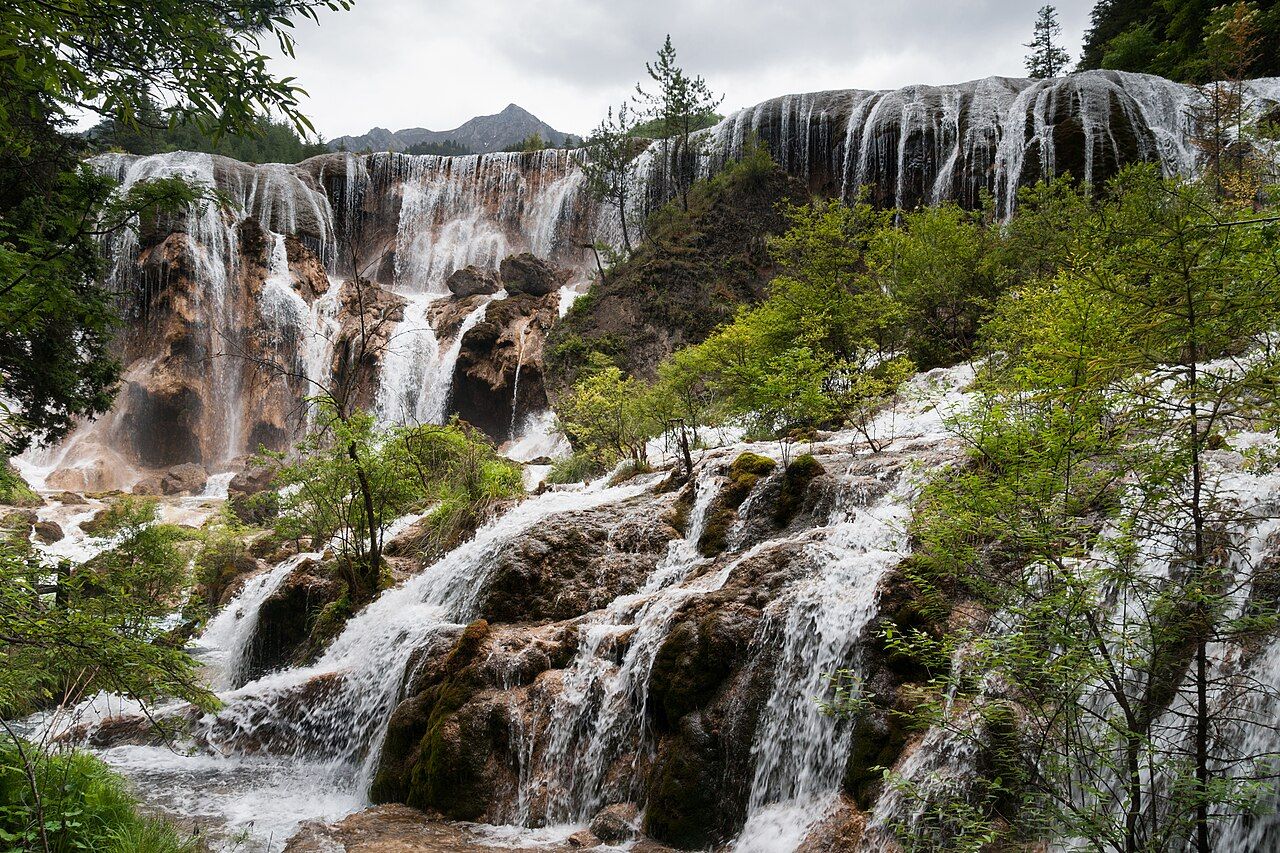
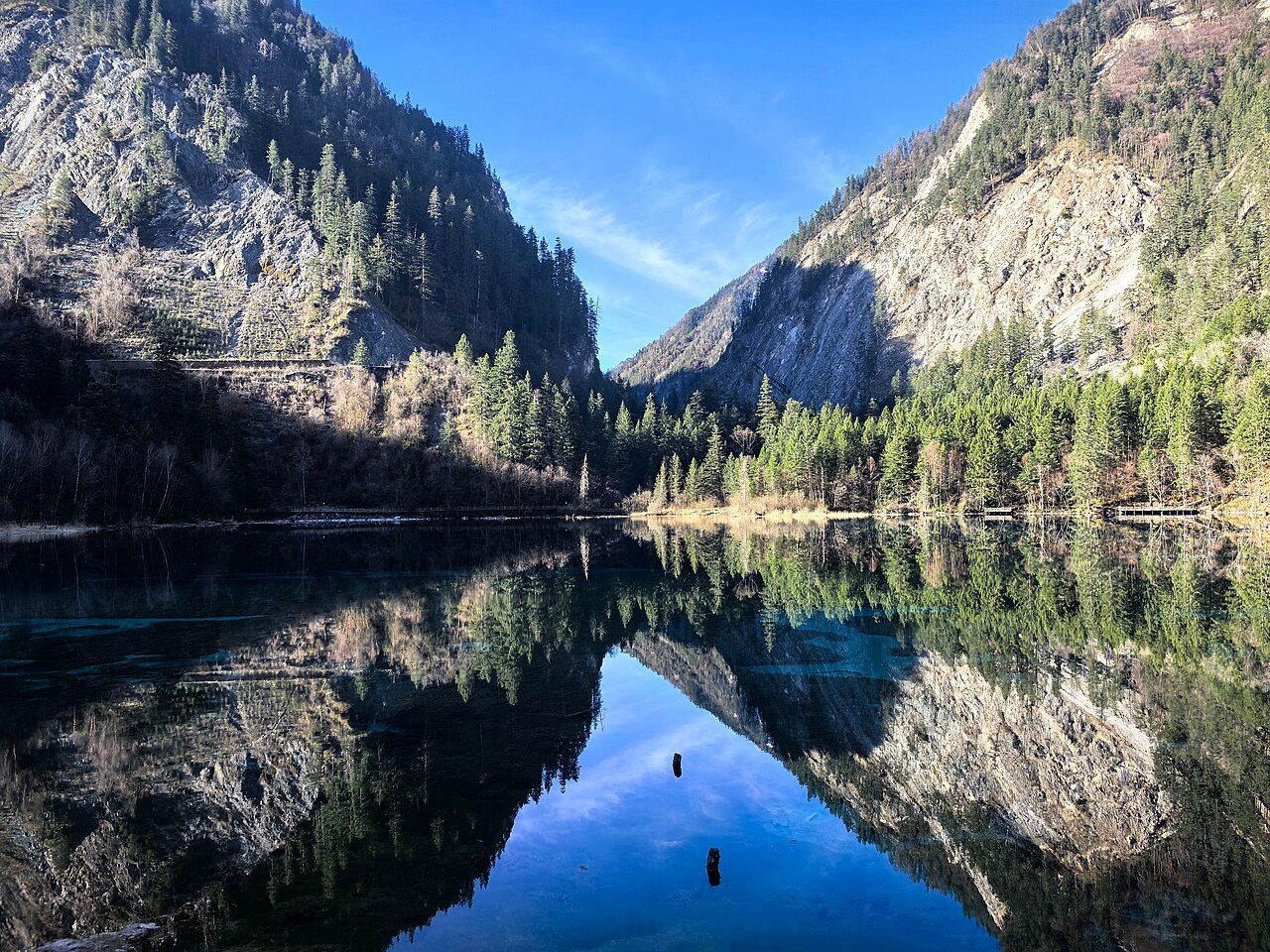
The valley’s clarity comes from karst geology and travertine — calcium carbonate deposited by the water, which reflects and scatters light to produce those impossible blues and greens. Lakes such as Five Flower Lake and the Mirror Lake are the icons; Pearl Shoal Waterfall and Nuorilang Waterfall are the big drops. The park was badly damaged in a 2017 earthquake and has since reopened in stages, with infrastructure rebuilt and some trails rerouted. If you enjoy high plateau water, our Qinghai Lake guide and the Zhangye Danxia guide extend the western-China theme from a different angle.
The Three Valleys
Jiuzhaigou is shaped like a Y. The Rize Valley (eastern arm) holds the most famous lakes — Five Flower Lake, Pearl Shoal. The Zechawa Valley (southern arm) climbs to the Long Lake at the highest point and the Five-Color Pond, a small intense pool. The Shuzheng Valley (main stem) chains waterfalls and smaller lakes back toward the exit, including the 300-meter-wide Nuorilang, the widest travertine waterfall in China. Shuttles run the length, and boardwalks let you walk between stops; many visitors combine bus hops with walking sections to control their pace and avoid the crowds at the headline lakes.
Getting There
The nearest hub is Jiuzhaigou Huanglong Airport, with flights from Chengdu and elsewhere; from there it is about 90 minutes by road. Many travelers also approach overland from Chengdu (a long day’s drive) or pair the trip with Huanglong, a nearby travertine terrace park famous for its own color-shifting pools. Book accommodation in the town just outside the gate, since the park itself has no lodging and the internal shuttles stop at night. The gateway town has grown into a small tourist hub with hotels and restaurants tuned to the park’s rhythm.
Best Time to Visit
Late October is the peak for autumn color and the most photogenic window; expect crowds. April-May is green and quieter. Summer is lush and wet; winter is cold and partly closed but strikingly peaceful, with ice on the falls and snow on the peaks. Because of altitude, springs and autumns are most comfortable. Avoid national holidays if you can, as the park caps daily entries and they sell out.
Altitude and Practical Tips
- Altitude: Up to ~3,100 m; move gently and hydrate, especially on the climb to Long Lake.
- Ticket: The entry includes the shuttle; keep it for same-day re-boarding at the stops.
- Clothing: Mountain weather shifts fast; bring a rain layer and warm mid-layer.
- Boarding: Board the first shuttle at opening to get ahead of the crowds at the top lakes.
A One-Day Plan
Take the shuttle to the top of the Rize Valley, walk down through Five Flower Lake and Pearl Shoal, shuttle to the Zechawa arm for Long Lake, then descend the Shuzheng Valley on foot past the waterfalls. That route follows the park’s intended one-way flow and avoids backtracking, letting you see all three arms in a single efficient day.
Conservation and the 2017 Earthquake
Jiuzhaigou’s fame rests on a fragile balance. The color of its lakes depends on travertine and clear water, both vulnerable to disturbance, which is why the park caps daily visitor numbers and routes everyone on shuttles rather than private cars. A magnitude-7 earthquake in August 2017 damaged trails, triggered landslides, and closed the park for years of rebuilding; it reopened in stages, with some routes rerouted and the infrastructure modernized. The recovery is a reminder that this landscape is active and delicate. Visitors help by staying on the boardwalks, not wading into the lakes, and respecting the one-way flow that protects the most fragile shores. The effort is worth it: the water’s intensity — a saturated turquoise you can see straight to the bottom — is unmatched.
Culture: The Tibetan Villages
The valley takes its name from the nine Tibetan villages that historically sat at its entrance, and the area is home to Tibetan and Qiang communities whose prayer flags and wooden houses add a cultural layer to the scenery. The gateway town reflects this mix, with yak-meat hotpots, butter tea, and handicrafts alongside the tourist infrastructure. Visiting respectfully — asking before photographing people, supporting local guesthouses — enriches the trip and sustains the communities that steward the park. If you want another high-plateau contrast, our Qinghai Lake guide covers a very different kind of blue water, and Zhangye Danxia adds colorful rock to a western-China itinerary.
Frequently Asked Questions
How do I combine Jiuzhaigou with Huanglong?
Huanglong, famous for its own travertine terrace pools, is about two hours away by road and pairs naturally with Jiuzhaigou as a two-park trip. Many visitors fly into Jiuzhaigou Huanglong Airport and allocate a day to each; note Huanglong sits higher and is colder, so pace yourself for the altitude there too.
How much time do I need?
A full day covers the three valleys at a reasonable pace. Two days lets you linger and dodge crowds at the most famous lakes.
Is altitude a problem?
For most visitors it is mild, but the climb to Long Lake is high. Ease in, hydrate, and consult a doctor if you have heart or lung conditions.
Can I visit in winter?
Partially. Some upper arms may close after heavy snow, but the open sections are quiet and beautiful, with frozen waterfalls.
When is the color best?
Late October, when the surrounding forests turn red and gold against the blue lakes — the signature Jiuzhaigou image.
Costs, Tickets, and the Daily Cap
Jiuzhaigou prices its entry by season — higher in the golden autumn weeks and lower in winter — and the ticket includes the internal shuttle, which you will rely on because private cars are not allowed inside. The park caps daily visitors to protect the fragile lakes, so in peak autumn the limit can sell out; book online well ahead and pick an early entry window. On-mountain food is basic and limited, so bring water and a snack even though the shuttle stops near a couple of cafes. The nearby Huanglong park is a separate ticket and a separate (higher, colder) day; combine the two only if you have the time and the altitude tolerance, since Huanglong’s boardwalks climb steeply.
Frequently Asked Questions
Is Jiuzhaigou open all year?
Largely yes, though some upper arms may close after heavy snow in deep winter, and the reopening after the 2017 earthquake was staged. Always confirm the current open arms before you go, as the configuration can shift season to season.
A Slow, Boardwalk Day
Jiuzhaigou is not a climb; it is a walk on boardwalks beside water, which is why it suits a wide range of fitness levels. The intended flow is one-way — shuttle to the top, then descend on foot past the lakes and falls — and leaning into it keeps you off the crowded buses and among the color. Pace yourself for the altitude at the higher Long Lake, drink water, and resist the urge to rush; the lakes reveal their best when you pause at the viewing platforms rather than march past. The autumn color window is spectacular but busy, so if you can travel in April-May or a quiet winter day, you get the travertine and the silence without the crowds. A single full day covers all three arms if you start at opening.
Frequently Asked Questions
What should I wear at Jiuzhaigou?
Layers and a rain shell — the valley weather shifts fast, and mornings at altitude are cool even in summer. Comfortable walking shoes are enough; the boardwalks are even, so no hiking boots required.
One practical note: because the park sits at altitude and caps daily entries, the smartest plan is to catch the first shuttle and follow the one-way descent, so you reach the headline lakes before the midday groups arrive and the light is still soft.
Disclaimer
Opening status, ticket prices, shuttle operations, and altitude advice change by season and were approximate at the time of writing. Confirm with the official park office and seek medical advice for altitude before travel.
About the author: Karl Huang is a travel writer for the XinjiangAttractions Editorial Team, covering China’s protected landscapes. This article covers mainland China only.
Photo Credits
All photographs in this article are sourced from Wikimedia Commons and are used under free licenses (CC BY, CC BY-SA, or Public Domain). Image authors and licenses:
- Jiuzhaigou Sichuan China Pearl-Shoals-Waterfalls-01.jpg — Wikimedia Commons contributor / CC BY-SA 3.0.
- Lake in Jiuzhaigou.jpg — Wikimedia Commons contributor / CC BY 2.0.