By Karl Huang · XinjiangAttractions Editorial Team · November 2026
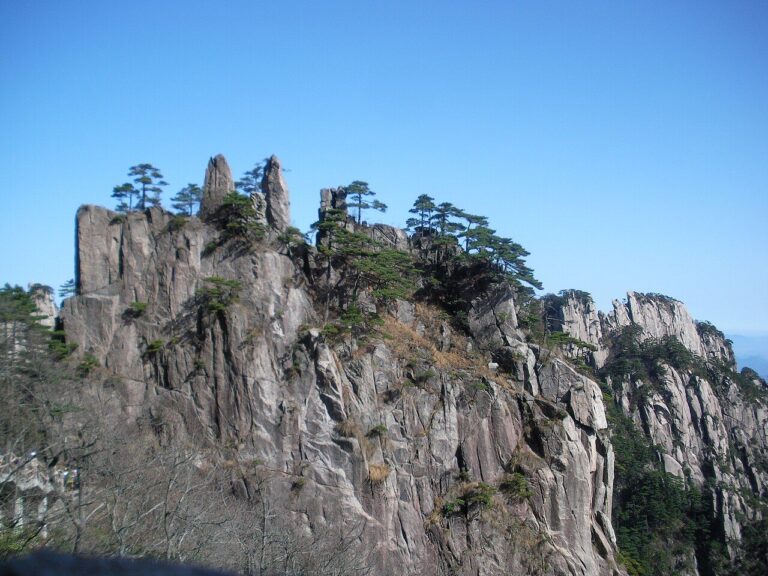
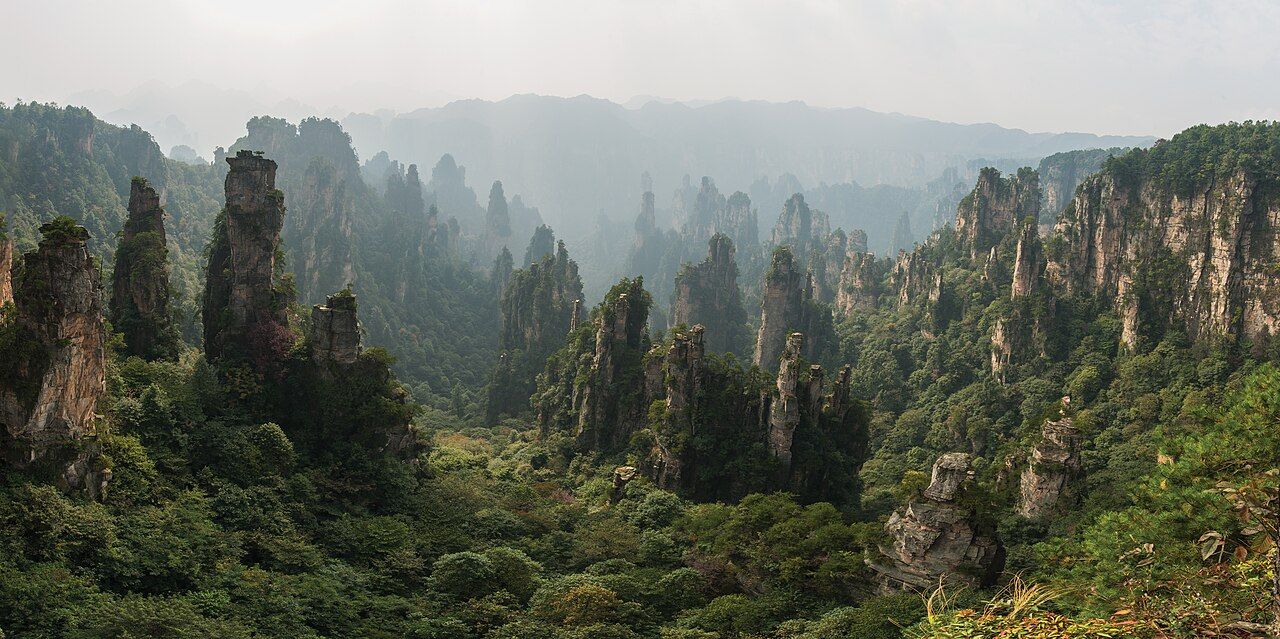
Tianzi Mountain (天子山) is the overlook that ties Zhangjiajie together. From its western crests you look out over a rolling ocean of quartz pillars — hundreds of them, fading into haze — and understand why the area is called a “stone forest in the sky.” I reached the Helong Pavilion at sunset and watched the light drop behind ranks of peaks; it was the single best viewpoint of my trip. Tianzi is one of the core zones of Wulingyuan and connects by cable car and road to the rest of the park, which makes it the natural place to take in the whole formation at once rather than one spire at a time.
At a Glance
| Feature | Detail |
|---|---|
| Location | Wulingyuan, Zhangjiajie, Hunan |
| Part of | Wulingyuan Scenic Area (UNESCO) |
| Access | Tianzi Mountain cable car; road from Yuanjiajie |
| Key view | Helong Pavilion, West Sea, Imperial Writing Brush |
| Elevation | Summit ridge ~1,200 m |
| Best season | Apr-May, Sep-Nov |
The Story Behind the Name
Tianzi means “Son of Heaven,” a title claimed by Xiang Dakun, a local Tujia leader who led a uprising in the Ming era and was honored as a heavenly prince by his people. The mountain carries that legend across viewpoints named for imperial imagery — the Imperial Writing Brush Peak, the General Who Subdues the Nation. Whether or not the history sticks, the naming gives the panorama a narrative spine that the abstract pillar fields elsewhere lack. For the broader park context, see our Zhangjiajie National Forest Park guide; for another dramatic landform, the Zhangye Danxia guide is a useful comparison across regions.
Viewpoints Worth the Walk
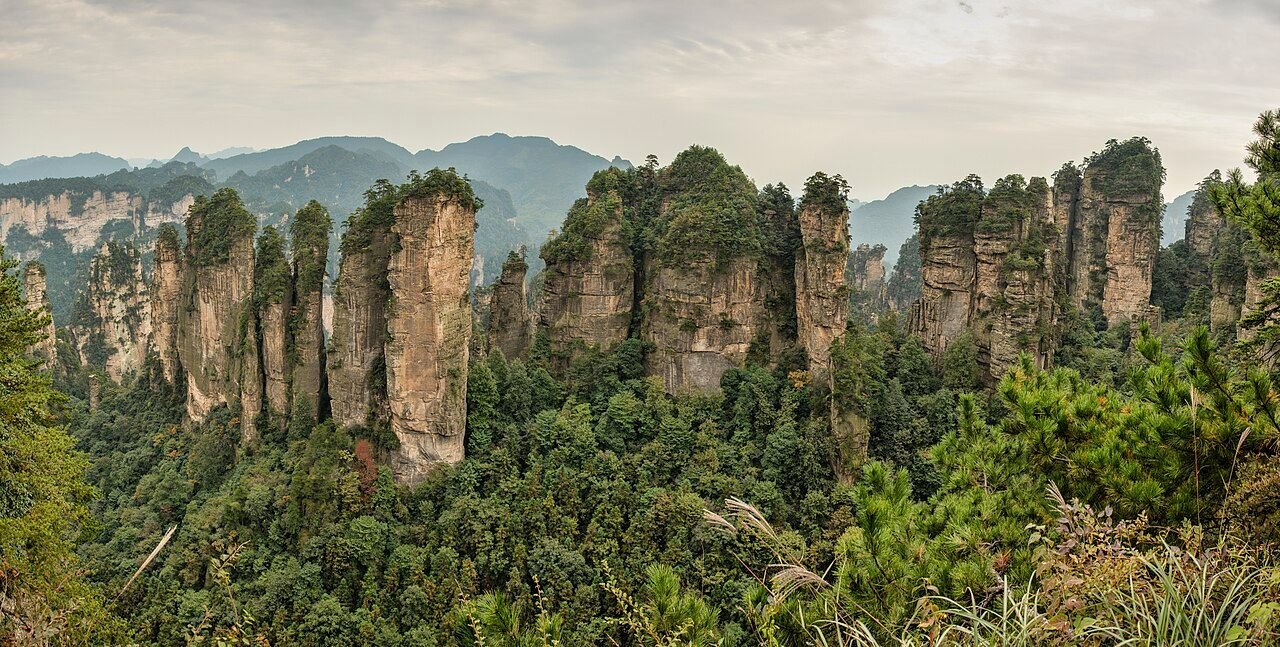
Helong Pavilion is the headline platform, with a wide sweep over the West Sea of peaks. The “Ten-Mile Gallery” is a valley of oddly shaped rocks reached by a small train or on foot, with formations named for what they resemble — old persons, frogs, and more. Imperial Writing Brush Peak and the fairy maiden scattering flowers are the named formations most photographers seek. Because Tianzi sits higher than Yuanjiajie, its views read as a broader panorama rather than single spires, which is exactly why it is the place to come for the “sea of peaks” shot.
Getting There and Around
Most visitors arrive via the Tianzi Mountain cable car from the valley, or by road transfer from Yuanjiajie after the Bailong Elevator. Inside the zone, shuttle buses connect the main lots to the trailheads. The walking is moderate, with paved paths and railings at the cliffs. If you are staying in Wulingyuan, budget 30-45 minutes of transfers to reach the cable-car base; the shuttles run frequently but queue at peak. The zone is large enough that a half day is the minimum to enjoy it without rushing.
Best Time to Visit
Spring and autumn give the clearest, most colorful frames. After rain, the sea-of-clouds effect fills the valleys below the ridges — the signature Tianzi image. Summer is lush but humid and stormy; winter is cold and quiet with occasional snow on the peaks. Sunrise and sunset are both strong here because of the western aspect, and the light on the western peaks at dusk is the classic photograph.
Where to Stay
Base in Wulingyuan town and take the shuttle to the Tianzi cable car; staying inside the gates shortens the morning transfer and lets you reach the ridge at first light. There are a few lodges near the upper station for sunrise chasers, but they book out in season. The town has the best dining and the widest range of prices.
Practical Tips
- Timing: Late afternoon light on the west-facing peaks is superb; arrive by 4 p.m.
- Combine zones: Pair Tianzi with Yuanjiajie in one day via the connected routes.
- Weather: Peaks appear and disappear in mist; allow a buffer day if photography matters.
- Gear: Comfortable shoes and a windproof layer for the exposed ridges.
A One-Day Plan With the Park
Morning at Yuanjiajie (Avatar pillar), take the connection to Tianzi Mountain, ride the cable car up, walk the Helong Pavilion and Ten-Mile Gallery loop, and descend by late afternoon. That covers the two best panoramas in Wulingyuan in a single efficient day, with the Bailong Elevator and the cable car doing the heavy climbing for you.
Photography and Light
Tianzi’s western aspect makes it the park’s best sunset viewpoint, and the Helong Pavilion platform is where most photographers set up in the last two hours of light. The “sea of peaks” reads best when there is some cloud or haze to separate the layers; on a perfectly clear day the distance flattens and the depth is less obvious. Mornings after rain are the other prime window, when mist fills the valleys below the ridge. A mid-range zoom lens handles both the wide panorama and the named rocks; a tripod helps in low light but the decks get crowded, so arrive early to claim a spot. Because Tianzi sits higher than Yuanjiajie, its compositions show the pillars en masse rather than singly, which is the signature shot most visitors come for.
Connecting the Zones Efficiently
The most efficient route is to enter via Yuanjiajie, ride the Bailong Elevator up, see the Avatar pillar, then transfer by the internal road to Tianzi and take the cable car to the Helong Pavilion ridge — this avoids backtracking and the worst of the Bailong queue. From Tianzi you can descend by cable car to the valley and shuttle back to the Wulingyuan gate. If you stay near the upper station, you can reach the ridge at first light for the clearest air and the fewest people. Give Tianzi at least half a day; rushing it on a one-zone sprint means missing the Ten-Mile Gallery, which is best on foot. The shuttle system is free with your ticket but queues at peak, so ride the first buses.
Frequently Asked Questions
Can I watch sunrise from Tianzi Mountain?
Yes, though it is better known for sunset because of its western aspect. The sunrise option exists from the upper-station area, but many visitors prefer to base at Yuanjiajie or the lower hotels and catch first light there, then move to Tianzi for the evening panorama.
Is Tianzi Mountain separate from the main park?
No. It is one of the core zones inside the Wulingyuan ticket, connected by shuttle, cable car, and road to Yuanjiajie and the rest of the forest park.
What is the best viewpoint?
Helong Pavilion offers the widest sea-of-peaks panorama; the Ten-Mile Gallery adds the whimsical named rocks along a gentle valley walk.
Can I see it in a day with Yuanjiajie?
Yes. They are directly connected and are the usual two-zone day for first-time visitors using the park’s internal transport.
When is the sea of clouds most likely?
Mornings and evenings after rain, especially in spring and autumn, when humidity sits in the valleys below the ridges.
Costs and Combining With the Park
Tianzi Mountain sits inside the same Wulingyuan ticket as the rest of Zhangjiajie, so there is no separate entry — you pay only for the cable car if you ride it, and the shuttle is included. Budget a half to a full day for Tianzi alone, or pair it with Yuanjiajie in a single efficient day using the park’s connected transports. The Ten-Mile Gallery has a small sightseeing train that costs extra but saves the walk if you are short on time. Because Tianzi is higher and more exposed than the valley, the summit can be windy and cool even in summer, so a light layer helps. Photographers should plan around the western sunset light, which is the mountain’s signature.
Frequently Asked Questions
Do I need a separate ticket for Tianzi Mountain?
No. It is one zone within the Wulingyuan ticket that also covers Yuanjiajie, the Golden Whip Stream, and the rest. You only pay separately for the cable car and any sightseeing train inside the zone.
The Legend and the Light
Tianzi’s name carries the story that gives the panorama its narrative: Xiang Dakun, a local Tujia leader who resisted the Ming and was honored as a “Son of Heaven” by his people. The viewpoints lean into that — the Imperial Writing Brush Peak, the General Who Subdues the Nation — and knowing the names turns a wall of rock into a cast of characters. For light, the western aspect makes late afternoon the classic window; the Helong Pavilion fills with cameras an hour before sunset. Mornings after rain are the alternative, when mist separates the layers. Because Tianzi sits higher than Yuanjiajie, its views read as a broad sea of peaks rather than single spires, which is exactly the signature shot most visitors come for, so give it the time the light deserves.
Frequently Asked Questions
Can I see Tianzi and Yuanjiajie without backtracking?
Yes. Enter at Yuanjiajie, ride the Bailong Elevator up, then transfer by the internal road to Tianzi and take the cable car down — a single loop that avoids retracing your steps and the worst elevator queue.
Disclaimer
Cable-car and shuttle operations, ticket prices, and opening hours change by season and were approximate at the time of writing. Confirm with the official scenic-area office before travel.
About the author: Karl Huang is a travel writer for the XinjiangAttractions Editorial Team, covering China’s mountain landscapes. This article covers mainland China only.
Photo Credits
All photographs in this article are sourced from Wikimedia Commons and are used under free licenses (CC BY, CC BY-SA, or Public Domain). Image authors and licenses:
- 1 tianzishan wulingyuan zhangjiajie 2012.jpg — Wikimedia Commons contributor / CC BY-SA 3.0.
- 1 zhangjiajie huangshizhai wulingyuan panorama 2012.jpg — chensiyuan / CC BY-SA 4.0.