By Karl Huang · XinjiangAttractions Editorial Team · November 2026
Badaling (八达岭) is the Great Wall most foreign visitors picture first, and for good reason: it was the first section opened to tourism, it is superbly restored, and it is the easiest to reach from Beijing. I took the high-speed train from the city and was walking the ramparts within an hour of leaving — a convenience no other section matches. The trade-off is fame: on a weekend or holiday the towers fill with people. But stand on the east rise early, before the first tour buses arrive, and you understand why this pass has guarded the capital’s throat for six centuries. The stone here is the most polished, the signage the clearest, and the facilities the most complete of any wall section open to the public.
At a Glance
| Feature | Detail |
|---|---|
| Location | Yanqing District, ~60 km NW of Beijing |
| Train | Beijing North / Qinghe to Badaling Changcheng, ~30-40 min |
| Ticket | Peak ~¥40; off-season lower |
| Cable car | Available on both east and west sides |
| Best season | Apr-Jun, Sep-Oct; weekdays over weekends |
| Crowds | Heavy on holidays; go early |
Why Badaling Is the Icon
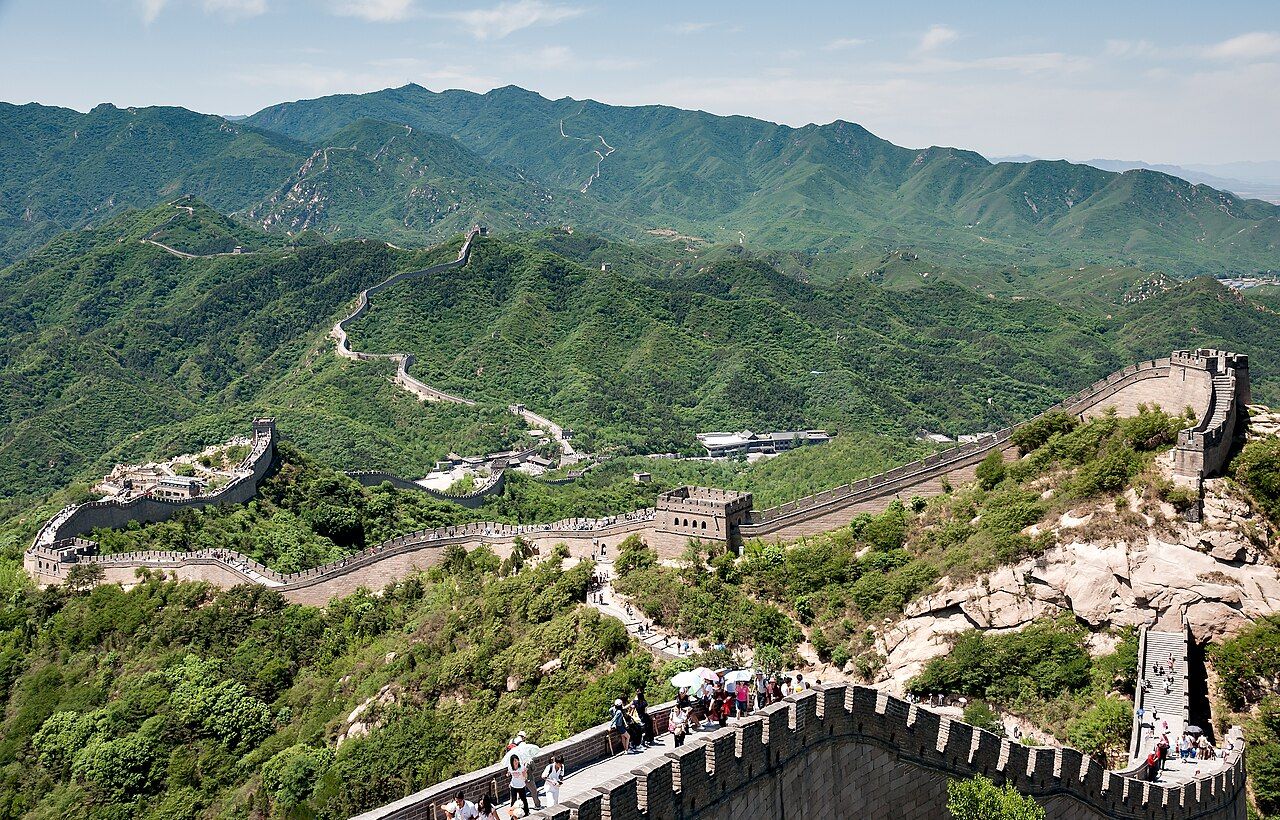
Badaling was the first section restored for visitors (opened in 1957) and has hosted countless heads of state, which is partly why its stone is so polished and its facilities so complete. The wall here follows a dramatic north-south ridge, and the steps are steep but well built. For a first-time visitor who wants the postcard experience with minimal logistics, nothing beats stepping off a train and onto the wall. Our Beijing travel guide explains how to pair it with the Forbidden City across a couple of days, and the two together make the classic imperial Beijing story.
The History of the Pass
Badaling sits at one of the lowest, most passable breaks in the Yan Mountain barrier north of Beijing, which is exactly why it was fortified first and most heavily. The Ming dynasty rebuilt the pass as the front door of the capital’s defense, and the name roughly means “the long ramp you can reach from every direction.” The beacon-tower system here could relay alarms across the ridges in hours. Visiting today, you are walking a section that was both a military gateway and, later, a symbol — the stretch most often shown to foreign guests and most reproduced in photographs.
Getting There by High-Speed Train
The simplest route is the EMU from Beijing North Railway Station (or Qinghe) to Badaling Changcheng station; the ride is about 30-40 minutes and trains run frequently. From the station, a short shuttle bus or walk reaches the entrance. Driving takes roughly 1.5 hours via the Jingzang Expressway but is vulnerable to weekend congestion. Buy train tickets in advance on the official app, especially in peak season, because the convenient short rides sell out. The station is modern and well signed, so the transfer to the wall is stress-free even for first-time visitors.
East vs West
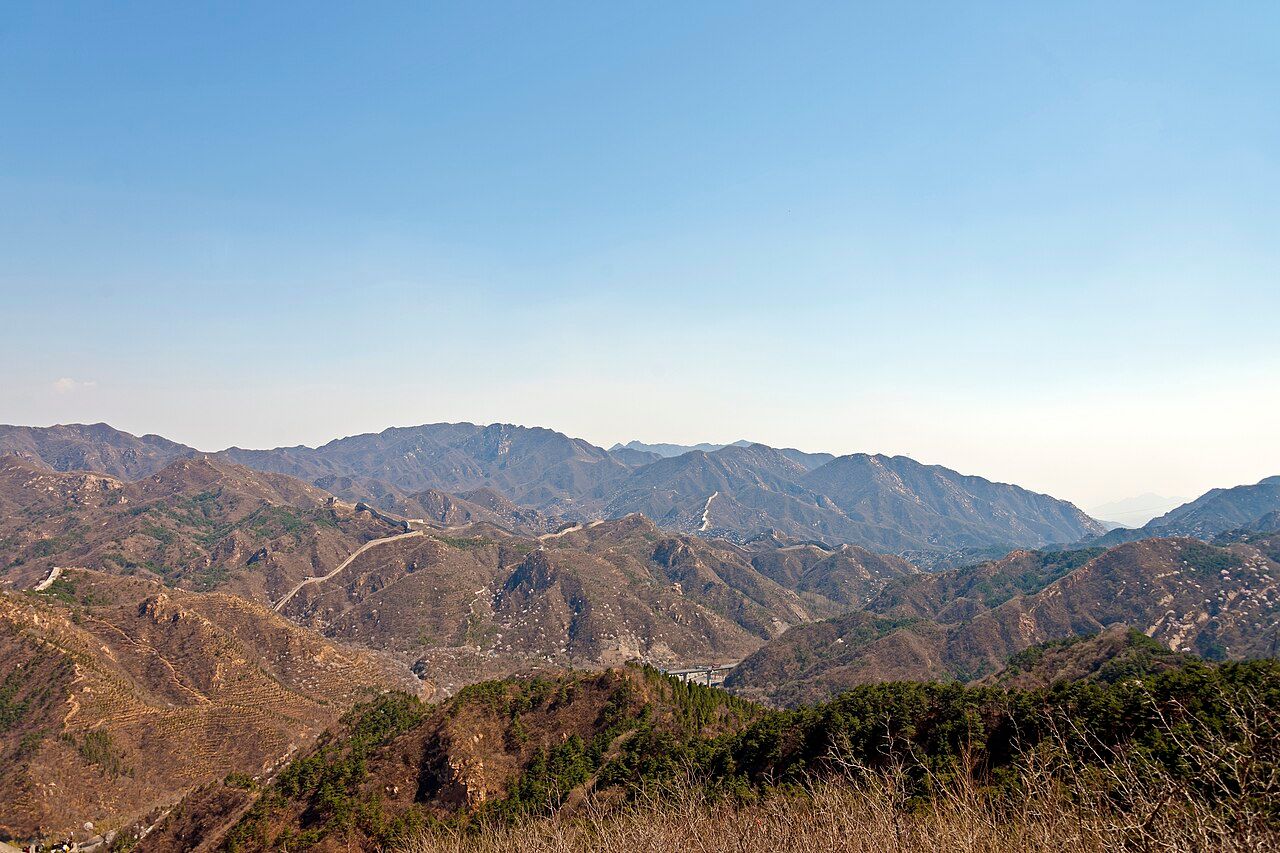
Most visitors climb the east side, which is steeper and more photogenic, with the famous beacon tower at the high point and the best views back toward Beijing. The west side is longer and quieter and rewards you with fewer people and wider valley views. If you have the stamina, do both; if you have limited time, the east rise plus a cable car descent is the classic loop. The west also connects to a ridge walk that, on a clear day, shows the wall snaking over distant hills in a way the east’s closer framing does not.
Facilities and Access
Badaling’s maturity shows in its amenities: paved approaches, cable cars on both sides, museums at the base, and accessible routes for visitors with limited mobility on parts of the east section. There is a Great Wall museum and a section of the wall built to be step-free. Food, restrooms, and souvenir stalls are plentiful but pricier than in town. Arrive early not just for photos but to use the facilities before queues build.
Best Time to Visit
Spring and autumn are best. Aim to arrive at opening (around 7:30 a.m. in summer) to get an hour of relative calm. Weekdays beat weekends, and any day outside the first week of October and the Spring Festival period is manageable. Winter is crisp and nearly empty, with snow on the ramparts — beautiful but icy underfoot, so wear cleats or grippy shoes.
Where to Stay
Badaling is an easy day trip from Beijing, and most visitors return to the city the same day. A few hotels near the scenic area and in Yanqing town allow an early start or a winter snow-wall visit. Staying out also lets you pair the wall with the Ming Tombs or the Yanqing countryside without backtracking to Beijing.
Practical Tips
- Book trains early: Peak-season EMU seats sell out, especially morning departures.
- Arrive early: The first two hours are the calmest and best lit.
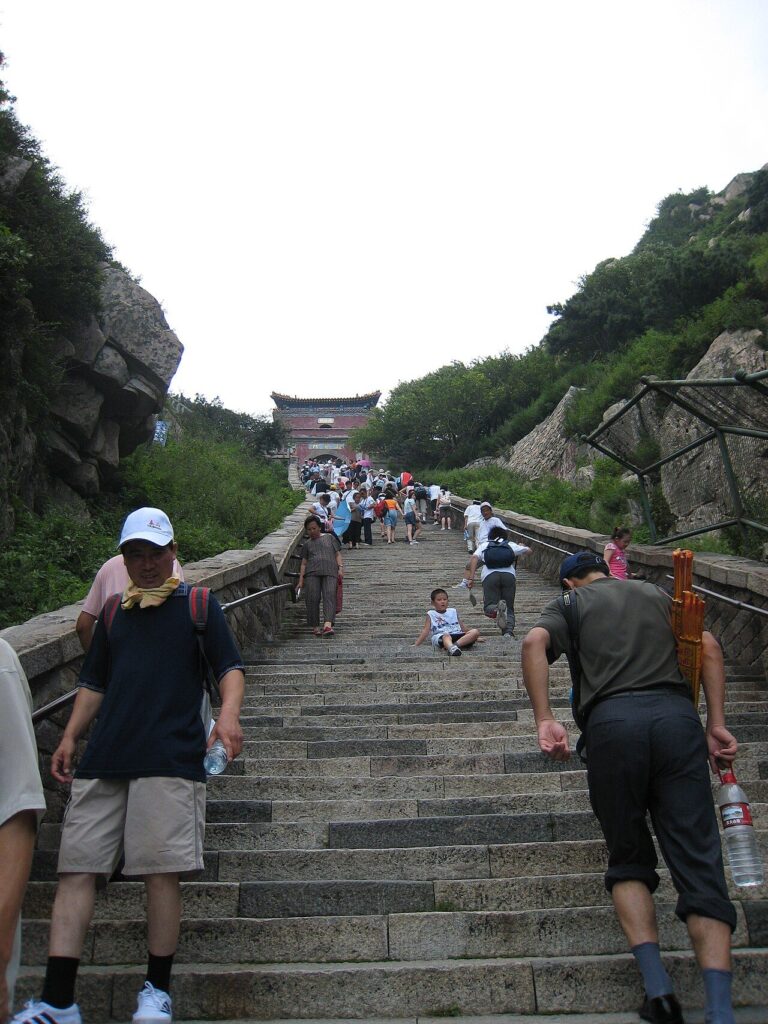
- Wear grippy shoes: The steps are steep, especially east.
- Hydrate: There is little shade on the exposed ridge in summer.
A Suggested Itinerary
Take a morning train, reach the wall by 9 a.m., climb the east side to the high beacon and back (about 2 hours), ride the cable car down, and return to Beijing for lunch. That leaves the afternoon free for a city sight or rest. If you want nature after the wall, the nearby Ming Tombs make a logical add-on, and the two together fill a relaxed day.
Photography, Crowds, and the Best Hours
Badaling’s east ridge faces south, so the wall is lit evenly through the day, with the most flattering light in the early morning before the tour buses and in the late afternoon as the sun drops behind the hills. Sunrise in winter, when snow caps the ramparts, is the classic shot but requires arriving well before opening. The beacon tower at the top of the east climb is the busiest photo spot; walk just two or three towers past it and the crowd thins dramatically. Because Badaling is the most visited section, timing is everything: a weekday in the shoulder seasons beats a weekend any day, and the first hour after opening is the only reliably calm window. Drones are prohibited, so bring a zoom or a phone with a good wide lens.
Combining Badaling With Nearby Sights
Most visitors treat Badaling as a half-day trip, but the area rewards a fuller day. The Ming Tombs (Changling and Dingling) lie on the road back toward Beijing and make a natural pairing — where the wall defended the realm, the tombs housed its emperors. The Yanqing countryside also has the Badaling Great Wall National Forest Park and, in summer, a nearby ski resort that doubles as a green getaway. If you are driving, an early start lets you do the wall at opening, lunch in Yanqing, and the Ming Tombs before the return traffic builds. Train travelers can still add one tomb by taking a local bus from the Badaling area.
Frequently Asked Questions
Can I visit Badaling and the Ming Tombs on the same day?
Yes. They are on the same corridor northwest of Beijing. With an early train to the wall and a private car or organized transfer, a relaxed day covers both, though a tour that bundles them is the simplest logistics.
Is Badaling too crowded to enjoy?
At midday on a holiday, yes. But arriving at opening or visiting on a weekday outside peak season gives you a relaxed experience. The east high point clears out if you keep walking past the first cluster of towers.
Do I need a guide?
No. Signage and the train route are straightforward. A guide adds history but is not required for navigation.
Can I use the cable car both ways?
Yes. Both the east and west sides have cable cars, so you can ride up and down and minimize stair climbing.
How long should I plan?
Half a day including the train ride is enough for the east section. A full day allows both sides and a relaxed pace with the Ming Tombs.
Costs, Tickets, and What’s Included
A standard Badaling ticket covers entry to the wall and the shuttle from the parking area to the gate, but the cable cars on both the east and west sides are priced separately, as is the train if you ride the scenic “railway museum” style service. Prices shift by season — peak (spring-autumn) is a little higher than winter — and the combined “through ticket” that bundles the train from Beijing is sometimes sold by agents, though booking the components yourself is usually cheaper and more flexible. Budget for water and a meal, since on-mountain food is limited and marked up. If you arrive by public EMU, keep your train ticket; the station and the wall are linked by a short, clearly signed shuttle that is included with your entry.
Frequently Asked Questions
Is Badaling worth it if I have already seen Mutianyu?
If you want the iconic, easiest, most historic section and do not mind crowds, yes; if you prefer quieter scenery and a toboggan, Mutianyu is the better single choice. Many visitors see both on separate trips, since they offer different experiences of the same wall.
Disclaimer
Train schedules, ticket prices, and opening hours change by season and were approximate at the time of writing. Confirm with the official railway and scenic-area channels before travel.
About the author: Karl Huang is a travel writer for the XinjiangAttractions Editorial Team, covering accessible cultural landmarks across China. This article covers mainland China only.
Photo Credits
All photographs in this article are sourced from Wikimedia Commons and are used under free licenses (CC BY, CC BY-SA, or Public Domain). Image authors and licenses:
- View east from Great Wall of China at Badaling.jpg — Wikimedia Commons contributor / CC BY 2.0.
- Badaling China Great-Wall-of-China-01.jpg — Wikimedia Commons contributor / CC BY-SA 3.0.