By Karl Huang · XinjiangAttractions Editorial Team · November 2026
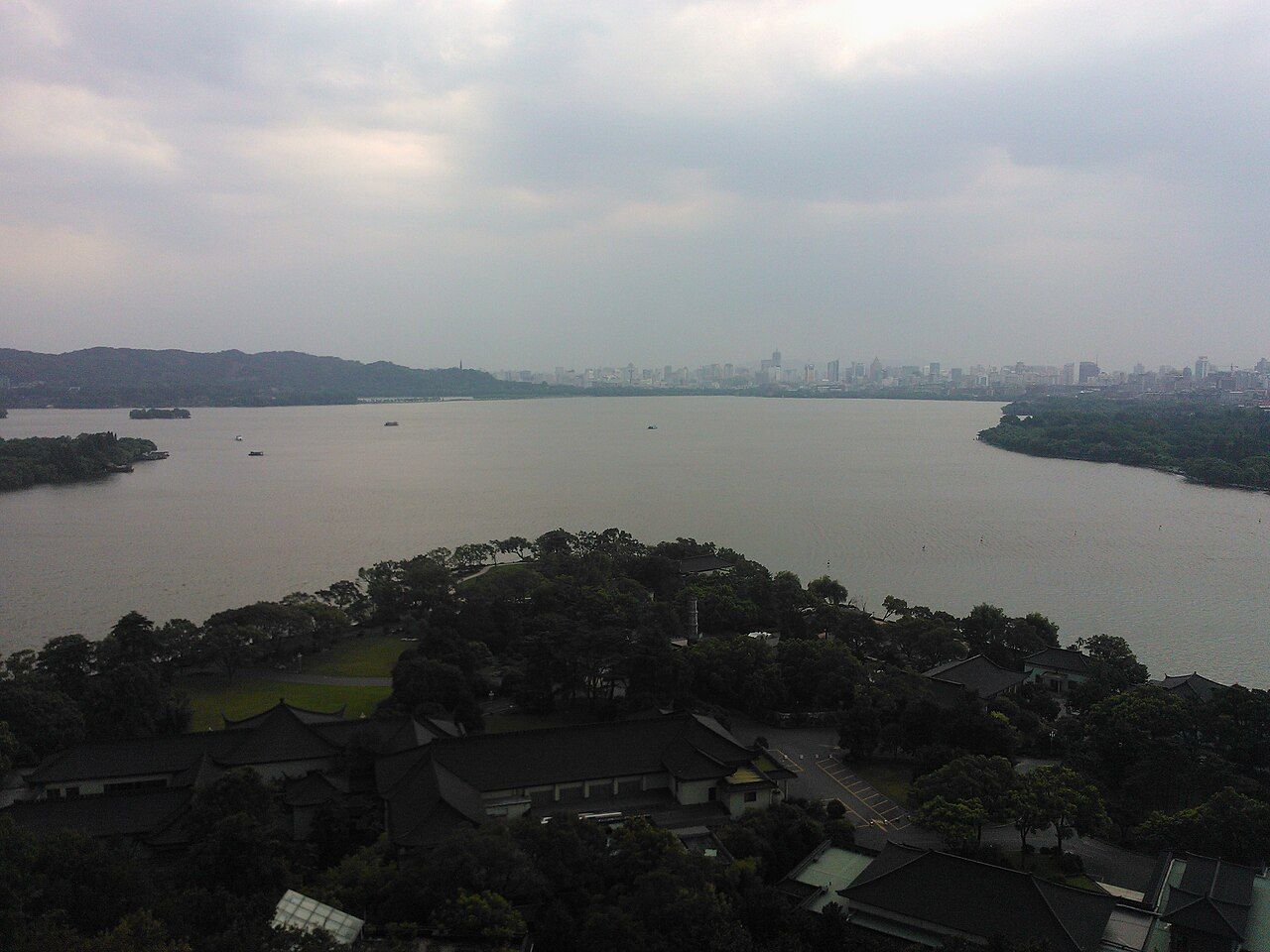
West Lake (西湖) is the Chinese garden ideal made geography. A calm freshwater lake framed by hills, threaded with causeways, and dotted with pavilions and pagodas, it has been the subject of poets and painters for a thousand years. I rented a bike and circled it one misty morning, and the rhythm of willow, water, and distant pagoda was exactly the softness I had been promised. Hangzhou’s lake is free to wander, which is rare for a UNESCO site of this fame, and that openness is part of its charm. You do not buy a ticket to enter a gate; you simply arrive, and the city has already given you the view.
At a Glance
| Feature | Detail |
|---|---|
| Location | Hangzhou, Zhejiang province |
| Status | UNESCO World Heritage (2011) |
| Lake access | Free; some sights ticketed |
| Highlights | Leifeng Pagoda, Su Causeway, Three Pools |
| Best season | Mar-May (spring), Sep-Nov (autumn) |
| Getting around | Walk, bike, boat, public shuttle |
Why West Lake Matters
The lake was shaped by centuries of human design — dredged, planted, and built upon until nature and art became indistinguishable. The “Ten Scenes of West Lake” (西湖十景) are named vignettes, each tied to a season, a time of day, or a weather mood: Dawn on Su Causeway, Leifeng Pagoda in Evening Glow, Three Pools Mirroring the Moon. The point is not any single sight but the composed experience, the way a bend in the shore or a band of mist becomes a finished picture. For a contrast with northern capitals, see our Beijing guide; for another eastern-China retreat, the Mount Putuo island guide pairs well as a coastal add-on a few hours south.
The Causeways and Pagodas
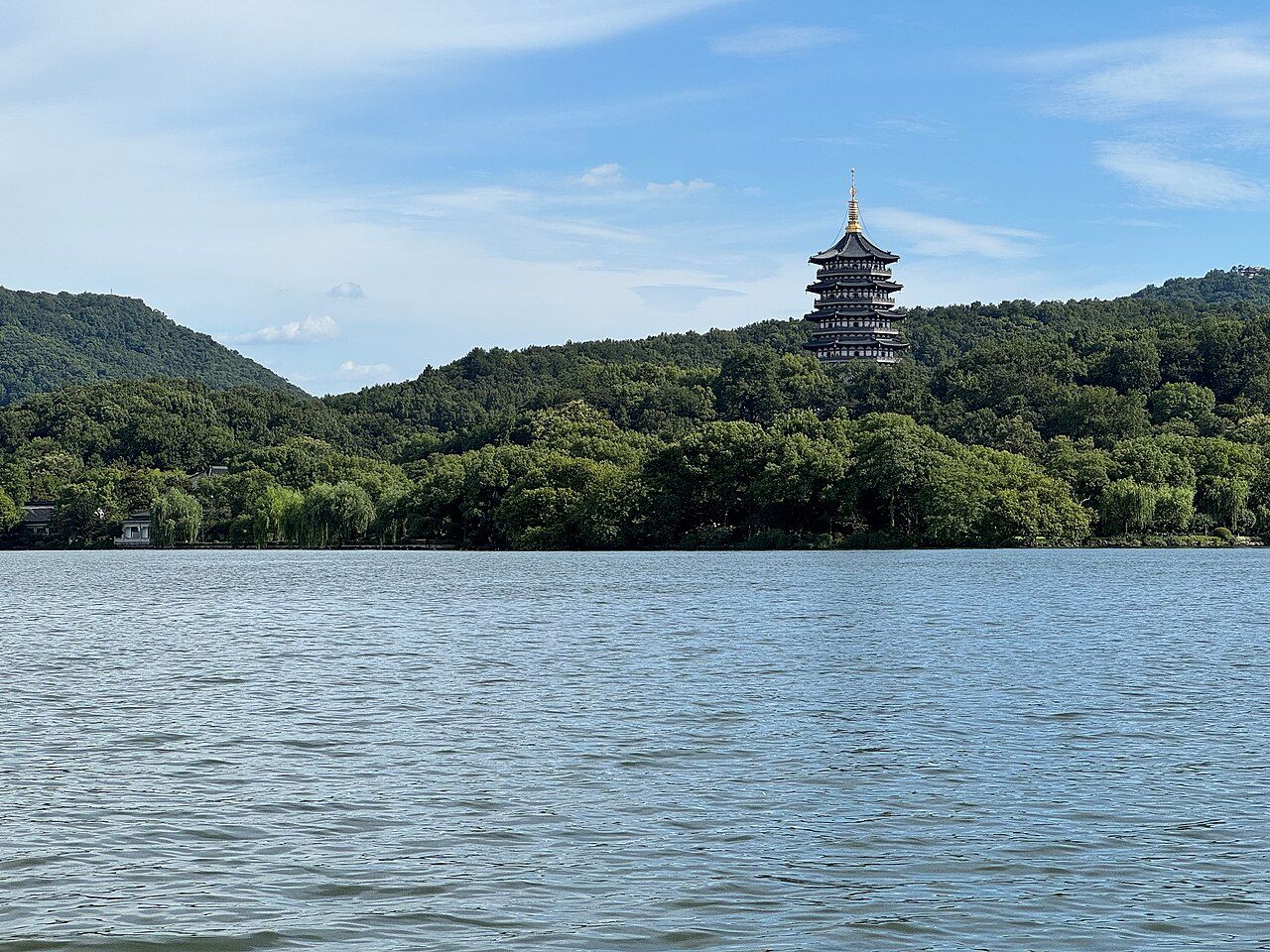
The Su and Bai Causeways cut green lines across the water and are perfect for walking or cycling. Leifeng Pagoda, rebuilt on its historic base, gives a panorama over the lake and is famous for the “evening glow” scene; the original 10th-century pagoda collapsed in 1924 and was reconstructed with an elevator inside. The Broken Bridge is less a bridge than a romantic symbol, crowded at sunset and central to the Legend of the White Snake. The small islands — especially the one at Three Pools Mirroring the Moon — are reached by boat and feel removed from the city, with stone lanterns that, lit at night, reflect triples in the water.
Boats and Bikes
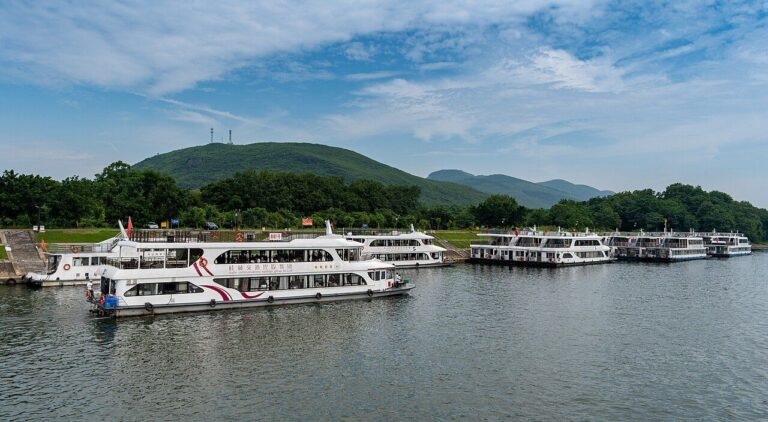
Electric tour boats run fixed loops with commentary; private rowed boats can be hired at the piers for a slower, quieter circuit. Around the shore, a flat 10-15 km bike loop is one of the best ways to catch the changing light, with rental stations dotted near the main gates. Pedal boats are fun near the eastern shore but only for calm weather. Either way, build in time to simply sit on a bench and watch the water — the lake rewards stillness more than ticking off sights.
Tea and Food
Hangzhou is the home of Longjing (Dragon Well) green tea, grown on the surrounding hills. A tea-plantation visit with a tasting is a natural half-day, and the terraced fields above the lake are beautiful in spring when the bushes flush new green. The city’s cuisine is refined and freshwater-focused: West Lake Vinegar Fish, Longjing shrimp, and beggar’s chicken are classics. Lakeside teahouses range from touristy to tranquil; wander a block off the water for better value and fewer crowds.
Best Time to Visit
Spring (March-May) brings peach and willow buds and the best light; autumn (September-November) is clear and cool. Summer is lush but hot and humid; winter is quiet with occasional snow that the painters loved. Weekdays and early mornings avoid the worst crowds, especially around the main piers and Leifeng Pagoda.
Where to Stay
Hangzhou has hotels from hostels to luxury lakefront resorts. Staying on or near the eastern and northern shore puts you within walking distance of the causeways; staying in the city center trades a short walk for better dining. The lake is compact enough that nowhere is far, and the metro reaches the edges if you tire of walking.
Practical Tips
- Free access: The lake itself is free; budget for specific sights and boats.
- Bikes: Rental stations are everywhere; the loop is flat and well marked.
- Timing: Arrive at opening for mist and calm water; late afternoon for warm light.
- Tea: Buy Longjing from reputable shops; cheap “lake tea” is often blended.
A One-Day Plan
Start at the northeastern shore, walk or bike the Su Causeway, climb Leifeng Pagoda for the overview, take a boat to the central island, and finish with tea in a hillside village. Sunset from the western hills is the classic closing image. If you have two days, devote one to a Longjing tea plantation and a slower pace along the less-visited southern shore.
The Ten Scenes and When to Catch Them
The Ten Scenes are the key to enjoying West Lake without rushing. Spring’s “Peach and Willow in Spring Dawn” is best along the Su Causeway in March-April; “Lotus in the Breeze at Quyuan” peaks in June-July when the lake’s lotus beds bloom; “Leifeng Pagoda in Evening Glow” wants late afternoon light; and “Three Pools Mirroring the Moon” is a night scene, when lanterns on the island reflect triples in the water during the mid-autumn festival. Knowing which scene suits which season prevents disappointment — there is no single best moment, only the right mood for the day you visit. The lake’s genius is that it rewards repeat, quiet visits more than a single grand tour.
Evening, Culture, and Access
Hangzhou leans into the lake after dark with the “Impression West Lake” outdoor show, a large-scale performance on the water that uses the landscape as its stage; it is touristy but spectacular if the weather holds. The lakeside is walkable and safe at night, with the pedestrian streets near the eastern shore lively with snacks and tea. Access is easy: the lake sits just south of the city center, reachable by bus, metro, or a short taxi, and the flat shore invites a stroll straight from dinner. If you want to extend the water theme, the Grand Canal and the Beijing-Hangzhou water towns are within day-trip range.
Frequently Asked Questions
Which West Lake sights cost money?
The lake and its public shores are free, but Leifeng Pagoda, the boat rides, and some island temples charge separately. Budget for a boat and one or two ticketed sights; the rest you can enjoy at no cost on foot or by bike.
Is West Lake free to visit?
The lake and its public shores are free. Individual attractions — Leifeng Pagoda, some islands, museums — charge separate tickets, and boat rides are priced separately.
How long should I spend?
A satisfying visit is half a day to a full day. Two days lets you add a tea plantation and a slower pace away from the main piers.
Can I cycle around the lake?
Yes. A flat, well-marked loop runs most of the shore, with bike rentals nearby and plenty of places to stop.
When is the best light for photos?
Early morning for mist and calm water; late afternoon for warm light on the western hills and pagoda. Avoid midday harsh sun if you can.
Costs, Boats, and Getting Around
The lake itself is free, so your spend is on the ticketed sights and boats. A public electric tour boat on the main loop is inexpensive and covers the headline views with commentary; a private rowed boat at the piers costs more but is quieter and lets you drift among the islands. Bike rental is cheap and the lakeshore loop is flat, making it the best value for a half day. Leifeng Pagoda and the boat to the central island are the two ticketed items most visitors choose. Hangzhou’s metro reaches the lake’s edges, so you can pair a morning on the water with an afternoon in the city without a car. Tea from the surrounding hills is a worthwhile purchase, but buy from established shops to avoid blended “lake tea” passed off as Longjing.
Frequently Asked Questions
How do I avoid the crowds at West Lake?
Go early — before 9 a.m. — and walk or bike the Su Causeway rather than joining the bus tours at the eastern piers. Weekdays and the low season (deep winter, except holidays) are dramatically calmer, and the misty mornings are the most photogenic anyway.
A Slow Day Around the Lake
The mistake most first-timers make is rushing West Lake as a checklist. The lake rewards lingering: rent a bike and stop whenever a bend or a pavilion catches you, or simply claim a bench near the eastern shore and watch the light move across the water. The southern shore is quieter and less photographed than the famous northern and eastern edges, and the wooded hills above hold temples and tea terraces where you can escape the crowds entirely. If you want a guided frame, the “Impression West Lake” evening show uses the lake as its stage and is worth it in good weather. Pair a morning on the water with an afternoon in Hangzhou’s old town or a Longjing tea village, and the lake becomes a full, unhurried day rather than a quick photo stop.
Frequently Asked Questions
Can I visit West Lake in one day from Shanghai?
Yes, as a long day trip — Hangzhou is under an hour by high-speed rail from Shanghai. But an overnight lets you catch the early-morning mist and avoid the round-trip fatigue, which is why many visitors stay a night.
Disclaimer
Attraction tickets, boat fares, and opening hours change by season and were approximate at the time of writing. Confirm with the official scenic-area office before travel.
About the author: Karl Huang is a travel writer for the XinjiangAttractions Editorial Team, covering China’s landscapes and cities. This article covers mainland China only.
Photo Credits
All photographs in this article are sourced from Wikimedia Commons and are used under free licenses (CC BY, CC BY-SA, or Public Domain). Image authors and licenses:
- West Lake Leifeng Pagoda.jpg — Wikimedia Commons contributor / CC BY-SA 3.0.
- The West Lake.jpg — Wikimedia Commons contributor / CC BY 2.0.