By Karl Huang · XinjiangAttractions Editorial Team · November 2026
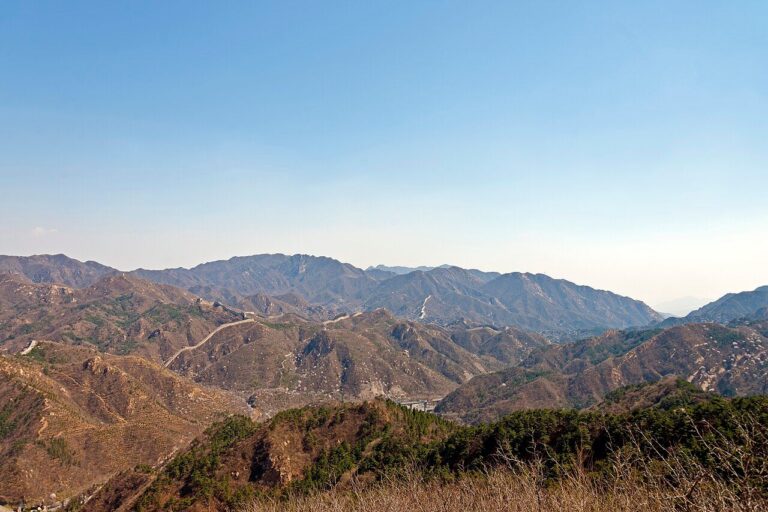
Mount Tai (泰山), or Tai Shan, is the most revered of China’s Five Sacred Mountains and the one emperors climbed to report to heaven. I started the ascent before dawn with headlamps and a crowd of pilgrims and tourists, and reaching the Jade Emperor Peak as the first light broke over the plain below was a moment that connected me to three thousand years of ritual. In Shandong’s Tai’an city, the mountain is both a physical climb and a cultural pilgrimage, and it was China’s first UNESCO site to be listed for both nature and culture. The path is a museum you walk through: steles, temples, and inscriptions left by emperors and poets line every stretch.
At a Glance
| Feature | Detail |
|---|---|
| Location | Tai’an, Shandong province |
| Status | UNESCO World Heritage (1987, natural + cultural) |
| Summit | Jade Emperor Peak, 1,532 m |
| Climb | ~7,000 steps via the main (east) route |
| Access | Cable car partway; shuttle to gate |
| Best season | Apr-May, Sep-Nov |
Why Mount Tai Is Sacred
From the Qin dynasty onward, emperors performed the fengshan rites on Tai Shan — sacrifices to heaven and earth that affirmed a ruler’s mandate. The path is lined with steles, temples, and inscriptions left by centuries of pilgrims, scholars, and sovereigns; the mountain is essentially an open-air museum of Chinese state ritual. Its cultural weight is why it was China’s first dual (natural and cultural) World Heritage listing. For imperial-capital context, our Beijing guide and Shenyang Imperial Palace guide extend the theme from the later capitals of the realm.
The Climb
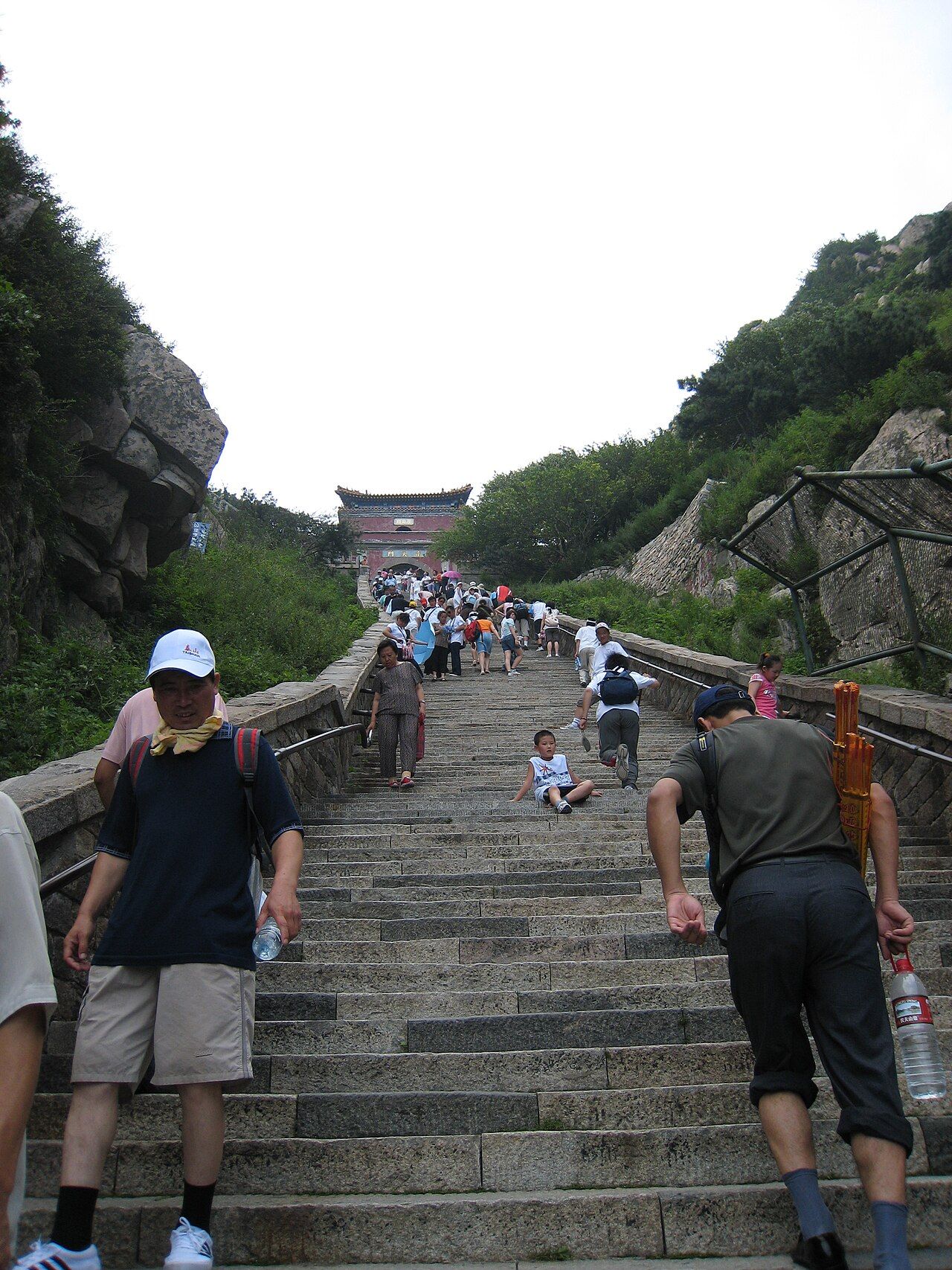
The classic route begins at the Red Gate (Hongmen) and ascends the stone staircase — about 7,000 steps — past the Midway Gate to Heaven, the Azure Cloud Temple, and finally the Jade Emperor Peak. It is a steady, well-built climb rather than a technical hike, and most reasonably fit people manage it in 4-6 hours up. A cable car from Zhongtianmen partway up shortens the effort considerably, and a shuttle bus reaches Zhongtianmen from the base for those who want to skip the lower stretch. The climb is as much about the monuments as the altitude: the Azure Cloud Temple at the top is a working shrine, and the inscriptions along the way are a scroll of Chinese history.
Sunrise and the Summit
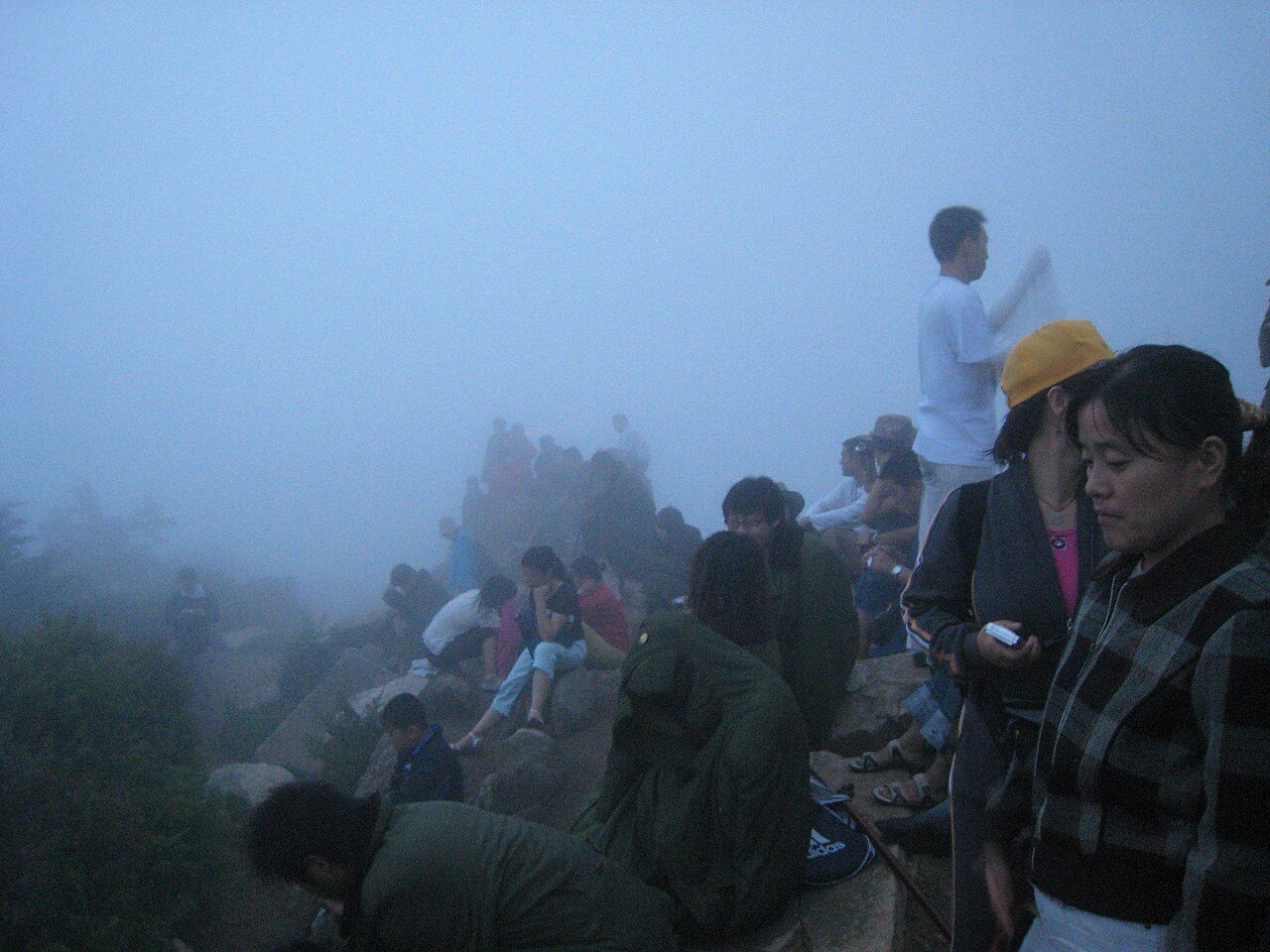
The reward is Riguan Peak (Sun-Watching Peak) at the top, where crowds gather before dawn for the first light over the North China Plain. Even on a cloudy morning the sense of standing above the world is real, and the plain spreading below — dotted with cities and fields — makes the climb’s effort worthwhile. The summit has temples, viewpoints, and basic lodging; staying up top lets you avoid the pre-dawn climb, though summit rooms book out fast in season and are spartan compared with city hotels.
Getting There
Tai’an is on the Beijing-Shanghai high-speed line, about two hours from Beijing and well connected to Jinan and beyond. From Tai’an station, buses and taxis reach the mountain gates. Most visitors do Tai Shan as a day or overnight trip from Jinan or Beijing, or as a stop on a Shandong circuit that includes Qufu (Confucius’ hometown) and the province’s other heritage sites. The train makes the mountain remarkably accessible for such a historically significant climb.
Best Time to Visit
Spring and autumn are clearest and most comfortable. Summer is green and warm but busy and humid; winter is cold and sometimes snowy, with dramatic bare-peak views but icy steps requiring care. Sunrise seekers should check the forecast, as cloud can obscure the horizon even when the climb is clear. The mountain’s weather is local and fast-changing, so flexibility helps.
Where to Stay
Tai’an has the full range of hotels at the base, and a few basic lodgings sit near the summit for sunrise chasers. Staying in Tai’an lets you start the climb at your preferred hour; staying on the mountain saves the pre-dawn walk but costs more and books early. Jinan, an hour away by train, is a comfortable alternative base with better dining.
Practical Tips
- Start time: For sunrise, begin the climb around 2-3 a.m. on foot, or stay summit-side and walk up in the dark with a headlamp.
- Footwear: The steps are endless; cushioned, grippy shoes are essential to protect your knees.
- Warm layer: The summit is much colder before dawn than the base; bring a jacket even in spring.
- Hydration: Vendors line the route, but prices rise with altitude; carry water and a snack.
A One-Day Plan
Take the shuttle to Zhongtianmen, cable car or walk to the upper temples, summit for views, then descend by cable car and shuttle. For sunrise, either start pre-dawn on foot from the Red Gate or overnight near the top. A relaxed version spreads the climb across a full day with temple stops and a long lunch at one of the mid-mountain rest houses.
The Cultural Route: Steles and Temples
What sets Tai Shan apart from China’s other sacred peaks is the cultural layer along the path. The climb is lined with stone steles, gateways, and temples accumulated over two millennia — the Azure Cloud Temple (Dai Miao area) at the base and the Azure Cloud Temple at the top are working shrines, and the Midway Gate to Heaven marks the symbolic transition from earth to the sacred summit. Emperors from Qin Shi Huang onward left inscriptions; the Kangxi and Qianlong steles are among the most famous. Walking the route is therefore as much a museum visit as a hike, and pausing at the side temples rewards those who want the history rather than just the view. The Dai Miao temple complex at the base is worth a separate hour before or after the climb.
Food in Tai’an and a Night-Climb Note
Tai’an’s food is Shandong-style: generous, savory, and built on wheat and soy — braised dishes, handmade noodles, and the province’s renowned steamed bread. A filling meal before a night climb is sensible, since the route has vendors but little hot food in the small hours. The night climb itself is a social event, with headlamp-lit streams of people and stalls selling tea and instant noodles at the rest houses; the atmosphere is part of the appeal. If you prefer sleep, an early-morning start still reaches the top for a daytime view. Either way, the descent is easier on the knees if you take the cable car for at least part of it.
Frequently Asked Questions
Is the night climb safe?
Yes, it is well established and heavily used, with lit sections and constant company, so solo travelers are rarely alone. The main risks are fatigue and slippery steps when wet, so wear grippy shoes, carry a headlamp, and pace yourself with the rest houses along the way.
Do I have to climb all the steps?
No. The cable car from Zhongtianmen covers the steep upper section, and a shuttle reaches Zhongtianmen from the base, so the summit is reachable with only moderate stair climbing.
How long does the climb take?
About 4-6 hours on foot from the Red Gate to the summit for most people; faster with the cable car and shuttle for the lower and upper sections.
Is sunrise worth the early start?
For most visitors, yes — it is the signature Tai Shan moment. Check the forecast, as cloud can hide the horizon even on a clear climb.
Is it suitable for older travelers?
With the cable car and shuttle, the summit is reachable by anyone who can manage moderate steps. The full stair climb is demanding and best avoided by those with knee or heart issues.
Costs, Tickets, and the Climb Options
Tai Shan’s entry covers the walled route from the Red Gate, while the shuttle to Zhongtianmen and the cable car from there are priced separately; buying the cable-car combo is the easy way up for those who do not want the full 7,000 steps. Prices are modest by world-heritage standards and a little lower in winter. The summit lodging is the exception — it is pricey and basic, so many visitors climb at night and descend the same day to avoid it. Food and water line the route but get more expensive with altitude, so carry a bottle and a snack. The Dai Miao temple complex at the base is a separate, worthwhile ticket if you want the full cultural story before or after the climb.
Frequently Asked Questions
Do I need a guide for Mount Tai?
No. The route is well signed and paved, and the shuttle and cable car are self-service. A guide adds cultural context at the steles and temples, but navigation is straightforward for independent travelers.
Disclaimer
Cable-car and shuttle operations, ticket prices, and opening hours change by season and were approximate at the time of writing. Confirm with the official scenic-area office before travel.
About the author: Karl Huang is a travel writer for the XinjiangAttractions Editorial Team, covering China’s sacred mountains and cultural heritage. This article covers mainland China only.
Photo Credits
All photographs in this article are sourced from Wikimedia Commons and are used under free licenses (CC BY, CC BY-SA, or Public Domain). Image authors and licenses:
- Taishan (1558).JPG — Jiang / Public domain.
- Taishan (1594).JPG — Jiang / Public domain.