Published: August 15, 2026 | Author: Karl Huang
Most people who plan a Xinjiang trip ask one of two questions first: “When is it warm?” or “When does it snow?” The second question matters more than you think if you care about what you will actually see on the ground. Xinjiang snow season does not arrive everywhere at once. The Altai mountains can be buried under white by late October while Kashgar still feels like late autumn. We learned this the hard way on our first winter trip when we showed up in Hemu expecting deep powder and found only a dusting because we were two weeks early.
This guide breaks down roughly when each part of Xinjiang turns white, how long the snow stays, and why that should shape your itinerary. The data below comes from our own trips between 2022 and 2025 plus local contacts who work in tourism and transport across the region.
Xinjiang Snow Season at a Glance
| Region | First real snow (approx.) | Snow sticks reliably | Peak depth months | Melt-out (approx.) |
|---|---|---|---|---|
| Altai (Kanas / Hemu / Burqin) | Late Oct – early Nov | Mid-Nov | Dec – Feb | Mid-Mar to early Apr |
| Ili Valley (Nalati / Bayanbulak) | Early–mid Nov | Late Nov | Jan – Feb | Late Mar – mid-Apr |
| Tianshan around Urumqi | Mid-Nov | Early Dec | Dec – Jan | Mid-Mar |
| Nanshan / Tianchi | Early Nov | Late Nov | Dec – Jan | Mid-Mar |
| Sayram Lake area | Mid-Oct (high slopes) | Early Nov | Nov – Feb | Apr (lake ice persists) |
| Kashgar & southern oases | Rare; maybe Jan once or twice | Not reliable | N/A | Melts within hours |
| Turpan Basin | Almost never | No | N/A | N/A |
The table above is a rough calendar built from local weather station summaries and what we saw ourselves. It is not a guarantee. Some years the Altai gets hammered with meter-deep drifts by November 1; other years the first big dump waits until December. Treat this as a planning tool, not a booking contract.
Why the Snow Arrives So Unevenly
Xinjiang covers about one-sixth of China’s land area. The northern border with Mongolia and Siberia pulls cold air south every winter, which is why the Altai and the far north turn white first. The Tianshan range runs east-west through the middle of the region and catches moisture from both directions, so the slopes around Urumqi and the Ili valley get their own reliable snowpack even though they sit farther south than Kanas.
The Tarim Basin in the south is another story entirely. It sits lower, drier, and ringed by high mountains that block most precipitation. Kashgar might see a few flakes in January that vanish before lunch. Turpan, sitting below sea level in a rain shadow, almost never records measurable snow. If your goal is guaranteed white scenery, do not book your main stay in those two places during winter.
Altai Region: The First to Turn White
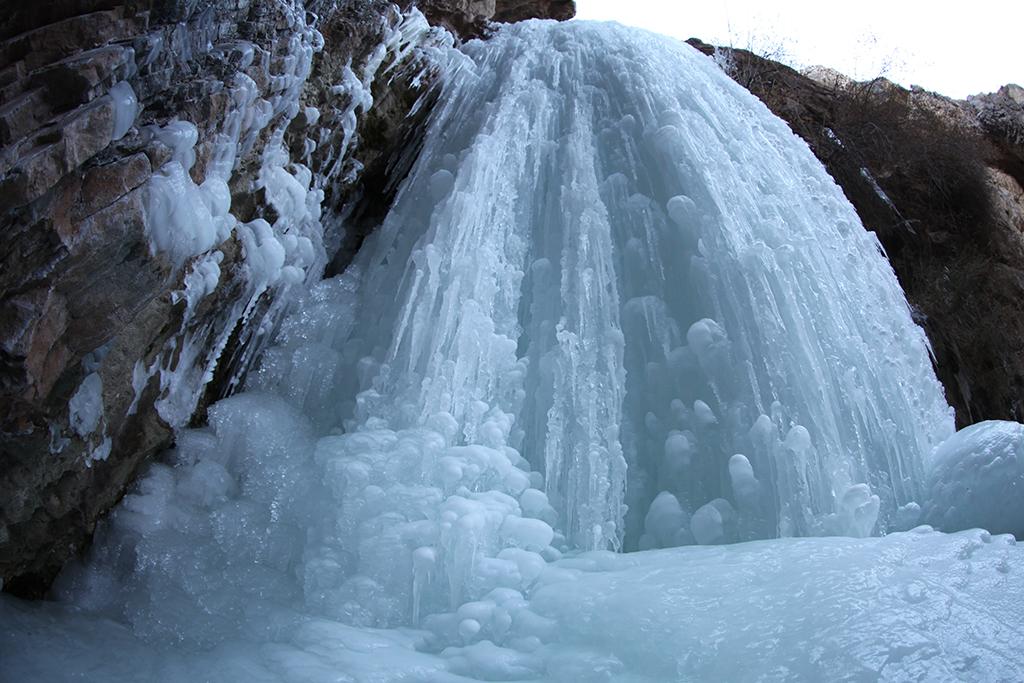
We drove into the Altai in mid-November 2023 and found the road from Burqin to Kanas already lined with snowbanks taller than the car mirrors. That was earlier than we expected. Locals told us the first snow had fallen in late October that year, and by the time we arrived the ground had not seen bare earth for three weeks.
Hemu Village, a favorite base for photographers, usually becomes reliably snowy by mid-November. The wooden houses look like something out of a storybook under half a meter of fresh cover, and the morning light on the birch forest after a clear night is the reason people keep going back. But access depends entirely on road conditions. A single heavy storm can close the Burqin-Kanas road for a day or two, so build buffer time into any Altai winter trip.
If you want the deepest, most consistent snow in Xinjiang, aim for the Altai between mid-December and early February. Daytime highs often sit below -10°C, which sounds brutal until you step outside and realize the air is dry and the sky is a color of blue you rarely see anywhere else.
Ili Valley and the Tianshan Slopes
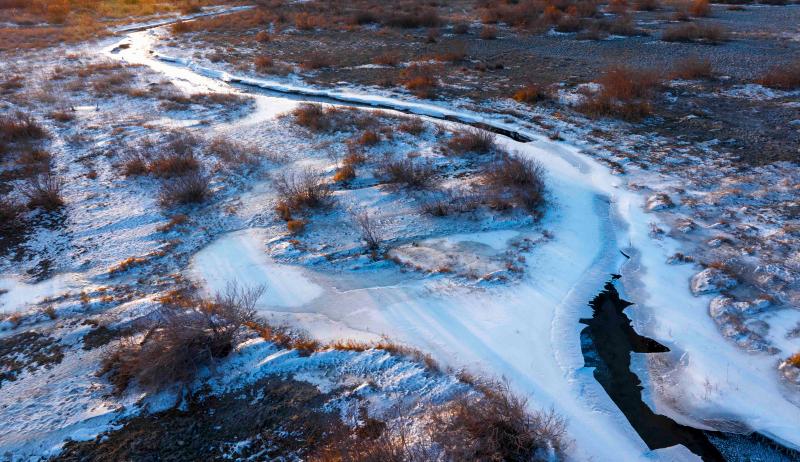
The Ili valley, home to Nalati grassland and Bayanbulak, sits west of the main Tianshan ridge and catches enough moisture to build a solid snowpack most winters. Our visit in early January 2024 gave us knee-deep powder on the Nalati ski hill and frozen rivers all the way down to the valley floor. The snow here tends to be lighter and fluffier than what you find in the Altai because the temperatures are slightly milder and the air holds more moisture.
Around Urumqi, the nearby Nanshan pastures and Heavenly Lake (Tianchi) typically hold snow from late November through March. These spots are easy day-trip options if you are based in the city and want to see snow without committing to a multi-day drive north. Heavenly Lake freezes over completely most years, and walking on the ice with the Bogda Peak wall behind you is worth the cold fingers.
One thing that surprises visitors: Urumqi itself does get snow, but the city clears roads fast and daytime highs in December often climb just above freezing, so sidewalks turn slushy rather than staying crisp white. For postcard snow, leave the city and head uphill.
Sayram Lake: Ice Season
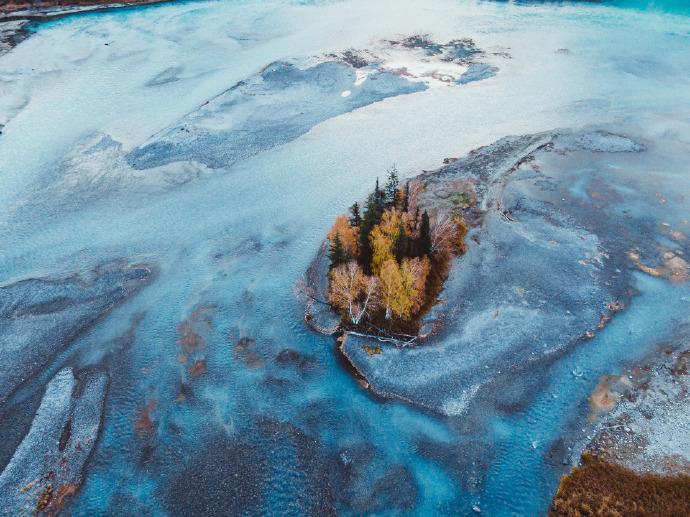
Sayram Lake sits at over 2,000 meters, which means it behaves like a high-altitude place even though it is not terribly far from the lowland cities. The surrounding peaks catch snow as early as October, and by November the lakeside camps feel properly wintry. What makes Sayram special in winter is the lake itself. Sometime in December the surface freezes into a sheet of blue-white ice that can persist into April. People walk on it, take photos on it, and occasionally drive onto it (which we do not recommend).
We visited in late January 2025 and found the shoreline a mix of bare rock, wind-scoured ice, and patches of snow pushed into drifts by the relentless wind. It was cold, probably the coldest place we stood still that entire trip, but the light reflecting off the ice made the camera worth the pain.
Southern Xinjiang: When Snow Is a Surprise
If you tell a Kashgar local you came for the snow, they will probably laugh. Not because it never happens, but because it happens so rarely that nobody plans around it. The city recorded a brief accumulation in January 2023 that melted within six hours. Older residents remember a heavier fall sometime in the 1990s. That is the scale you are working with: possible but not predictable.
Turpan is even less likely. The basin sits so low and dry that snowflakes often sublimate before they reach the ground. You are far more likely to see frost on the grape trellises in early morning than actual snow on the streets. If winter scenery is your priority, spend your time in the north or the mountains and treat Turpan as a shoulder-season or summer destination instead.
How Snow Affects Travel Around Xinjiang
Snow changes how you move. Flights into Urumqi and Altay sometimes face delays during storms, but cancellations are rarer than you might expect because the airports have de-icing equipment and experience. Buses on long-haul routes like Urumqi-Kanas can be delayed by hours if a pass closes, and some rural minibuses simply stop running until the road reopens.
If you are self-driving, read up on winter driving rules in Xinjiang before you rent a car. Winter tires are not always mandatory by law, but they are mandatory by common sense once you leave the highway. Chains are useful in the Altai and on any route crossing a Tianshan pass. Keep a shovel, a blanket, and snacks in the trunk; we once sat parked behind a snowplow for ninety minutes on the road to Hemu and were glad we had warm tea in a thermos.
High mountain passes like Duku and parts of the southern routes close for winter. Check seasonal pass closure dates before you commit to a route that crosses high terrain. The closures are not always published weeks in advance; sometimes a gate goes up the morning after a storm.
What to Pack for a Snow Trip
Layers matter more than one thick jacket. We wear a merino base, a fleece mid-layer, and a down parka on top, with waterproof boots that have grip. A hat and gloves are non-negotiable below -10°C. Sunglasses help because the reflected glare off snow can hurt your eyes even on cloudy days. If you plan to walk on frozen lakes or icy paths, bring traction cleats that strap onto your boot soles; they cost almost nothing and prevent the kind of fall that ends a trip early.
A Sample Six-Day Snow Route
- Day 1: Fly into Urumqi. Rent a 4WD with winter tires. Drive to Fukang and overnight near Heavenly Lake.
- Day 2: Morning at the frozen lake, then drive north toward Altay via the Karamay route (flatter and less prone to sudden closures). Overnight in Fuyun or Beitun.
- Day 3: Continue to Hemu. Settle into a heated wooden guesthouse. Walk the village trails in afternoon light.
- Day 4: Full day in the Kanas scenic area. The Three Bays look starkly different under snow compared to summer photos you have seen online.
- Day 5: Drive back toward Urumqi, stopping in Burqin for hot fish soup. Overnight in Kuitun or Changji.
- Day 6: Return car in Urumqi. Visit the Grand Bazaar for dried fruit and nuts to take home. Fly out.
This route keeps you in the snowiest part of the region for four nights while avoiding the highest passes that may be closed. Adjust the start point depending on whether you fly into Urumqi or Altay directly.
Frequently Asked Questions
Does Xinjiang get snow every year? Yes, in the north and the mountains. The Altai, Ili, and Tianshan slopes accumulate snow every winter without fail. Southern oasis cities like Kashgar and Hotan may go several years between noticeable falls.
Can I ski outside the dedicated resorts? Technically yes in many open areas, but we strongly advise using proper ski areas for safety reasons. Avalanches are a real risk off-piste, and rescue services are limited in remote valleys. Check our Xinjiang skiing guide for resort details.
Is January too cold to enjoy? It depends on your tolerance. Daytime highs in the Altai in January average -12°C to -18°C. That is cold, but it is also dry cold, which many people find easier than damp cold at the same temperature. Dress well and limit time spent standing still outdoors.
Will roads be closed? Some will. Main highways between cities usually stay open, but secondary roads to scenic areas like Kanas, Hemu, and Bayanbulak can close temporarily after heavy snow. Always check conditions locally before setting out each morning.
Disclaimer
Snow dates and depths listed here are approximate and based on historical patterns and personal observation. Weather varies year to year. Verify current road conditions and forecasts through official sources before traveling. This article is for informational purposes only and does not constitute professional meteorological or travel advice.
About the Author
Karl Huang has traveled extensively across Xinjiang in all four seasons since 2022, including multiple winter road trips through the Altai, Ili, and Tianshan regions. He writes about practical travel logistics and seasonal timing to help independent visitors plan realistic itineraries.