Published: July 21, 2026 | Author: Liam Foster
Why you can trust this Hoboksar travel guide
A Hoboksar travel guide is a strange thing to write, because almost nobody who visits Xinjiang puts this county on the map. I understand the temptation to skip it. On my first long drive through the north in 2019 I followed the highway past the Karamay turnoff and never looked back, heading for the lakes everyone posts about online. I returned in July 2022 with a narrower purpose, and again in January 2024 in the middle of a hard winter, both times traveling with Bater, a Hoboksar-born Mongol whose family has grazed sheep on this steppe for three generations. What follows comes from those two trips, not from a brochure.
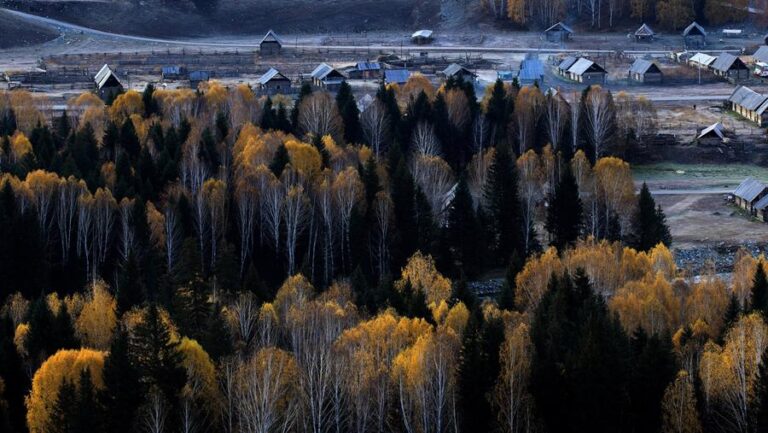
What I learned is that Hoboksar rewards a different kind of traveler. There is no walled old town, no cable car, no ticketed scenic area with a fleet of shuttle buses. What you find instead is a living Mongol county on the northern edge of the Junggar Basin, where the Jangar epic is still performed aloud and where summer still means horse races on open grassland. If that sounds like your kind of place, read on.
Hoboksar at a glance
| Item | Detail |
|---|---|
| Full name | Hoboksar Mongol Autonomous County (andlt;span andgt;and#21644;and#24067;and#20811;and#36129;and#33721;and#21476;and#33258;and#27835;and#21439;and#21644;andlt;/span andgt;) |
| Region | Tacheng Prefecture, northern Xinjiang |
| Main group | Oirat Mongols, with Han, Kazakh and Hui neighbors |
| Nearest city | Karamay, about 100 km by road |
| Nearest airport | Karamay (KRY), roughly 1.5 hours by car |
| Best months | June to August for festivals; January for deep winter |
| Signature culture | The Jangar epic and the summer Nadam gathering |
| Entry permit | None needed for the county seat and main sites |
What it actually felt like
We rolled into the county town on a Tuesday in July, the air dry and warm, the pale steppe running flat to the foot of the Zayir Mountains in the north. Bater’s family runs a low guesthouse on the edge of town, a row of heated rooms around a yard where two calves were tethered to a post. By evening the yard filled with relatives, a lamb turned slowly on a spit, and an old man named Suren sat cross-legged with a two-stringed instrument and began to sing the Jangar. I did not catch all the words, but Bater whispered the shape of it: a hero, a vast plain, a vow to protect the people. The singing went on past midnight. That single evening told me more about Hoboksar than any museum could.
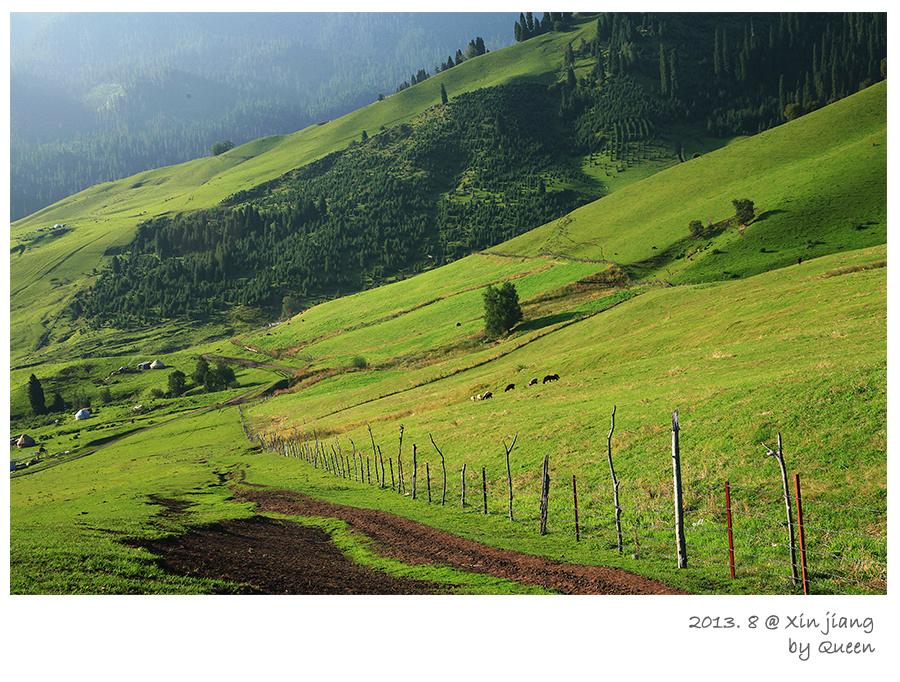
The next morning was the Nadam. Nobody sold us a ticket. We simply drove out to a stretch of pasture where a few hundred locals had gathered under a line of flags. Boys raced ponies the length of a dirt track while older men in boots wrestled in the dust, and a row of women bent bows at straw targets. The rhythm of the day was unhurried. We ate roasted millet and drank salty milk tea from a thermos, and Bater introduced me to a vendor selling aaruul, the dried curd that Mongols carry as trail food. It is sour, hard, and oddly moreish once you stop expecting it to taste like cheese.
I came back in January 2024 on Bater’s advice, to see the same land frozen. The temperature sat near minus twenty-five and the steppe had gone a flat silver-grey. The guesthouse kept us alive with a wood stove and a pot of mutton broth. At night Suren sang the Jangar again, the windows rattling, and I understood why this epic has survived: it is the thing you hold onto when the wind will not stop.
Getting to Hoboksar
The county has no passenger rail, so you arrive by road. Most people come from Karamay, about 100 km to the southeast, on a smooth highway that takes roughly an hour and a half by car or bus. Karamay itself is reached from Urumqi by the Karamay to Tacheng expressway, and the drive from Urumqi to Hoboksar runs around six or seven hours if you go straight through. If you would rather fly, Karamay Airport (KRY) has flights from Urumqi and a few other cities; from there it is a short hop north. The nearby city of Tacheng is another logical base, with its own border-town character, and buses run between the two.
Plan the road legs carefully. Distances in this part of Xinjiang are long, fuel stops are sparse once you leave the main highways, and winter snow can close smaller roads without much warning. If you are new to the region, our Xinjiang high-speed rail guide explains how the train network reaches the gateways, even if the final stretch to Hoboksar is road only.
Best time to visit
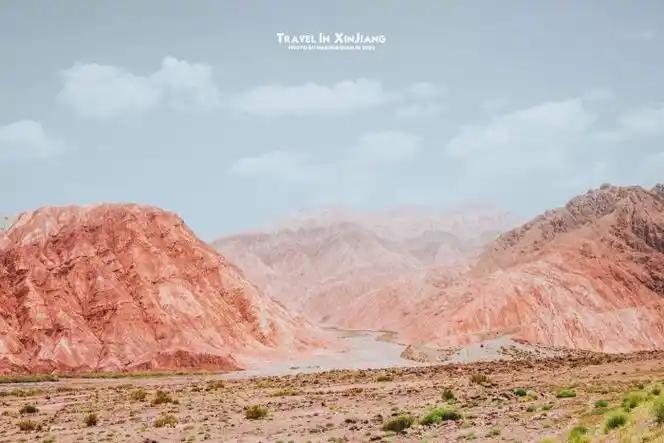
Summer, from June through August, is the easy answer. The steppe turns green, the weather is mild, and the Nadam gatherings bring the county to life. If your dates are flexible, ask locally about the Nadam schedule, because the exact weekend shifts year to year. Autumn is quiet and cold but clear, good for photography of the red rock country. Winter, as I found, is brutally beautiful and almost empty; go only if you are comfortable with extreme cold and limited services. Spring brings fierce wind off the basin, which most travelers find unpleasant.
Where to stay
The county town has a handful of mid-range hotels and cheaper inns, all walkable and basic but warm and clean. For something closer to the culture, ask about a family guesthouse like Bater’s, where you eat with the household and sleep in a heated room. In summer a few herders set up yurts near the pasture grounds during Nadam, which is the most direct way to experience Mongol hospitality, though facilities are rustic. Book ahead in July, because the festival pulls in visitors from across the prefecture.
What to eat
Food here leans Mongolian and hearty. The centerpiece is shouba rou, boiled mutton served in large pieces you pull apart with your hands, dipped in salt and eaten with flatbread. Mongolian hot pot is common in winter, a mild broth loaded with lamb and cabbage. At Bater’s table we had kumis (fermented mare’s milk, fizzy and sharp), aaruul dried curd, and cha, the salty milk tea that appears at every meal. Vegetarians will struggle; this is meat-and-dairy country, and even the vegetable dishes tend to arrive with meat stock. For a wider sense of the region’s border cultures, our Bortala travel guide covers a neighboring county with a similar frontier feel.
Practical tips before you go
- Bring cash. The town has ATMs but small vendors and guesthouses often prefer paper money, and card readers are unreliable.
- Pack for the wind. Even in summer a gust off the Junggar Basin will cut through a light jacket, and spring is worse.
- Learn a few Mongol or Uyghur greetings, or at least basic Mandarin phrases. English is rare outside the airports.
- No special permit is required for the county seat and the main sites, unlike the border corridors further west.
- If you visit in winter, dress for minus thirty. Layers, real boots, and a hat you can tie down are not optional.
- Respect the Jangar performances and Nadam events as living traditions, not shows staged for tourists. Ask before filming people.
A two-day sample itinerary
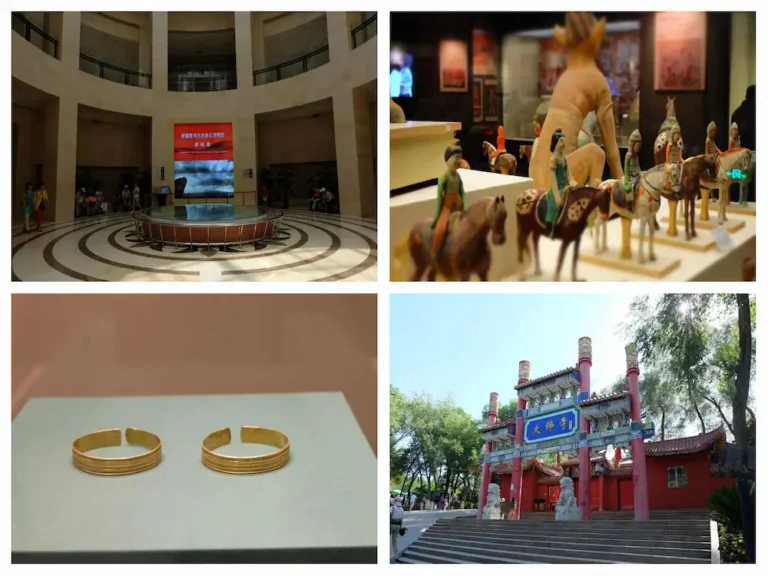
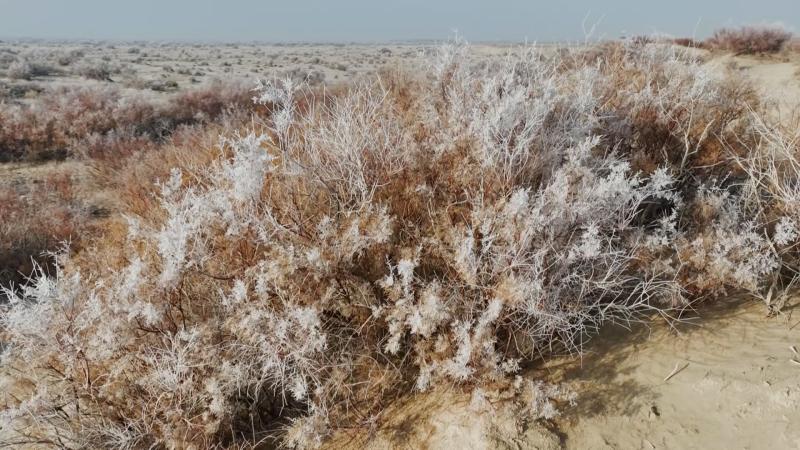
Day 1. Arrive from Karamay in the morning. Settle into your guesthouse, then visit the local Jangar culture hall in town to see costumes, manuscripts and recordings of the epic. In the afternoon drive out to the Baiyang River canyon, a run of red and ochre cliffs carved by a thin river, good for a short walk and photographs. Evening: milk tea and, if you are lucky, a spontaneous singing session.
Day 2. If your trip overlaps Nadam, spend the morning at the pasture gathering. Otherwise head north toward the foot of the Zayir Mountains, where a few mineral springs bubble up and locals come to soak. Return to Karamay or Tacheng by late afternoon. If you have a third day, the nearby city of Karamay makes a good onward stop; our Karamay guide covers the oil city and the Ghost City beyond, with cold-weather notes that apply here too.
Frequently asked questions
Is Hoboksar worth visiting if I only have a week in Xinjiang?
Probably not as a priority. It suits travelers on a longer northern loop who already plan to pass Karamay or Tacheng. Treat it as a detour, not a destination in itself.
Do I need a border permit?
No permit is needed for the county town and the main sights. Only the actual international boundary crossings require paperwork, and those are not part of a normal visit.
Can I see the Jangar epic performed year round?
Public performances cluster around festivals in summer. At other times you may hear it informally at a guesthouse, but there is no fixed schedule. Ask your host rather than assuming.
How cold does it get in winter?
January lows commonly reach minus twenty to minus thirty Celsius. The landscape is striking, but only attempt it with proper cold-weather gear and a heated place to sleep.
Is English spoken?
Almost never outside the airports. A translation app and a few Mandarin phrases will carry you further than you expect.
A note on accuracy
This guide is based on two personal visits in 2022 and 2024 and on conversations with local residents. Schedules, prices and transport links in far northwestern Xinjiang change often, and winter weather can close roads without notice. Confirm the current Nadam dates, bus times and road conditions with your guesthouse or the county tourism office before you travel, and treat any figure here as a planning estimate rather than a guarantee.
About the author. Liam Foster is a travel writer who has spent eight seasons on the road in Xinjiang, from the Pamir plateau to the Altai forests. He prefers county-town guesthouses to resort hotels and documents the living cultures of the region’s minority communities. He last traveled through Hoboksar in January 2024.