Published: July 26, 2026 | Author: Daniel Frost, overland travel writer specialising in the southern Silk Road
Most people who reach Qiemo have already spent two hard days on the road, and it shows on their faces when they climb out of the bus. This Qiemo travel guide is for the small number of travellers who are willing to make that trip on purpose. Qiemo, known in older maps as Cherchen and written 且末 in Chinese, sits on the far southern rim of the Taklamakan Desert in Bayingol Prefecture. I first came through in the autumn of 2021, driving the old G315 with a Uyghur friend from Korla, and I went back in 2024 to see how the new desert highway had changed things. Both times the town surprised me: greener, quieter, and stranger than its reputation.
I am not going to pretend Qiemo is a polished tourist stop. It is a working oasis county of roughly a hundred thousand people, better known inside China for its jade and its ancient tombs than for any single postcard view. But if you like places where you can still feel the edge of the desert pressing against the last row of poplars, Qiemo rewards the effort. Below is what I learned across two visits, checked against county tourism notices and my own receipts.
Why visit Qiemo? A quick reference
Before you commit to the long haul, here is the honest summary of what a Qiemo travel guide needs to tell you up front.
| Detail | What to expect |
|---|---|
| Location | Southern Taklamakan rim, Bayingol Prefecture, on national highway G315 |
| Elevation | About 1,250 m; dry, dusty, big temperature swings |
| Known for | Qiemo (Cherchen) jade, the Zaghunluq mummies, desert-edge poplar forests |
| Getting there | Flights via Qiemo Yulong Kashi Airport; long-distance bus or car on G315; the Yuli–Qiemo desert highway from the north |
| Best months | Late September to early November, and April to May |
| Nights I recommend | Two, or three if you want the jade market and the tombs without rushing |
| Budget per day | Around 300–450 RMB for a mid-range room, meals, and a local driver share |
What Qiemo actually feels like
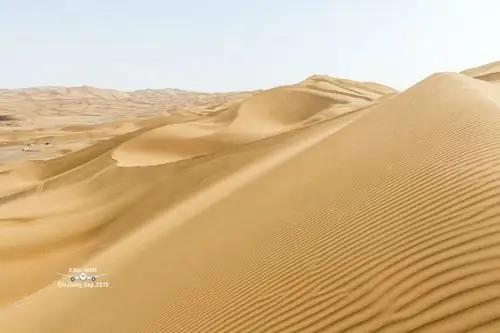
When we visited in 2021, the thing that stuck with me was the light. By late afternoon the dust in the air turns the sun into a flat orange disc you can look at directly, and the whole town takes on a sepia tone. Qiemo has built one of the largest man-made anti-desertification belts in China, a green ring of drought-hardy shrubs and trees that keeps the sand from swallowing the streets. Walking the edge of that belt at dusk, with dunes on one side and irrigated fields on the other, is the closest I have come to standing on a genuine frontier.
The county seat itself is small and grid-like. There is a main square, a night market that gets going after nine, and a scattering of teahouses where older men play cards. Nobody is trying to sell you a tour. On my second trip I spent an hour in a barber’s chair while the owner told me, in patient Mandarin, which of the surrounding villages grew the sweetest jujubes. That kind of unhurried conversation is the real draw here, not a checklist of sights.
The jade and the mummies: Qiemo’s two claims to fame
Qiemo jade deserves its reputation. The county is one of the historic sources of nephrite along the southern Silk Road, and its stone tends toward a warm, slightly sugary tone that carvers prize. If you visit the small jade market near the town centre, go with low expectations about bargains and high expectations about learning something. I watched a dealer spend twenty minutes explaining, with a torch and a loupe, why one river pebble was worth ten times another that looked identical to me. Whether or not you buy, treat prices with caution and never assume a certificate means what you think it means.
The second claim is older and stranger. Just outside town, the Zaghunluq tomb complex has yielded some of the best-preserved Tarim mummies in the region, including the figure often called the Cherchen Man, buried roughly three thousand years ago. The desert’s dryness kept skin, hair, and even woven textiles intact. Displays of these finds sit in the county museum, and standing in front of a face that old, with its felt boots still on, reorders your sense of how long people have lived out here. For more archaeological context nearby, the story of the Niya Ruins buried in the Taklamakan pairs well with a Qiemo visit.
How to get to Qiemo
Access is the single biggest hurdle, so plan it before anything else. You have three realistic options.
By air. Qiemo Yulong Kashi Airport has scheduled flights, usually routed through Urumqi or Korla. This is the sane choice if your time is tight. Schedules thin out in winter, so confirm the day before rather than trusting an old timetable.
By the desert highway. Since 2022 the Yuli–Qiemo desert highway has cut straight across the Taklamakan from the north, and it turned what used to be a punishing detour into a single long day of driving through dunes. On my 2024 trip we took this road, and the sheer emptiness of it, hour after hour of nothing but sand fences and the occasional maintenance worker, is a memory in its own right. Fill your tank and carry water; services are minimal.
By G315 from the west or east. The classic route links Qiemo with its neighbours along the southern rim. Coming from the west you pass through Minfeng (Niya) and Yutian (Keriya); heading east the road runs toward Ruoqiang and eventually the empty basin around Lop Nur. Most travellers reach the southern rim in the first place via Korla, so I treat that city as the practical gateway.
Best time to visit
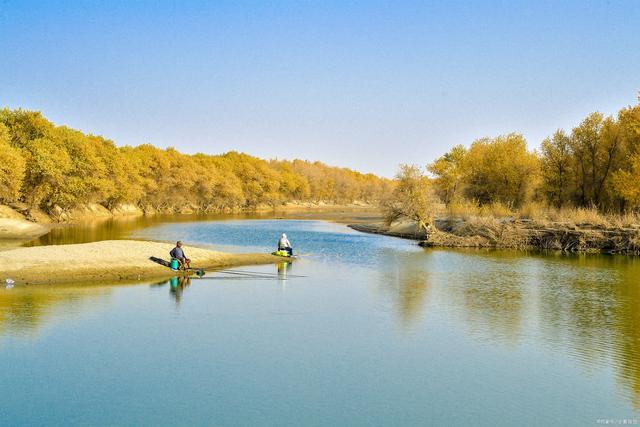
I would go in autumn if I could pick freely. From late September the poplar forests along the county’s rivers turn gold, the daytime heat backs off, and the light is at its cleanest. Spring, roughly April into May, is the second-best window, with mild days and blossoming orchards, though sandstorms are more likely then. Summer is brutally hot and dusty, and while it is passable, I found midday sightseeing genuinely draining. Winter is cold, thinly served by flights, and best skipped unless you have a specific reason. If you are mapping a wider trip, our note on the difference between north and south Xinjiang will help you slot Qiemo into the right season.
Where to stay
Do not expect resorts. Qiemo has a handful of clean mid-range business hotels around the town centre, plus cheaper guesthouses that are fine for a night. On both trips I paid between 180 and 320 RMB for a comfortable double with reliable hot water and heating. Book the mid-range places if you can, because the desert dust gets into everything and a well-sealed room makes a real difference. Confirm that your chosen hotel accepts foreign guests before you arrive; not every small-town property is registered to, and it saves an awkward evening.
What to eat
Southern Xinjiang food is at its best in places like this, where the ingredients travel about ten metres from field to plate. The jujubes are famous and genuinely worth carrying home; Qiemo dates are large, sweet, and often sold pressed into blocks. At the night market I ate lamb kawap straight off the coals, thin-skinned baked samsa, and hand-pulled laghman noodles tossed with peppers and mutton. For a wider look at the region’s dried produce, our guide to Xinjiang dried fruits and nuts covers what actually survives the journey home.
Practical tips from the road
- Carry your passport at all times. The southern rim has routine checkpoints, and having documents ready keeps things quick and friendly.
- Bring cash as a backup. Mobile payment works in town, but a stalled connection in a small shop is a real possibility.
- Pack for dust and dryness: lip balm, eye drops, a scarf for your face, and more water than you think you need.
- Hire a local driver for a half day if you want the tombs and the desert edge without a rental car. Split the cost with other travellers at your hotel.
- Slow down. Distances between towns here are long, and trying to see three counties in two days will only exhaust you.
A sample two-night itinerary
Day 1: Arrive by flight or the desert highway. Settle in, walk the town square, and eat at the night market once it wakes up.
Day 2: Morning at the county museum and the Zaghunluq tombs. Afternoon at the jade market, then drive to the anti-desertification belt for sunset over the dunes.
Day 3: Early poplar forest walk along the river, buy jujubes for the road, and continue west toward Niya or back north on the desert highway.
Frequently asked questions
Is Qiemo worth visiting for foreign travellers? Yes, if you enjoy remote, unpolished places and have the time. It is not a first-trip destination, but it is a rewarding addition to a longer southern Silk Road route.
How many days do I need in Qiemo? Two nights cover the highlights comfortably. Add a third if you want the jade market and tombs without hurrying.
Can I cross the Taklamakan directly to Qiemo? Yes. The Yuli–Qiemo desert highway runs straight across the sands from the north and is open to ordinary vehicles, though services along it are sparse.
Is Qiemo jade a safe thing to buy? Buy for pleasure, not investment. Prices vary wildly, authentication is hard for non-experts, and you should never assume a certificate guarantees value.
A note on trust
Everything above reflects two visits in 2021 and 2024 and my own spending, cross-checked against local tourism notices. Roads, flight schedules, and opening hours in remote Xinjiang change with the season and with government announcements, so confirm current details before you travel. This Qiemo travel guide is written to help you plan, not to replace official advice.
About the author: Daniel Frost has spent more than a decade travelling the overland routes of Central Asia and western China, with a particular focus on the oasis towns of the southern Taklamakan. He writes about slow, road-based travel and has driven the G315 and the Taklamakan desert highways on multiple trips. All experiences described here are his own.
Disclaimer: Travel conditions, prices, transport schedules, and site access in Qiemo and the wider Bayingol region can change without notice. Please verify current information with official sources and licensed operators before making plans. Prices quoted are approximate and based on the author’s own visits.