Published: August 1, 2026 | Author: Ingrid Solheim, cold-climate travel writer
I learned to ski before I could ride a bicycle, and I have chased snow through Siberia, Hokkaido and the Norwegian fells for most of my working life. Northern Xinjiang still surprised me. I spent two full winters reporting here: December 2023 around Fuhai and Koktokay, then January 2025 in Kanas and Hemu. This look at Xinjiang winter festivals and cold-season activities comes from notes I scribbled at minus 28 degrees, on frozen lakes and inside herder tents, not from a tourism brochure. If you are weighing a winter trip, here is what really happens once the snow settles in.
The short version: from late November to mid-March the Altay region turns into one of the most reliable powder zones in Asia, and the local calendar fills with ice-fishing carnivals, fur-ski gatherings and small village celebrations that most foreign visitors never hear about. It is cold, the daylight is short, and the payoff is a landscape and a set of traditions you cannot find in the summer crowds.
Quick reference for Xinjiang winter festivals and ice activities
| Item | What to know |
|---|---|
| Winter window | Late November to mid-March; deepest, driest snow falls December to February |
| Signature events | Ulungur Lake Winter Fishing Festival (Fuhai), Altay fur-ski meets, Silk Road ice and snow season near Urumqi |
| Coldest zone | Koktokay and the upper Altay valleys, where nights reach minus 35 to minus 40 |
| Best ski areas | Koktokay International, Silk Road International near Urumqi, General’s Mountain in Altay |
| Getting there | Fly into Urumqi, then connect to Kanas, Altay or Fuyun (Koktokay) airport |
| Daylight | Roughly nine usable hours; plan outdoor activity between 10:00 and 18:00 local rhythm |
| Budget level | Mid-range; ski passes and charter transport cost more than a summer road trip |
What the season actually feels like
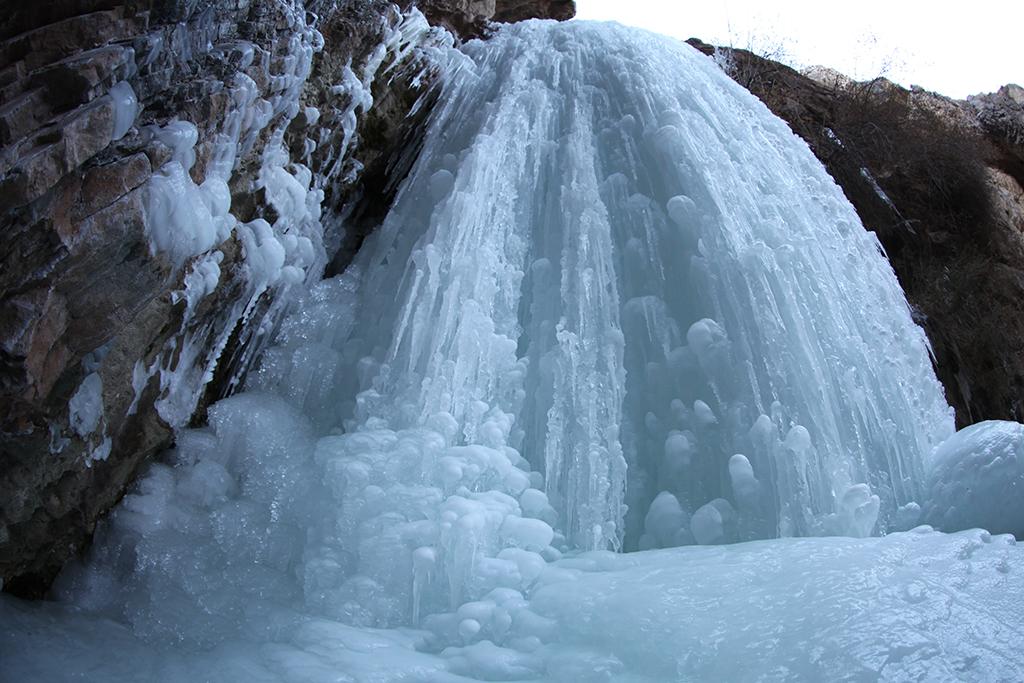
My first morning in Fuhai, the thermometer outside the guesthouse read minus 31. The air was so dry that the cold felt less biting than a damp minus 10 back home, but it punished any exposed skin within minutes. What stayed with me was the quiet. Snow swallows sound, and out on Ulungur Lake the only noise was the crunch of felt boots and the occasional crack of shifting ice under a metre of snow. If you have only seen Xinjiang in its green summer form, the winter version reads like a different country.
Kanas and Hemu, further into the Altay mountains, felt softer and more festive. Wood smoke curled from the log cabins of the Tuva and Kazakh families, horses stood shaggy in the yards, and children pulled each other around on homemade wooden sleds. For a fuller picture of when each corner of the region peaks, I cross-checked my dates against this season-by-season guide to visiting Xinjiang before I booked flights.
The festivals worth planning around
Three winter gatherings shaped my trips, and I would build an itinerary around whichever one lines up with your dates.
Ulungur Lake Winter Fishing Festival, Fuhai. This is the one I recommend first. Kazakh and Mongol crews cut a hole in the ice, run a net up to a kilometre long beneath the surface, and haul out a churning catch of carp and bighead in a single sweep. The opening ceremony includes a blessing of the ice, and the first fish of the season is auctioned for a headline price that locals repeat all winter. It usually runs from late December into early January, but the exact opening depends on ice thickness, so confirm the date with your guesthouse rather than trusting an old poster online.
Altay fur-ski meets. The Altay foothills claim to be one of the birthplaces of skiing, and rock carvings in the area show hunters on skis thousands of years ago. In villages such as Khom, older herders still make skis from pine planks lined with horse hide, the hair angled so the ski grips uphill and glides down. During winter gatherings they race these fur skis on open slopes, and visitors are usually welcome to try a pair. I fell over more than I stayed upright, and it was the best hour of my trip.
City ice and snow season near Urumqi. If your time is short, the Silk Road International resort area outside the capital hosts a longer ice and snow season with lantern displays, ice sculptures and beginner ski lessons. It is less atmospheric than the villages, but it is easy to reach and works well as a first taste before you commit to the deep cold of the north.
Ice and snow activities beyond the festivals
Even outside festival dates, there is plenty to do. Koktokay and General’s Mountain offer long, high-vertical runs and light, dry powder that skiers travel a long way for. On the flatter lakes you can join ice fishing, ride horse-drawn sleighs across the snow, or watch dog and reindeer teams in some Tuva settlements. I spent one afternoon soaking in an outdoor hot spring while snow fell on my hair, which I now consider a required part of any cold trip. For a deeper rundown of what to attempt on the ice and slopes, this guide to Xinjiang winter adventures beyond skiing pairs well with the festival calendar.
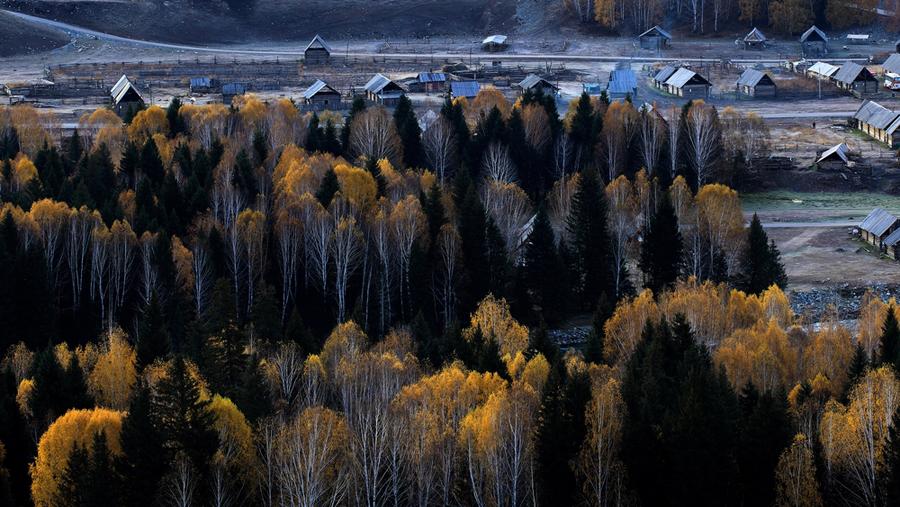 Hemu village during a Xinjiang winter festival” />
Getting there in winter
Every trip starts in Urumqi. From Diwopu airport you connect onward: Kanas airport for the far north lakes, Fuyun airport for Koktokay, or Altay airport for the fur-ski villages. Flights are short but weather delays are normal, so I never book a tight international connection on the same day I fly out of the mountains. Roads into Kanas stay open through a managed winter shuttle system, though some inner trails close, and self-driving on ice is not something I would attempt without local experience and proper tyres. Charter minibuses with a driver who knows the passes are the sane choice.
Best time to go
For the fishing festival, target the last week of December through mid-January. For guaranteed powder and photogenic snow villages, January and early February are safest. The week of the Lunar New Year brings its own small celebrations but also domestic crowds and higher prices, so I avoid it unless the holiday itself is what you want to see. By early March the light lengthens and the snow starts to turn heavy and grey, which is my cue to leave.
Where to stay
In the villages, book a heated guesthouse rather than a rustic cabin unless you know exactly what you are getting; a night at minus 30 in an under-heated room is a mistake you make only once. Hemu and Kanas both have family-run stays with proper stoves and thick quilts. Near Urumqi and the resorts you will find standard business hotels with reliable heating. I compared several options against this overview of Xinjiang hotels from budget to luxury and booked a mid-range place with a hot shower, which matters more than you think after a day on the ice.
Food that earns its place in the cold
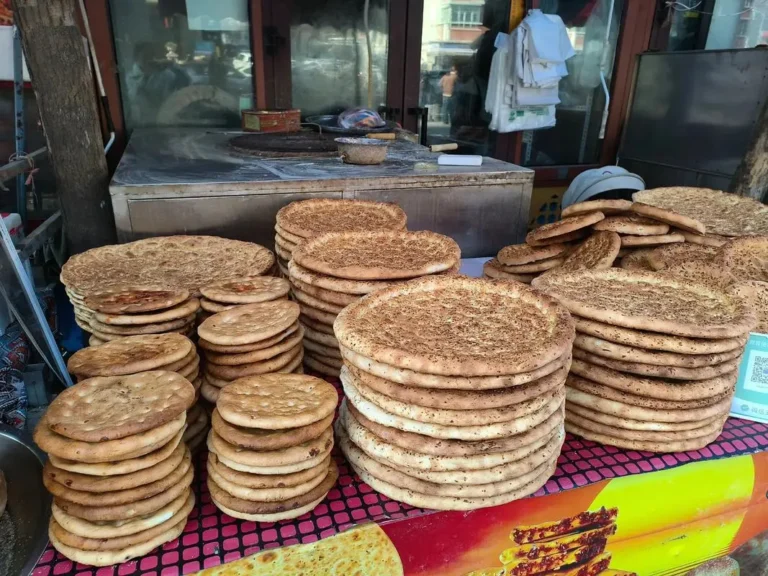
Winter cooking here is built for the temperature. I ate a lot of slow-cooked lamb, hand-pulled laghman noodles in hot broth, and freshly baked nang straight from the clay oven. Herders serve milk tea almost constantly, and in the Kazakh homes I visited there was cured horse-meat sausage put up in autumn for exactly this season. Hotpot is everywhere in the towns. My rule was simple: eat something hot at every stop, because a warm stomach does more for morale than any extra layer.
Practical tips from two cold winters
- Dress for real cold. A proper down parka, insulated boots rated to minus 40, a windproof shell, and a stock of hand and foot warmers. Cotton next to the skin is a mistake; use wool or synthetic base layers.
- Protect your gear. Batteries die fast in the cold. I kept phone and camera spares in an inside pocket and swapped them out through the day.
- Mind the daylight. With about nine usable hours, I planned one main activity per day and treated anything extra as a bonus.
- Carry a small medical kit. Dry air, altitude in parts of the Altay, and cold all take a toll. I keep lip balm, painkillers and rehydration salts handy, and this field guide to health and medical preparedness in Xinjiang is worth reading before you pack.
- Respect the festivals. These are working community events, not shows staged for visitors. Ask before photographing people, and if you are curious about the wider tradition of celebration here, the story of the Corban Festival on the steppe gives useful context.
A sample five-day winter itinerary
Day 1: Arrive Urumqi, adjust to the cold, and spend an afternoon at the Silk Road ice and snow area to test your gear and take a beginner ski lesson.
Day 2: Fly to Fuyun and settle near Koktokay. Short walk on the frozen river, early night.
Day 3: A full day skiing the powder at Koktokay, then a soak in a hot spring after dark.
Day 4: Transfer toward Fuhai for the Ulungur Lake Winter Fishing Festival if the dates align, or continue to Hemu for the snow villages and a try at fur skiing.
Day 5: Slow morning of photography in the villages, then fly back to Urumqi for your onward connection.
Frequently asked questions
Is Kanas open in winter? Yes. The scenic area runs a winter operation and both Kanas and Hemu villages stay reachable by shuttle, although some inner hiking trails close under deep snow.
When exactly is the Ulungur ice-fishing festival? Most years it opens in the last week of December and runs into January, but the date shifts with ice thickness. Confirm locally before you commit travel dates.
Can beginners ski at Koktokay? There are gentler runs and lessons, but Koktokay is really known for long, steep terrain and deep powder. Beginners may prefer the Silk Road resort near Urumqi.
How cold does it actually get? In the towns you will meet minus 15 to minus 25 most days. In the Koktokay and upper Altay valleys, night-time readings of minus 35 to minus 40 are normal in the depth of winter.
Do I need a guide? For the villages and festivals, a local guide or a guesthouse host who speaks the regional languages makes a real difference and helps you time the events correctly.
Disclaimer
Festival dates, transport schedules and resort opening hours change from year to year and depend heavily on weather and ice conditions. The details here reflect my own visits in December 2023 and January 2025 and should be confirmed with local operators and official sources before you travel. Prices and access can shift without notice, and cold-weather travel carries real risks; plan conservatively and prioritise safety over ticking off every event.
About the author
Ingrid Solheim is a cold-climate travel writer from Tromsø, Norway, with more than fifteen years reporting on winter destinations across the Nordics, Siberia and Central Asia. She has made two extended winter trips through northern Xinjiang, focusing on the Altay region, and writes about snow travel with an emphasis on safety, local tradition and honest expectations. She contributes seasonal guides to Xinjiang Attractions.