Published: 22 August 2026 | Author: Karl Huang, Xinjiang Attractions
Most first-time visitors assume a car is mandatory here. It is not. We have crossed Xinjiang twice using only trains, long-distance coaches and the occasional flight, and the region is more reachable by public transport than its size suggests. This guide to travelling Xinjiang without a car lays out the routes that actually work, the gaps that do not, and the small habits that keep a car-free trip from stalling.
Why you can trust this plan
We are not a tour company and we do not sell tickets. The routes below came from two real trips: a 12-day loop in late June 2024 (Urumqi, Turpan, Yining, Sayram, back) and a 9-day southern swing in September 2025 (Urumqi to Kashgar by train, then coaches into the Pamir). Both were done with zero driving. We paid for every seat ourselves, missed two buses we should have booked earlier, and learned the hard way that the coach timetable is not the train timetable. That is the version you get here, not a brochure.
Quick reference: Xinjiang without a car at a glance
| Mode | Best for | Book via | Our take |
|---|---|---|---|
| High-speed train | Urumqi–Turpan–Hami, Urumqi–Yining corridor | 12306 app or station counter | Fast, punctual, the easy win |
| Conventional train | Urumqi–Kashgar, longer hauls | 12306 or Ctrip | Overnight sleeper saves a hotel night |
| Long-distance coach | County towns, park gates, the last 100 km | Passenger station or local app | Backbone of car-free travel, less predictable |
| Domestic flight | Crossing the region fast (Urumqi–Kashgar, etc.) | Ctrip, Trip.com, airline site | Pricey but cuts a day of travel to an hour |
| City bus / taxi | Getting around inside a city | Alipay transit code, DiDi | Cheap; DiDi needs a local SIM |
How the public network is shaped
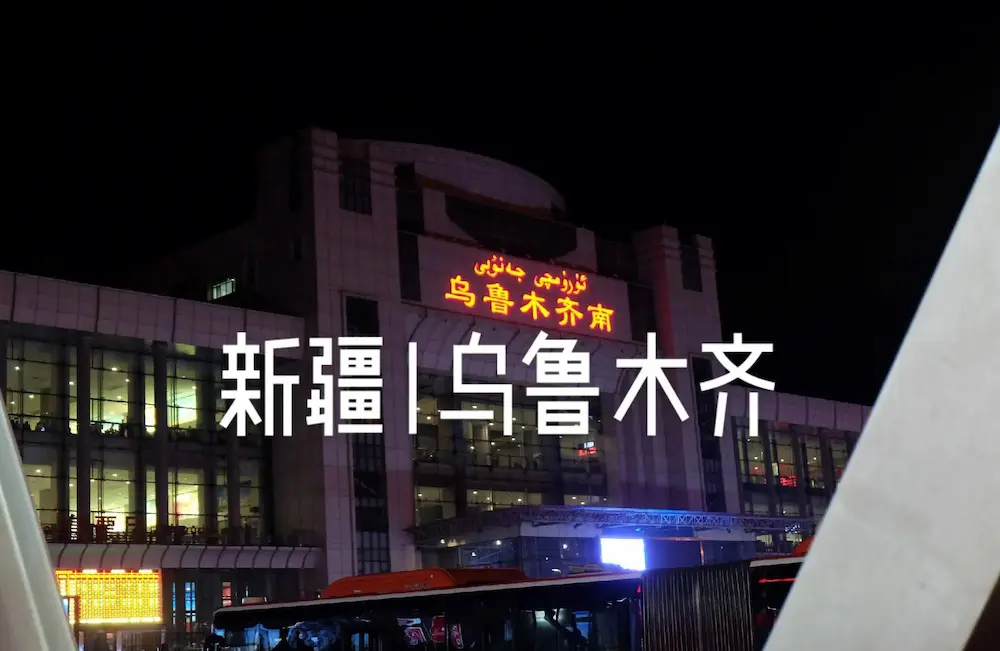
Xinjiang is not a blank map with one road through it. Two spines carry almost everyone. The rail line runs east from Urumqi through Turpan and Hami toward the rest of China, and west through Shihezi, Kuitun and Yining into the Ili valley. The second spine is the road network: the G30 expressway and the older national highways, served by coaches that leave from each city’s passenger station. Where rail stops, coaches usually continue. We found that almost every county seat has at least one daily coach to the nearest city, and most cities have an overnight sleeper coach to Urumqi.
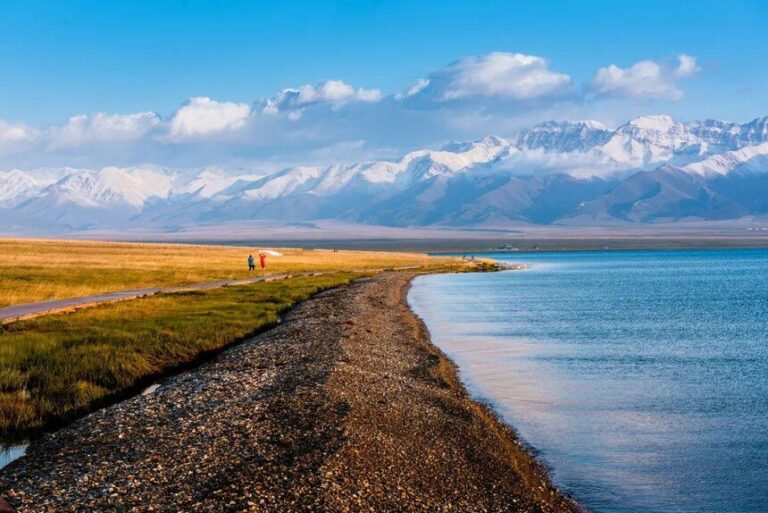
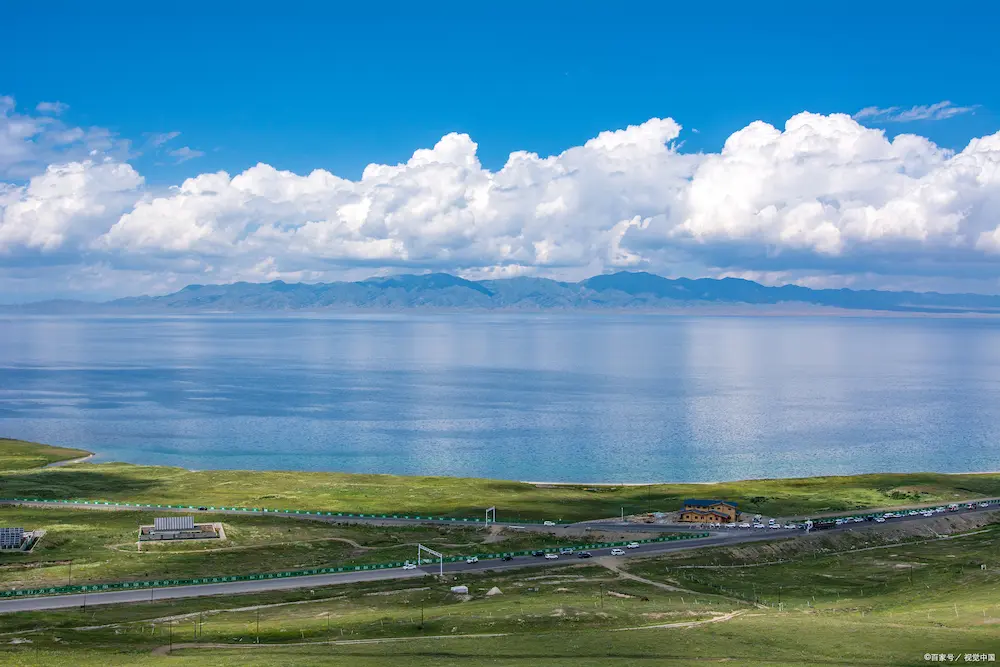
The catch is the last stretch. Parks like Sayram Lake, the Karakul Lake shore, and most grassland gates sit 30 to 90 minutes from the nearest town with no train and few coaches. That is the one place a car-free plan needs a back-up: a pre-booked local driver, a hotel shuttle, or a tour van you join for the day. Plan the destination first, then solve the final kilometres.
The train: the easy half
For the main corridors, the train removes nearly all the stress. The high-speed line from Urumqi to Turpan takes just under an hour; we rode the 09:20 departure, paid roughly 50 yuan, and were walking the ruins by late morning. Urumqi to Yining on the northern line runs about three and a half to four hours, and the carriages are clean with power sockets and a dining car that mostly sells instant noodles and heated rice boxes.
For the long haul south, the conventional train to Kashgar is the move. We took an overnight sleeper (hard sleeper, lower bunk) that left Urumqi around 22:00 and rolled into Kashgar a little after 11:00 the next day. You trade a hotel night for a train fare and wake up in the old city. Seats on the Xinjiang high-speed rail network book out days ahead in July and August, so buy as early as the 12306 app allows, or read our note on train versus flight before committing.
The long-distance coach: the real backbone
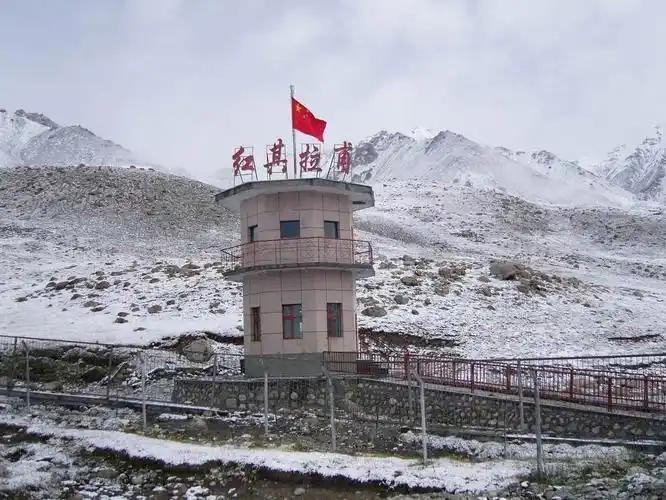
This is where car-free travel lives or dies. Coaches fill the gaps the train leaves: from Yining to the Sayram Lake gate, from Kashgar to Tashkurgan, from Urumqi out to the northern grassland towns. The vehicles range from plush sleeper buses with near-flat bunks to tired minibuses that stop at every village. We road-tested the Yining-to-Sayram morning coach (about 90 minutes, roughly 40 yuan) and the Kashgar-to-Tashkurgan Pamir route (a full-day mountain drive, around 300 yuan with the border permit checkpoint en route).
Timings slip. A coach posted for 09:00 sometimes left at 09:40 because the driver waited for a fuller load, and a rural line we needed in September had quietly dropped from two departures a day to one. Treat any coach time as a soft estimate and build a buffer. Our full write-up on Xinjiang’s long-distance bus network covers what to expect at the station and how to read a Chinese timetable board.
Flying between the far ends
When the distance is huge and your days are few, fly. Urumqi’s airport (now the Tianshan International hub) runs daily flights to Kashgar, Hotan, Aksu, Yining, Altay and Korla. We flew Urumqi to Kashgar once when a delayed coach would have cost us a full day, and the one-hour hop beat eight hours on the road. Fares swing hard with season: a shoulder-month ticket can be a third of a peak-summer one. Book through Ctrip or Trip.com where a passport works cleanly, and pair it with the arrival advice in how to get to Xinjiang.
Getting around inside a city
Once you are in a city, you rarely need a car. Urumqi, Kashgar and Yining all have cheap city buses and metered taxis, and DiDi works if you have a local number. We used Alipay’s transit code for buses in Urumqi and walked most of Kashgar’s old town because the lanes are pedestrian-only anyway. Renting a bike or hopping a shared electric scooter covered the short hops. The only time we wanted four wheels was for a day trip to a gate that no bus served, and for that we hired a driver by the day through the hotel.
Our own car-free loop
The loop that worked best: fly into Urumqi, high-speed train to Turpan for two nights, train back, then the northern line to Yining. From Yining we took a morning coach to Sayram Lake, returned the same day, and used Yining as a base for grassland day trips on local vans. We finished with an overnight train to Kashgar and a Pamir coach. Twelve days, two trains, four coaches, one flight, zero driving, and we never felt stranded except once, when we misread a coach change in Kuitun and lost an afternoon. That afternoon is why this guide tells you to confirm the connection, not assume it.
Best time to travel without a car
Summer (June to August) is the easiest season to go car-free. Coach frequencies rise, the mountain passes are open, and the park shuttles run on schedule. We travelled in late June and never waited more than a day for a connection. Autumn (September to early October) is nearly as good and far less crowded. Winter is doable on trains, which keep running, but many rural coaches thin out or stop, and some park gates close, so a car-free winter plan needs more flexibility. Our money and payments guide is worth reading before you go, because ticket apps assume you already have Alipay or a Chinese card.
Where to base yourself
Pick one hub per region and do day trips, rather than dragging luggage across five towns. Urumqi works for the north and the Turpan side; Yining for the Ili valley and Sayram; Kashgar for the south and the Pamir. Staying put means you learn the local station’s rhythm, which coach leaves when, and where the good noodle shop is. We kept lodging near each city’s passenger station on purpose: a 10-minute walk to the 07:30 departure beats a 40-minute pre-dawn taxi scramble.
Eating on the move
Long coach days mean you eat what is near the road. Station areas almost always have a laghman (hand-pulled noodle) shop and a nang bakery, and we ate better than expected: a 14-yuan bowl of laghman in a Yining side street beat most restaurant dinners, and the warm nang bought at a Kashgar depot lasted two days in a daypack. Train dining cars are thin, so we stocked fruit, boiled eggs and water before boarding. Bring your own snacks for the Pamir coach, where the only stop is a basic canteen around lunch.
Tickets, payments and the one app that matters
Trains: 12306 is the official app and now accepts foreign passport accounts, though the interface is Chinese and fiddly; Ctrip is the gentler option and sells the same seats. Coaches: buy at the station window (cash or Alipay) or, in bigger cities, a local WeChat mini-program. You will struggle without a local SIM card, because DiDi, the transit codes and most mini-programs need a Chinese number to register. Get the SIM in Urumqi on day one and the rest of the trip gets simpler.
A five-day car-free starter plan
Day 1: arrive Urumqi, get SIM and Alipay, walk the bazaar. Day 2: high-speed train to Turpan, see the ruins and Grape Valley, sleep there. Day 3: morning train back to Urumqi, evening sleeper train to Kashgar. Day 4: old city and Sunday market on foot. Day 5: Pamir coach to Tashkurgan and back, or fly out. That is a real, bookable skeleton with no driving and only one tight connection. Stretch it by adding Yining and Sayram, or read the self-drive guide if you later decide a car fits better than a coach.
FAQ
Can I really see Xinjiang without renting a car?
Yes. Trains and coaches reach every prefecture-level city and most counties. The only compromise is the final stretch to remote park gates, which you cover with a day driver or a shuttle.
Is public transport safe and reliable?
Trains are extremely reliable. Coaches are safe but looser on time; build buffers and confirm departures at the station.
Do I need a Chinese phone number?
Strongly recommended. It unlocks DiDi, transit codes and ticket mini-programs. Foreigners can still buy train tickets at station counters with a passport.
Is it cheaper than driving?
Usually, for one or two people. You skip fuel, tolls and a deposit, though a group of four may find a rental competitive.
Disclaimer
This article reflects the authors’ personal travel in 2024 and 2025 and was written in August 2026. Timetables, fares, permit rules and app features change, and some rural coach lines run seasonally or without notice. Always confirm times at the station or on the official app before you travel, carry your passport, and check current border-permit requirements for the Pamir. We are not responsible for missed connections or changes beyond our control.
About the author
Karl Huang is the founder of Xinjiang Attractions and has spent several seasons travelling the region by train and coach while building visitor guides for international travellers. He writes from first-hand trips rather than from brochures, and focuses on practical, bookable routes. Questions or corrections are welcome through the site’s contact page.