Published: 30 October 2026 | Author: Karl Huang, XinjiangAttractions Editorial Team
The Forbidden City in Beijing is the single sight I tell every first-time visitor to put first, and the one I keep returning to because the light changes it completely. I have walked its 9,000-plus rooms on three trips, once in a thunderstorm that emptied the courtyards and once on a blue October morning when the shadows fell exactly right. This Forbidden City Beijing guide covers the practical things that actually affect your day: tickets, the route, timing, and what to skip.
Forbidden City Beijing: Quick Reference
| Chinese name | 故宫 (Gugong), Palace Museum |
|---|---|
| Location | Center of Beijing, north of Tiananmen Square |
| Entry | Timed ticket, booked online in advance |
| Typical visit | 3 to 4 hours |
| Closed | Mondays (except public holidays) |
| Best light | Morning, and the hour before closing |
| Combine with | Jingshan Park, Tiananmen, Wangfujing |
Why the Forbidden City Matters
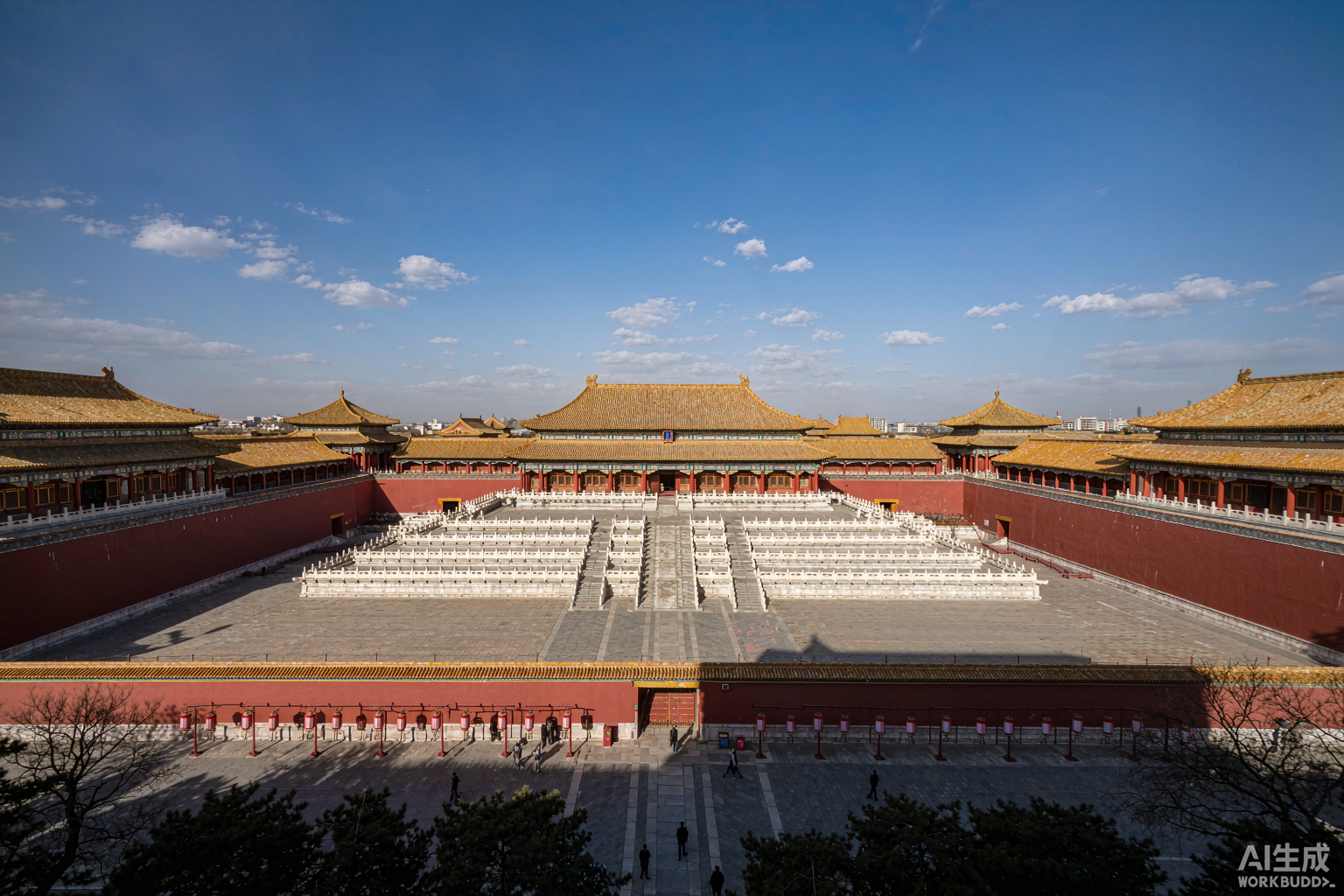
Built across the early 1400s and home to 24 Ming and Qing emperors, the complex is the largest surviving wooden palace architecture on earth. I am not normally moved by square footage, but standing in the Meridian Gate courtyard the first time, with the glazed roofs stacked north toward Coal Hill, I understood why it was walled off for five centuries. The scale is the point.
It is easy to treat it as a museum of objects. The better frame is a city within a city: ceremonial axes, strictly ranked buildings, and a logic that rewards whoever learns the sequence. Once you see the pattern, the later halls stop blurring together.
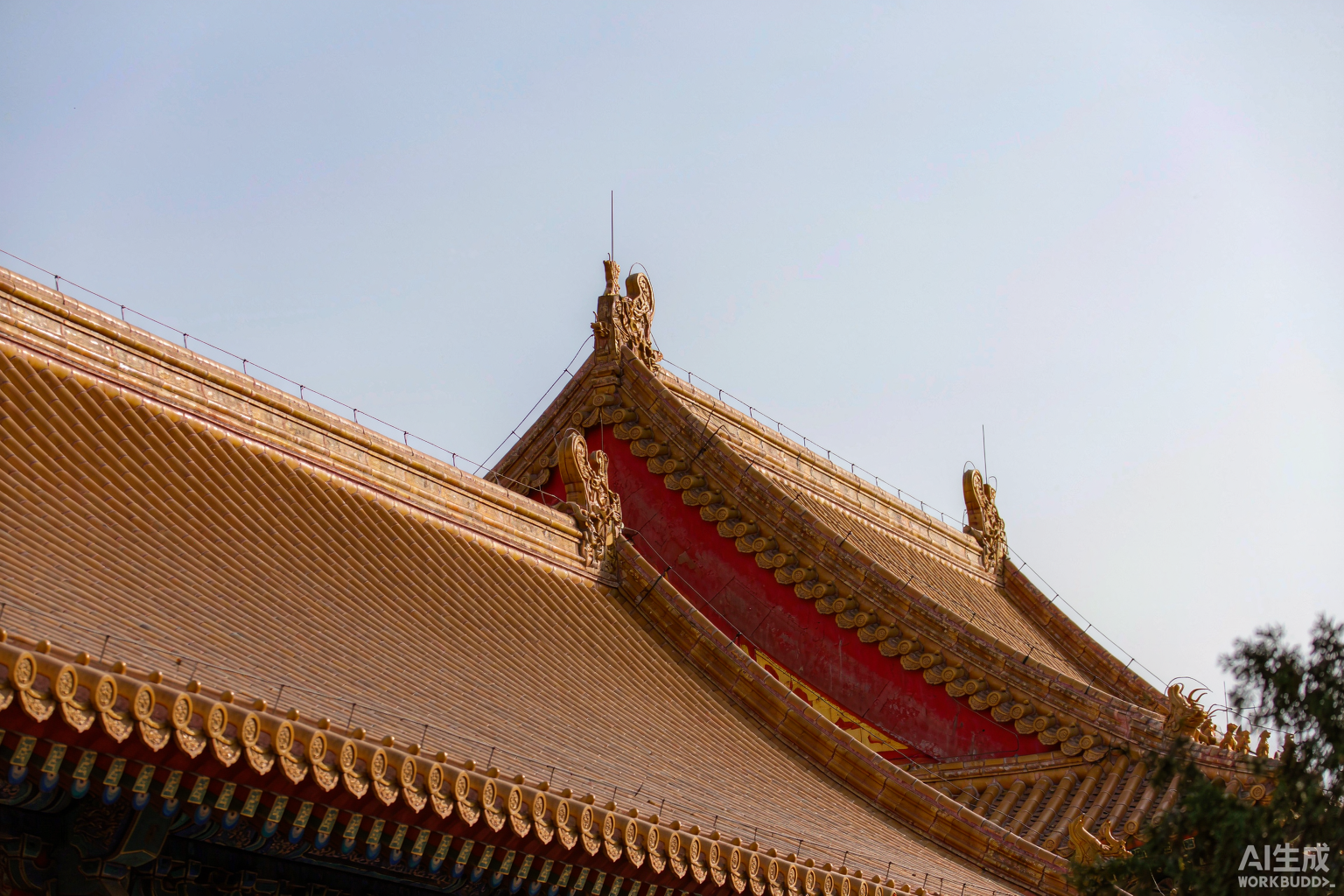
A bit of background helps the visit land. The complex was raised over fourteen years starting in 1406, under the Yongle Emperor, on a grid aligned to the cardinal points with the north-south axis running straight through the city to the south. It is not one building but roughly 980 surviving structures set within 720,000 square meters of walls, which is why the walk feels endless. The names carry meaning too: the Outer Court was where the emperor met the state, the Inner Court where he lived, and the gradation in roof color and the number of statuettes on the ridge tiles tells you exactly how important a room was. Learn that sequence and the layout stops being a maze and starts reading like a document.
Tickets and How to Book
There is no gate sale. Tickets release on the Palace Museum’s official platform, and in peak season (April to October, plus holidays) they sell out, sometimes within the day. I book the moment my flight is confirmed, pick a morning slot, and carry the passport I booked with — the name must match. Prices shift, but the standard adult ticket is modest for a site of this weight; concession rates exist for students and seniors with valid ID.
Arrive with a charged phone and a screenshot of your QR code, because mobile data at the gate can stall when thousands arrive at once. Security is airport-style, so pack light.
The Route I Actually Use
Enter through the Meridian Gate (the south, the only correct entrance for visitors), then walk the central axis north: Outer Court (Hall of Supreme Harmony and its siblings) for the big ceremonial set pieces, then the Inner Court (the emperor’s and empress’s living quarters) where the rooms get smaller and the detail finer.
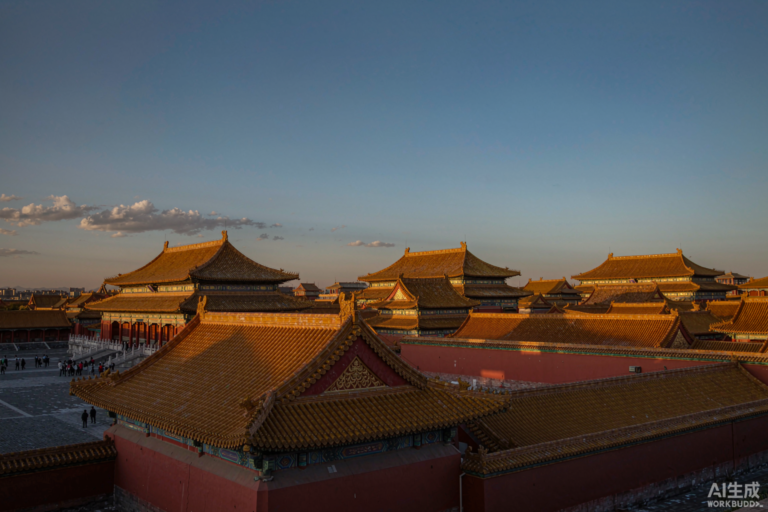
Most people stop at the Inner Court and leave. The payoff is the last stretch: the Imperial Garden, then exit north to climb Jingshan Park across the road. From the hilltop you get the famous straight-on view back over the rooftops — the photo every guide shows, and worth the short climb.
Two halls I refuse to skip: the Hall of Clocks and the Treasury, both in the side galleries, hold pieces that explain court life better than any throne room. They cost a small extra ticket and are quieter, which is its own reward in August.
What to See in Detail
If you see only the central spine, you miss the rooms that explain court life. The Hall of Supreme Harmony is the big ceremonial stage, the throne, the bronze cranes, the ramp carved with dragons, but the smaller Hall of Union and the Palace of Earthly Tranquility show the domestic side, where the empress held audience and where royal weddings took place. The side galleries hold the clock and astronomic collections and the imperial treasury; the latter alone, with its jade and gold, justifies the small extra ticket and is far quieter than the central halls at noon.
Walk the western and eastern six palaces slowly if time allows. These were the residences of concubines and senior court women, and the rooms are more human-scaled, with original furniture and small planted courtyards. I spent longer in one of these side courts than in the giant halls, because the scale finally felt lived-in rather than staged, and because the light through those lattice windows in late afternoon is the kind of detail no wide shot captures.
Best Time to Go
Weekday mornings, full stop. The complex opens around 8:30; be near the gate at opening and you get the courtyards before the coach tours pour in around 10. Late afternoon has its own calm as groups thin. Avoid the Golden Week holiday in early October and the Spring Festival rush — I made that mistake once and saw more selfie sticks than rooftiles.
Season matters too. Spring and autumn give the best light and tolerable heat. Summer is punishing; winter is cold but the fewest people, and a clear day after snow is the version postcards are made from.
Plan to spend the whole morning here rather than threading it between other stops. The complex opens around 8:30, and the first hour belongs to the light and the empty courtyards; by 11 the central halls are a slow river of people. If your schedule is tight, I would cut a second museum rather than rush the palace. Pair it with Jingshan Park across the north gate and, if the day is clear, Beihai Park just west, for a full imperial-day loop that ends with a lake view instead of a taxi queue.
Getting There and Around
The Forbidden City sits between Tiananmen and Jingshan. Subway Line 1 to Tiananmen East or West puts you a short walk from the south entrance; Lines 8 to the north gate (near Jingshan) is the smarter exit if you finish the route as I described. Taxis cannot drop you at the door, so expect a few minutes on foot from the station.
Pair it with a Beijing stay near the Second Ring and you can walk or short-ride to both the palace and the hutongs. I cover neighborhood choices in the main city guide.
Food, Rest, and Practical Notes
There is no food or drink sold inside except vending near exits, and you cannot bring in much either. Eat a real meal before you enter; the surrounding lanes near the north gate have noodle shops that saved me more than once. Wear comfortable shoes — the distance from gate to gate is about a kilometer of hard paving, and the gardens add more.
Toilets exist but queue at peak. Carry water, a power bank, and a hat in summer. Audio guides are available and worth it if you want the stories behind the halls rather than just the views.
Frequently Asked Questions
How long do I need? Three to four hours for the main route; add an hour if you include the side galleries and the garden slowly.
Can I see it and the Great Wall in one day? Technically yes, but it is a punishing day. I keep them separate so neither feels rushed.
Is it accessible? The grounds are flat and paved, but distances are long. Wheelchair loan exists; plan rest stops.
What should I wear? Modest, comfortable clothing and good walking shoes. Shoulders and knees are fine; the site is cultural, not a place with a strict dress code.
Photography and Access
The light is best in the first hour after opening and in the last before closing, when the tour groups thin and the rooftops catch low sun. Tripods are not allowed inside, and drones are banned outright. The grounds are flat and paved but long; wheelchairs are available near the entrance, and there are rest benches in the gardens, but plan stops because the distance from the south gate to Jingshan across the road is close to a kilometer of hard walking. The single best wide shot of the whole complex is from the top of Jingshan Hill, looking straight back over the rooftops.
One Last Tip Before You Go
If your schedule allows only one imperial sight in Beijing, make it this one. Pair it with a short climb up Jingshan Hill immediately after you exit the north gate for the classic rooftop panorama, then walk down into the surrounding hutongs for a slower, human-scale contrast to the grandeur you have just left behind.
Disclaimer: This guide is based on my own visits and was accurate when written. Ticket rules, prices, and opening hours change, and the complex closes on most Mondays. Confirm on the official Palace Museum site before you go.