By Karl Huang · XinjiangAttractions Editorial Team · November 2026
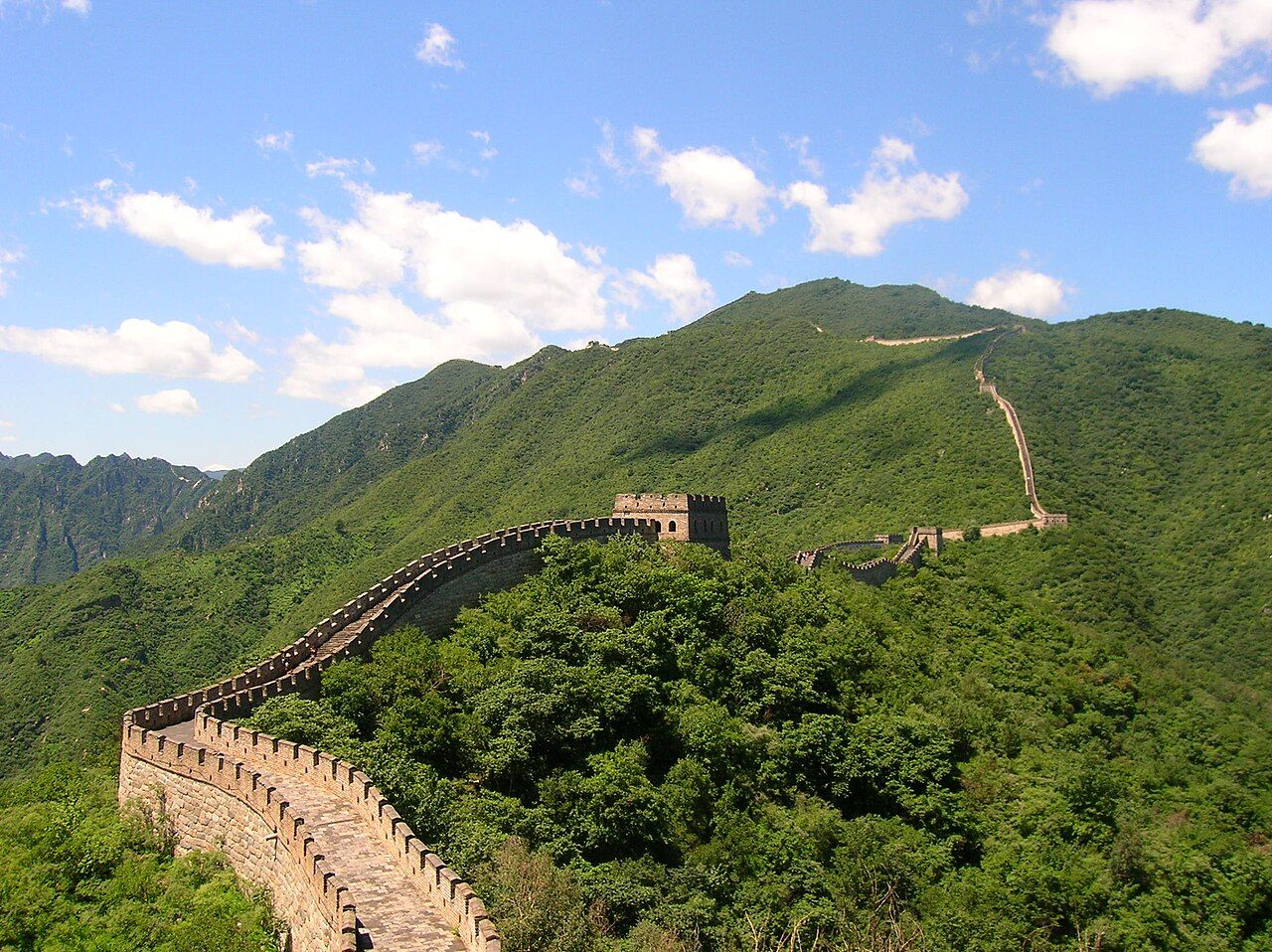
Mutianyu (慕田峪) is the Great Wall section I send friends to when they have one free day out of Beijing and want the wall without the worst of the crowds. It sits about 70 km northeast of the capital in Huairou District, draped over forested ridges that turn gold in October. What makes it special is density: along roughly 2.25 km of restored wall you pass more than 20 watchtowers, some joined in pairs, an unusually high concentration that gives the walk a rhythm of discovery. On a clear morning the stone glows warm and the pine below rolls away in every direction. I have walked it twice, once in spring drizzle and once in late autumn, and both times the balance of effort and reward beat the more famous sections nearer the city.
At a Glance
| Feature | Detail |
|---|---|
| Location | Huairou District, ~70 km NE of central Beijing |
| Wall length open | ~2.25 km with 23 watchtowers |
| Access | Bus tour, private car, or shuttle from Huairou |
| Cable car | Up and down available; toboggan down |
| Ticket | Entry ~¥45; cable car/toboggan extra |
| Best season | Apr-Jun, Sep-Nov; avoid Golden Week |
Why Mutianyu Stands Out
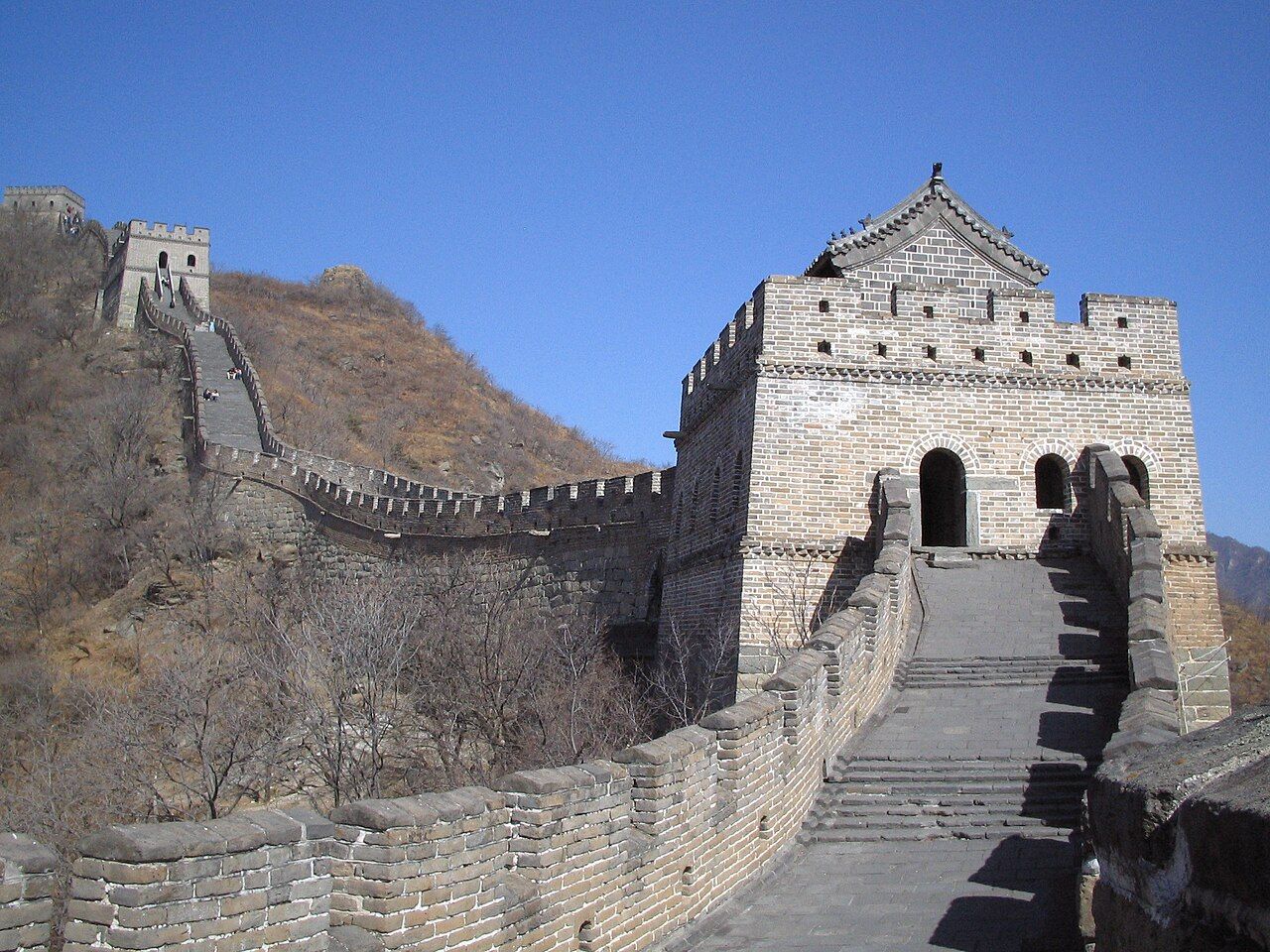
Mutianyu was first built in the Ming dynasty on older Northern Qi foundations, and it was a strategically vital pass guarding the capital’s northern approach. Today that history reads clearly in the architecture: the towers are square, round, and horseshoe-shaped, and the parapets run on both sides of the wall, a defensive feature not found everywhere. Because the section was thoroughly restored in the 1980s, the walking surface is safe and the steps are even, which makes it a good choice for families and older travelers. At the same time it receives far fewer visitors than Badaling, so you can actually hear the wind. The surrounding vegetation is also denser than at the exposed Badaling ridge, which is why photographs from Mutianyu look greener and softer.
If you want broader context on the capital before you go, our Beijing travel guide lays out how the wall fits into a multi-day imperial itinerary, and the Forbidden City guide covers the palace the wall was built to protect. Together they give the wall a purpose beyond the stones.
A Short History of the Pass
The Ming rebuilt and extended the wall across the 14th-17th centuries as a response to raids from the north, and Mutianyu was part of the inner ring defending the new capital at Beijing. The pass controlled one of the easier routes through the Yan Mountains, so it was heavily fortified with overlapping towers that could cover each other with arrow fire. After the Ming fell, the wall lost its military function and slowly returned to the landscape. Modern restoration began in the 1980s, and Mutianyu was among the first sections opened to international visitors, which is part of why its facilities — cable car, chairlift, toboggan — are so developed today.
Getting There From Beijing
Most independent travelers book a seat on one of the many shuttle or small-group tours that leave from Beijing early morning; these include the 1.5-2 hour drive and simplify the last-mile shuttle from the parking area to the gate. Driving yourself is straightforward on the Jingcheng Expressway, but parking and the internal shuttle still apply, and weekend traffic can add an hour. There is no direct metro. Budget a full day: leave by 7:30 a.m., walk the wall mid-morning, and be back in the city by early evening. If you stay overnight in Huairou, you can reach the wall at opening and have the first hour almost to yourself.
Cable Car, Chairlift, and Toboggan
Mutianyu’s signature is the choice of descents. An enclosed cable car lifts you near tower 14, and a separate chairlift plus a 1,580-meter alpine toboggan lets you ride down through the trees — genuinely fun, and popular with kids. If you want to earn the view, climb on foot from the gate instead; the lower stretch is steep but short, and you pass several towers before the ridge opens up. My recommendation: ride up, walk west toward the higher towers where the ridge scenery is best, then toboggan down. The toboggan is self-paced, with a brake lever, and the forest section is the most playful part of the visit.
What to Expect on the Wall
Walking Mutianyu means a series of short ascents and descents along a crest, with towers every few minutes of walking. The westward stretch toward tower 20 is quieter and higher, with the best long views back over the pass. Signs mark distances, but the experience is unhurried; most people spend two to three hours on the wall itself. Benches and small shade spots exist at some towers, and vendors at the base sell water and snacks, though prices rise as you go up. The surface is stepped and even, so the main challenge is simply the cumulative climb rather than any technical difficulty.
Best Time to Visit
Late April to June and September to early November are ideal — mild, clear, and colorful. October is spectacular as the leaves turn, but it is also busy. Avoid the first week of October (National Day Golden Week), when the wall and the roads are packed. Summer is green but hot and humid; winter is stark and quiet, with possible ice on the steps, so wear grippy shoes. Mornings after rain often bring low cloud that softens the ridges into ink-painting views.
Where to Stay
Most visitors day-trip from Beijing, which is the simplest plan. If you want the wall at opening, Huairou town has budget and mid-range hotels, and a few guesthouses sit closer to the scenic area. Staying out gives you a calm sunrise option and avoids the Beijing rush-hour return. Book ahead in October, when autumn foliage draws domestic tourists.
Food and Local Notes
Huairou is known for two things: chestnuts and trout. A riverside trout lunch after the wall is a local ritual, and chestnut dishes appear on many menus in autumn. Bring cash or a mobile-pay app; small stalls at the base may not take cards. The area also has a handful of countryside resorts if you want a slower overnight.
Practical Tips
- Footwear: The wall is stepped and uneven; sturdy trainers or light hiking shoes beat sandals.
- Water and snacks: There are vendors at the base, fewer on the wall.
- Layers: It is windier and cooler up on the ridge than in the city.
- Payment: Keep a mobile-pay option or some cash ready for shuttles and the toboggan.
A Half-Day Plan
Arrive at the base before 10 a.m., take the cable car up, walk west along the most scenic towers for about 90 minutes, return, and ride the toboggan down. That leaves time for lunch in Huairou before the drive back. If you stay until late afternoon you may catch low golden light on the stone, but confirm the descent closing time. A relaxed full day adds a short forest walk below the wall and a trout lunch.
Photography, Crowds, and the Best Hours
Mutianyu follows a roughly east-west crest, so the light shifts character through the day: soft and warm on the eastern towers in the morning, long shadows raking the western ridges by mid-afternoon. For photographs, the first two hours after opening are gold — few people, low-angle light, and often a thin mist in the pines. The west-bound walk toward tower 20 is the most photogenic stretch because the wall curves and dips, giving layered compositions rather than a flat line. Weekdays are noticeably calmer than weekends, and the worst window is late morning to early afternoon on holidays, when tour groups arrive en masse. If you want empty frames, go in the low season (November-March) when the cold keeps crowds away and occasional snow turns the wall into a black-and-white study.
Who Mutianyu Suits Best
Because the surface is even and the cable car does the hard climbing, Mutianyu is among the more accessible Great Wall sections for families with children, older travelers, and first-timers who want the experience without a brutal ascent. The toboggan makes the descent a treat rather than a chore, which is why it is a staple on family itineraries. It also works well as a half-day add-on to a Beijing trip: leave the city after an early breakfast and you are back for dinner. If you are a serious hiker chasing wild, unrestored wall, look instead to Jinshanling or Jiankou; Mutianyu is restored and managed, which is exactly its strength for most visitors. Pair it with a morning at the Forbidden City on a different day for the full imperial arc.
Frequently Asked Questions
Is Mutianyu wheelchair or stroller accessible?
Partially. The cable car and the flat areas near the top are manageable, but the wall itself is stepped with no ramps, so full wheelchair access is limited. Strollers are fine on the even restored sections but become awkward on the steeper parts; a baby carrier is easier.
Is Mutianyu better than Badaling?
For scenery and smaller crowds, many travelers prefer Mutianyu. Badaling is closer to Beijing and more iconic, but it is also the most crowded section. Choose Mutianyu if you want a calmer walk with green surroundings.
Can I visit without a tour?
Yes. A private car or a pre-booked shuttle seat gets you there independently; once at the site the shuttle bus and cable car are self-service. A tour simply removes the transfer planning.
How fit do I need to be?
Moderately. With the cable car you only walk the wall itself, which is the easy part. Climbing from the gate on foot adds a steep but short ascent that most people manage.
Is it suitable for children?
Very. The toboggan is a highlight for kids, and the restored, even steps are safer than wild sections. Keep toddlers close near open parapets.
Disclaimer
Tickets, cable-car and toboggan prices, opening hours, and shuttle schedules change by season and were approximate at the time of writing. Confirm with the official scenic-area office or your hotel before travel.
About the author: Karl Huang is a travel writer for the XinjiangAttractions Editorial Team, covering accessible cultural and natural landmarks across China. This article covers mainland China only.
Photo Credits
All photographs in this article are sourced from Wikimedia Commons and are used under free licenses (CC BY, CC BY-SA, or Public Domain). Image authors and licenses:
- Great Wall of China July 2006.JPG — Wikimedia Commons contributor / CC BY-SA 3.0.
- Chemin de ronde muraille long.JPG — Wikimedia Commons contributor / CC BY-SA 3.0.