Published: November 2, 2026 | Author: Karl Huang
Most travellers arrive in Xinjiang expecting the sweet, bubble-topped milk tea they know from city chains. They get something else. The cup that shows up in a Kazakh yurt or a Mongol roadside stop is pale, faintly oily, and unmistakably salty. I drank my first Xinjiang milk tea near the Ili grasslands and spent the next ten days chasing the taste. This guide comes from those stops, plus a lot of awkward refusals and generous second pours, not from a recipe book.
The short version: Xinjiang milk tea is a hot drink built from brick tea, fresh milk, water and a pinch of salt. It is the daily beverage of the northern nomad groups rather than a cafe novelty, and the salt is the point, not a mistake. If you only remember one thing, remember that here the salt separates the host’s cup from the tourist’s expectation.
| Fact | What you’ll actually find |
|---|---|
| Base | Brick tea (fu zhuan), boiled hard, then cut with milk |
| Seasoning | Salt, sometimes a knob of butter; rarely sugar in nomad homes |
| Where it rules | Ili, Altay, Tacheng (Kazakh); Bortala and Bayingolin (Mongol) |
| Typical serving | Small bowl, refilled without asking, drunk warm not scalding |
| Sweet version | Southern oasis towns (Uyghur areas) lean sweet; north leans salt |
Why a salty cup confused my sweet tooth
The first time someone set a bowl in front of me, I assumed it was soup. The colour was wrong for tea and the surface carried a thin film of milk fat. I took a polite sip, expected sugar, and got brine. For a moment I thought the kitchen had misfired. Then our host drank from his own bowl, unhurried, and I realised the salt was the recipe, not the error.
That single confused sip taught me more than any menu could. Salty milk tea is not a regional quirk you tolerate; it is the baseline drink of half the province’s herding families, and turning it down reads as turning down the house.
What “Xinjiang milk tea” actually means
Strip it back and you have three things: a strong tea, a dairy, and salt. The tea is almost always a compressed brick, the kind of dark, aged block that travels well and was once a currency along the Silk Road. You snap off a corner, boil it until the water turns the colour of weak coffee, then pour in milk, usually cow’s but sometimes sheep’s in high pasture, and finish with salt.
Some families float a small piece of butter on top in winter. Others stir in a handful of fried millet or rice, which thickens the bowl and turns it into something closer to a thin porridge. The version you meet depends on the household, the season, and how long you are staying.
The nomad kit that makes it
Watch the making and the drink stops being mysterious. There is a heavy pot, often cast iron or enamel, sitting on a stove. The brick tea goes in first with cold water and boils for a while, because brick tea needs time to give up its flavour. Milk follows, the heat drops, and salt goes in near the end so it dissolves without overcooking the dairy.
Nothing about the process is precious. It is a working drink for people who spend the day on horseback or moving animals, and the kit reflects that: one pot, one spoon, and a thermos to keep the second round hot during a long drive between winter and summer pasture.
Where the salty version rules the steppe
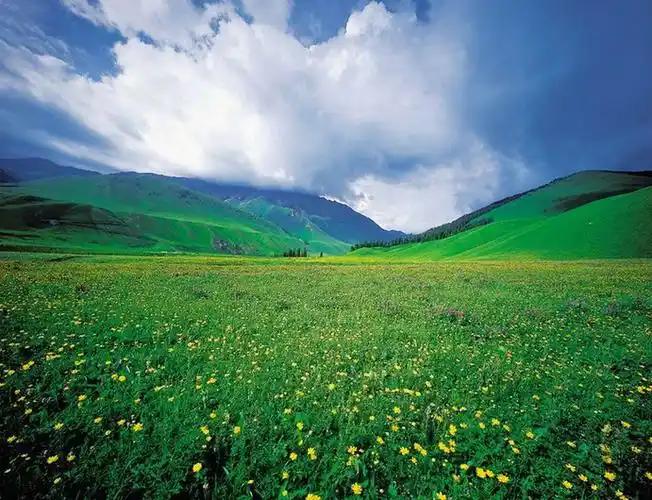
Geography decides your cup. In the Ili valleys, across Altay and Tacheng, the Kazakh families pour the salty version as a matter of course. Drive west into Bortala or south into Bayingolin and the Mongol households do the same, often with that rice-or-millet twist I mentioned. These are the autonomous prefectures where the province’s Mongol and Kazakh communities are concentrated, and the tea follows the people.
Move into the southern oasis towns, Kashgar or Hotan, and the habit shifts. There the milk tea tends sweet, and plain brick tea without milk is just as common. If you want the salty cup specifically, you find it where the yurts are, not where the date gardens are. Our guide to Xinjiang tea culture lays out the broader map if you want the sweet-and-brick side too.
Salt, not sugar: the logic of the steppe
It is fair to ask why anyone adds salt to tea. The practical answer is that nomad life runs on meat, dairy and bread, with little in the way of fresh vegetables for much of the year. A salty, milky tea replaces the salts you sweat out on a hot ride and sits easier on a heavy stomach than plain water. At altitude, on the Pamir or the high grasslands, that replacement matters more than it sounds.
There is history in it as well. Salt and brick tea were both trade goods, portable and durable, and the combination stuck because it worked for people who moved. The sweet version is the later, town-born cousin; the salty one is the original.
Sitting down with a Kazakh host
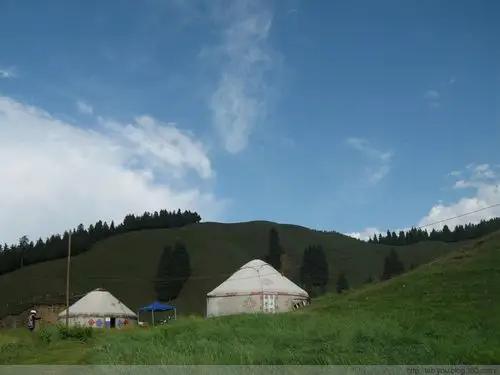
The best cup I had came with no explanation, only hospitality. We had stopped near a winter pasture to ask directions and were pulled inside instead. The woman of the house filled a small bowl, set it in front of me, and within minutes topped it up again. I learned quickly that the refill is the conversation. You do not drain the bowl if you want it to stop; you leave a little at the bottom and cover it with your palm when you have had enough.
She made hers with cow’s milk and a generous pinch of salt, and served it alongside cubes of boiled mutton and a round of nang. The tea cut the fat of the meat in a way I did not expect, and by the third small bowl I had stopped missing sugar entirely. If you want the wider food picture, our Xinjiang food guide covers what usually lands on the same table.
The Mongol version: suutei tsai
Among the Mongol families the drink has a name of its own: suutei tsai, literally “tea with milk.” It follows the same salt-and-tea logic but often carries more body, thanks to butter and sometimes toasted grains. The version in Xinjiang’s Mongol prefectures is close to what you would find across the border in Mongolia itself. For the curious, the Wikipedia entry on suutei tsai gives the cross-border context.
In practice the difference a traveller notices is texture. The Kazakh bowl is thin and quick; the Mongol one can feel like a light meal, especially in winter when the butter goes in by the spoonful.
Reading the refills: steppe tea etiquette
The etiquette is simple once someone shows you, and worth knowing because you will be offered the bowl more than once. Accept with both hands or at least a nod. Take a sip even if you are full; refusing the first bowl reads as refusing the host. When you want to stop, leave a small amount and tip your palm over the bowl, or simply say you have had enough and thank them.
Do not pour for yourself from the pot unless invited. The pouring is the host’s job and, quietly, the host’s way of telling you that you are welcome to stay. The street food crawls in the towns run on a different rhythm, but the yurt runs on this one.
How to ask for a cup without the words
Language is rarely a wall here. The characters nai cha are written the same across China, and pointing at someone’s bowl while smiling gets you most of the way. In Kazakh and Uyghur areas the word sounds closer to “shai” or “chay” with a milk gesture. Say you want it salty if you can, because in mixed towns the default may be sweet and you will end up back at the confused-sip stage I started with.
A useful trick: ask for it “like the herders make it.” That phrase, even in broken Mandarin, signals you came for the real thing and not the tourist sweetened version served in some city hotels.
A salty-cup trail across the region
If you want to plan around the drink rather than stumble on it, aim for the pasture corridors. The Ili grasslands in summer, the Altay road between Burqin and Habahe, and the Mongol villages around Bortala all deliver the salty version reliably. Time it with a homestay or a yurt stop rather than a hotel breakfast, because that is where the pot is actually on the stove.
In those spots you will also find the sweet contrast handy for comparison. Down in Hotan the rose tea shows what the oasis does with the same leaf and a lot of sugar, and the difference tells you exactly where you are standing.
Pairing the cup with road food
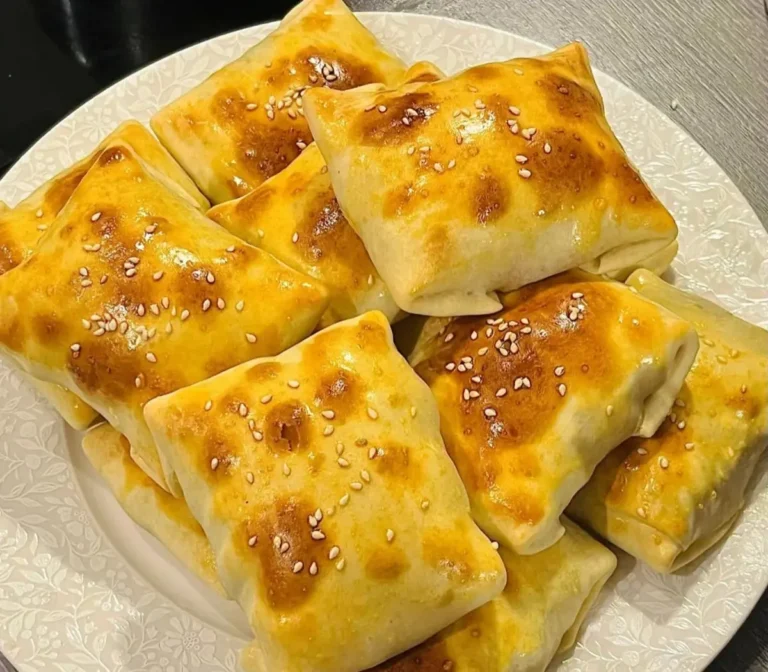
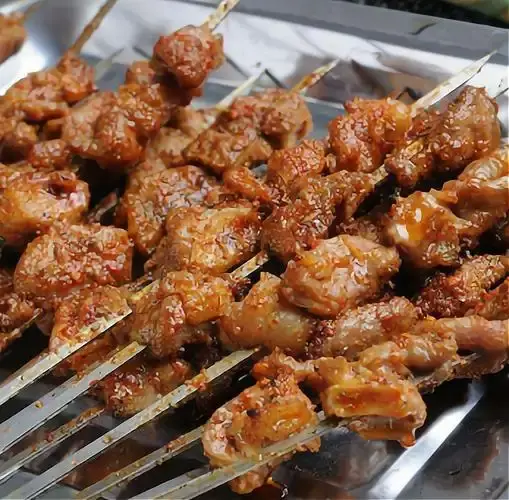
Salty milk tea rarely arrives alone. The standard partners are nang, the round baked bread that soaks up the last of the bowl, and whatever meat is cooking. At a roadside stop near the grasslands I watched a driver eat three pieces of nang dipped into his tea between bites of kebab, and it made more sense than any restaurant plate. For the kebab side of that habit, our kebab guide explains the skewers that usually share the table.
The pairing is functional, not decorative. Bread plus salty milky tea is filling, cheap, and stable across a day of driving where the next hot meal might be hours away.
A half-day yurt stopover plan
You do not need a long trip to meet the cup properly. Plan a morning drive to a pasture homestay, arrive before noon, and let the host pour. Stay for the second and third bowl rather than rushing; the conversation is the point. Eat what is offered, learn the palm-over-bowl stop signal, and buy a brick of tea on the way out if they sell it. Half a day spent this way taught me more about northern Xinjiang than a week of scenic stops.
Questions travellers ask about Xinjiang milk tea
Is the salt real, or did they mess up? Real. Salt is the defining ingredient in the northern nomad version, not a mistake.
Can I get it sweet instead? In southern oasis towns, easily. In Kazakh and Mongol areas, ask clearly, because salty is the default and some households keep no sugar.
Is it safe to drink? Yes, when made fresh with boiled water and pasteurised or boiled milk, which is the normal practice. If a roadside stall looks doubtful, the brick tea alone, boiled hard, is safe and common.
What is the difference from the milk tea in the cities? City chains serve a sweet, often fruit- or pearl-topped drink. The steppe version is savoury, plain, and built for function. They share a name and little else.
The honest limits of the salty cup
I should be straight about a few things. The salt content is real, and anyone on a strict low-sodium diet should treat it as an occasional cup, not a constant one. The recipe varies household to household, so any “authentic” claim about a single correct method is wrong; there are as many versions as there are stoves. And the best cups are found in private homes and yurt stays, which means the experience depends on being welcomed, not on buying a ticket. Details like specific homestay names and prices change, so confirm locally rather than trusting any fixed list.
Who wrote this Xinjiang milk tea guide
This guide was written by Karl Huang, who has spent several seasons travelling and driving across Xinjiang, from the Ili grasslands to the Pamir plateau. The observations about salty milk tea come from homestay and yurt stops rather than second-hand accounts. Where broader tea history is involved, the references point to established sources on brick tea and suutei tsai.