Published: July 25, 2026 | Author: Gareth Owen | Last fact-check: April 2025
My taxi driver in Korla laughed when I asked for Tiemenguan. “The city or the gate?” he said. That question sums up the small confusion every visitor runs into: Tiemenguan in Xinjiang is both a modern administrative city founded in 2012 and a two-thousand-year-old mountain pass eight kilometres north of Korla. This guide is about the old one – the Iron Gate Pass, where the Kongque River squeezes through a rock corridor that once controlled the middle route of the Silk Road. I walked the gorge in October 2023 and again in April 2025, paid for my own tickets both times, and took notes on prices, opening hours and the bits the brochures skip. Everything below comes from those two visits plus a fair amount of reading on Han and Tang dynasty frontier history, which is my day job as a history teacher.
Quick reference: Tiemenguan (Iron Gate Pass) at a glance
| Item | Details (checked April 2025) |
|---|---|
| Location | 8 km north of Korla city, Bayingol Prefecture |
| Entry ticket | 40 CNY adults; children under 1.2 m free |
| Opening hours | Roughly 09:30-19:30 in summer, shorter in winter |
| Time needed | 2-3 hours for the gate, gorge path and tomb |
| Getting there | Taxi or Didi from Korla, 20-30 CNY one way |
| Best months | April-May and September-October |
| Nearest base | Korla (full range of hotels and restaurants) |
| Don’t confuse with | Tiemenguan City, a separate new town 40+ km away |
Why Tiemenguan in Xinjiang mattered for two thousand years
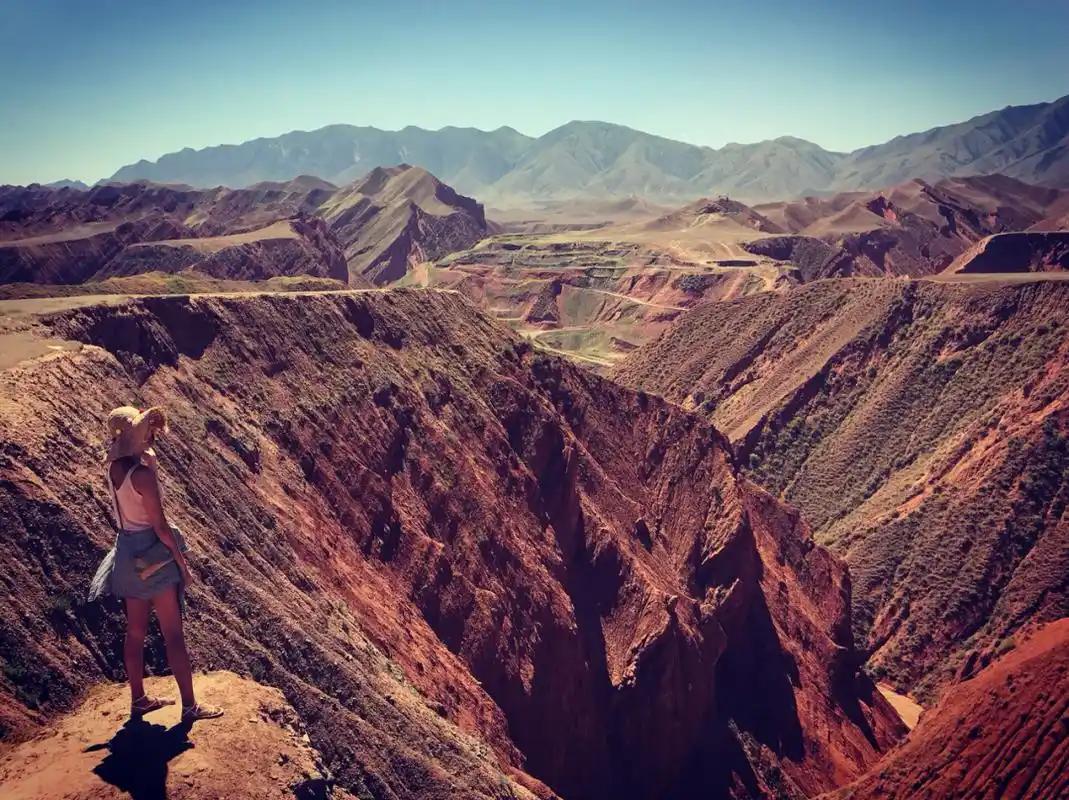
Chinese chroniclers counted twenty-six famous passes across the old empire, and the Iron Gate was the westernmost of them. The geography explains its rank. Between the Kuruktag hills and the southern spurs of the Tianshan, the Kongque River – the Peacock River – cut a gorge barely wide enough for a cart track. Anyone moving between the Turpan basin and the oasis towns of the Tarim had to file through this slot. Han dynasty officers garrisoned it when the Silk Road’s middle route opened; the Tang kept a fortified customs post here and taxed the caravans.
The frontier poet Cen Shen passed through in the 8th century and left a short poem about climbing the gate tower, which is now carved on a stone tablet near the entrance. Standing there in October with cold water noise bouncing off the rock walls, the lines feel less like literature and more like reporting. One honest note before you go: the gate tower you see today is a reconstruction from the 1980s. The original was lost long ago, and a hydropower dam built in the 1950s changed the river level. What is genuinely ancient is the gorge itself and the route through it – the stones under your feet, not the bricks above your head.
Walking the gorge: what my two visits were actually like
In 2023 I arrived at half past four in the afternoon, which turned out to be the right accident. Tour groups clear out by then. From the ticket gate a plank walkway follows the river upstream, pinned to the cliff in places, and for twenty minutes I had the whole corridor to myself – just the water, a pair of rock doves, and the smell of wet stone. The rebuilt tower photographs best from the far bank, looking back with the afternoon sun on it.
Past the gate, a side path climbs to the tomb of Tayir and Zohra, a Uyghur Romeo-and-Juliet pair whose story every Korla schoolchild knows. The elderly caretaker there told me the version where the lovers fled through the pass at night and drowned in the river together, their horse refusing to leave the bank. He told it half in Mandarin, half in gesture, and it was the best fifteen minutes of the day. Leave a small note of thanks in the visitor book if it is still there; mine was page after page of Chinese entries and exactly one in Welsh, which I contributed.
The April 2025 return visit was for the light. Spring melt made the river louder and the tamarisk along the banks had just greened up. If you only care about photographs, April mornings beat October afternoons – the gorge runs roughly north-south, so morning sun reaches deeper into the corridor.
Getting to the Iron Gate Pass
The pass sits just off the G218 north of Korla. There is no useful public bus, but this is not a problem:
- Didi or taxi from Korla: 20-30 CNY and about twenty minutes from the Peacock River embankment area. Ask for “Tiemenguan jingqu” (the scenic area), not just “Tiemenguan”, or you risk a very expensive ride to the new city. Getting a return car is easy at the gate in high season; off season, ask your driver to wait (expect 50-60 CNY per hour) or book the return on Didi from the ticket office, where signal is fine.
- From Korla’s airport or railway station: both are within a 40 CNY taxi ride. Korla itself is reachable by train from Urumqi (around 4-6 hours depending on service) or a short flight.
- Self-drivers: free parking at the entrance, and the approach road is ordinary sealed tarmac through gravel country – nothing technical.
For the wider region, my Korla travel guide covers the city end of the logistics, and if you are still choosing between regions, the north versus south Xinjiang comparison explains where Korla fits.
Best time to visit Tiemenguan
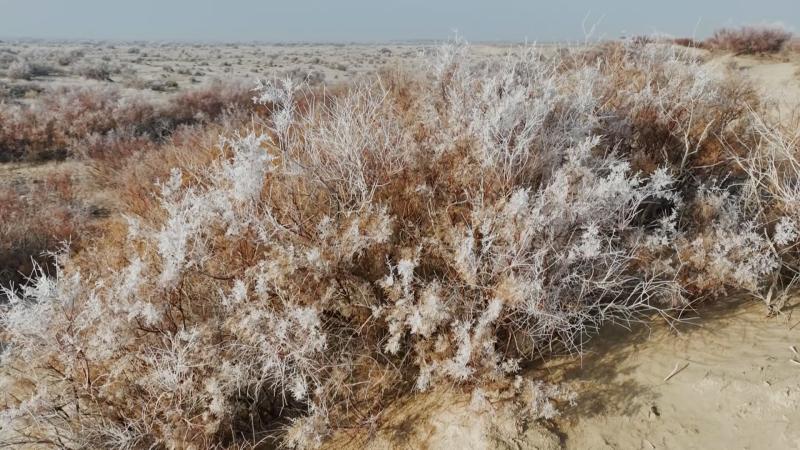
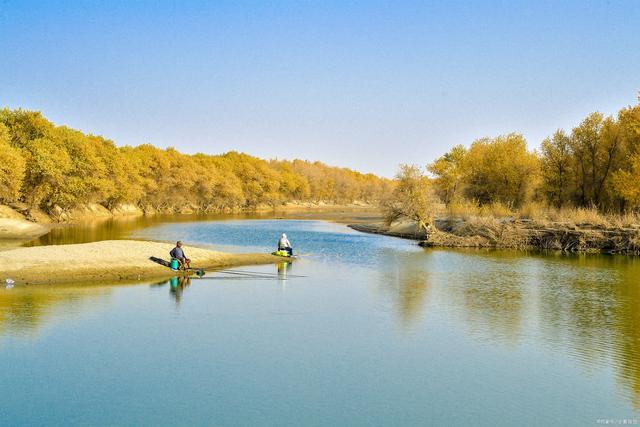
April, May, September and October are the comfortable windows. Summer works but Korla pushes past 35°C in July, and the gorge only shades you for part of the walk. Winter visits are possible – the site stays open – but the plank path ices up in patches and the caretaker told me the tomb path sometimes closes after snow. Two timing details worth stealing: go after 16:00 to miss the groups, or before 10:00 for the light. Late September adds a bonus, because Korla’s fragrant pear harvest fills the markets, and mid-October means the Tarim poplars an hour south are turning gold – the Luntai poplar forest pairs with the pass for a very good two-day plan.
Where to stay
Nobody sleeps at the pass; you base yourself in Korla, which has the best hotel stock in southern Xinjiang outside Kashgar. The area along the Peacock River is the sensible choice – domestic chains (Atour, Hanting and similar) run 200-400 CNY, and a couple of four-star options sit under 600 CNY. Booking ahead matters only during the October poplar season, when Korla fills up with photographers heading to Luntai. I stayed near Renmin Road both times and walked to the riverside night market for dinner, which settled the where-to-eat question without a single taxi.
What to eat nearby
There is a small tea and snack stall at the scenic-area entrance, decent for a pot of brick tea and not much else, so plan meals for Korla. Three things I would reorder tomorrow: the grilled fish that comes up from Bosten Lake (whole fish over charcoal, 80-100 CNY, feeds two); laghman with extra vinegar at any busy Uyghur place near the bazaar; and in autumn, Korla fragrant pears straight from a market crate – the small ones with thin freckled skin are the sweet ones, a trick a fruit seller demonstrated by making me eat three. Breakfast culture here is nang bread and milk tea; hotel buffets are skippable.
Practical tips from two visits
- Carry your passport. The ticket office scanned mine both times, and payment was WeChat or cash only – no card terminal.
- Say “Tiemenguan jingqu” to drivers. The scenic area and Tiemenguan City are different places 40-odd kilometres apart.
- The main gorge walkway is flat and fine for less mobile visitors; the Tayir and Zohra tomb path involves stairs.
- Ignore the private “photo point” hustlers outside the gate offering rides to a better viewpoint. The best angle is inside, from the far bank.
- No drone flying – signs are posted and staff enforce them.
- Half a day covers the pass. Rather than padding it, combine it with Korla’s riverside, Bosten Lake, or the descent toward Aydingkol Lake if you are driving on to Turpan.
A sample day built around the pass
- 08:30 – Breakfast nang and milk tea near Korla’s bazaar.
- 09:30 – Didi to the pass; walk the gorge while the light is still angled in.
- 11:00 – Climb to the Tayir and Zohra tomb; find the caretaker if you can.
- 12:30 – Return to Korla for laghman.
- 14:30 – Drive to Bosten Lake for the afternoon, or in October head south for the Luntai poplars instead.
- 19:30 – Grilled fish and a walk along the lit-up Peacock River.
Slotting the pass into a longer route is easy too – it sits naturally on day six or seven of a 10-day north-and-south loop.
FAQ
Is Tiemenguan worth visiting if the tower is a reconstruction?
Yes, with adjusted expectations. You go for the gorge, the river and the layered history of the route, not for original masonry. As a half-day out of Korla at 40 CNY, it earns its place.
How long do I need?
Two to three hours covers the walkway, tower and tomb at an unhurried pace. Photographers should add an hour and pick morning light.
Is there English signage?
Main boards carry brief English summaries; the poetry tablets and the tomb story are Chinese and Uyghur only. A translation app fills the gaps well enough.
Can I visit Tiemenguan on the way to Turpan?
Yes. The pass is just off the Korla-Turpan corridor, so self-drivers can stop for two hours en route and still reach Turpan for dinner.
What is the difference between the pass and Tiemenguan City?
The pass is the ancient scenic site by the Kongque River gorge. Tiemenguan City is a modern town established in 2012 under the Xinjiang Production and Construction Corps, with no tourist sights. Drivers need to know which one you mean.
Disclaimer: Prices, opening hours and access details reflect my visits in October 2023 and April 2025 and can change without notice, especially around public holidays. Verify locally before you travel. Historical background is summarised in good faith from standard published sources; this article is travel guidance, not academic work.
About the author: Gareth Owen teaches history in Cardiff and spends his long holidays walking old trade routes. He has travelled the Silk Road corridor through Gansu and Xinjiang on four separate trips since 2019, always independently and at his own expense. He fact-checks prices on site and keeps his notes in a battered exercise book his students find hilarious.