Published: July 8, 2026 | Author: Karl Huang
We pulled into the parking lot at 7 PM on a Tuesday in late September. Our driver, a sturdy Altay local named Batyr, killed the engine and pointed toward the horizon. “Wait ten minutes,” he said, grinning. “You’ll see.”
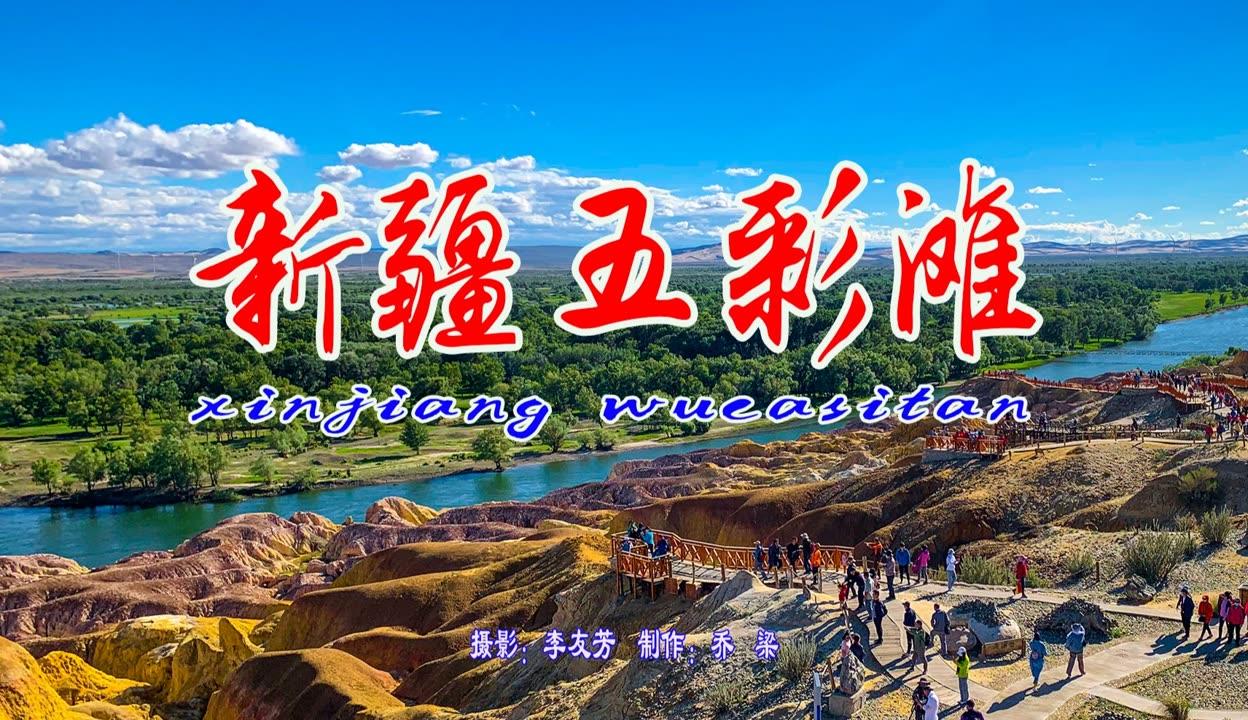
I’d read about Colorful Beach (Wucaitan) for years. Seen the photos. Watched the drone videos. But nothing — and I mean nothing — prepared me for what happened next. The entire riverbank, a chaotic sculpture garden of eroded clay and sandstone, lit up like someone had set the earth on fire from underneath. Reds, oranges, deep purples, streaks of white and grey, all shifting by the second as the sun dipped toward the Irtysh River.
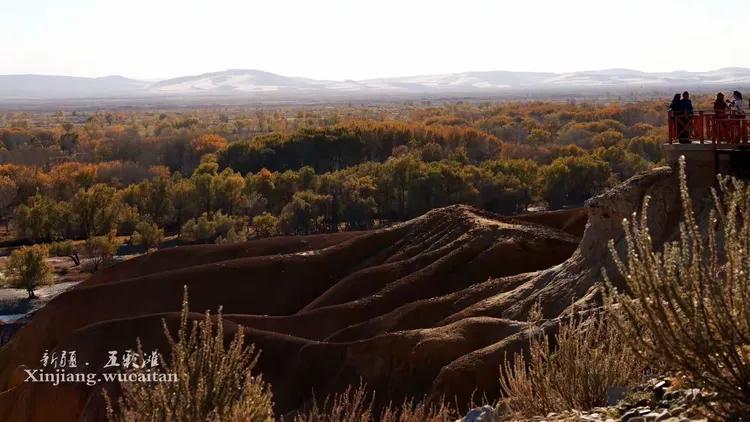
My travel partner Emma grabbed my arm. “Karl, look at that.” She wasn’t talking about the colors. She was pointing at the opposite bank, where a ribbon of golden poplar trees leaned over the green water, completely still. The contrast — harsh, jagged earth on one side, soft living forest on the other — is the kind of thing that makes you put your camera down and just stare.
That was three years ago. I’ve been back twice since. Here’s everything you need to know before you go.
Colorful Beach at a Glance
| Location | Burqin County, Altay Prefecture, northern Xinjiang |
| Distance from Burqin town | About 24 km (30 min drive) |
| Entrance fee (2024-2026) | 48 RMB per person |
| Best time to visit | September to early October (golden poplar season) |
| Sunset timing (Sept) | Around 7:30 PM – 8:30 PM (golden hour) |
| Photography | No drones allowed inside the scenic area; bring a tripod for sunset |
| Facilities | Boardwalks, viewing platforms, souvenir stalls, basic toilets |
| Altitude | Approximately 480 meters above sea level |
What Exactly Is Colorful Beach?
Let me be clear about what you’re looking at, because the name is a bit misleading. This isn’t a beach with sand and waves. The Chinese word tan (滩) means a shoal or riverbank. What you’re seeing is a Yadan landform — a landscape of wind- and water-eroded sedimentary rock that stretches along the south bank of the Irtysh River (also called Ertix River, China’s only river that flows into the Arctic Ocean).
The colors come from different mineral compositions in the rock layers. Iron oxide gives you the reds and oranges. Calcium carbonate creates the whites. Manganese and other trace minerals contribute purples and dark greys. It’s geology doing what geology does over millions of years, accelerated by the relentless wind that funnels through this river valley.
We climbed the wooden boardwalk to the highest viewing platform. From there you can see the full sweep of the eroded formations — hoodoos, ridges, and channels that look like someone took a very large knife to a very large cake. Batyr told us that local Kazakhs have names for individual formations, though most have been forgotten as younger people move to the cities.
Why Sunset Is the Only Time That Matters
I’m going to be direct: if you show up at noon, you’ve wasted your trip. The colors are there, sure, but they’re flat. The formations look like what they are — weathered clay and rock under a harsh overhead sun.
Show up 90 minutes before sunset. That’s the sweet spot. The light comes in low and warm, and every ridge and channel casts a shadow that makes the colors pop. The Irtysh River, which runs calm and green along the north bank, turns to liquid gold as the sun hits the water.
On our second visit, we made the mistake of arriving at 4 PM. Wandered around, got hot, took some photos that looked fine but not special. Then 7 PM rolled around and the entire place transformed. We ended up staying until it was too dark to see the boardwalk properly. Emma tripped on a step because she was looking at the sky instead of her feet. Worth it, she said.
Photography tip from someone who learned the hard way: the best shots are from the middle viewing platforms, not the highest one. The highest gives you the broadest view, but the middle platforms let you frame individual formations with the river in the background.
How to Get There
Colorful Beach is remarkably easy to reach, which is unusual for a Xinjiang attraction. Here’s the breakdown:
From Burqin town: This is your base. Burqin is a small, tidy town on the Irtysh River, about 2.5 hours by car from Altay City (the regional capital with an airport). From Burqin, it’s a straight 24 km drive north along a paved road. Taxis wait at the scenic area parking lot to take you back — negotiate the return fare before you go in, about 50-80 RMB.
From Kanas Lake: If you’re doing the classic northern Xinjiang loop (Kanas → Hemu → Burqin), Colorful Beach sits conveniently on your way back toward Urumqi. It’s about 130 km from the Kanas scenic area entrance, or roughly 2.5 hours by car. Most Kanas tour drivers will include it as a stop on the return leg — if yours doesn’t mention it, ask.
From Urumqi: It’s a long drive — about 650 km, or 8-9 hours. Most people break this into two days, overnighting in Burqin or just pushing through to Kanas directly and visiting Colorful Beach on the way back.
Public transport: There are buses from Burqin to the scenic area, but they’re infrequent and you’ll be stuck with their schedule, which doesn’t work for sunset. A taxi or rented car gives you the flexibility to stay for golden hour.
The Best Season (and Why September Wins)
Xinjiang has four distinct seasons, and they all look different at Colorful Beach. But one clearly wins.
September to early October (rated: ⭐⭐⭐⭐⭐): This is the one. The poplar trees (Populus euphratica) on the north bank of the Irtysh turn a luminous gold. The contrast between the golden forest, the green river, and the multicolored south bank is the signature image of Colorful Beach that you’ve seen in every travel brochure. The weather is crisp, the summer crowds have thinned, and the light has that low-angle quality that makes everything look better.
June to August: The poplars are fully green, which is pretty but not the iconic look. The days are long (sunset after 9 PM), which means you’ll be waiting around a while if you want sunset photos. Temperatures can hit 35°C (95°F) in July. Bring water and sun protection.
April to May: Spring thaw. The river swells with snowmelt, sometimes muddy brown. The poplars are just leafing out, small and pale. Not the best time for photography, but the place is nearly empty and the entrance fee is the same.
November to March: Extremely cold. The Irtysh can partially freeze. Snow occasionally dusts the colorful formations, which creates an interesting (if bleak) contrast. Only for the dedicated winter traveler — and check road conditions, as passes can close after snow.
Where to Stay
Burqin is where you’ll sleep. The town has gone through a tourism upgrade in the past five years, and there are now decent options at multiple price points.
Budget (80-150 RMB/night): Local guesthouses near the riverside pedestrian street. Basic, clean, often family-run. The owners usually speak some Mandarin and will point you toward the best grilled fish in town. Book ahead if you’re traveling in September — the golden poplar season fills rooms fast.
Mid-range (200-400 RMB/night): Branded hotels have arrived in Burqin. Nothing fancy by big-city standards, but you get reliable hot water, decent beds, and sometimes breakfast. Look for places along the main road (People’s Road) for the easiest access to both the town center and the road to Colorful Beach.
Upper mid-range (400-700 RMB/night): A few newer places have opened that cater to domestic Chinese tour groups. They’re clean, have decent Wi-Fi, and the front desk can usually help arrange a car to Colorful Beach. Check reviews before booking — some are better at marketing than hospitality.
We stayed at a mid-range place on the edge of town. The room was fine. The real value was the owner, who drew us a hand-drawn map of exactly where to stand at Colorful Beach for the best sunset shot. That map was more useful than any guidebook.
What to Eat in Burqin
Burqin’s food scene revolves around two things: the Irtysh River’s fish and the local Kazak influence. Here’s what you shouldn’t miss.
Grilled Irtysh fish (额尔齐斯河烤鱼): The river has several native fish species, and the local preparation — butterflied, skewered, and grilled over charcoal with cumin and chili — is outstanding. The riverside pedestrian street in Burqin is lined with open-air grills in the evening. A serving for two runs about 80-120 RMB. Go early (around 8 PM) or you’ll be in a long queue.
Kazak milk tea (哈萨克奶茶): Salted tea with milk, sometimes with added butter or fried rice. It’s an acquired taste if you’re used to sweet milk tea, but it’s the traditional way to start a cold morning in the Altay region. Most guesthouses will serve it at breakfast.
Cold noodles (凉面 / 黄面): A Burqin summer staple. Wheat noodles served cold with a sesame-based sauce, shredded cucumber, and chili oil. Light, cheap (15-25 RMB), and perfect after a hot day at Colorful Beach.
Wild mushroom dishes: The Altay Mountains produce edible fungi in late summer and autumn. If you see them on a menu (usually stir-fried with garlic or in an omelet), try them. They have a dense, earthy flavor that’s completely different from supermarket mushrooms.
Practical Tips That Actually Matter
I’ve made enough mistakes traveling in Xinjiang to fill a small book. Here are the ones specific to Colorful Beach:
1. The wind is no joke. The Irtysh River valley acts as a wind tunnel. In autumn, gusts can hit 40-50 km/h. If you’re bringing a tripod (and you should for sunset shots), bring weight to stabilize it, or use your backpack as a counterweight. I watched a traveler’s tripod tip over into the river because he underestimated the wind.
2. There’s almost no shade. The south bank (where the colorful formations are) is essentially a naked landscape. No trees, no rocks to huddle under. In summer, bring a hat and sunscreen. In autumn, bring layers — the temperature drops fast once the sun goes down.
3. Boardwalks only. You’re not allowed to walk on the formations themselves. This is strictly enforced, and it’s a good thing — the eroded clay is fragile and footprints would be permanent. Stick to the wooden boardwalks and viewing platforms. They’re well-designed and give you good sightlines.
4. Cash is useful. Entrance tickets can be bought by mobile payment (Alipay/WeChat Pay), but some of the small souvenir stalls outside the entrance may prefer cash. If you’re relying on foreign cards, don’t — set up Alipay or carry sufficient RMB. Our money guide covers this in detail.
5. Toilets are basic. There are flush toilets near the entrance and at the main viewing area. They’re functional but don’t expect luxury. Carry tissue. Always.
6. Get altitude right. You’re at only about 480 meters here, so altitude sickness isn’t a concern. If you’re continuing to Kanas (which sits at 1,370 meters) or the Friendship Bridge area (higher still), read our altitude sickness guide before you go higher.
A Half-Day Itinerary (The One We Wish We’d Had)
If you’re coming from Burqin and have an afternoon to spend, here’s a timeline that works:
3:00 PM: Arrive in Burqin town, check into your hotel, drop your bags. Grab a late lunch — the grilled fish place on the pedestrian street, or cold noodles if it’s a hot day.
5:00 PM: Take a taxi or drive to Colorful Beach (24 km, 30 minutes). Buy your ticket and start walking the boardwalk. The formations look different from every angle — don’t rush.
6:30 PM: Find your spot on one of the middle viewing platforms. Set up your camera if you brought one. If not, just sit. The light starts to change around now.
7:30 PM (golden hour): This is it. The colors peak. Take your photos, but also put the phone down for five minutes. The photos won’t capture the scale or the silence.
8:30 PM: Head back to Burqin. The taxi queue can be long at this time — either wait it out or pre-arrange a pickup with your driver.
9:00 PM: Dinner on the pedestrian street. The grilled fish tastes better after a sunset.
Frequently Asked Questions
Can I visit Colorful Beach and Kanas Lake on the same day?
Technically yes, but it’s a long day. Kanas is about 130 km away (2.5 hours by car). Most people visit Kanas and Hemu over 2-3 days, then stop at Colorful Beach on the drive back to Burqin. That’s the smarter approach.
Is Colorful Beach worth it if I’m not a photographer?
Yes. The landscape is unusual enough that it’s interesting even if you never take a photo. My dad, who shoots everything on an iPad and doesn’t care about “golden hour,” still talks about the colors three years later.
Are drones allowed?
No. The scenic area prohibits drone flight. There are signs in both Chinese and English at the entrance. I’ve seen people try to sneak launches from the parking area — park rangers have good eyes and the fines aren’t worth it.
Is it accessible for older travelers or people with mobility issues?
Mostly yes. The boardwalks are well-maintained and have handrails. There are some stairs between viewing levels, but nothing extreme. Someone with limited mobility could enjoy the main platform without a problem.
What should I wear in September?
Layers. T-shirt and light jacket during the day (it can hit 20°C / 68°F), then a fleece or down vest for sunset (it can drop to 5°C / 41°F after dark). The wind makes it feel colder than the thermometer says.
Is there cell phone signal?
Yes, China Mobile and China Telecom both have coverage at the scenic area. Don’t expect high-speed data everywhere on the boardwalk, but calls and basic messaging work fine. If you need to stay connected, check our SIM card guide.
A Note on Expectations
Colorful Beach isn’t the Grand Canyon. It’s not even the most dramatic landscape in Xinjiang — that honor probably goes to the Tianshan range or the desert highways. What it is, though, is accessible, photogenic, and genuinely beautiful in a way that doesn’t depend on hype.
Go at the right time (sunset, September), bring a layer for the wind, and give yourself at least 90 minutes. Don’t try to squeeze it into a 30-minute whistle-stop on a bus tour. It deserves better than that.
And if you’re traveling with someone who’s never been to Xinjiang before, this is the place to bring them. The contrast between the weathered earth and the living forest across the river is immediate and wordless. You don’t need to explain it. You just stand there and look.
Disclaimer: Entrance fees, hotel prices, and transportation costs mentioned in this article are based on our visits between 2023 and 2025. Prices in Xinjiang can change from season to season, and post-pandemic tourism recovery has led to occasional price adjustments. Always verify current rates on the official scenic area website or by calling ahead. Weather conditions, road access, and opening hours can also vary — check locally before you travel. This article contains affiliate links to booking platforms; we may earn a small commission if you book through them, at no extra cost to you.
About the Author
Karl Huang is a travel writer and photographer who has spent the past decade exploring China’s western regions. He first visited Xinjiang in 2019 and has returned six times since, drawn back by the landscape, the food, and the stubborn sense that most travel writing about the region barely scratches the surface. He edits Xinjiang Travel Guide and believes that the best travel advice comes from people who’ve actually been there, not people who’ve read about it.