Published: August 14, 2026 | Author: Karl Huang
Most travel guides tell you what to photograph. This one is about when to keep the camera down. Xinjiang photography etiquette is not a polite extra here; it is the line between a friendly exchange and a ruined morning, between a portrait you are proud of and a file you delete on the spot. I have carried a camera through this region on three separate trips, and the lesson that stayed with me had nothing to do with lenses or golden hour. It was about reading a person before raising the viewfinder.
You should weigh this advice against your own judgement, not take it on faith. These points come from mistakes I made in the field: I once lifted my camera at a Kashgar vendor before he was ready, I lingered too long outside a border post near the Kyrgyz line, and I almost lost a memory card at a checkpoint because I fumbled a simple question about what I had filmed. None of it was meant badly. All of it was avoidable. The guide below is the one I wish I had read first.
Quick Reference: Do and Don’t
| Situation | Do this | Skip this |
|---|---|---|
| Photographing a stranger | Ask, show the screen, offer to send the photo | Long lenses from across the street |
| Inside a mosque | Check with staff; cover shoulders; no shoe shots | Filming sermons or people mid-prayer |
| Markets and bazaars | Ask sellers; buy something first | Staging “poverty” frames |
| Military, police, borders | Lower the camera completely | Any photo of fences, guards, vehicles |
| Drones | Register; check no-fly zones | Flying near airports, passes, towns |
| Children | Ask a parent; never pay to pose | Candy bribes for “cute” shots |
What I Learned the Hard Way in Kashgar
On my second morning in Kashgar’s old town I found an old man roasting walnuts over coals, smoke curling past a wall of dried apricots. The light was exactly right. I raised my camera. He waved me off, not angry, just firm. I lowered it, bought a small bag of walnuts, and tried again through a translation app and a few broken Uyghur words. He nodded, posed for one frame, then laughed and scrolled through his own phone gallery of grandchildren. That ten-minute detour taught me more about Xinjiang photography etiquette than any list I had read.
The pattern repeats. People here are often glad to be photographed once they understand you see them as a person and not a prop. The camera is the easy part. The conversation is the real shot.
The second lesson came at a checkpoint on the road south. An officer waved us over, glanced at my camera bag, and asked what I had been filming that morning. My Mandarin stalled, my Uyghur was worse, and for a tense moment I just held out the camera. He scrolled, saw only rooftops and a donkey cart, and waved us on. He was doing his job. I had given him a reason to wonder. Since then I tell every guesthouse and every officer the plain truth up front: I am a travel photographer, here for the light and the streets, not for anything sensitive. That sentence has saved me more time than any permit.
Getting to the Spots and Carrying Gear
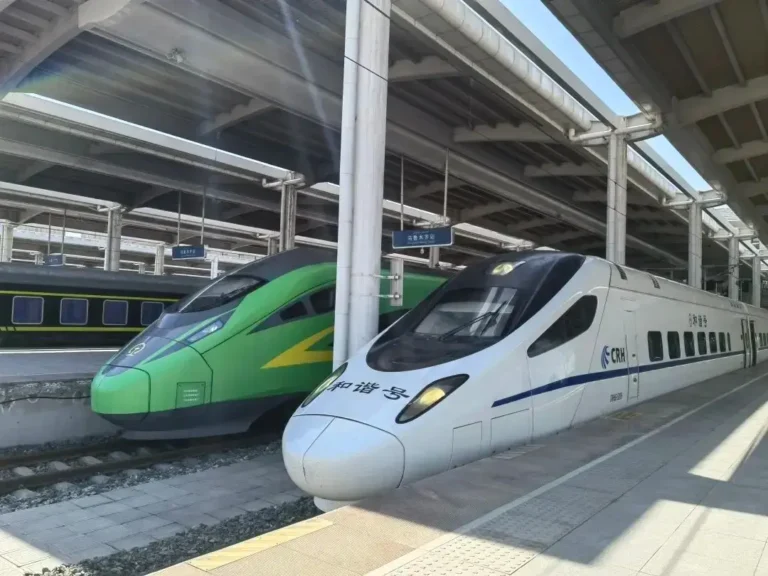
Most of the sensitive sites sit far from the nearest airport. We reached the Pamir towns by shared 4×4 out of Kashgar, and the lakeshore at Karakul by a bumpy two-hour drive that left my backpack rattling. Keep your kit light: a sling bag beats a roller case on cobbled lanes, and a small prime lens draws less attention than a white telephoto that screams “tourist with a plan.” On the train from Urumqi I kept the camera in the soft case under the berth rather than on the table; it reads as normal luggage and nobody asks twice. Mention your camera at hotel check-in. Some remote guesthouses register foreign guests, and a calm explanation up front spares you a second, more official conversation later.
Best Time for Light and for Permission
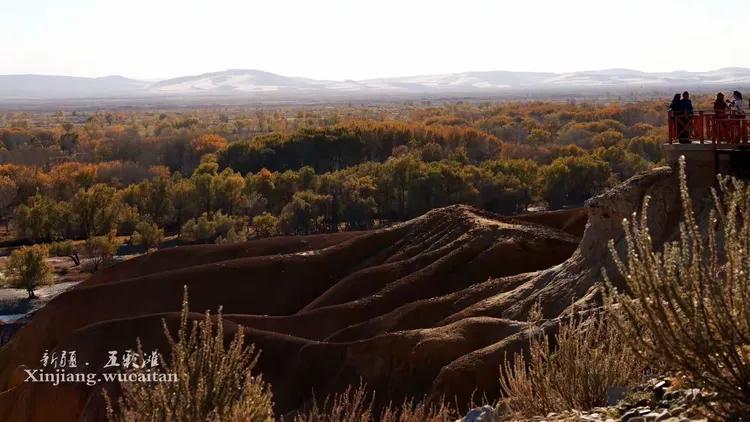
Autumn, from late September into October, gives the cleanest skies and the famous poplar gold, but it is also when communities are most visible during festivals and most protective of their space. Early light in the old towns means near-empty alleys; our day-by-day photography itinerary maps the hours so you are not tripping over tour groups at noon. Spring apricot blossom draws family picnics into the open, and that is exactly when you should ask before framing a stranger’s lunch. Winter brings clean, low sun and frozen reed beds, but blue hour ends fast and you will be packing up in the dark by five. Summer is hazy and crowded; shoot at the edges of the day and accept that midday is for editing, not for frames.
Where to Stay for Early Shoots
Staying inside Kashgar’s old town cut my walk to first light to about four minutes, which matters when blue hour lasts twenty. Guesthouses there are used to photographers slipping out at 5:30 a.m. with a muttered thanks. Up in the Pamirs, a guesthouse near Tashkurgan let me catch sunrise on the snow peaks without a long pre-dawn drive. Book ahead in autumn; the Kashgar city guide points to the neighborhoods worth the walk. In Hotan I stayed a ten-minute walk from the Sunday bazaar, which meant I arrived before the worst of the dust and the crowds, and left with portraits the sellers had actually agreed to.
Markets, Meals and Respect
Food is the easiest subject and the easiest to mishandle. At the Kashgar livestock bazaar and the Hotan Sunday bazaar, sellers love showing their animals and wares, but ask before you shoot the person, not just the stall. At a noodle stand, a quick “Rasim?” (may I?) and a thumbs-up after you buy keeps everyone at ease. During daytime Ramadan, do not photograph a fasting person in a way that suggests they are doing something unusual by simply sitting out a meal. The same rule applies to any faith: a closed door or a turned shoulder is an answer, and you respect it by lowering the camera.
Xinjiang Photography Etiquette: The Rules We Actually Follow
After three trips the list boils down to a handful of habits:
- People first, camera second. Ask out loud or with a clear gesture. Show the screen. Offer to send the photo over WeChat; most folks light up at that.
- Mosques and worship. Ask staff before any interior frame. Cover your shoulders, and never photograph someone mid-prayer or film a sermon. The exterior from a public plaza is usually fine.
- Military, police, borders. Zero photos. Fences, vehicles, guards, checkpoint booths, put the camera away completely. This is the single rule that gets visitors into real trouble, and there is no artistic exception.
- Drones. Register before you fly and check no-fly zones daily. Never launch near airports, mountain passes, or town centers. Our Xinjiang drone rules guide walks through the current limits, and they shift more often than the weather.
- Children. Ask a parent, never pay a child to pose, and skip the candy bribe for a “cute” frame. A wave and a parent’s nod is enough.
- Markets. Buy before you shoot. Do not stage scenes that paint poverty for effect; the people you meet are running real businesses, not a set.
- If stopped. If an officer asks what you filmed, answer plainly and let them look. A deleted file is cheaper than an argument, and most checks end there.
A Respectful Photographer’s Day in Kashgar
Here is a rhythm that worked for us:
- 5:40 — Leave the guesthouse; blue-hour alleys, no people yet, safe to shoot architecture.
- 8:30 — Breakfast stall. Ask, then buy samsa before any photo.
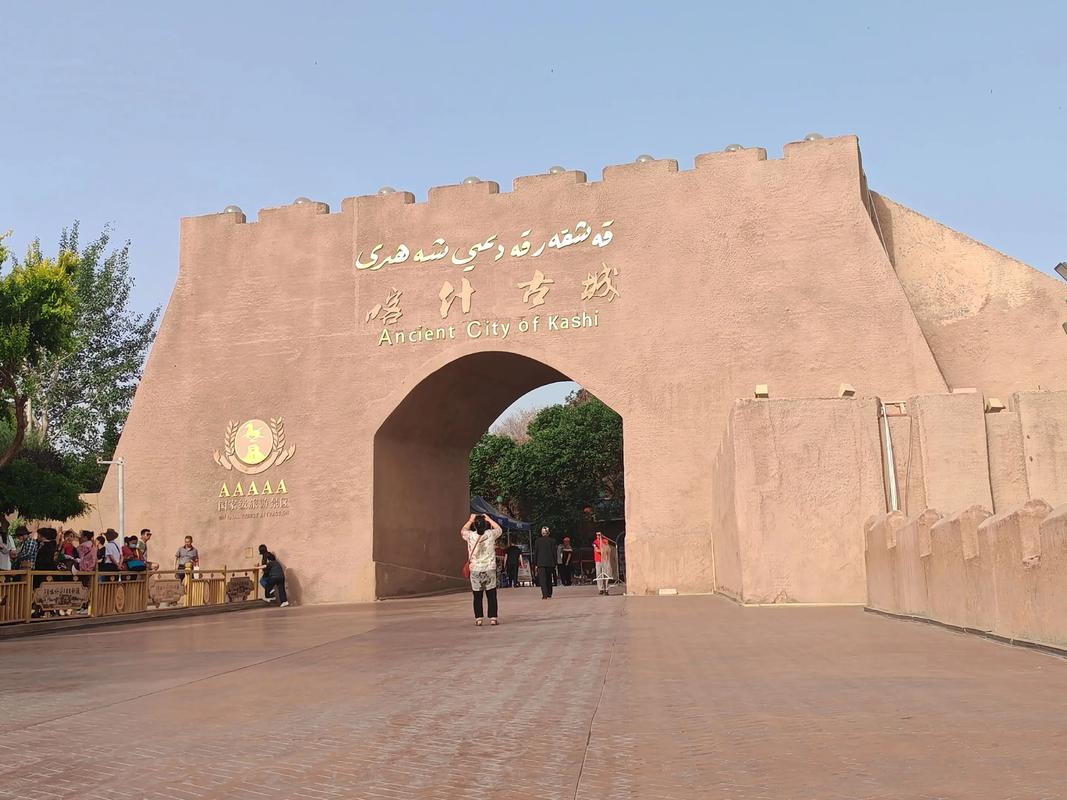
- 10:30 — Id Kah exterior from the plaza; no interior without permission.
- 13:00 — Livestock bazaar; ask each vendor, keep a wide angle, skip close-ups of faces without a yes.
- 17:00 — Tea house rooftop; frame rooftops and minarets, not the customers below.
- 20:00 — Edit and send the two photos I promised.
Frequently Asked Questions
Can I photograph local people?
Yes, if you ask first and respect a “no.” A smile and a phone preview go further than any long lens.
Are drones banned in Xinjiang?
Heavily restricted, not flatly banned. Register, watch no-fly zones, and keep clear of passes, airports, and towns. See the drone guide above.
What if police ask to see my camera?
Comply calmly. Show the files they ask about, answer simply, and delete if requested. Most checks end quickly.
Is it rude to take pictures in mosques?
Often, yes, without permission. Ask staff, dress modestly, and never shoot worshippers at prayer.
Do I need a model release?
Not for personal travel photos in public, but asking is the right thing and saves awkwardness later.
Disclaimer
Disclaimer: This guide reflects personal travel experience and was last reviewed in August 2026. Border, drone, and photography rules in Xinjiang change without notice and are enforced unevenly from place to place. Always confirm current regulations with the Ministry of Public Security or your own embassy before you travel, and follow every instruction given by local authorities on the ground. We are not legal professionals, and nothing here is legal advice.