Published: August 22, 2026 | Author: Karl Huang
Most visitors come to Xinjiang for the mountains and the deserts, and they leave without ever lifting a pair of binoculars. That is a real miss. Birdwatching in Xinjiang opened up a side of the region I had driven past for years without noticing: a whooper swan lifting off a frozen lake at dawn, a flock of geese threading the gap between two snow ranges, the thin whistling call of a crane you never actually see. This guide comes from three field trips I made between 2023 and 2025, plus the notes I kept because I kept getting the seasons wrong the first two times.
Why you can trust this guide
I am not a professional ornithologist. I am a travel writer who got pulled into birding by a guide in Korla, and I have since logged about 140 species across the province. Everything below is based on trips I actually took, permits I actually applied for, and mistakes I actually made (the biggest one: showing up at Bosten Lake in August, when most of the birds had moved on). Where I cite a figure, it comes from the reserve management office or a provincial forestry bulletin, not from memory. If a detail changes – and border rules in this part of China change often – I note it.
Quick reference
| Site | Best window | Signature birds | Base town |
|---|---|---|---|
| Bosten Lake | Apr-May, Nov-Feb | Whooper swan, geese, grebes | Korla |
| Sayram Lake | May, Sep-Oct | Swans, gulls, waterfowl | Wenquan / Bortala |
| Bayanbulak wetland | May-Sep | Whooper swan, cranes | Hejing |
| Ebinur Lake | Apr-May, Sep-Oct | Flamingos, migratory waders | Bortala |
| Kanas & Altay rivers | Jun-Aug | Grouse, owls, songbirds | Burqin / Altay |
What I saw on my first real birding trip
The trip that hooked me was a cold morning in early May 2023 at Bosten Lake, about an hour south of Korla. My guide, a retired forestry worker named Old Ma, parked the car on a dirt track and killed the engine. For maybe ten minutes nothing happened. Then the reeds in front of us shifted, and a pair of whooper swans climbed into the air so close I could hear the push of their wings. Old Ma counted eleven swans before the light got too flat to see. I had driven past this lake twice before and never stopped. That was the day I understood the point.
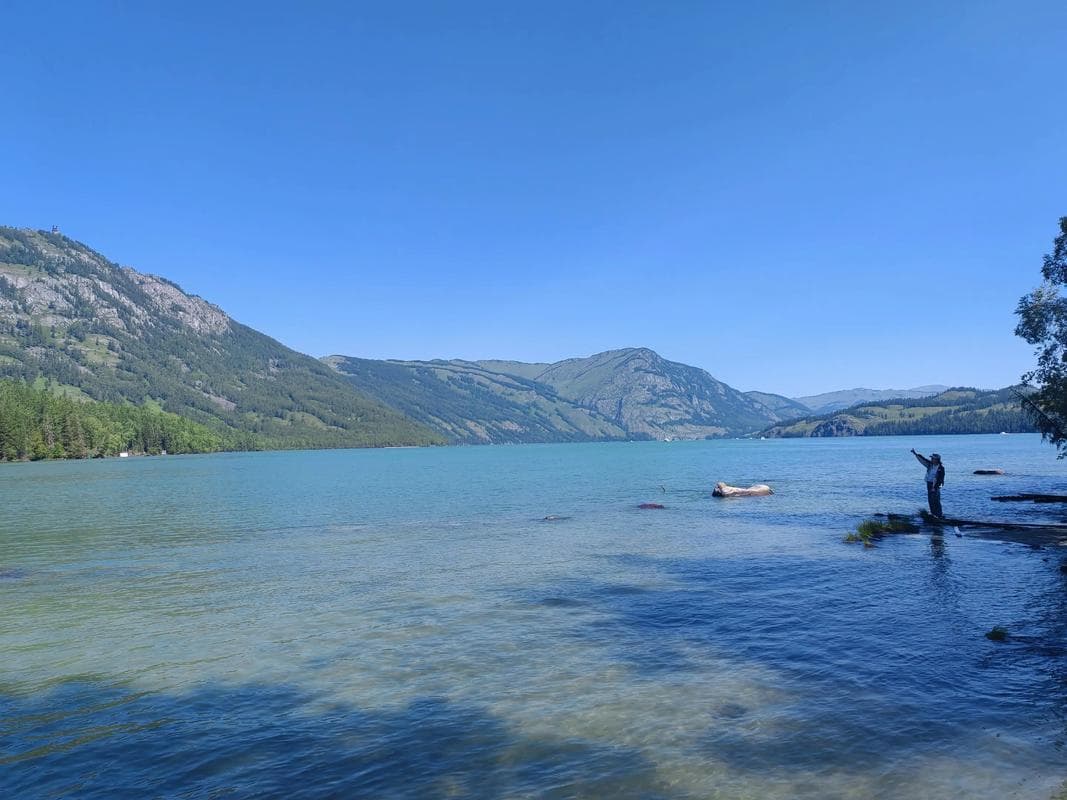
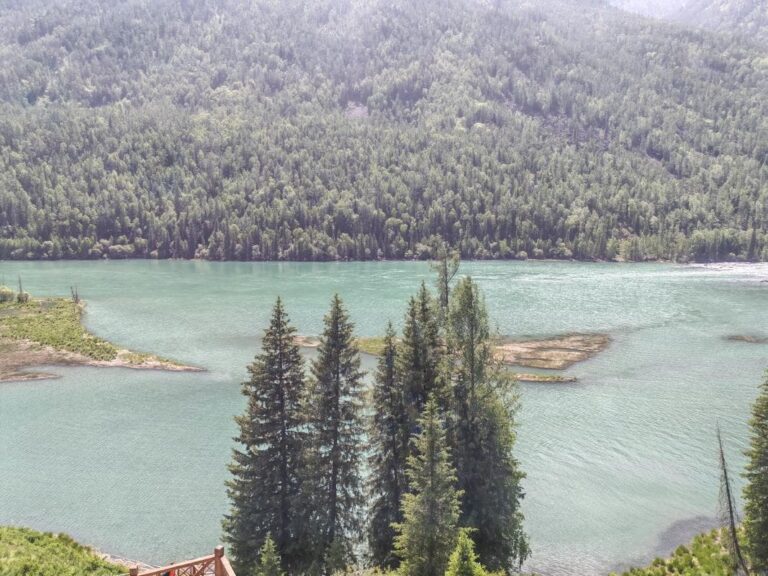
Later that same week we drove up to Kanas Lake in the Altay, where the birding is different – more forest birds than water birds. At dawn the taiga was full of small movements: nutcrackers working the pine cones, a hawk I could not name dropping through the mist. You will not tick off big lists here, but the setting makes up for it.
Birdwatching in Xinjiang: the four regions that matter
Xinjiang sits on two migratory flyways, the Central Asian and the East Asian-Australasian, which means spring and autumn bring birds down from Siberia and up from the tropics. The province splits usefully into four zones for a birder.
The Tarim Basin wetlands. Bosten Lake is the headline site and the one I keep returning to. It is the largest inland freshwater lake in Xinjiang and a registered nature reserve. Winter brings the swans; spring brings the migration surge. Read the background in our Bosten Lake guide before you go, because access points change with the water level.
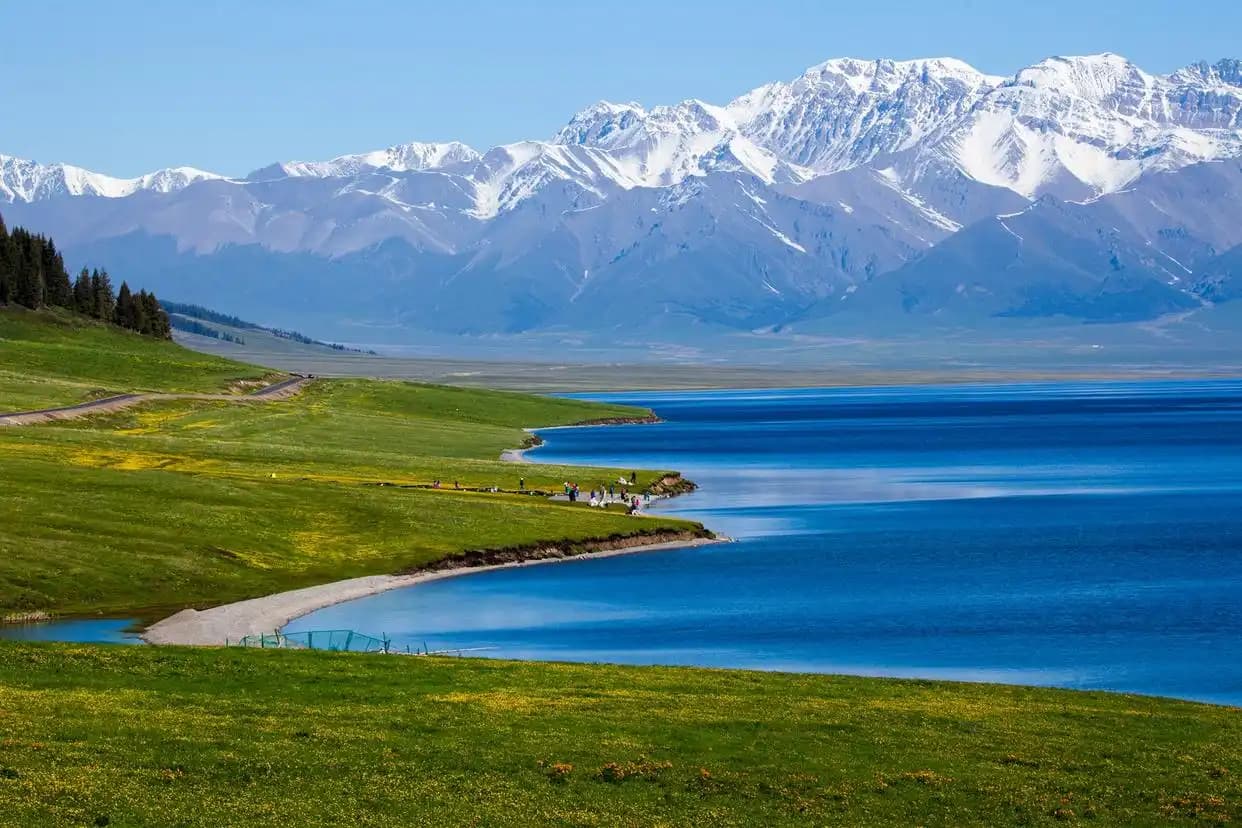
The northern alpine lakes. Sayram Lake, the highest large lake in Xinjiang at about 2,070 meters, sits on the old Silk Road corridor west of Bortala. We covered it in the Sayram Lake guide. The shoreline in late September was quiet, with a few late swans and a lot of gulls riding the wind off the water.
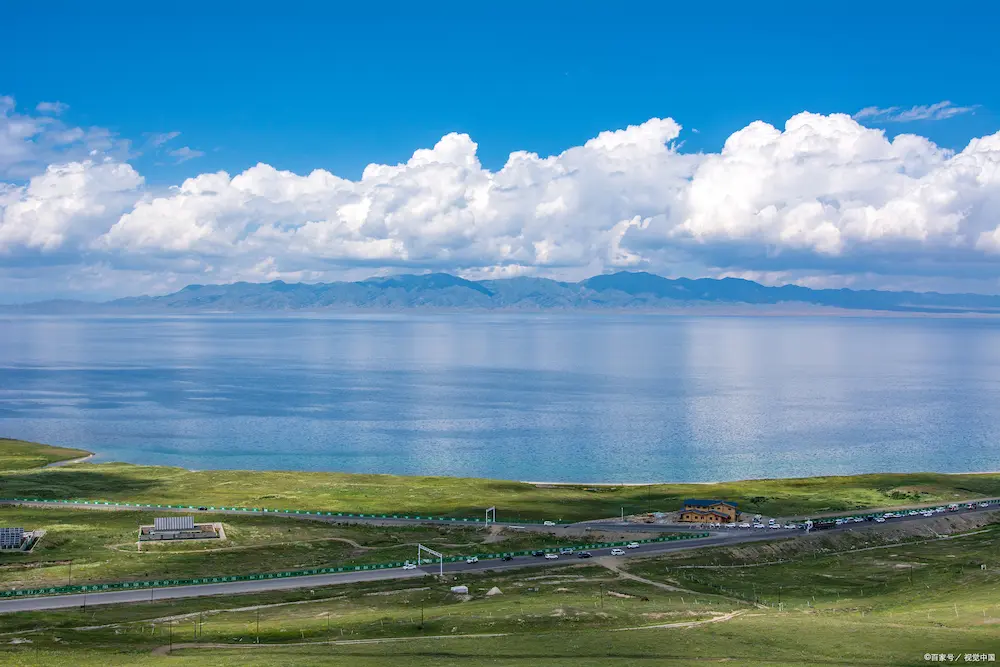
The Bayanbulak plateau. This is the largest wetland in Xinjiang and the place to see whooper swans in summer, including the chicks. Our Bayanbulak Swan Lake page explains the nine-turn river and the viewing restrictions – you watch from a boardwalk, not from the grass.
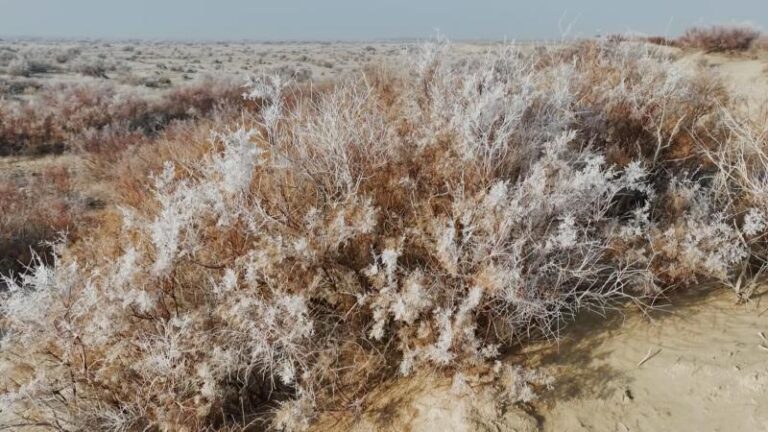
The northwest salt lakes. Ebinur Lake, near Bortala, is a shrinking saltwater lake that still pulls in flamingos and huge numbers of migratory waders on the Central Asian flyway. The Ebinur Lake guide has the access notes, and a warning: the lakebed is soft, and you do not walk out onto it.
How to get to the birding sites
Almost every good site is far from an airport, so transport matters more than usual. Korla has a small airport with flights from Urumqi, and it is the gateway to Bosten Lake. Bortala and Wenquan sit on the rail line and the highway to the Ili valley, which puts both Sayram and Ebinur within reach. Bayanbulak needs a long drive from Hejing or Korla on mountain roads that close in heavy snow.
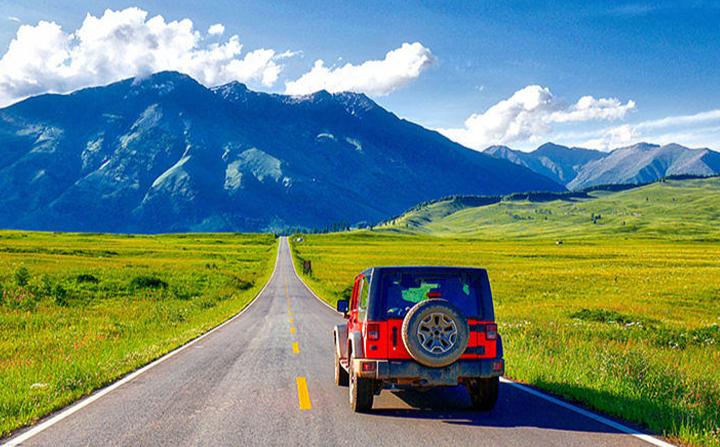
For the freedom to reach quiet spots at first light, a car helps. Our self-drive Xinjiang guide covers the logistics, including the rule that you carry your passport at all times in this region. Most reserves are reached by paved road followed by a final stretch of track, so a normal sedan works in dry season but a higher vehicle is safer in spring mud.
Best time to go
There is no single best month, because the birds are not here all at once. If swans are your target, go in winter (November to February) for Bosten and Bayanbulak, or in late April and May when the spring migration peaks. For breeding forest birds in the Altay, June through August is the window. Autumn (September to October) is good for cranes and raptors moving south. I would avoid July and August at the lowland lakes – the heat pushes the birds into the reeds and you mostly see heat haze.
Where to stay
Korla and Bortala have full-service hotels and are the logical bases. For Bosten Lake, stay in Korla and make the morning drive; the lakeside has basic guesthouses that open only in season. Bayanbulak has a tourist town with hotels that range from acceptable to rough, and it gets cold at night even in July – pack as if it were September. Near Sayram Lake there is a ring of yurt stays and a few cabins; book ahead in the October holiday week or you will be sleeping in the car.
What to eat
Birding means early starts, so eat well the night before. Around Korla and the Tarim, the fish from Bosten Lake is the local specialty – baked or fried, mild and clean. In the north, the Ili and Bortala tables give you laghman noodles, roast lamb, and dairy from the herders. I ate a bowl of laghman in a Wenquan roadside spot at 8 a.m. that was better than anything I had in the city, mostly because the cook had been up since five.
Practical tips
- Bring a spotting scope if you can. Many birds are on open water a long way out, and phone-zoom photos will disappoint you.
- Dress in layers. A wetland at 6 a.m. in May is a different climate from the same spot at noon.
- Carry your passport and, for the Pamir and border lakes, your permit. Rangers do check, and “I left it in the hotel” is not an answer they accept.
- Hire a local guide at the reserve entrance. The fee is small and the difference in what you see is not.
- Respect the boardwalks. The swan breeding areas are closed for a reason, and stepping off the path flushes the birds you came to watch.
A sample three-day plan
Day 1: Fly into Korla, pick up a car, drive to Bosten Lake for the late-afternoon light. Sleep in Korla.
Day 2: Dawn return to Bosten for swans and geese, then a long drive north via the highway to Bortala. Sleep in Bortala.
Day 3: Morning at Sayram Lake, afternoon at Ebinur if the season is right, then rail or road back toward Urumqi. This is a birding trip, not a sightseeing sprint, so leave the long detours for another visit.
Frequently asked questions
Do I need a permit for the birding sites? The reserves themselves sell entry tickets at the gate. The permits you need are the regional travel permits for the Pamir and for any lake near the border, which are a separate process from the reserve ticket.
Can I birdwatch without a guide? Yes at the main lakes, but a guide multiplies what you see and keeps you on the legal paths. At Bayanbulak and the Pamir lakes it is close to essential.
What gear should a first-timer bring? Binoculars (8x or 10x), a notebook, warm layers, and a scope if you have one. A field guide app that works offline helps, because signal dies fast in the wetlands.
Is it worth coming just for birds? If your idea of a good morning is standing still and quiet for two hours, yes. If you need constant motion, pair it with a driving route and treat the birds as the bonus.
Disclaimer
This guide reflects my personal trips and the situation at the time of writing (August 2026). Reserve rules, road conditions, and permit requirements in Xinjiang change without notice, and some areas near the borders close to foreign visitors on short notice. Confirm the current status with the local tourism office or your embassy before you travel, and never enter a closed or military-adjacent zone. I am a travel writer, not a licensed guide or a scientist – use this information as a starting point, not as official advice.